
Do you suffer from lactose intolerance and find yourself constantly searching for ways to ease your discomfort? Look no further! In this article, you will discover a natural remedy that can help alleviate the symptoms of lactose intolerance. Say goodbye to those unpleasant digestive issues and say hello to a more comfortable and enjoyable eating experience. So sit back, relax, and get ready to learn about this simple yet effective solution that could make a world of difference in your life.

Understanding Lactose Intolerance
What is lactose intolerance?
Lactose intolerance is a digestive disorder that occurs when your body is unable to digest lactose, a sugar found in milk and dairy products. This happens because your body does not produce enough of an enzyme called lactase, which is needed to break down lactose into its simpler forms, glucose and galactose. Without enough lactase, the undigested lactose passes through your digestive system, leading to uncomfortable symptoms.
Causes of lactose intolerance
There are three main types of lactose intolerance: primary lactase deficiency, secondary lactase deficiency, and congenital lactase deficiency. Primary lactase deficiency is the most common type and usually develops over time as you age. Secondary lactase deficiency can occur due to certain medical conditions, such as celiac disease or Crohn’s disease, which damage the lining of the small intestine. Congenital lactase deficiency is a rare genetic disorder that is present from birth.
Symptoms of lactose intolerance
The symptoms of lactose intolerance can vary from person to person but commonly include bloating, gas, diarrhea, and stomach cramps after consuming dairy products or foods containing lactose. You may also experience nausea, vomiting, and even dehydration if the condition is severe. These symptoms typically occur within a few hours of consuming lactose-containing foods.
Diagnosing Lactose Intolerance
Lactose intolerance tests
If you suspect that you may have lactose intolerance, there are several tests that can help confirm the diagnosis. The most common test is the lactose intolerance hydrogen breath test, which measures the amount of hydrogen in your breath after consuming a lactose-containing solution. Another test is the lactose intolerance blood test, which measures the level of glucose in your blood after consuming lactose.
How to prepare for a lactose intolerance test
Before undergoing a lactose intolerance test, it is important to follow a lactose-free diet for a period of time to ensure accurate results. This means avoiding all dairy products and foods containing lactose. Your doctor will provide specific instructions on how to prepare for the test, including any dietary restrictions and fasting requirements.
Interpreting the results
The results of a lactose intolerance test will help determine the severity of your lactose intolerance and guide your treatment plan. If the test shows that you have a high level of hydrogen or a low level of glucose in your breath or blood after consuming lactose, it indicates that your body is unable to properly digest lactose. Your doctor will explain the results to you and provide recommendations for managing your lactose intolerance.
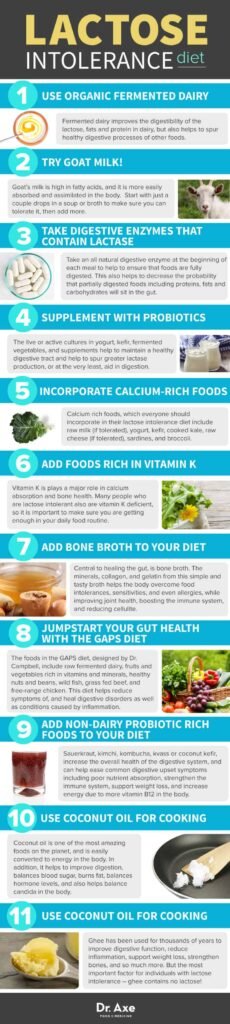
Managing Lactose Intolerance through Diet
Avoiding lactose-containing foods
The most effective way to manage lactose intolerance is by avoiding foods that contain lactose. This includes milk, cheese, yogurt, ice cream, and other dairy products. It is also important to read food labels carefully, as many processed foods may contain hidden sources of lactose. Be cautious of ingredients such as whey, curd, milk by-products, and dry milk solids, which can indicate the presence of lactose.
Reading food labels for hidden lactose
When grocery shopping, it is essential to carefully read food labels to identify any potential sources of lactose. Look for terms such as lactose, milk powder, milk solids, and lactalbumin. Additionally, keep an eye out for foods that may contain lactose as an additive, such as bread, cereal, baked goods, and processed meats. Opt for lactose-free or dairy-free alternatives whenever possible.
Choosing lactose-free alternatives
Fortunately, there are many lactose-free alternatives available that can help you enjoy a balanced and nutritious diet. Look for milk made from non-dairy sources like almond, soy, or rice milk. There are also lactose-free versions of cheese, yogurt, and ice cream that provide a similar taste and texture to their dairy counterparts. Experiment with different brands and products to find the ones that suit your taste preferences.
Digestive Enzyme Supplements
What are digestive enzyme supplements?
Digestive enzyme supplements are dietary supplements that contain enzymes your body may be lacking, such as lactase, to aid in the digestion of certain nutrients. In the case of lactose intolerance, taking a digestive enzyme supplement that contains lactase can help break down lactose and prevent uncomfortable symptoms.
How do they work?
Digestive enzyme supplements work by providing your body with the necessary enzymes to break down lactose. When you consume a lactose-containing food or beverage, taking a digestive enzyme supplement beforehand can help your body digest lactose more effectively, reducing the likelihood of experiencing symptoms. These supplements are available in various forms, including capsules, tablets, and powders.
Choosing the right enzyme supplement
When choosing a digestive enzyme supplement for lactose intolerance, it is important to consider a few factors. Look for a supplement that specifically contains lactase and is labeled for lactose intolerance. Consider the potency of the supplement and the recommended dosage. Additionally, opt for supplements that are third-party tested or certified to ensure their quality and effectiveness.

Probiotics for Lactose Intolerance
What are probiotics?
Probiotics are live bacteria and yeasts that are beneficial for your digestive system. These microorganisms, especially certain strains of Bifidobacterium and Lactobacillus, can help improve gut health and digestion. Probiotics are available in supplement form or can be naturally found in fermented foods like yogurt, sauerkraut, and kimchi.
How can probiotics help with lactose intolerance?
Probiotics can help with lactose intolerance by improving the balance of bacteria in your gut. Certain strains of probiotics can assist in the digestion of lactose, reducing the symptoms associated with lactose intolerance. They work by producing lactase, the enzyme needed to break down lactose. Incorporating probiotics into your daily routine may help ease your discomfort after consuming lactose-containing foods.
Choosing the right probiotic supplement
When selecting a probiotic supplement for lactose intolerance, look for products that contain strains of Bifidobacterium or Lactobacillus specifically known for their beneficial effects on lactose digestion. Consider the number of live cultures in each supplement, as a higher count may be more effective. It is also important to store your probiotic supplement properly and adhere to the recommended dosage for optimal results.
Herbal Remedies for Lactose Intolerance
There are several herbal remedies that may provide relief from the symptoms of lactose intolerance. While these remedies are not a substitute for avoiding lactose-containing foods and beverages, they may offer additional support in managing the condition.
Chamomile tea
Chamomile tea has been used for centuries for its calming and anti-inflammatory properties. It may help soothe the digestive system and alleviate some of the discomfort associated with lactose intolerance. Enjoy a cup of chamomile tea after a meal to support digestion.
Peppermint tea
Peppermint tea is known for its ability to relax the muscles of the gastrointestinal tract, which can help ease digestive discomfort. Sip on a cup of peppermint tea between meals to help relieve bloating and gas caused by lactose intolerance.
Ginger
Ginger has long been used as a natural remedy for digestive issues. It can help reduce nausea, bloating, and stomach cramps caused by lactose intolerance. Add fresh ginger to your meals or brew a cup of ginger tea to experience its soothing effects.
Fennel
Fennel has been traditionally used to ease digestive disturbances. It can help relieve bloating, gas, and indigestion commonly associated with lactose intolerance. Chew on fennel seeds or brew fennel tea to support digestion.
Turmeric
Turmeric contains a compound called curcumin, which has anti-inflammatory properties that may help reduce inflammation in the gut. Incorporate turmeric into your cooking or take it as a supplement to potentially alleviate symptoms of lactose intolerance.

Acupuncture and Acupressure for Lactose Intolerance
How can acupuncture help?
Acupuncture is an ancient Chinese practice that involves inserting thin needles into specific points on the body. It can help alleviate symptoms of lactose intolerance by promoting the flow of energy, or Qi, through the body and restoring balance. Acupuncture may help reduce digestive discomfort, improve gut function, and support overall well-being.
What are acupressure points for lactose intolerance?
Acupressure is a technique similar to acupuncture, but instead of needles, pressure is applied to specific points on the body. Some acupressure points that may help relieve symptoms of lactose intolerance include the Pericardium 6 (P6) point, which is located on the inner wrist, and the Stomach 36 (ST36) point, which is found on the lower leg.
Using acupuncture or acupressure for symptom relief
If you are interested in trying acupuncture or acupressure for lactose intolerance symptom relief, it is important to consult with a qualified practitioner. They will be able to assess your specific needs and create an individualized treatment plan. Acupuncture and acupressure can be used alongside other treatment methods to enhance their effectiveness.
Homeopathic Remedies for Lactose Intolerance
Homeopathic remedies are derived from natural substances and are believed to stimulate the body’s ability to heal itself. While there is limited scientific evidence supporting their effectiveness, some individuals with lactose intolerance have reported finding relief from certain homeopathic remedies.
Lycopodium
Lycopodium is a homeopathic remedy often recommended for digestive issues, including lactose intolerance. It may help alleviate symptoms such as bloating, gas, and indigestion. Consult with a homeopathic practitioner to determine the appropriate dosage and potency for your specific needs.
Nux vomica
Nux vomica is another homeopathic remedy that is commonly used for digestive complaints. It may help relieve symptoms like nausea, stomach cramps, and diarrhea associated with lactose intolerance. As with any homeopathic remedy, it is best to seek guidance from a qualified professional for proper usage.
Carbo vegetabilis
Carbo vegetabilis, derived from vegetable charcoal, is a homeopathic remedy that may help with excessive gas, bloating, and indigestion caused by lactose intolerance. It is typically recommended for those who experience sluggish digestion and a sensation of heaviness after eating.
Phosphorus
Phosphorus is a homeopathic remedy that may be beneficial for individuals with lactose intolerance who experience symptoms such as stomach cramps, diarrhea, and weakness. As with all homeopathic remedies, it is important to consult with a knowledgeable practitioner for guidance on proper usage.

Other Natural Remedies for Lactose Intolerance
In addition to the herbal, homeopathic, and alternative therapies mentioned above, certain natural remedies may provide further support for managing lactose intolerance.
Aloe vera
Aloe vera has soothing properties that can help alleviate digestive discomfort and promote gut health. Drinking aloe vera juice or incorporating it into your diet in other forms may provide relief from symptoms of lactose intolerance.
Slippery elm
Slippery elm is known for its ability to soothe irritated digestive tissues. It forms a protective layer on the lining of the stomach and intestines, potentially reducing inflammation and discomfort associated with lactose intolerance. Look for slippery elm supplements or drink them as tea.
Dandelion root
Dandelion root has been traditionally used to support digestion and liver health. It may help ease symptoms such as bloating and gas caused by lactose intolerance. Brew dandelion root tea or take it as a supplement to potentially experience its benefits.
Marshmallow root
Marshmallow root contains mucilage, a gel-like substance that can help soothe the digestive tract. It may help alleviate symptoms such as stomach cramps and bloating caused by lactose intolerance. Marshmallow root can be consumed as a tea or taken in supplement form.
When to Seek Medical Advice
Signs and symptoms requiring medical attention
While lactose intolerance is generally a manageable condition, there are certain signs and symptoms that may indicate the need for medical attention. If you experience severe or persistent abdominal pain, significant weight loss, bloody stools, or ongoing diarrhea, it is important to consult with a healthcare professional. These symptoms may indicate an underlying condition or complications that require further evaluation and treatment.
Consulting a healthcare professional
If you suspect you have lactose intolerance or are experiencing symptoms, it is recommended to consult with a healthcare professional. They can properly diagnose your condition through tests and assessments, provide guidance on managing lactose intolerance, and discuss appropriate treatment options. Additionally, they can help monitor your overall digestive health and address any concerns or questions you may have.
In conclusion, lactose intolerance can cause discomfort and disruption in your daily life, but there are various strategies and remedies available to help manage the condition. By understanding lactose intolerance, undergoing appropriate tests, making dietary adjustments, and considering natural remedies, you can find relief and improve your quality of life. Remember to consult with healthcare professionals and seek their guidance for personalized advice and support.
Related Terms About Natural Remedy For Lactose Intolerance.
At Home Remedies For Lactose Intolerance, Home Remedies For Lactose Intolerance Attack, Home Remedies For Lactose Intolerance In Infants, Home Remedies For Lactose Intolerance Symptoms, Home Remedy For Lactose Intolerance In Babies, Immediate Home Remedies For Lactose Intolerance, Is There A Natural Remedy For Lactose Intolerance, Natural Herbs For Lactose Intolerance, Natural Medicine For Lactose Intolerance, Natural Remedies For Lactose Intolerance, Natural Remedies For Lactose Intolerance Pain, Natural Remedy For Lactose Intolerance, Natural Remedy For Milk Allergy, Natural Remedy To Lactose Intolerance, What Natural Remedies For Lactose Intolerance