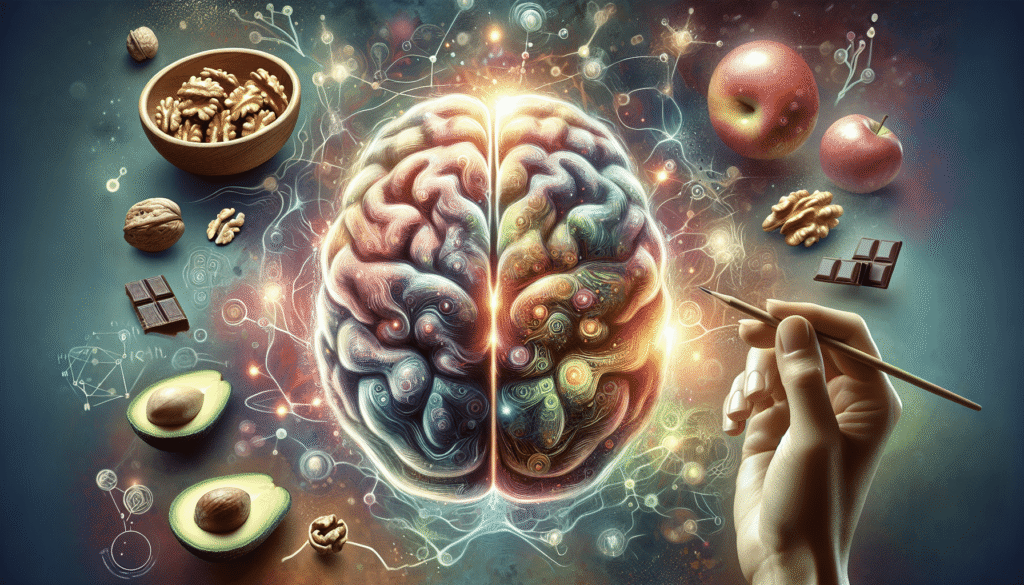
What would your life look like if you could optimize your mood, focus, and overall mental clarity? The delicate balance of neurotransmitters in your brain plays a crucial role in shaping these experiences. Understanding how to support them can lead to a more vibrant and fulfilling life.
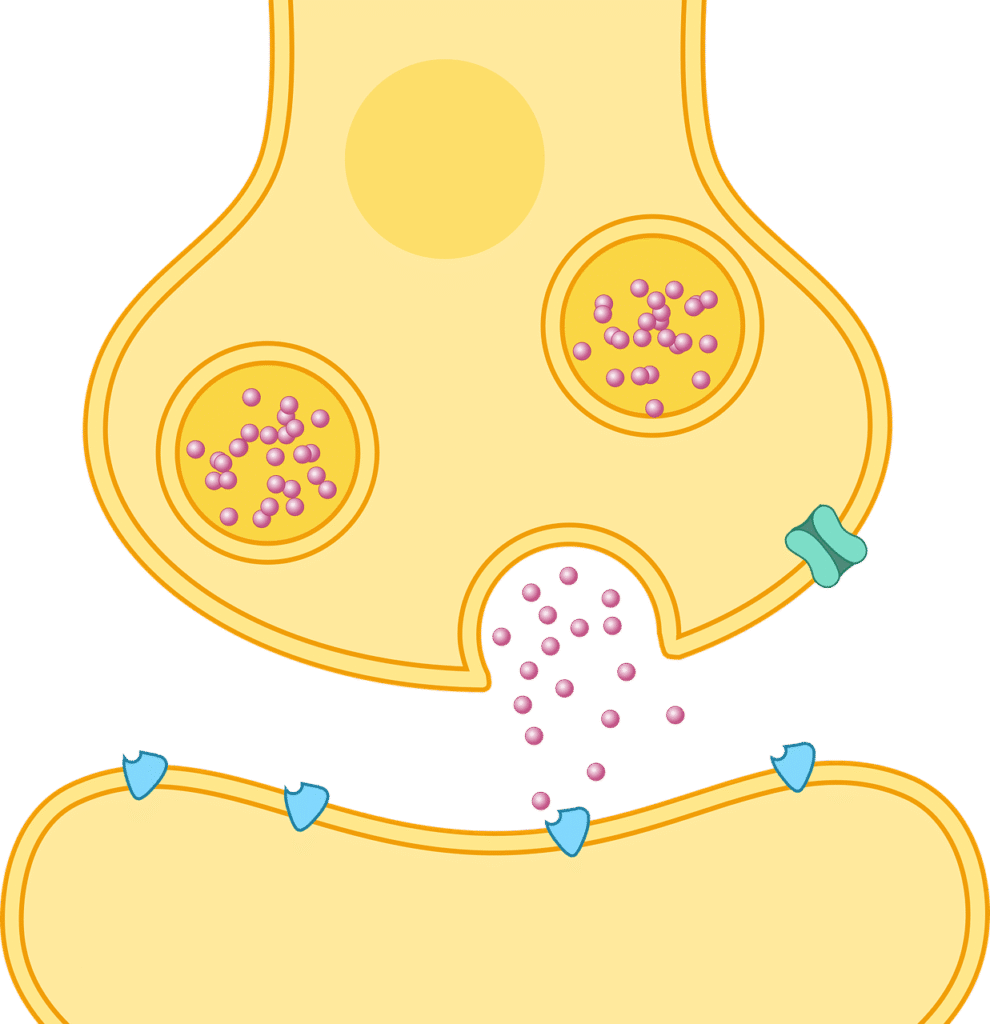
What Are Neurotransmitters?
Neurotransmitters are chemical messengers in the brain that enable communication between neurons. They influence various functions in your body, including mood regulation, sleep patterns, and even appetite. When these chemicals function optimally, you may feel energetic, focused, and capable of handling daily challenges with ease.
The Role of Neurotransmitters
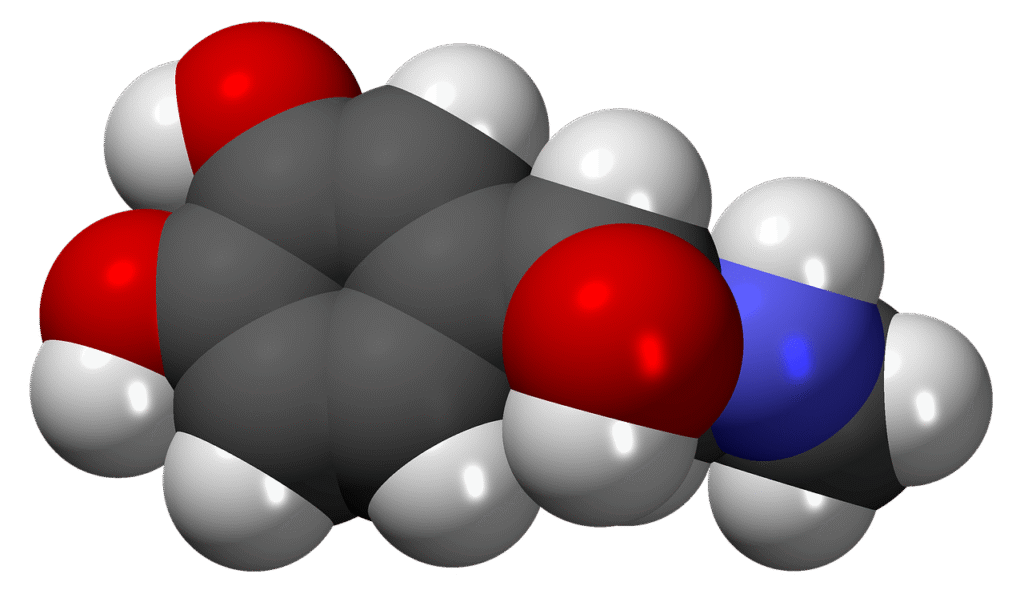
Each neurotransmitter has a specific role to play. For example, serotonin is often referred to as the “feel-good” neurotransmitter because it helps regulate mood and anxiety levels. Dopamine is linked to pleasure and reward, affecting motivation and attention. Understanding these roles can help you target specific areas in your life that may need support.
The Importance of Balance
Having the right balance of neurotransmitters is vital for your mental health. An excess or deficiency of any neurotransmitter can lead to mood disorders, anxiety, and other mental health challenges. Just like a finely tuned instrument, your brain needs the right mix of chemicals to play the right notes.
Common Neurotransmitters and Their Functions
| Neurotransmitter | Function |
|---|---|
| Serotonin | Mood regulation, anxiety control |
| Dopamine | Reward, pleasure, motivation |
| Norepinephrine | Alertness, focus, stress response |
| GABA | Calmness, relaxation |
| Glutamate | Learning, memory, cognitive function |
Let’s break down some of these main players.
Serotonin
Often found in your gut as well as your brain, serotonin plays a major role in mood, appetite, and digestion. When levels are optimal, you feel content and balanced. If they’re low, you might struggle with irritability or sadness.
Dopamine
This neurotransmitter is your brain’s way of rewarding you. Every time you achieve something, big or small, dopamine gives you a little boost of happiness. However, if your dopamine levels drop, you might find it hard to stay motivated or enjoy activities you once loved.
Norepinephrine
Think of norepinephrine as your body’s natural alarm clock. It helps you feel alert, ready to tackle the day ahead. A deficiency can lead to feelings of lethargy and an inability to focus.
GABA
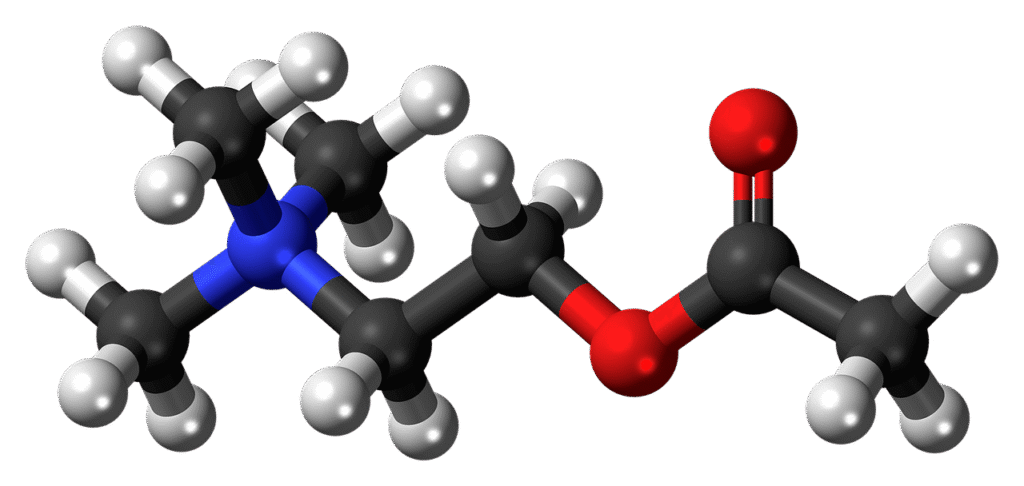
GABA acts as an inhibitor in the brain, promoting relaxation and calmness. It keeps excessive neuron firing in check, which is essential for maintaining a balanced mood. Low GABA levels can lead to anxiety, restlessness, and insomnia.
Glutamate
This neurotransmitter is crucial for cognitive functions such as learning and memory. While it’s important, too much glutamate can lead to issues, such as excitotoxicity, which can damage neurons over time.
Factors Affecting Neurotransmitter Levels
You might wonder what can disrupt the delicate balance of neurotransmitters in your brain. A variety of factors influence these chemical messengers, and understanding them can empower you to make meaningful changes.
Diet
What you eat has a direct impact on your neurotransmitter levels. Consuming food rich in amino acids, vitamins, and minerals plays a crucial role in their synthesis.
- Amino Acids: Building blocks of neurotransmitters.
- Vitamins: B vitamins, in particular, are vital for neurotransmitter function.
- Minerals: Magnesium and zinc support various neurotransmitter pathways.
Stress
Chronic stress is a key player in neurotransmitter imbalance. It can lead to diminished serotonin levels and disrupt dopamine production. Finding ways to manage stress is essential for maintaining a healthy balance.
Sleep
Sleep affects neurotransmitter levels directly. Poor sleep can reduce serotonin and dopamine levels, leading to a vicious cycle of poor mood and focus. Establishing good sleep hygiene practices can promote balance.
Physical Activity
Regular exercise is a natural way to boost neurotransmitter levels. It encourages the release of serotonin and dopamine, enhancing your mood and overall well-being. Finding a form of exercise you enjoy can keep you motivated.
Supporting Neurotransmitter Production
Now that you understand the importance of neurotransmitters and what affects them, let’s look at practical ways you can support their production.
Food Choices
Eating a balanced diet rich in whole foods ensures you get the nutrients necessary for optimal neurotransmitter production. Here are some beneficial foods to consider:
| Food | Benefits |
|---|---|
| Fatty Fish | High in omega-3s, supports dopamine levels |
| Leafy Greens | Rich in B vitamins, essential for serotonin |
| Nuts and Seeds | Source of healthy fats, zinc, and magnesium |
| Fermented Foods | Promote gut health, which impacts serotonin |
| Fruits | Rich in antioxidants, support overall brain health |
Incorporating these foods into your meals can be enjoyable and beneficial.
Supplements
While food should be your primary source of nutrients, certain supplements may offer support. Always consult with a healthcare professional before starting any new supplements.
- Omega-3 Fatty Acids: Support dopamine production.
- L-Theanine: Found in green tea, can increase GABA levels.
- B Vitamins: Important for neurotransmitter synthesis.
- Magnesium: Aids in GABA production and overall brain health.
Lifestyle Changes
In addition to dietary changes, lifestyle modifications can significantly impact neurotransmitter levels.
Stress Management
Finding effective stress management techniques is essential. Whether it’s meditation, yoga, or simply spending time in nature, prioritizing activities that help you unwind can support balance.
Sleep Hygiene
Good sleep hygiene fosters better sleep quality. Aim for a consistent sleep schedule, create a relaxing bedtime routine, and limit screen time before bed.
Regular Exercise
In addition to supporting neurotransmitter production, regular exercise enhances your mental well-being. Whether it’s a brisk walk, a dance class, or weightlifting, find an activity that you enjoy.
The Gut-Brain Connection
You might be surprised to learn that your gut health plays a crucial role in neurotransmitter balance. The gut microbiome is intricately linked to brain function, influencing mood and cognitive abilities.
Probiotics and Prebiotics
Probiotic-rich foods, such as yogurt or fermented vegetables, support a healthy gut microbiome. Prebiotics, found in foods like onions, garlic, and bananas, nourish the beneficial bacteria in your gut. Together, they can have a profound impact on serotonin levels.
The Impact of Sugar
High sugar intake can exacerbate mood swings and disrupt neurotransmitter balance. Reducing sugary foods can lead to better overall mental clarity and mood stability.
Understanding Mood Disorders
When neurotransmitter levels are out of whack, it can lead to various mood disorders such as depression or anxiety. Recognizing these symptoms is important for seeking proper support.
Signs of Imbalance
Being aware of potential signs of neurotransmitter imbalances can empower you to take action. Look out for:
- Persistent sadness or irritability
- Difficulty concentrating
- Loss of interest in once-enjoyable activities
- Sleep disturbances
When to Seek Help
If you notice these signs and they interfere with your daily functioning, it’s important to seek help. Mental health professionals can help you assess your situation and create a tailored approach to support your neurotransmitter balance.
The Role of Therapy
Therapy can play a significant role in supporting neurotransmitter balance. Combining traditional therapeutic practices with lifestyle changes can lead to more sustainable mental well-being.
Cognitive-Behavioral Therapy (CBT)
CBT is one common and effective type of therapy that helps individuals recognize and change negative thought patterns, which can influence neurotransmitter levels. It’s a proactive way to address the mind-body connection.
Mindfulness Practices
Mindfulness and meditation can help reduce stress levels, indirectly supporting neurotransmitter balance. Engaging in mindfulness practices can help you process emotions and contribute to a sense of well-being.
Final Thoughts
Supporting your neurotransmitter levels can significantly transform your mental well-being. By focusing on diet, lifestyle, and proactive stress management, you can craft a balanced approach to mental health. The journey to improved neurotransmitter health is a personal one, filled with discovery and self-awareness. Remember that small, consistent changes can lead to meaningful growth. If you ever feel overwhelmed, seeking support from professionals or loved ones is always a courageous and empowering step. You deserve a life filled with joy, purpose, and balance.