
Imagine you are a nurse faced with the challenge of caring for patients with avoidant personality disorders. As you strive to provide the best possible care, it is crucial to understand the unique needs and considerations of those living with this condition. In this article, we will explore the important nursing considerations and management strategies that can help create a supportive and healing environment for individuals with avoidant personality disorders. From fostering trust and building rapport to promoting self-esteem and encouraging social interaction, we will delve into the essential aspects of nursing care for these patients. So, let us embark on this journey together as we navigate the complexities of providing effective and compassionate care for those with avoidant personality disorders.

Understanding Avoidant Personality Disorders
Definition of Avoidant Personality Disorders
Avoidant Personality Disorder (AVPD) is a type of personality disorder characterized by a pervasive pattern of social inhibition, feelings of inadequacy, and hypersensitivity to negative evaluation. Individuals with AVPD often have an intense fear of rejection and tend to avoid social interactions, resulting in limited social relationships and potential impairment in various areas of their lives.
Symptoms and Diagnostic Criteria
The Diagnostic and Statistical Manual of Mental Disorders (DSM-5) outlines specific diagnostic criteria for AVPD. These criteria include a persistent pattern of social inhibition, feelings of inadequacy, and a strong desire to be liked despite an overwhelming fear of rejection. Individuals with AVPD may avoid jobs or activities that require significant interpersonal contact, have difficulties initiating and maintaining relationships, and exhibit low self-esteem.
Prevalence and Risk Factors
AVPD is believed to be relatively common, affecting approximately 1-2% of the general population. It often begins in early adulthood and can persist throughout a person’s life if left untreated. There are several risk factors associated with the development of AVPD, including a history of childhood trauma, harsh criticism or rejection during childhood, and a family history of anxiety disorders or personality disorders.
Assessment and Diagnosis
Conducting a Thorough Assessment
When assessing individuals with suspected AVPD, it is essential to conduct a comprehensive evaluation that includes a detailed psychiatric history, a review of symptoms, and a thorough physical examination. It is crucial to gather information about the individual’s social interactions, fears, and avoidance behaviors to identify potential patterns indicative of AVPD.
Collaboration with Other Healthcare Providers
As a nurse, it is important to collaborate with other healthcare providers, such as psychiatrists and psychologists, to ensure accurate diagnosis and effective treatment planning for individuals with AVPD. By working together as a multidisciplinary team, healthcare professionals can gather different perspectives and contribute their expertise, ultimately providing comprehensive care for the patient.
Differential Diagnosis
AVPD shares similarities with other personality disorders and anxiety disorders, making the process of differential diagnosis challenging. It is important to rule out other potential conditions, such as social anxiety disorder, schizoid personality disorder, and dependent personality disorder, which may present with similar symptoms. Collaboration with mental health professionals can help in reaching an accurate diagnosis.

Establishing Therapeutic Nurse-Patient Relationship
Creating a Non-threatening Environment
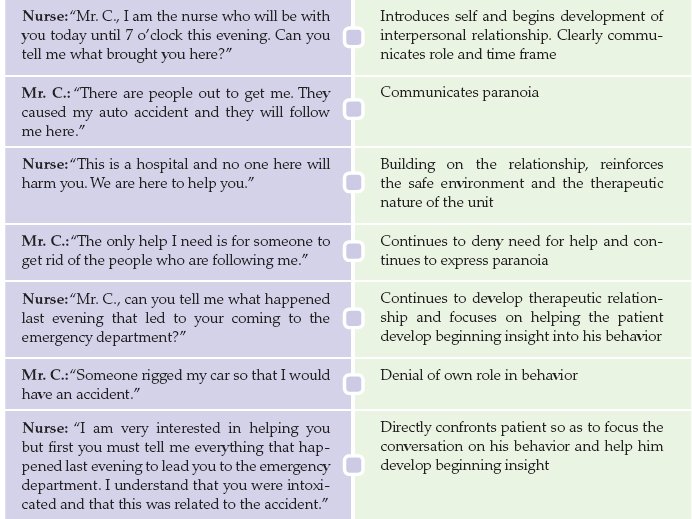
Creating a non-threatening and supportive environment is crucial when working with individuals with AVPD. It is important to maintain a calm and empathetic demeanor, providing reassurance that they are in a safe and understanding space. Creating a physical environment that is comfortable and free from judgment can help alleviate anxiety and encourage engagement in therapeutic interventions.
Building Trust and Rapport
Building trust and rapport with individuals with AVPD can take time and patience. It is essential to demonstrate consistency, reliability, and honesty in all interactions. Active listening and validating their feelings and experiences can help establish a positive therapeutic relationship. Ensuring confidentiality and respecting their boundaries are also vital in building trust.
Managing Transference and Countertransference
Transference and countertransference can occur in the therapeutic relationship with individuals with AVPD. It is important for nurses to be aware of their own emotional responses and biases that may arise during interactions. Recognizing and addressing these dynamics can prevent potential misunderstandings and promote effective communication and trust-building.
Individualized Care Planning
Setting Realistic Goals
In collaboration with the patient, setting realistic goals is crucial for effective care planning. By identifying specific and achievable objectives, individuals with AVPD can feel a sense of accomplishment and progress. Goals may include improving self-esteem, increasing social interactions, and developing healthier coping mechanisms. Regularly reassessing and adjusting goals based on the patient’s progress is essential.
Involving the Patient in Decision Making
Encouraging the active involvement of individuals with AVPD in their care planning can enhance their sense of autonomy and empowerment. By providing them with information and options, they can make informed decisions about their treatment and recovery. This collaborative approach fosters a sense of ownership and motivation, increasing the likelihood of successful outcomes.
Addressing Emotional Needs
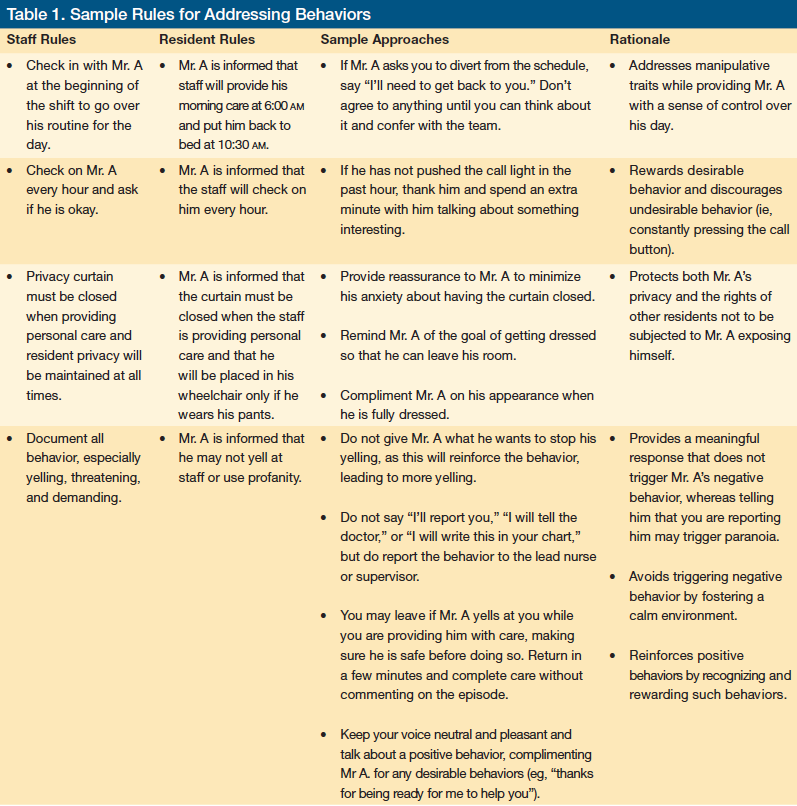
Individuals with AVPD often struggle with emotional regulation and may experience intense emotions. It is crucial to create a safe space where they can express and explore their feelings. Nurses can provide emotional support, validate their experiences, and teach healthy coping mechanisms to manage distress. Connecting them with supportive resources, such as individual or group therapy, can further address their emotional needs.
Psychoeducation and Lifestyle Modification
Educating the Patient and Family
Psychoeducation plays a vital role in helping individuals with AVPD and their families understand the condition and its impact on their lives. Providing information about AVPD, its symptoms, and the available treatment options can reduce stigma and promote understanding. Educating families about how to support their loved one’s recovery can enhance the overall well-being of the individual.
Promoting Healthy Coping Mechanisms
Individuals with AVPD often rely on maladaptive coping mechanisms, such as avoidance or isolation. Nurses can teach and encourage the use of healthy coping strategies, such as deep breathing exercises, mindfulness techniques, and positive self-talk. Engaging the individual in activities that promote relaxation, such as yoga or meditation, can also be beneficial in managing anxiety and stress.
Encouraging Social Skills Development
Social skills training can help individuals with AVPD improve their ability to initiate and maintain relationships. Role-playing and providing feedback on social interactions can enhance their understanding of non-verbal cues, conversation skills, and assertiveness. Encouraging participation in group therapy or social activities can provide opportunities for practice and gradual exposure to social situations.
Pharmacological Considerations
Assessing and Monitoring Medication Effects
Pharmacological interventions, such as selective serotonin reuptake inhibitors (SSRIs) or anxiolytics, may be prescribed to manage the symptoms of AVPD. Nurses play a crucial role in assessing and monitoring the effects of medications. Regularly assessing the patient’s response to medication, side effects, and any potential interactions with other medications is essential in promoting optimal outcomes.
Collaborating with Psychiatrists
Collaborating with psychiatrists is crucial in medication management for individuals with AVPD. Nurses can provide valuable input regarding the patient’s response to medication and any observed changes in symptoms. Open communication and collaboration between the nurse and psychiatrist ensure a holistic approach to care, integrating both medication and non-pharmacological interventions.
Managing Side Effects and Medication Noncompliance
Some medications used to treat AVPD may have side effects that can impact the patient’s adherence to treatment. It is important for nurses to educate patients about potential side effects, assist in managing these effects, and address any concerns or misconceptions. Promoting medication adherence through regular follow-ups, supportive counseling, and addressing barriers to adherence is essential.
Therapeutic Interventions
Cognitive-Behavioral Therapy (CBT)
Cognitive-Behavioral Therapy (CBT) is a widely recognized and effective treatment approach for AVPD. It focuses on identifying and challenging negative thoughts and beliefs, improving social skills, and modifying avoidance behaviors. Nurses can collaborate with mental health professionals to assist in the implementation of CBT techniques, such as exposure exercises and cognitive restructuring.
Exposure Therapy
Exposure therapy is a specific type of CBT often used to treat avoidance behaviors. Gradual and controlled exposure to feared social situations can help individuals with AVPD overcome their anxiety and avoidance. Nurses can support individuals through the process, providing guidance, reassurance, and monitoring their progress. Collaboration with psychologists or therapists trained in exposure therapy is recommended.
Group Therapy
Group therapy can be an effective intervention for individuals with AVPD. It provides a supportive and structured environment where individuals can practice social skills, receive feedback, and gain insights from others with similar experiences. Nurses can facilitate group therapy sessions, ensuring a safe and inclusive atmosphere that promotes active participation and mutual support.
Addressing Comorbidities
Identifying and Managing Co-occurring Mental Health Disorders
Individuals with AVPD often experience comorbid mental health disorders, such as depression, anxiety, or substance use disorders. Recognizing and addressing these comorbidities is essential in providing comprehensive care. Nurses can collaborate with mental health professionals to assess and manage these co-occurring disorders, implementing appropriate interventions and treatment plans.
Coordinating Care with Multidisciplinary Team
Coordinating care within a multidisciplinary team is crucial for individuals with AVPD who have comorbid conditions. Effective communication and collaboration among healthcare providers, including psychiatrists, psychologists, social workers, and case managers, ensure a comprehensive and coordinated approach to treatment. Regular case conferences and sharing of information enhance the overall quality of care.
Understanding the Impact of Comorbid Conditions on Treatment
The presence of comorbid mental health disorders can impact the success of treatment for AVPD. Nurses need to recognize the interplay between different conditions and the potential challenges that may arise. By understanding the impact of comorbidities on treatment outcomes, nurses can tailor interventions and support patients in managing their unique circumstances.
Support and Referral Systems
Collaborating with Social Workers and Case Managers
Collaboration with social workers and case managers is essential in providing holistic care for individuals with AVPD. Social workers can facilitate access to community resources, housing assistance, and financial support. Case managers can help with coordination of care, ensuring individuals receive the necessary support throughout their treatment journey. Regular communication and sharing of information contribute to continuity of care.
Connecting Patients to Supportive Resources
Supportive resources, such as support groups or self-help organizations, can be valuable for individuals with AVPD. Nurses play a crucial role in connecting patients to these resources and providing them with information on local support groups and community programs. Access to peer support and shared experiences can help individuals feel understood, reduce isolation, and enhance their overall well-being.
Utilizing Community Programs and Support Groups
Community programs and support groups can provide individuals with AVPD additional opportunities for social interactions and skill-building. Nurses can collaborate with community organizations and recommend appropriate programs that align with the individual’s interests and needs. By promoting engagement in these programs, nurses can support individuals in enhancing their social functioning and expanding their support network.
Evaluation and Outcome Measures
Monitoring Treatment Progress
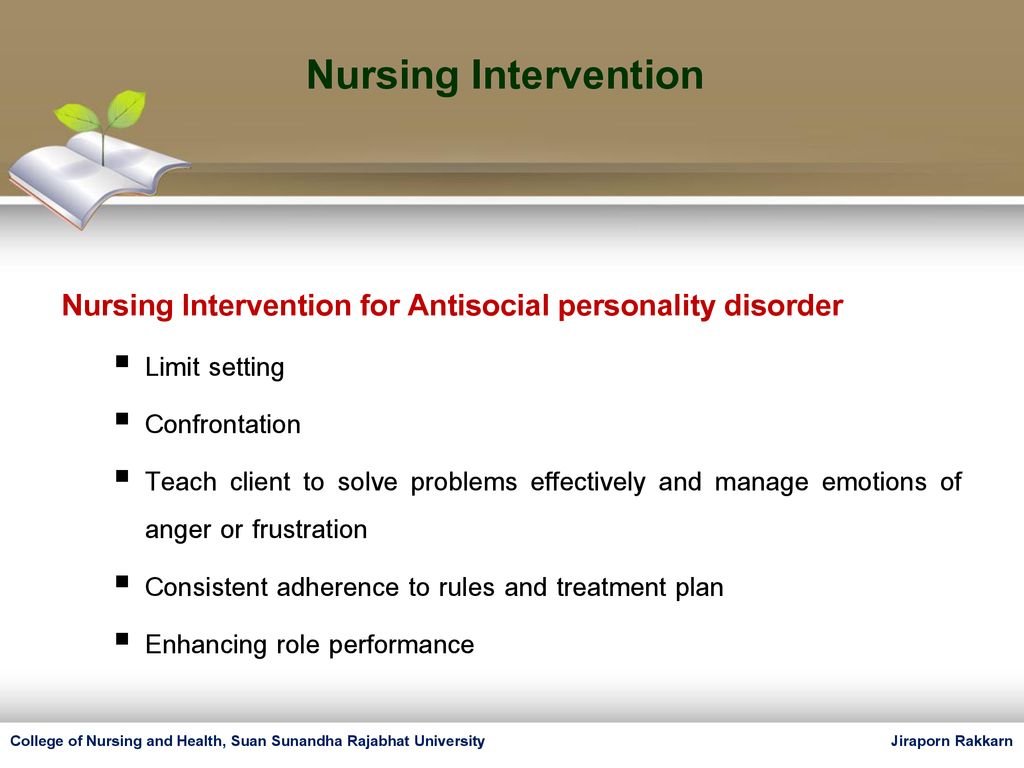
Regularly monitoring treatment progress is crucial to assess the effectiveness of interventions and adjust the care plan as needed. Nurses can conduct ongoing assessments, utilizing standardized tools and observing changes in symptoms and functioning. By documenting and evaluating treatment outcomes, nurses can ensure the provision of individualized care and optimize the chances of successful recovery.
Assessing Improved Functioning and Quality of Life
Assessing improvements in functioning and quality of life is an essential component of evaluating the impact of treatment for individuals with AVPD. Nurses can utilize validated scales and qualitative assessments to measure changes in social interactions, self-esteem, and overall well-being. Regular communication with the patient and incorporating their subjective feedback contribute to a comprehensive evaluation.
Identifying Areas for Further Intervention
Through ongoing evaluation and assessment, nurses can identify areas where further intervention may be necessary. This may involve adjusting treatment strategies or considering additional therapeutic approaches. By recognizing areas of potential improvement, nurses can continue to provide personalized and effective care, supporting individuals with AVPD in their journey towards recovery.
In conclusion, nurses play a critical role in the assessment, diagnosis, and management of individuals with Avoidant Personality Disorder (AVPD). By understanding the symptoms, diagnostic criteria, and prevalence of AVPD, nurses can provide comprehensive care. Through establishing therapeutic nurse-patient relationships, individualized care planning, psychoeducation, and therapeutic interventions, nurses can support individuals with AVPD in their recovery journey. Collaboration with multidisciplinary teams, addressing comorbidities, and connecting patients to support and referral systems further enhance the overall care provided. Regular evaluation and monitoring of treatment progress ensure ongoing assessment and adjustment of care strategies. With a compassionate and empathetic approach, nurses can significantly contribute to improving the functioning and quality of life for individuals living with AVPD.