
Did you know that bulimia nervosa affects millions of people worldwide? In this article, we will explore the important nursing considerations for individuals struggling with this eating disorder. From understanding the physical and psychological effects of bulimia nervosa to providing compassionate and holistic care, nurses play a crucial role in supporting patients on their journey towards recovery. By focusing on education, collaboration, and a person-centered approach, nurses can make a significant difference in the lives of those with bulimia nervosa. So, let’s dive in and discover the essential nursing considerations for this challenging condition.

Assessment and Diagnosis
Identification of Bulimia Nervosa Symptoms
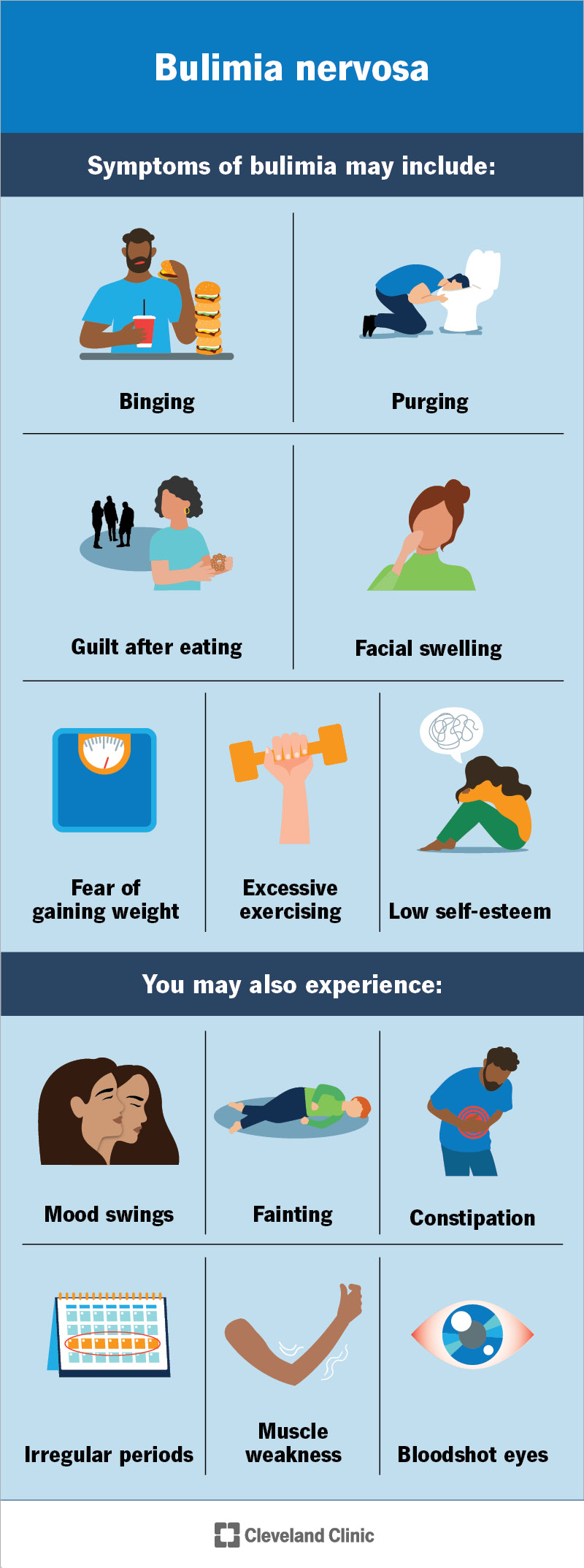
In order to effectively assess and diagnose bulimia nervosa, it is important to identify the key symptoms associated with this eating disorder. These symptoms include recurrent episodes of binge eating, which involve consuming a large amount of food in a short period of time and feeling a loss of control during these episodes. Individuals with bulimia nervosa also engage in compensatory behaviors, such as self-induced vomiting, misuse of laxatives or diuretics, fasting, or excessive exercise, to prevent weight gain. Other symptoms may include a preoccupation with body weight and shape, frequent changes in weight, and low self-esteem related to body image.
Physical Assessment
As part of the assessment process, it is essential for nurses to conduct a thorough physical examination. Physical signs that may be indicative of bulimia nervosa include dental erosions caused by repeated exposure to stomach acid during vomiting, swollen parotid glands (glandular structure in the cheek), calluses or bruises on the knuckles (known as Russell’s sign) due to self-induced vomiting, and dry skin or brittle nails caused by nutritional deficiencies. Nurses should also assess for signs of dehydration, electrolyte imbalances, and cardiovascular complications, which can be directly related to the disorder.
Psychosocial Assessment
In addition to the physical assessment, a comprehensive psychosocial assessment is necessary to evaluate the emotional and psychological aspects of the individual with bulimia nervosa. Nurses should gather information about the person’s mental health history, including any previous psychiatric diagnoses or treatment received. It is crucial to assess for comorbid mental health conditions, such as depression, anxiety disorders, or substance abuse, as these can significantly impact the course and treatment of bulimia nervosa. Furthermore, conducting a thorough assessment of the person’s psychosocial needs, support system, and stressors can help inform the formulation of an individualized care plan.
Medical Complications
Gastrointestinal Complications
Bulimia nervosa can have a detrimental impact on the gastrointestinal system, leading to a variety of complications. Frequent vomiting can result in esophageal tears, gastric rupture, or reflux esophagitis. It can also cause inflammation and irritation of the esophagus, which can lead to difficulty swallowing and chronic heartburn. Additionally, the repetitive exposure of stomach acid to the teeth can contribute to dental erosions and decay. Nurses should closely monitor individuals with bulimia nervosa for symptoms such as abdominal pain, chronic heartburn, and dental issues, and collaborate with the healthcare team to address these complications.
Electrolyte Imbalances
One of the most critical medical complications associated with bulimia nervosa is electrolyte imbalances. Self-induced vomiting and the misuse of laxatives or diuretics can disrupt the body’s balance of electrolytes, including potassium, sodium, and chloride. These imbalances can lead to symptoms such as muscle weakness, fatigue, irregular heart rhythms, and even cardiac arrest in severe cases. Nurses should regularly assess and monitor electrolyte levels, EKG results, and vital signs to promptly identify and address any imbalances to prevent potentially life-threatening complications.
Cardiovascular Complications
Bulimia nervosa can have significant cardiovascular implications. Electrolyte imbalances, particularly low potassium levels known as hypokalemia, can cause abnormal cardiac rhythms, known as arrhythmias. Additionally, binge eating and subsequent purging can increase blood pressure and stress on the heart, potentially leading to cardiovascular conditions such as cardiomyopathy or heart failure. Nurses should closely monitor individuals with bulimia nervosa for signs of cardiovascular complications, including irregular heart rhythms, chest pain, and shortness of breath, and collaborate with cardiologists and other medical professionals to manage these issues.
Dental Complications
The repeated exposure of teeth to stomach acid during self-induced vomiting can result in a range of dental complications for individuals with bulimia nervosa. Dental erosions, particularly on the lingual surfaces of the upper front teeth, are commonly observed. Other dental issues may include tooth decay, cavities, gum disease, and increased tooth sensitivity. Nurses should collaborate with dentists and dental hygienists to support oral health care for individuals with bulimia nervosa, provide education on proper dental hygiene practices, and ensure timely dental examinations and treatments to prevent further damage.
Treatment Options
Psychotherapy
Psychotherapy, particularly cognitive-behavioral therapy (CBT), is the gold standard treatment for bulimia nervosa. CBT helps individuals explore and modify the distorted thoughts and beliefs associated with body image, weight, and food. It also focuses on developing healthier coping mechanisms, improving self-esteem, and promoting a positive body image. Nurses play a crucial role in supporting individuals undergoing psychotherapy by providing emotional support, reinforcing therapeutic goals and strategies, and collaborating with the healthcare team to ensure the consistency and effectiveness of the treatment plan.
Nutritional Counseling
Nutritional counseling plays a fundamental role in the treatment of bulimia nervosa. Registered dietitians work closely with individuals to establish regular and balanced eating patterns, promote mindful eating, and improve nutrition education. Nurses can collaborate with dietitians to reinforce nutritional recommendations, monitor compliance with meal plans, and address any challenges or concerns related to food and eating. It is essential to approach nutritional counseling with a non-judgmental and supportive attitude, emphasizing the importance of nourishing the body and maintaining a healthy relationship with food.
Medications
Although medications do not provide a standalone treatment for bulimia nervosa, they can be beneficial as an adjunct to psychotherapy and nutritional counseling. Selective serotonin reuptake inhibitors (SSRIs), such as fluoxetine, have shown efficacy in reducing binge eating and purging behaviors. Psychiatric nurses can work closely with prescribing psychiatrists to monitor medication effectiveness, manage side effects, and evaluate the individual’s response to the pharmacological intervention. It is crucial to educate individuals about the potential benefits and limitations of medications, emphasizing the importance of combining medication therapy with psychotherapy and nutritional counseling for optimal outcomes.
Hospitalization
In severe cases of bulimia nervosa where there is a risk of medical complications or if outpatient treatment is ineffective, hospitalization may be necessary. Inpatient treatment provides a structured and supportive environment, where individuals can receive intensive medical and psychiatric care. Nurses in inpatient settings play a vital role in providing round-the-clock support, monitoring vital signs and nutritional intake, administering medications, and collaborating with the multidisciplinary team to ensure a comprehensive and individualized treatment approach.
Nursing Interventions
Creating a Therapeutic Environment
Creating a therapeutic environment is essential for individuals with bulimia nervosa to feel safe, supported, and empowered throughout their treatment journey. Nurses can ensure a therapeutic environment by fostering a non-judgmental and empathetic attitude, actively listening to and validating the experiences and feelings of the individual, and maintaining confidentiality and privacy. It is also crucial to involve the individual in their care planning and decision-making, promoting autonomy and collaboration. The physical environment should be conducive to recovery, with access to supportive resources and tools, and the presence of comforting and engaging activities.
Monitoring Vital Signs and Weight
Regular monitoring of vital signs, weight, and other physical health indicators is critical in caring for individuals with bulimia nervosa. Nurses should monitor blood pressure, heart rate, temperature, and respiratory rate to identify any potential medical complications and electrolyte imbalances. Additionally, regular weigh-ins can help track trends and changes in weight, which may provide insights into the individual’s nutritional status and treatment progress. It is essential to approach these assessments with sensitivity and respect, as weight can be a sensitive topic for individuals with eating disorders.
Administering Medications
Nurses may be responsible for administering medications prescribed for individuals with bulimia nervosa. This includes ensuring the accurate administration of prescribed medications, documenting medication administration and any observed side effects, and educating individuals about the purpose and potential side effects of the medications. Nurses should also carefully assess the individual’s response to the medications and collaborate with the healthcare team to adjust dosages or explore alternative treatment options as needed. Regular communication and collaboration with the prescribing psychiatrist or medical professional are essential for ensuring safe and effective medication management.
Assisting with Nutritional Intake
Nurses play a crucial role in assisting individuals with bulimia nervosa with their nutritional intake. This may involve providing education on balanced and regular eating patterns, supporting individuals during meals by offering encouragement and reassurance, and assisting in monitoring and recording food intake. Nurses should work closely with dietitians, incorporating their recommendations and adapting the meal plan as needed based on the individual’s progress and nutritional needs. It is important to provide non-judgmental and empathetic support, creating a safe space for individuals to discuss their concerns and challenges related to food and eating.

Education and Support
Educating Patients about Bulimia Nervosa
Nurses have a pivotal role in educating individuals with bulimia nervosa about their condition, treatment options, and self-care strategies. This education should cover the nature of bulimia nervosa, its potential complications, and the importance of seeking early intervention and adhering to treatment plans. Nurses can provide education on healthy eating habits, stress management techniques, and ways to improve body image and self-esteem. It is crucial to tailor the education to meet the individual’s specific needs, considering their age, culture, and level of understanding.
Providing Emotional Support
Individuals with bulimia nervosa often experience emotional distress, shame, and guilt related to their eating disorder. Nurses can provide critical emotional support by offering a listening ear, validating their feelings, and providing reassurance that they are not alone in their struggle. It is important to practice active and empathetic listening, offering a non-judgmental space for individuals to openly express their emotions and concerns. Nurses should also encourage individuals to engage in self-care activities, such as journaling, mindfulness exercises, or engaging in hobbies that promote emotional well-being.
Facilitating Support Groups
Support groups can play a significant role in the recovery process for individuals with bulimia nervosa. Nurses can facilitate support groups by bringing individuals together in a safe and supportive environment, encouraging open and honest communication, and providing guidance and resources. Support groups offer individuals an opportunity to share their experiences, gain insight from others who have faced similar challenges, and receive encouragement and affirmation. Nurses can provide educational materials, facilitate discussions on coping strategies and healthy behaviors, and promote a sense of community among group members.
Ethical Considerations
Confidentiality and Privacy
Respecting and maintaining confidentiality is a fundamental ethical consideration when caring for individuals with bulimia nervosa. It is essential for nurses to create a trusting and safe environment where individuals feel comfortable disclosing personal information and seeking support. Nurses should adhere to professional and legal guidelines regarding the protection of health information, ensuring that any information disclosed by the individual is kept confidential unless there is a clear risk of harm to themselves or others. These guidelines should be communicated clearly to individuals at the beginning of their care and reinforced consistently throughout their treatment.
Maintaining Professional Boundaries
Maintaining professional boundaries is crucial in the nurse-patient relationship when caring for individuals with bulimia nervosa. Nurses should recognize and respect the power differential inherent in the caregiver role and ensure that their interactions with individuals are professional, respectful, and therapeutic. It is important to establish and maintain appropriate boundaries by refraining from engaging in personal relationships or disclosing personal information about oneself. Nurses should focus on developing trust and rapport based on empathy, active listening, and the provision of evidence-based care.

Collaboration and Multidisciplinary Care
Teamwork with Psychiatrists and Psychologists
Effective collaboration and teamwork with psychiatrists and psychologists are essential for providing comprehensive care to individuals with bulimia nervosa. Psychiatrists and psychologists play a central role in the diagnosis, treatment planning, and ongoing psychotherapy for these individuals. Nurses should collaborate closely with these professionals, sharing relevant assessment findings, participating in treatment planning discussions, and providing updates on the individual’s progress. Regular communication is crucial to ensure a cohesive and coordinated care approach, with the shared goal of supporting the individual’s recovery and overall well-being.
Consultations with Dietitians
Consultations with dietitians are an integral part of managing the nutritional needs of individuals with bulimia nervosa. Dietitians can provide expert guidance in developing tailored meal plans, monitoring nutritional intake, and promoting healthy eating habits. Nurses should consult with dietitians to obtain comprehensive nutritional assessments, collaboratively develop meal plans, and seek guidance on addressing any challenges related to food and eating. Regular communication and collaboration with dietitians are critical to ensure that the individual’s nutritional needs are being met and that progress is being made towards a healthier relationship with food.
Coordination with Dentists and Cardiologists
Bulimia nervosa can have significant dental and cardiovascular implications, necessitating coordination with dentists and cardiologists. Dentists play a crucial role in evaluating and managing the dental complications associated with the disorder, such as dental erosions and cavities. Nurses should collaborate with dentists to ensure regular dental examinations, education on oral hygiene practices, and timely treatments. Additionally, individuals with bulimia nervosa may require cardiac evaluations and ongoing monitoring to manage cardiovascular complications. Nurses should coordinate with cardiologists, ensuring regular assessments, EKG monitoring, and collaboration on treatment strategies to optimize heart health.
Prevention Strategies
Early Detection and Intervention Programs
Early detection and intervention are crucial in preventing the escalation and long-term consequences of bulimia nervosa. Nurses can help implement early detection and intervention programs by promoting awareness and education about the signs and symptoms of bulimia nervosa among individuals, families, and healthcare providers. Screening tools can be utilized in various healthcare settings to identify individuals at risk or already experiencing symptoms of the disorder. Nurses should be trained in the use of these tools, enabling them to facilitate early intervention and connect individuals with appropriate treatment resources.
Health Promotion and Education
Health promotion and education are essential components of preventing bulimia nervosa. Nurses can play a pivotal role in educating individuals and communities about healthy body image, positive self-esteem, and the importance of maintaining a balanced approach to food and exercise. Health promotion efforts should focus on promoting a culture that values diversity and rejects unrealistic beauty standards. Nurses can provide resources, facilitate workshops, and engage in community outreach programs to raise awareness about the risks of eating disorders and promote a holistic approach to health and well-being.

Cultural Considerations
Understanding Cultural Influences on Eating Disorders
Cultural influences play a significant role in the development and manifestation of eating disorders, including bulimia nervosa. Each culture may have its own perceptions of beauty, body image ideals, and attitudes towards food and eating. Understanding these cultural influences is essential for providing culturally sensitive and appropriate care to individuals with bulimia nervosa. Nurses should approach care with cultural humility, recognizing that cultural beliefs and practices may impact an individual’s experience of the disorder. By exploring and acknowledging these influences, nurses can ensure that treatment plans are individualized and respectful of cultural diversity.
Respecting Cultural Beliefs and Practices
Respecting cultural beliefs and practices is a fundamental aspect of caring for individuals with bulimia nervosa. Nurses should avoid imposing their own cultural biases and assumptions on individuals, instead embracing cultural diversity and promoting inclusivity. This involves taking the time to understand the individual’s cultural background, beliefs, and values, and incorporating these considerations into the treatment plan. Nurses should be sensitive to potential cultural taboos or stigmas associated with eating disorders and collaborate with the individual to develop strategies that align with their cultural beliefs while promoting recovery and well-being.
Self-Care for Nurses
Avoiding Compassion Fatigue
Caring for individuals with bulimia nervosa can be emotionally challenging and emotionally demanding for nurses. To prevent compassion fatigue, nurses must prioritize self-care. This involves recognizing the signs of burnout and compassion fatigue, such as emotional exhaustion, decreased empathy, and feelings of cynicism or detachment. Nurses should engage in self-care activities such as regular physical exercise, mindfulness exercises, engaging in hobbies, seeking support from colleagues and supervisors, and setting clear boundaries between work and personal life. Engaging in regular self-reflection and participating in debriefing sessions or support groups can also help nurses process and manage the emotional toll of caring for individuals with bulimia nervosa.
Seeking Support and Supervision
Nurses should not hesitate to seek support and supervision when caring for individuals with bulimia nervosa. Regular supervision sessions with supervisors or mentors can provide a safe space for nurses to process their experiences, seek guidance, and receive emotional support. Nurses can also benefit from engaging in peer support groups or seeking individual therapy to address their own emotional well-being. By actively pursuing support and supervision, nurses can enhance their resilience, maintain their own mental health, and ensure that they are providing the best possible care to individuals with bulimia nervosa.