
Are you a nurse looking to gain a deeper understanding of connective tissue disease? Look no further! This article provides key nursing considerations and management strategies for dealing with connective tissue disease. From recognizing the signs and symptoms to implementing appropriate interventions, this comprehensive guide will equip you with the knowledge and skills needed to provide optimal care to patients with connective tissue disease. So, let’s dive in and explore the world of nursing considerations for connective tissue disease together!
Assessment
When it comes to connective tissue disease, an initial and ongoing assessment is crucial in determining the extent of the disease and planning for appropriate care. The assessment should encompass various aspects, including the general health assessment, symptom assessment, and specific assessments for different body systems such as the skin, musculoskeletal system, respiratory system, cardiovascular system, renal system, gastrointestinal system, ophthalmic system, and neurological system.
General health assessment
The general health assessment involves evaluating the overall health status of individuals with connective tissue disease. This includes obtaining a detailed medical history, including any preexisting medical conditions or surgeries, as well as reviewing current medications and allergies. It is important to assess vital signs, such as blood pressure, heart rate, and respiratory rate, to establish a baseline for comparison throughout the course of treatment. Additionally, a comprehensive physical examination should be conducted, paying attention to any abnormal findings that may indicate disease progression or complications.
Symptom assessment
Connective tissue disease can manifest with a wide range of symptoms, and it is crucial to assess and document each symptom thoroughly. Individuals may experience fatigue, joint pain, muscle weakness, rash, shortness of breath, chest pain, dry eyes, gastrointestinal symptoms, or neurological symptoms, among others. A thorough symptom assessment will not only provide valuable information for diagnosis but also guide the development of individualized care plans.
Assessment of skin involvement
Connective tissue diseases such as lupus and scleroderma often present with prominent skin involvement. Therefore, a comprehensive assessment of the skin is essential. This includes evaluating the presence of rashes, skin ulcers, changes in skin texture or color, and the extent of skin involvement. Assessing and documenting the skin findings will assist in tracking disease progression and determining the effectiveness of treatment interventions.
Assessment of musculoskeletal involvement
Musculoskeletal involvement is common in connective tissue disease and can cause significant pain and functional limitations. An assessment should involve evaluating joint range of motion, muscle strength, and the presence of deformities or contractures. This assessment will help in establishing a baseline for treatment and identifying appropriate interventions, such as physical therapy or assistive devices.
Assessment of respiratory involvement
Connective tissue disease can affect the respiratory system, resulting in symptoms such as shortness of breath, cough, and chest pain. Assessing respiratory involvement involves monitoring respiratory rate, oxygen saturation levels, and lung sounds. Additional diagnostic tests, such as pulmonary function tests, may be necessary to assess lung function. Regular monitoring and assessment are essential to detect any changes in respiratory status and initiate timely interventions when needed.
Assessment of cardiovascular involvement
The cardiovascular system can also be affected in connective tissue disease, leading to complications such as pericarditis, myocarditis, or vasculitis. A comprehensive assessment of cardiovascular involvement includes monitoring blood pressure, heart rate, and rhythm. Electrocardiography (ECG) may be performed to evaluate cardiac function. Nurses should also be vigilant for symptoms such as chest pain, palpitations, or edema, and promptly report any significant findings for further evaluation and management.
Assessment of renal involvement
Connective tissue diseases like lupus can cause kidney involvement, leading to glomerulonephritis or other renal complications. Therefore, ongoing assessment of renal function is crucial. This includes monitoring urine output, urinary protein levels, and renal function tests such as serum creatinine and blood urea nitrogen (BUN). Close monitoring of renal function will facilitate early detection of any deterioration and prompt implementation of necessary interventions.
Assessment of gastrointestinal involvement
Gastrointestinal symptoms, such as abdominal pain, diarrhea, or difficulty swallowing, may be present in connective tissue disease. A thorough assessment of gastrointestinal involvement should include monitoring bowel movements, assessing for any signs of bleeding or malabsorption, and evaluating the ability to tolerate oral intake. Collaboration with other healthcare providers, such as dietitians or gastroenterologists, may be necessary to manage gastrointestinal symptoms effectively.
Assessment of ophthalmic involvement
Connective tissue diseases can affect the eyes, leading to conditions such as dry eyes, uveitis, or retinopathy. An ophthalmic assessment for individuals with connective tissue disease should include evaluating visual acuity, assessing for any abnormalities in eye movement or alignment, and checking for signs of inflammation or visual changes. Ongoing monitoring of ophthalmic involvement is essential for early detection of any complications and appropriate intervention.
Assessment of neurological involvement
Connective tissue diseases can also impact the neurological system, causing symptoms like numbness, tingling, weakness, or cognitive impairments. Nurses should assess neurological function through a comprehensive evaluation, including assessing sensation, movement, coordination, and cognitive abilities. Any changes in neurological status should be promptly reported to the healthcare team for further evaluation and management.
Diagnostic Tests
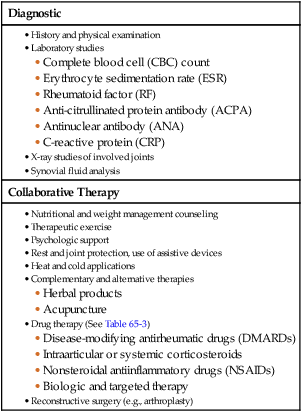
Connective tissue diseases require specific diagnostic tests to confirm the diagnosis, monitor disease activity, and guide treatment decisions. The following diagnostic tests are commonly used in the evaluation of individuals with connective tissue disease:
Antinuclear antibody (ANA) testing
ANA testing is performed to detect the presence of antibodies that target the cell nuclei. A positive ANA test can indicate the presence of an autoimmune condition, including connective tissue disease. However, it is important to note that a positive ANA test alone does not confirm a diagnosis and should be interpreted in conjunction with other clinical findings.
Rheumatoid factor (RF) testing
RF testing is primarily used to help diagnose rheumatoid arthritis and other rheumatologic conditions but may not be specific to connective tissue disease. Positive RF test results can suggest the presence of autoantibodies but should be correlated with other clinical and laboratory findings.
Complete blood count (CBC)
CBC provides valuable information about the overall blood status, including red blood cell count, white blood cell count, and platelet count. Abnormalities in these parameters can indicate underlying disease processes or complications associated with connective tissue disease.
Erythrocyte sedimentation rate (ESR)
ESR is a non-specific marker of inflammation commonly used in the evaluation of individuals with connective tissue disease. Elevated ESR levels may indicate ongoing inflammation or disease activity.
C-reactive protein (CRP) level
CRP is another marker of inflammation that can assist in monitoring disease activity. Similar to ESR, elevated CRP levels indicate the presence of inflammation.
Complement levels
Measurement of complement levels can provide additional information about the immune system’s involvement in connective tissue disease. Complement levels can be useful in differentiating between different types of connective tissue diseases, such as lupus and systemic sclerosis.
Anti-dsDNA antibody testing
Anti-dsDNA antibody testing is specific to systemic lupus erythematosus (SLE) and can be used to confirm the diagnosis and monitor disease activity. The presence of anti-dsDNA antibodies is associated with lupus nephritis and other systemic manifestations of the disease.
Skin biopsy
A skin biopsy may be performed in individuals with connective tissue disease to confirm a diagnosis or assess the severity of skin involvement. The biopsy involves the removal of a small piece of skin tissue for further examination under a microscope.
Pulmonary function tests (PFTs)
PFTs assess lung function and can help in evaluating respiratory involvement in individuals with connective tissue disease. These tests measure lung volumes, airway resistance, and gas exchange efficiency.
Electrocardiography (ECG)
ECG is a non-invasive test that measures the electrical activity of the heart. It can reveal any abnormalities in heart rhythm or conduction, providing valuable information about cardiovascular involvement in connective tissue disease.
It is important to note that these diagnostic tests are just a part of the diagnostic process, and diagnosis should always be made in conjunction with the individual’s clinical presentation and history.

Collaborative Treatment
Connective tissue disease often requires a multidisciplinary approach to treatment, involving various healthcare professionals working collaboratively to address the diverse needs of individuals. Nurses play a crucial role in coordinating and implementing the collaborative treatment plan. The following treatment modalities are commonly used in the management of connective tissue disease:
Medications
Medications are an integral part of the treatment plan for connective tissue disease. The choice of medication depends on the type and severity of the disease, as well as individual factors. For example, nonsteroidal anti-inflammatory drugs (NSAIDs) may be used for symptomatic relief of pain and inflammation. Disease-modifying antirheumatic drugs (DMARDs) or biologic agents may be prescribed to modify disease progression and suppress the immune system. Corticosteroids may be used for their anti-inflammatory and immunosuppressive effects. It is crucial for nurses to educate individuals about their medications, including potential side effects, and monitor for any adverse reactions.
Physical therapy and rehabilitation
Physical therapy and rehabilitation are essential components of connective tissue disease management, focusing on optimizing physical function, reducing pain, and preventing further disability. Physical therapists can develop individualized exercise programs to improve joint mobility, muscle strength, and overall physical function. Nurses should collaborate with physical therapists to ensure regular participation in prescribed exercise programs and monitor individuals’ progress.
Occupational therapy
Occupational therapy plays a vital role in helping individuals with connective tissue disease maintain independence and improve their ability to perform daily activities. Occupational therapists assist individuals in adapting their home and work environments, provide education about joint protection techniques, and recommend assistive devices to enhance functionality. Nurses should encourage individuals to actively participate in occupational therapy sessions and provide ongoing support and guidance.
Psychosocial support
Connective tissue disease can significantly impact an individual’s quality of life and emotional well-being. Nurses should identify and address psychosocial issues through active listening, empathetic communication, and providing resources for emotional support. Referrals to psychologists, social workers, or support groups may be necessary to help individuals cope with the emotional challenges associated with chronic illness.
Nutritional support
A well-balanced diet is essential for maintaining overall health and managing the symptoms of connective tissue disease. Nurses should collaborate with dietitians to develop individualized nutrition plans that meet the specific nutritional needs of individuals with connective tissue disease. Adequate intake of vitamins, minerals, and omega-3 fatty acids may be recommended to promote immune function and reduce inflammation.
Patient education
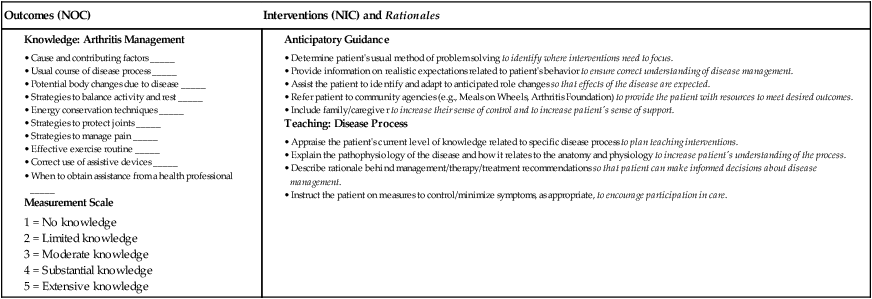
Patient education is crucial in empowering individuals with connective tissue disease to actively participate in self-care and make informed decisions about their health. Nurses should provide comprehensive education about the disease process, treatment options, medication management, symptom recognition, and self-management strategies. Ongoing education should be tailored to individual needs and reinforce the importance of adherence to treatment plans and regular follow-up care.
Surgery
In some cases, surgery may be necessary to manage complications or alleviate symptoms associated with connective tissue disease. Surgeries may include joint replacements, tendon repairs, or reconstructive surgeries for skin ulcers. Nurses play a vital role in preparing individuals for surgery, addressing preoperative and postoperative concerns, and collaborating with the surgical team to ensure optimal outcomes.
Skin Care
Assessment and management of skin involvement are critical aspects of nursing care for individuals with connective tissue disease. Proper skin care interventions can help maintain skin integrity, prevent complications, and support individuals’ emotional well-being. The following areas should be addressed when providing skin care:
Assessment and monitoring of skin integrity
Regular assessment of the skin is essential to detect any changes in skin condition and prevent complications. Nurses should evaluate skin color, temperature, moisture, and the presence of rashes or ulcers. Documentation of findings and measurements of ulcer size are essential for monitoring disease progression and the effectiveness of treatment interventions.
Prevention and management of skin ulcers
Individuals with connective tissue disease can develop skin ulcers due to impaired blood flow and compromised skin integrity. Nurses should emphasize the importance of preventing skin breakdown by promoting proper positioning, using pressure-reducing devices, and providing education on skin care techniques. For individuals who already have skin ulcers, nurses should implement appropriate wound care interventions, such as dressing changes and the use of specialized wound care products.
Wound care
Wound care for individuals with connective tissue disease should be tailored to the specific needs of each individual. Nurses should follow evidence-based guidelines for wound care, which may include gentle cleansing of the wound with a mild antiseptic solution, selecting appropriate dressings, and promoting an optimal wound healing environment. Regular assessment of the wound’s healing progress is essential to determine the effectiveness of the chosen interventions.
Topical treatments
Topical treatments can be used to manage skin symptoms associated with connective tissue disease. These may include corticosteroid creams to reduce inflammation, moisturizers to prevent dryness, or protective barriers to shield the skin from further damage. Nurses should educate individuals about the proper application of topical treatments and monitor for any adverse reactions.
Emotional support for body image issues
Connective tissue diseases can cause visible changes to the skin, such as rashes or ulcers, which may impact individuals’ self-esteem and body image. Nurses should provide emotional support by actively listening to individuals’ concerns, offering reassurance, and providing information about support services or counseling resources. Encouraging individuals to engage in self-care activities that promote relaxation and self-confidence can also be beneficial.
Pain Management
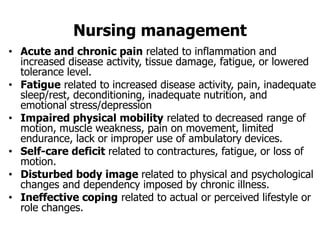
Pain is a common symptom experienced by individuals with connective tissue disease and can significantly impact their quality of life. Nurses should employ a comprehensive approach to pain management, which includes the following strategies:
Assessment of pain
A thorough assessment of pain is essential to determine its characteristics, location, intensity, and any exacerbating or alleviating factors. Nurses should use validated pain assessment tools and consider individual preferences in developing a pain management plan.
Non-pharmacological interventions
Non-pharmacological interventions can play a pivotal role in pain management. Nurses should educate individuals about relaxation techniques, guided imagery, heat or cold therapy, and transcutaneous electrical nerve stimulation (TENS). These interventions can be used as adjuncts to pharmacological treatments or as standalone approaches for mild pain.
Pharmacological interventions
Pharmacological interventions are often necessary for managing moderate to severe pain in individuals with connective tissue disease. Medications such as NSAIDs, opioids, or tramadol may be prescribed based on the severity and type of pain. Nurses should closely monitor individuals for the effectiveness of pain medications, potential adverse effects, and provide education on medication administration and side effect management.
Patient education on pain management
Education on pain management is crucial to enhance individuals’ understanding of their pain and empower them to actively participate in their care. Nurses should provide education on the proper use of pain medications, potential side effects, and when to seek medical assistance. Additionally, educating individuals about non-pharmacological pain management strategies, stress reduction techniques, and importance of adhering to a pain management plan can lead to improved pain control and overall quality of life.
Collaboration with pain management specialists
Complex pain management cases may require the expertise of pain management specialists. Nurses should collaborate with these specialists to ensure individuals receive the most appropriate and effective interventions. This collaboration may involve providing detailed pain assessments, coordinating consultations, and implementing treatment recommendations.
Managing Fatigue
Fatigue is a common symptom experienced by individuals with connective tissue disease and can significantly impact their daily functioning and quality of life. Nurses can play a crucial role in assisting individuals with fatigue management by utilizing the following strategies:
Assessment of fatigue
A comprehensive assessment of fatigue should be conducted to determine the severity, impact on daily activities, and potential underlying causes. Nurses should assess for factors that may contribute to fatigue, such as pain, poor sleep quality, anemia, or medication side effects.
Energy conservation techniques
Energy conservation techniques involve teaching individuals to pace their activities and prioritize tasks to prevent excessive fatigue. Nurses should educate individuals about energy-saving strategies, such as delegation, using adaptive equipment, or taking frequent rest breaks. Developing a schedule and establishing realistic goals can also help individuals manage their energy levels effectively.
Prioritization of activities
Nurses should work with individuals to identify their priorities and establish a balance between necessary activities and rest periods. This may involve minimizing non-essential activities, modifying work schedules, or seeking assistance from family members or healthcare professionals.
Rest and relaxation strategies
Rest and relaxation strategies play a crucial role in managing fatigue. Nurses can educate individuals about relaxation techniques, such as deep breathing exercises, meditation, or guided imagery. Encouraging individuals to engage in activities that promote relaxation, such as listening to calming music or taking warm baths, can also help alleviate fatigue.
Psychosocial support for coping with fatigue
Fatigue can have a profound impact on individuals’ emotional well-being and quality of life. Nurses should provide emotional support by actively listening to individuals’ concerns, offering reassurance, and facilitating access to support groups or counseling services. Encouraging individuals to share their experiences with others who may be going through similar challenges can provide validation and support.
Promoting Mobility
Maintaining mobility is essential for individuals with connective tissue disease to enhance their independence and overall quality of life. Nurses should focus on promoting mobility through the following strategies:
Assessment of mobility limitations
A comprehensive assessment of mobility limitations is crucial to identify individuals’ specific needs and determine appropriate interventions. Nurses should assess joint range of motion, muscle strength, gait, and balance to establish a baseline and monitor any changes. This assessment will guide the development of personalized exercise programs and interventions.
Physical activity and exercise recommendations
Regular physical activity and exercise are essential for maintaining joint mobility, muscle strength, and overall physical function. Nurses should work collaboratively with physical therapists and individuals to develop tailored exercise programs that take into account the individual’s abilities, preferences, and disease-specific considerations. Encouraging regular participation in physical activity and providing ongoing support can help individuals maintain or improve their mobility.
Joint protection techniques
Joint protection techniques are important for minimizing further damage to affected joints. Nurses should educate individuals on proper body mechanics, joint positioning, and the use of assistive devices or adaptive equipment. Implementing joint protection techniques in daily activities can help individuals preserve their joint function and reduce pain.
Assistive devices
Nurses should collaborate with physical and occupational therapists to determine the need for assistive devices, such as canes, walkers, or braces. These devices can help individuals maintain mobility, reduce the risk of falls, and promote independence. Nurses should provide education on the proper use and maintenance of assistive devices to ensure their safe and effective use.
Patient education on maintaining mobility
Patient education is paramount in promoting mobility. Nurses should provide information on the importance of physical activity, explain the benefits of maintaining joint mobility, and educate individuals about exercises they can incorporate into their daily routine. Emphasizing the importance of adherence to exercise programs and providing ongoing support and motivation can help individuals maintain their mobility and overall functional independence.
Respiratory Support
Respiratory involvement is a significant concern in connective tissue disease, and proactive respiratory support is crucial. Nurses should focus on the following areas to promote respiratory health:
Assessment of respiratory involvement
Regular assessment of respiratory involvement is necessary to detect early signs of respiratory complications. Nurses should monitor oxygen saturation levels, respiratory rate, and auscultate lung sounds regularly. Individuals should be educated on symptoms that may indicate worsening respiratory function, such as increased shortness of breath or chest pain, and prompted to report any changes promptly.
Monitoring respiratory function
In addition to regular assessments, specific respiratory function tests may be necessary to evaluate lung function objectively. Nurses should collaborate with respiratory therapists to coordinate pulmonary function tests, arterial blood gas analysis, or imaging studies as needed. Close monitoring of respiratory function will enable prompt intervention in case of respiratory deterioration.
Assistance with pulmonary hygiene
Connective tissue diseases can predispose individuals to respiratory complications, such as pneumonia or atelectasis, due to impaired cough reflexes or restricted lung function. Nurses should educate individuals about the importance of proper pulmonary hygiene techniques, such as deep breathing exercises, incentive spirometry, and effective coughing techniques. Encouraging individuals to maintain optimal hydration and mobilize frequently can also help prevent respiratory complications.
Administering respiratory medications
Nurses may be responsible for administering respiratory medications such as bronchodilators, corticosteroids, or immunosuppressants, as prescribed by the healthcare team. It is essential to educate individuals about the proper use of respiratory medications, potential side effects, and the importance of adhering to the prescribed regimen.
Collaboration with respiratory therapists
Respiratory therapists play a critical role in managing respiratory complications associated with connective tissue disease. Nurses should collaborate with respiratory therapists to develop comprehensive respiratory care plans, share assessment findings, and provide individualized interventions. This collaboration will help ensure proactive respiratory management and optimize patient outcomes.
Cardiovascular Care
Cardiovascular involvement in connective tissue disease can range from mild symptoms to life-threatening complications. Nurses must provide comprehensive cardiovascular care while keeping the individual’s specific needs in mind. The following aspects should be addressed:
Assessment of cardiovascular involvement
A thorough assessment of cardiovascular involvement is crucial in identifying potential complications and formulating appropriate interventions. Nurses should pay close attention to symptoms such as chest pain, palpitations, dyspnea, or edema. Regular monitoring of blood pressure, heart rate, and rhythm is essential to evaluate cardiovascular function.
Monitoring vital signs and cardiac function
Nurses should monitor vital signs, including blood pressure, heart rate, and rhythm, to detect any abnormalities that may indicate cardiovascular involvement. Additionally, regular assessment of peripheral pulses, capillary refill, and the presence of edema is necessary to evaluate cardiac function and tissue perfusion. Trending these parameters over time will help in identifying any changes and facilitating timely intervention.
Administering cardiovascular medications
Individuals with connective tissue disease may require medications to manage cardiovascular symptoms or prevent complications. Nurses should be knowledgeable about commonly prescribed cardiovascular medications and their indications, contraindications, and potential side effects. Administration of medications should be closely monitored, and individuals should be educated about adherence to the prescribed regimen and the importance of regular follow-up with the healthcare team.
Prevention and management of cardiovascular complications
Connective tissue disease can increase the risk of cardiovascular complications such as pericarditis, myocarditis, or vasculitis. Nurses should collaborate with the healthcare team to develop strategies for preventing or managing complications. This may include lifestyle modifications such as smoking cessation, blood pressure control, or cholesterol management. Educating individuals about signs and symptoms of potential complications can facilitate early recognition and intervention.
Collaboration with cardiologists
Connective tissue disease management often involves collaboration between nurses and cardiologists. Nurses should communicate closely with cardiologists to share assessment findings, follow-up on diagnostic tests, and implement treatment recommendations. Collaboration is essential to ensure a coordinated approach to cardiovascular care and optimize patient outcomes.
Neurological Considerations
Neurological involvement in connective tissue disease can manifest as various symptoms, such as neuropathy, cognitive impairment, or seizures. Nurses should focus on the following aspects to provide comprehensive neurological care:
Assessment of neurological involvement
Early detection and assessment of neurological involvement are crucial to prevent further complications. Nurses should conduct a thorough neurological assessment, including evaluation of sensation, movement, coordination, and cognitive function. Regular monitoring and documentation of any changes in neurological status are vital to detect disease progression or the development of new symptoms.
Monitoring neurological function
Nurses should monitor individuals for any changes in neurological function and promptly report any significant findings to the healthcare team. This may involve monitoring changes in cognitive function, assessing for the development of new weakness or numbness, or evaluating any changes in coordination or gait. Regular monitoring enables timely intervention and can help prevent permanent neurological damage.
Administering neurological medications
Individuals with connective tissue disease may require medications to manage neurological symptoms or prevent disease progression. Nurses should be familiar with neurological medications commonly prescribed, including immunosuppressants or antiepileptic drugs. Administration of medications should be closely monitored, and individuals should receive education on the importance of adherence to the prescribed regimen and potential side effects.
Supporting patients with neurological symptoms
Nurses should provide emotional support and resources for individuals experiencing neurological symptoms. These symptoms can significantly impact individuals’ quality of life and emotional well-being. Nurses should actively listen to individuals’ concerns, provide educational materials, and facilitate access to support groups or neurologists for additional support.
Collaboration with neurologists
Connective tissue disease management often requires collaboration between nurses and neurologists. Nurses should collaborate with neurologists to communicate assessment findings, follow-up on diagnostic tests, and implement treatment recommendations. This collaboration ensures a comprehensive neurological approach that addresses individual needs and optimizes patient outcomes.
In conclusion, nursing considerations for connective tissue disease require a comprehensive assessment, proactive management, and collaboration with healthcare professionals from various disciplines. Nurses play a vital role in providing holistic care that addresses the diverse needs of individuals with connective tissue disease. Through thorough assessment, coordination of diagnostic tests, implementation of collaborative treatment plans, and individualized support, nurses can help individuals achieve better health outcomes and an improved quality of life.