
Are you a nurse looking to expand your knowledge on hair care for your patients? Look no further! In this article, we will explore the nursing considerations and management strategies for hairdressing and hair care. Whether it’s assisting patients with hair washing, styling, or addressing scalp issues, we have got you covered. So, grab a cup of tea, sit back, and get ready to enhance your skills in providing holistic care to your patients’ hair and scalp.
Assessing the Patient’s Hair Care Needs
Assessing the patient’s hair type and texture
When it comes to providing effective hair care, it is essential to first assess the patient’s hair type and texture. This information will help determine the most suitable hair care products and techniques to use. For example, individuals with fine or brittle hair may require gentle cleansing and conditioning products to prevent further damage. On the other hand, those with oily hair may benefit from more frequent washings and the use of oil-control shampoos. By understanding the patient’s hair type and texture, you can tailor the care plan to meet their specific needs.
Identifying any hair and scalp conditions
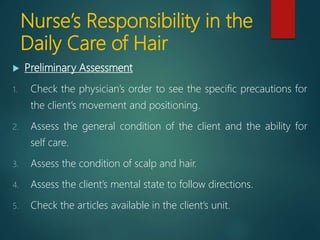
Another crucial aspect of assessing the patient’s hair care needs is identifying any existing hair and scalp conditions. Conditions such as dandruff, psoriasis, or eczema can significantly impact the choice of hair care products and techniques. Additionally, certain hair conditions like alopecia or thinning hair may require special attention and specific interventions. By thoroughly examining the patient’s scalp and hair, you can identify any conditions that may require further evaluation or treatment.
Assessing the patient’s hair care routine
To provide comprehensive care, it is necessary to assess the patient’s current hair care routine. Understanding their habits and practices will allow you to make appropriate recommendations or modifications to promote optimal hair health. It is important to ask questions about the frequency of washing, the use of styling products, and the maintenance of any hair treatments or coloring. This information will help you identify potential areas for improvement and educate the patient on proper hair care techniques.
Maintaining Hair Hygiene
Providing regular hair washing and drying
Maintaining proper hair hygiene is crucial for overall hair health. Regular washing and drying should be incorporated into the patient’s care plan, as it helps remove dirt, excess oils, and product build-up. It is important to suggest a suitable washing frequency based on the patient’s hair type and lifestyle. Additionally, proper drying techniques, such as using a gentle towel to absorb excess moisture or air-drying, should be advised to prevent hair damage.
Assisting with hair and scalp cleaning techniques
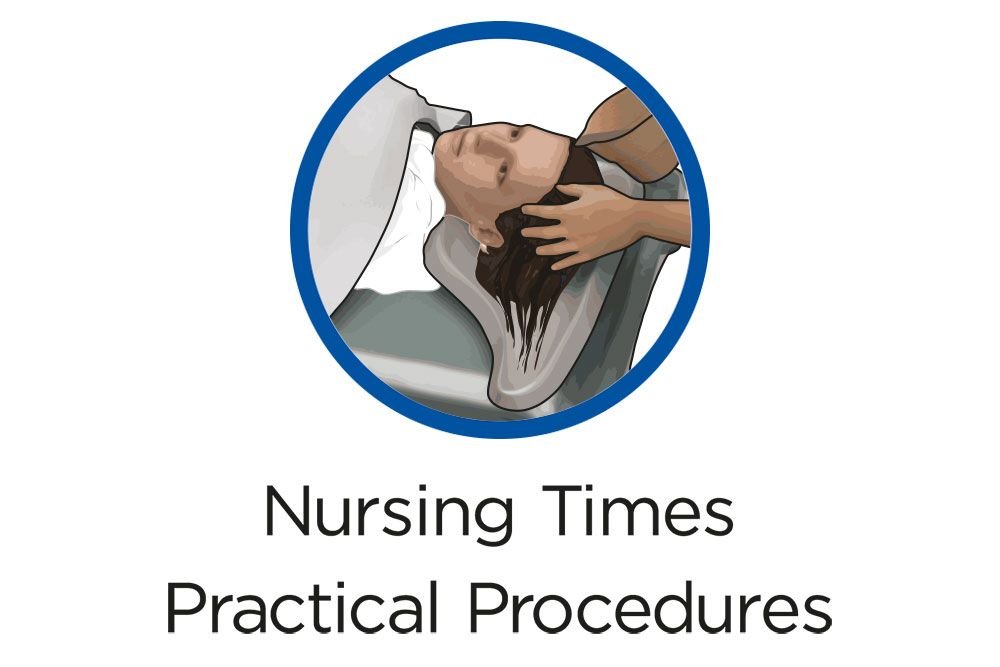
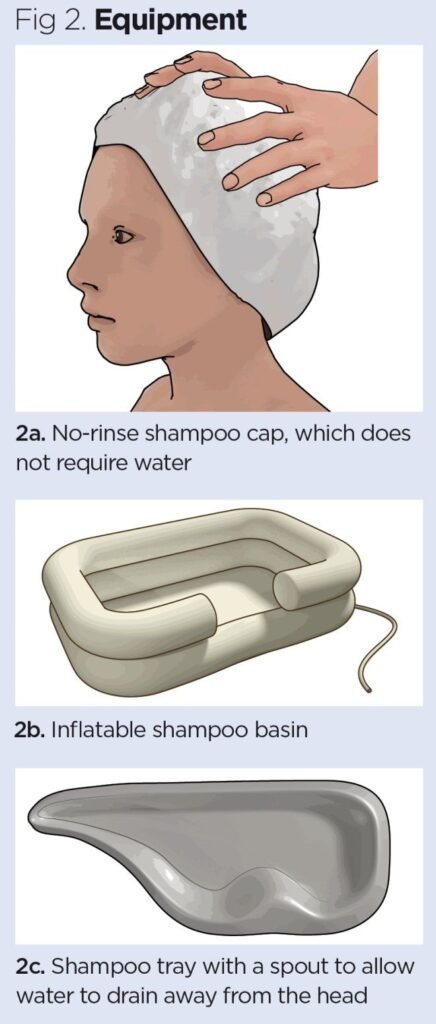
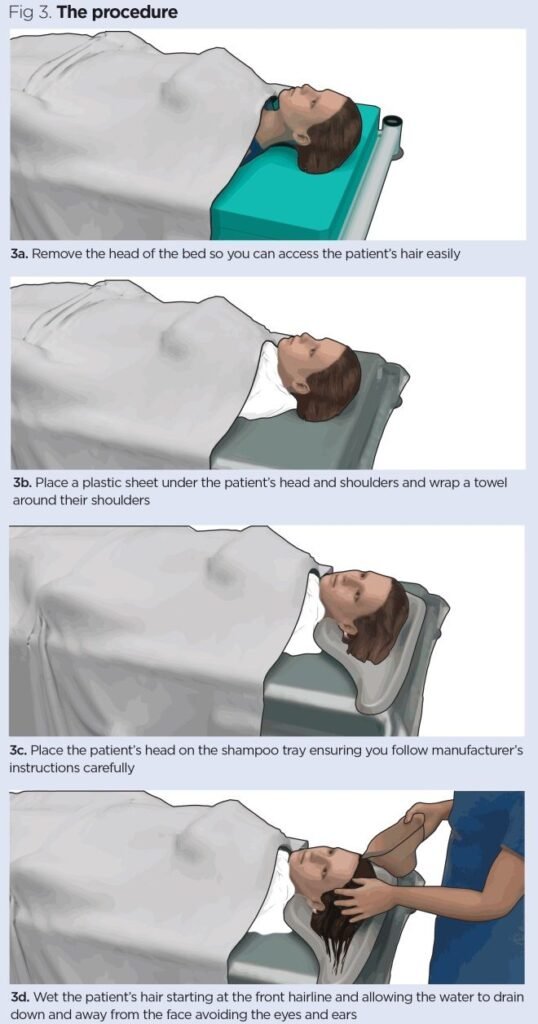
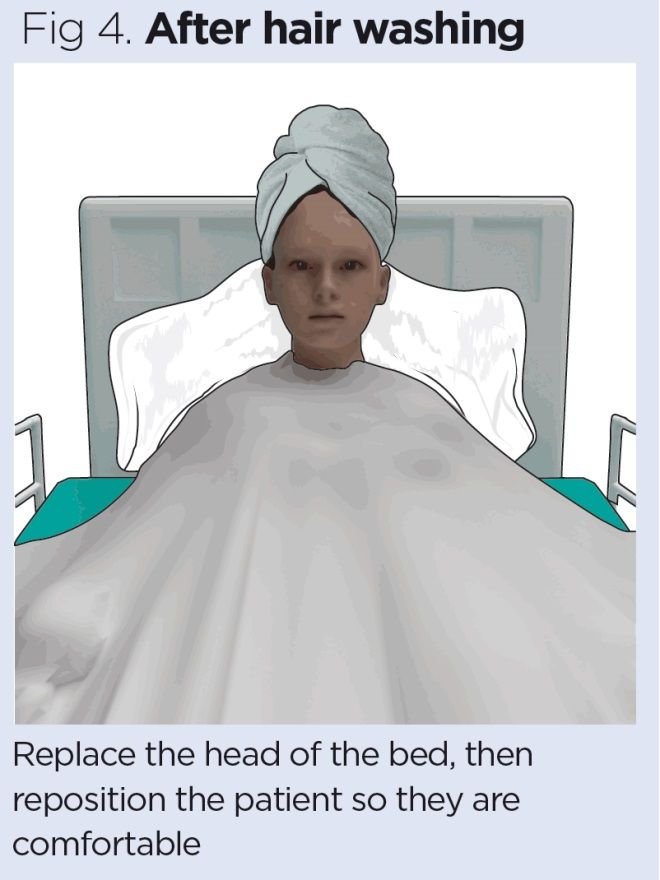
In some instances, patients may require assistance with cleaning their hair and scalp. This is particularly common in patients who are bedridden, have limited mobility, or suffer from physical impairments. As a healthcare provider, it is important to be knowledgeable about different hair cleaning techniques, such as using a basin, dry shampoo, or no-rinse cleansers. By providing guidance and assistance, you can ensure that patients with limited independence still receive proper hair care.
Promoting the use of appropriate hair care products
Choosing the right hair care products is essential for maintaining healthy hair. Patients should be educated on selecting products that match their hair type, address any specific concerns (such as dandruff or sensitive scalp), and are free from potentially harmful ingredients. It is important to recommend mild shampoos and conditioners that are suitable for daily use or advise specialized products when necessary. Additionally, reminding patients to avoid excessive heat styling and to protect their hair from environmental factors, such as sun exposure, will further promote healthy hair.
Preventing and Managing Hair and Scalp Conditions
Educating patients on preventive measures
Prevention is key when it comes to managing hair and scalp conditions. As a healthcare professional, it is important to educate patients on preventive measures to minimize the risk of developing common conditions. This may include teaching them proper hair washing techniques, advising against sharing hats or hair tools to prevent the spread of infections, and providing tips on maintaining a healthy diet and lifestyle to promote overall hair health. By empowering patients with knowledge, they can take proactive steps to avoid potential issues.
Monitoring for signs of hair or scalp infections
Regular monitoring and observation of the patient’s hair and scalp are essential to identify any signs of infection or other potential issues. Common signs of infection may include redness, swelling, itching, or the presence of pus or discharge. By closely monitoring the patient’s hair and scalp, you can promptly detect any changes and initiate appropriate interventions or referral to a healthcare provider as needed.
Administering prescribed medication for hair conditions
In some cases, patients may be prescribed medication or topical treatments to manage specific hair and scalp conditions. It is important for healthcare providers to have a good understanding of these medications in order to properly administer them. This may involve instructing patients on the correct application technique, ensuring proper dosage adherence, and monitoring for any potential side effects. By effectively managing prescribed medication, you can help alleviate symptoms and promote the healing of hair and scalp conditions.
Ensuring Safe Hair Styling Practices
Evaluating the patient’s hair styling preferences
Hair styling plays a significant role in an individual’s self-image and self-esteem. Therefore, it is important to evaluate and understand the patient’s hair styling preferences. This will help you recommend suitable styles that meet their desired aesthetic while also taking into consideration their hair type and any potential limitations. By involving patients in the decision-making process, you can ensure they feel confident and satisfied with the final result.
Providing guidance on suitable hairstyles
Hair styling should not only be about aesthetics but also about maintaining hair health. Providing guidance on suitable hairstyles is essential to prevent excessive tension, breakage, or damage to the hair. This may involve suggesting hairstyles that minimize the use of heat styling tools, advising on proper hair parting techniques, or recommending protective styles such as braids or buns. By promoting safe and healthy styling practices, you can help maintain the integrity of the patient’s hair.
Ensuring proper use of hair styling tools and equipment
Hair styling tools and equipment, such as flat irons, curling irons, or hair dryers, can cause damage if not used correctly. It is crucial to educate patients on the proper use of these tools to mitigate the risk of heat damage, burns, or hair breakage. Offering guidance on temperature settings, duration of use, and the use of heat protectants can help ensure the patient achieves their desired style without compromising hair health.
Dealing with Hair Loss and Thinning
Assessing the underlying causes for hair loss
Hair loss and thinning can have various underlying causes, such as genetics, hormonal imbalances, nutritional deficiencies, or medical conditions. As a healthcare provider, conducting a thorough assessment of the patient’s medical history, lifestyle, and any recent changes can help identify potential causes for the hair loss. This will inform the appropriate interventions and treatments to address the underlying issue.
Implementing appropriate interventions
Once the underlying causes for hair loss or thinning have been identified, appropriate interventions can be implemented. These may include recommending specific hair care products, suggesting dietary or lifestyle changes, or referring the patient to a dermatologist or trichologist for further evaluation and treatment. It is important to provide patients with clear instructions and support throughout the process to ensure optimal hair health.
Providing emotional support and counseling
Hair loss can have a significant impact on a patient’s self-esteem and emotional well-being. It is important to provide emotional support and counseling to patients experiencing hair loss or thinning. This may involve discussing the emotional aspects of hair loss, suggesting coping mechanisms, or referring patients to support groups or counseling services. By addressing the emotional impact of hair loss, you can help patients navigate this challenging experience with resilience and self-acceptance.
Addressing Cultural and Religious Hair Care Practices
Respecting and accommodating diverse cultural practices
Hair care practices can vary greatly across different cultures, and it is essential to respect and accommodate these practices when providing care. This may involve familiarizing yourself with cultural norms regarding hair care, hairstyles, and hair treatments. By demonstrating cultural sensitivity and understanding, you can build trust and rapport with patients from diverse backgrounds.
Understanding specific religious hair care requirements
Religious beliefs and practices can also influence hair care requirements. Some religious traditions may have specific guidelines or restrictions regarding hair washing, covering, or styling. By seeking to understand and respect these requirements, you can ensure that patients’ religious beliefs are honored while providing appropriate and effective care.
Collaborating with religious leaders or experts if needed
In situations where specific religious hair care practices are complex or require specialized knowledge, it may be beneficial to collaborate with religious leaders or experts. This can help bridge any gaps in understanding and provide the most appropriate care for the patient. By working together, healthcare providers and religious leaders can ensure that the patient’s religious and cultural needs are met.
Incorporating Patient Preferences and Comfort
Communicating with patients about their hair care preferences
Incorporating patient preferences and comfort into their hair care plan is crucial for promoting patient satisfaction and compliance. Taking the time to communicate with patients about their preferences, such as desired hairstyles or product choices, allows for a more individualized approach. This helps create a sense of partnership in their care and ensures that their personal needs and desires are respected.
Individualizing care to meet patient’s comfort level
Every patient is unique, and their comfort level with different hair care practices may vary. Some patients may have physical discomfort or sensory sensitivities that need to be considered when providing care. Adapting techniques, such as using gentler touch or adjusting washing routines, can help accommodate the patient’s comfort level and enhance their overall experience.
Considering cultural, religious, and personal preferences
In addition to patient preferences, it is vital to consider cultural, religious, and personal factors when individualizing care. Some patients may have specific preferences due to their cultural background or religious beliefs. Taking these factors into account helps create a care plan that supports the patient’s values and respects their individuality.
Working with Special Populations
Adapting hair care techniques for pediatric patients
Caring for the hair of pediatric patients requires special considerations and adaptations. Children may have different hair care needs based on their age, hair texture, and developmental stage. It is important to use age-appropriate hair care techniques, such as using tear-free shampoos, ensuring adequate supervision during hair washing, and using suitable accessories for styling. Additionally, providing education and involving parents or caregivers in the hair care routine can promote good hair hygiene practices.
Addressing specific hair care needs of elderly patients
As individuals age, their hair and scalp can undergo changes, such as thinning, dryness, or increased fragility. Elderly patients may require specialized interventions and support to maintain hair health. This may include recommending gentle cleansing products, providing hydration and nourishment through conditioners or oils, and suggesting protective hairstyles to prevent breakage. Regular monitoring and assessments can help identify any age-related hair or scalp conditions early on for timely intervention.
Considerations for patients with disabilities or impairments
Patients with disabilities or impairments may face unique challenges when it comes to hair care. It is important to assess the patient’s level of independence and provide appropriate assistance or adaptations to meet their specific needs. This may involve using adaptive tools, adjusting techniques for patients with limited mobility, or involving caregivers in the hair care routine. By offering tailored support, patients with disabilities or impairments can maintain good hair hygiene and feel confident.
Collaborating with Hairdressers and Stylists
Establishing partnerships with professional hairdressers
Collaborating with professional hairdressers and stylists can enhance the care provided to patients. By establishing partnerships, healthcare providers can consult with experts in hair styling and treatments to ensure optimal outcomes for patients. Regular communication with hairdressers can also facilitate the exchange of information on the patient’s condition, hair care preferences, and specific needs.
Sharing essential patient information with hairdressers
Sharing pertinent patient information with hairdressers is essential for delivering comprehensive care. This information may include any ongoing hair or scalp conditions, allergies, sensitivities, or specific recommendations regarding hair products or styling preferences. Open and transparent communication between healthcare providers and hairdressers ensures that the patient receives consistent, personalized care both at home and during salon visits.
Providing guidance on hair care during salon visits
Salon visits can be an opportunity to further promote hair health and educate patients on proper hair care practices. Healthcare providers can provide guidance to patients about potential risks, such as excessive heat, harsh chemicals, or overly tight hairstyles. Recommending regular trims, avoiding excessive manipulation, or suggesting appropriate hair treatments can help patients maintain their overall hair care routine while enjoying a salon experience.
Educating Patients and Caregivers
Teaching patients and caregivers hair care techniques
One of the fundamental roles of a healthcare provider is to educate patients and their caregivers on proper hair care techniques. This involves demonstrating how to wash and condition hair correctly, emphasizing the importance of regular scalp cleansing, and teaching gentle brushing or combing techniques. By empowering patients and caregivers with the necessary knowledge and skills, they can confidently continue their hair care routine at home.
Providing written instructions for home hair care
In addition to verbal instructions, providing written instructions can serve as a valuable reference for patients and caregivers. This allows them to review the care plan and follow the recommended practices independently. Written instructions can include step-by-step guides for washing, drying, and styling hair, as well as information on suitable products and any specific considerations or precautions.
Offering resources for further education and support
Hair care is a lifelong journey, and patients may benefit from additional resources for further education and support. Providing patients with reputable sources of information, such as websites, books, or support groups, can help them deepen their understanding of hair care and connect with others who may share similar experiences. By fostering an ongoing learning process, patients can continue to make informed decisions about their hair health.
In conclusion, nursing considerations for hairdressing and hair care encompass a range of assessments, interventions, and collaborations to address the unique needs of patients. By assessing hair type, identifying any conditions, and understanding patients’ preferences, healthcare providers can develop individualized care plans to maintain hair hygiene and address specific concerns. Additionally, addressing factors such as hair loss, cultural requirements, and patient comfort contributes to comprehensive and patient-centered care. Collaboration with hairdressers, educating patients and caregivers, and providing additional resources further support the ongoing management and education in hair care practices. With these considerations in mind, healthcare providers can promote healthy hair and positively impact the overall well-being of their patients.