
In this article, we will explore important nursing considerations for Lyme Disease. From assessing symptoms to implementing treatment plans, nurses play a vital role in the care and management of patients with this tick-borne illness. We will discuss the key aspects that nurses need to be aware of when it comes to the prevention, diagnosis, and treatment of Lyme Disease, as well as the support and education they can provide to patients and their families throughout the journey of recovery. Join us as we uncover the essential nursing considerations for Lyme Disease and how nurses can make a difference in the lives of those affected by this challenging condition.

Assessment
Patient History
When conducting a patient assessment for Lyme disease, it is important to gather a detailed patient history. Begin by asking about any recent outdoor activities, such as hiking or camping, as tick bites are the primary mode of transmission for this disease. Inquire about any symptoms the patient may be experiencing, such as rash, fever, fatigue, or joint pain. Ask about previous diagnoses or treatments for Lyme disease or tick-borne illnesses. Additionally, assess the patient’s medical and travel history to identify any potential risk factors or exposure to ticks.
Physical Examination
During the physical examination, focus on identifying any characteristic signs of Lyme disease. Inspect the skin for the presence of a bull’s-eye rash, known as erythema migrans. This rash typically appears at the site of the tick bite and gradually expands. Palpate the patient’s joints for any tenderness or swelling, as Lyme disease can cause arthritis-like symptoms. Assess the lymph nodes for enlargement, as this may indicate an active infection. Additionally, listen to the patient’s heart and lungs and perform a neurological examination to identify any cardiac or neurological manifestations of Lyme disease.
Diagnostic Tests
To confirm a diagnosis of Lyme disease, specific diagnostic tests may be necessary. The most commonly used test is the enzyme immunoassay (EIA), which detects the presence of antibodies to the bacteria that causes Lyme disease. If the EIA is positive or equivocal, a second test called the Western blot can be performed to confirm the diagnosis. It is important to note that these tests may not always detect early-stage Lyme disease, as it takes time for the body to produce enough antibodies. In some cases, additional tests such as polymerase chain reaction (PCR) or culture may be ordered to directly detect the presence of the bacteria.
Diagnosis
Clinical Criteria
The diagnosis of Lyme disease is primarily based on clinical criteria, including both the patient’s symptoms and their exposure to ticks. The presence of an erythema migrans rash is highly indicative of Lyme disease, especially in areas where it is endemic. Other common symptoms include fever, fatigue, muscle and joint aches, and swollen lymph nodes. However, it is important to note that not all patients will develop the characteristic rash, and symptoms can vary widely from person to person. Therefore, a thorough assessment of the patient’s history and physical examination is crucial in making an accurate diagnosis.
Laboratory Criteria
Laboratory testing can support the clinical diagnosis of Lyme disease. As mentioned earlier, the enzyme immunoassay (EIA) and Western blot tests are commonly used to detect antibodies against the bacteria that causes Lyme disease. A positive or equivocal result on the EIA should be followed by a Western blot test for confirmation. However, it is important to interpret these tests in conjunction with the patient’s clinical presentation, as false positives and false negatives can occur. Additionally, in cases where the diagnosis is uncertain, other tests such as polymerase chain reaction (PCR) or culture may be used to directly detect the presence of the bacteria.
Treatment
Antibiotic Therapy
The primary treatment for Lyme disease is antibiotic therapy. The choice of antibiotics and duration of treatment depends on the stage of the disease and the patient’s age and overall health. For early localized or early disseminated Lyme disease, oral antibiotics such as doxycycline, amoxicillin, or cefuroxime axetil are commonly prescribed. These antibiotics are effective in eliminating the bacteria and preventing further complications. In cases of late-stage Lyme disease or certain neurological manifestations, intravenous antibiotics may be necessary to achieve adequate tissue penetration. It is important to educate the patient on the importance of completing the full course of antibiotics as prescribed.
Antimicrobial Therapy
In some cases, Lyme disease treatment may involve additional antimicrobial therapy to target co-infections or complications. Co-infections such as babesiosis or anaplasmosis may require specific antibiotics to address the underlying infection. Additionally, if the patient develops complications such as arthritis or neurological symptoms, adjunctive therapy with corticosteroids or nonsteroidal anti-inflammatory drugs (NSAIDs) may be recommended to manage inflammation and pain. The specific choice of antimicrobial or adjunctive therapy should be based on the patient’s individual needs and response to treatment.
Pain Management
Pain management is an important aspect of Lyme disease treatment, particularly in cases where the patient experiences joint or muscle pain. Nonsteroidal anti-inflammatory drugs (NSAIDs) such as ibuprofen or naproxen can be used to alleviate pain and reduce inflammation. In more severe cases, corticosteroids may be prescribed for their potent anti-inflammatory effects. It is essential to closely monitor the patient’s response to pain management interventions and adjust the treatment plan as necessary to ensure optimal pain relief.
Symptom Relief
In addition to pain management, other symptomatic relief measures can be implemented to improve the patient’s quality of life during Lyme disease treatment. For example, if the patient experiences fever or flu-like symptoms, over-the-counter medications such as acetaminophen or ibuprofen can help reduce fever and alleviate discomfort. Adequate hydration and rest are also crucial for supporting the body’s immune response and promoting overall well-being. Nurses should provide comprehensive education to the patient on self-care strategies for symptom relief and monitor their progress throughout the treatment process.
Education and Prevention
Patient Education
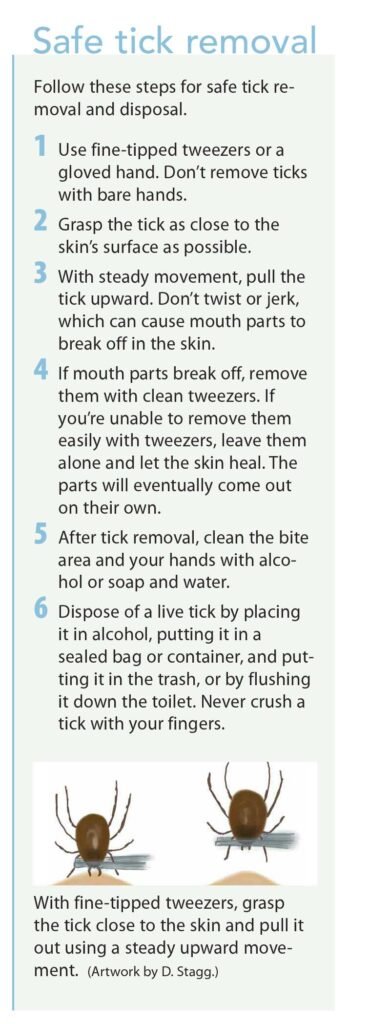
Patient education plays a vital role in the management and prevention of Lyme disease. Nurses should provide patients with information on the signs and symptoms of Lyme disease, emphasizing the importance of early detection and treatment. Patients should be educated on the proper removal of ticks and the need for prompt medical evaluation if a tick is found or if symptoms develop. It is also important to educate patients on the limitations of diagnostic tests, as false negatives can occur, particularly in the early stages of the disease. By equipping patients with accurate and reliable information, nurses can empower them to take proactive measures to protect their health.
Tick Bite Prevention
Prevention is key in reducing the incidence of Lyme disease. Nurses can play a crucial role in educating patients on effective tick bite prevention strategies. This includes wearing protective clothing, such as long sleeves and pants, when in wooded or grassy areas, using insect repellents that contain DEET, and performing regular tick checks on themselves, their children, and their pets. Additionally, patients should be advised to avoid walking through tall grass or bushes and to stay on designated trails when hiking. By promoting awareness of preventive measures, nurses can help patients minimize their risk of tick bites and subsequent Lyme disease infection.
Promoting Awareness
Nurses have the opportunity to promote Lyme disease awareness not only among their patients but also within the community. This can be done through various channels, such as organizing community events or health fairs to provide information on Lyme disease prevention and early detection. Nurses can also collaborate with local schools and outdoor organizations to develop educational programs aimed at children and their families. By actively engaging in community outreach and education, nurses can contribute to a greater understanding of Lyme disease and its prevention.

Collaborative Management
Interdisciplinary Collaboration
Lyme disease management often requires collaboration among various healthcare professionals. Nurses should work closely with physicians, nurse practitioners, and other members of the healthcare team to ensure comprehensive care for patients. This collaboration may involve regular communication regarding the patient’s progress, sharing of relevant information and test results, and coordination of treatment plans. By fostering effective interdisciplinary collaboration, nurses can enhance patient outcomes and promote a cohesive approach to Lyme disease management.
Referral to Specialists
In complex cases or when specific complications arise, referral to specialists may be necessary. This may include infectious disease specialists, rheumatologists, neurologists, or other healthcare professionals with expertise in managing Lyme disease and its associated manifestations. Nurses should advocate for timely referrals and ensure that patients receive appropriate and specialized care. Ongoing collaboration with specialists is essential to achieve optimal outcomes and address the unique needs of each patient.
Monitoring and Evaluation
Assessing Treatment Response
Regular monitoring and evaluation of the patient’s treatment response is essential in managing Lyme disease. Nurses should assess the patient’s symptoms, such as rash resolution, reduction in joint pain, and improvement in overall well-being. Laboratory tests, such as repeated EIA and Western blot tests, may be used to evaluate the patient’s immune response and confirm treatment success. By closely monitoring the patient’s progress, nurses can identify any potential complications or treatment failures and intervene accordingly.
Monitoring for Complications
While most cases of Lyme disease can be effectively managed with appropriate treatment, complications can occur in some individuals. Nurses should be vigilant in monitoring for potential complications, such as persistent joint pain, neurological abnormalities, or cardiac manifestations. Regular assessments of joint function, neurological status, and cardiac function can help detect and address complications in a timely manner. Nurses should ensure prompt communication with healthcare providers if any concerning signs or symptoms arise.
Follow-up Care
Follow-up care is crucial in Lyme disease management to ensure continued monitoring and support for the patient. Nurses should schedule regular follow-up appointments to evaluate the patient’s progress, address any ongoing symptoms or concerns, and provide ongoing education and support. Follow-up care also allows for the detection of any potential relapse or reinfection, which may require modifications to the treatment plan. By providing consistent and comprehensive follow-up care, nurses can contribute to positive patient outcomes.

Care Coordination
Developing a Care Plan
Effective care coordination is essential in managing Lyme disease and its associated complexities. Nurses should take the lead in developing a comprehensive care plan that addresses the patient’s individual needs and goals. This care plan should incorporate input from all members of the healthcare team and include interventions for antibiotic therapy, pain management, symptomatic relief, and supportive care. The care plan should also outline the frequency and duration of follow-up appointments, as well as any necessary referrals to specialists. By developing a well-coordinated care plan, nurses can ensure that the patient receives holistic and individualized care.
Coordination with Other Healthcare Providers
Lyme disease management often involves multiple healthcare providers, including primary care physicians, infectious disease specialists, and other specialists as needed. Nurses play a crucial role in facilitating communication and coordination among these providers to ensure seamless and efficient care. This may involve regular updates on the patient’s progress, sharing of relevant medical records and test results, and communication regarding treatment modifications or referrals. By serving as a central point of contact, nurses can enhance collaboration and ensure that all healthcare providers are working together to meet the patient’s needs.
Patient Advocacy
As patient advocates, nurses should prioritize the patient’s wellbeing and ensure that their rights and preferences are respected throughout the course of Lyme disease management. This may involve advocating for timely access to care, appropriate referrals to specialists, and supportive services such as physical therapy or counseling. Nurses should work closely with the patient to understand their goals, concerns, and preferences, and advocate on their behalf to ensure their voice is heard within the healthcare system.
Psychosocial Support
Addressing Emotional Impact
Lyme disease can have a significant emotional impact on patients and their families. Nurses should be attentive to the emotional needs of patients and provide a supportive and empathetic environment. This may involve actively listening to their concerns, offering reassurance and validation, and providing appropriate resources for coping with the psychological aspects of the disease. Nurses should be knowledgeable about available support groups, counseling services, and other psychosocial interventions that can help patients navigate the emotional challenges of living with Lyme disease.
Supporting Patient and Family
Lyme disease not only affects the patient but also has an impact on their family members and caregivers. Nurses should provide educational and emotional support to both the patient and their loved ones. This may include facilitating family meetings, discussing the impact of the disease on family dynamics, and providing strategies for promoting family well-being. Additionally, nurses should encourage open communication among family members to foster understanding and strengthen the support network. By addressing the needs of both the patient and their family, nurses can promote holistic care and help mitigate the psychosocial impact of Lyme disease.
Referral to Mental Health Professionals
In some cases, the emotional impact of Lyme disease may require specialized mental health interventions. Nurses should be prepared to identify and address mental health concerns and make appropriate referrals as needed. This may include referrals to psychologists, psychiatrists, or licensed counselors who have expertise in treating individuals with chronic illnesses or managing the psychological effects of Lyme disease. By facilitating access to mental health professionals, nurses can ensure that patients receive comprehensive care that addresses both their physical and emotional well-being.

Infection Control
Isolation Precautions
Lyme disease is not transmitted from person to person; however, nurses should still follow appropriate infection control measures when caring for patients with active infections. Standard precautions, including hand hygiene and the use of personal protective equipment (PPE) such as gloves and gowns, should be adhered to when in contact with body fluids or contaminated items. Additionally, proper disposal of contaminated items and adherence to safe work practices are essential in preventing the spread of infection within healthcare settings.
Preventing Transmission
While Lyme disease is primarily transmitted through tick bites, patients can still carry live ticks on their clothing or belongings. Nurses should educate patients on preventive measures to minimize the risk of tick exposure to others. This includes laundering clothing at high temperatures, conducting thorough tick checks after spending time outdoors, and using appropriate insect repellents. By promoting these preventive measures, nurses can help reduce the risk of secondary transmission within the community.
Safe Handling of Specimens
When handling specimens for diagnostic testing, nurses should follow established protocols for safe specimen collection, transport, and processing. This includes using appropriate barriers, such as gloves and laboratory coats, to minimize the risk of exposure to infectious materials. Specimens should be properly labeled and transported in leak-proof containers to prevent contamination. Nurses should also educate patients on the importance of providing accurate and timely specimens for diagnostic testing and provide clear instructions on specimen collection to ensure accurate results.
Research and Evidence-Based Practice
Staying Up to Date
As healthcare professionals, nurses should stay abreast of current research and evidence-based practices in Lyme disease management. This includes regularly reviewing current literature, attending continuing education seminars, and staying connected with professional organizations and networks. By staying up to date, nurses can provide the most current and evidence-based care to their patients, ensuring optimal outcomes and adherence to best practices.
Contributing to Research
Nurses have the opportunity to contribute to the field of Lyme disease research through their clinical practice and involvement in quality improvement initiatives. This may include participating in data collection for research studies, implementing evidence-based protocols or guidelines within their healthcare organizations, or collaborating with researchers to identify areas for improvement. By actively engaging in research and quality improvement initiatives, nurses can help advance the field of Lyme disease management and contribute to the development of evidence-based practices.