
Imagine a world where you could go about your day, free from the debilitating pain and discomfort of migraines and headaches. Well, the good news is that nurses play a crucial role in managing and caring for individuals experiencing these conditions. In this article, we will explore the nursing considerations and management strategies that can help alleviate the suffering caused by migraines and headaches. From assessment and diagnosis to treatment options and prevention, join us on a journey of compassionate care and learn how nurses can make a significant difference in the lives of those affected by these chronic conditions. Let’s dive in and discover the nursing interventions and support that can enable individuals to reclaim control over their lives and find relief from the gripping grasp of migraines and headaches.

Assessment
Assessing a patient with headaches or migraines is crucial in order to develop an effective care plan. The assessment process involves a thorough history taking and physical examination.
History taking
Taking a detailed history is the first step in understanding the patient’s symptoms and potential triggers of their headaches. Some key points to consider include the onset and duration of the headaches, the location and quality of the pain, any associated symptoms, such as nausea or visual disturbances, and any alleviating or aggravating factors. Additionally, it is important to inquire about the patient’s medical history, family history of headaches, and any previous treatments or interventions tried. Understanding the patient’s lifestyle and stress levels can also provide valuable insights into potential triggers.
Physical examination
A comprehensive physical examination is necessary to rule out any underlying conditions that may be contributing to the headaches. The examination should include assessment of vital signs, a thorough neurological assessment, and examination of the head, neck, and sinuses. This can help identify any abnormalities that may require further investigation or specialized care.
Differential Diagnosis
The differential diagnosis for headaches is broad, and it is important to consider various possibilities in order to provide appropriate care. Some common types of headaches that should be considered include tension-type headaches, cluster headaches, sinus headaches, medication overuse headaches, and migraines.
Tension-type headache
Tension-type headaches are characterized by a dull, tightening pain that is often bilateral and may be accompanied by muscle tension in the neck and scalp. These headaches are commonly associated with stress and anxiety.
Cluster headache
Cluster headaches are extremely severe and typically occur in cyclical patterns, with periods of frequent attacks followed by periods of remission. They are often characterized by intense, unilateral pain around the eye or temple, along with other symptoms such as redness or tearing of the eye, nasal congestion, and restlessness.
Sinus headache
Sinus headaches are often caused by inflammation or infection of the sinuses and are characterized by pain and pressure in the face, particularly around the forehead, cheeks, and eyes. Other symptoms may include nasal congestion, discharge, or a decreased sense of smell.
Medication overuse headache
Medication overuse headaches occur as a result of frequent and excessive use of acute headache medications. These headaches typically occur daily or nearly every day and may resemble tension-type headaches or migraines.
Migraine
Migraines are characterized by moderate to severe pulsating or throbbing pain, typically on one side of the head. They are often accompanied by nausea, vomiting, and sensitivity to light and sound. Migraines can be further classified into various subtypes, such as migraine with or without aura, menstrual migraines, and chronic migraines.
Diagnostic Tests
Diagnostic tests are often necessary to confirm a diagnosis or ruling out other potential causes of headaches. Some common diagnostic tests that may be ordered include a complete blood count (CBC), electrolyte levels, imaging studies such as a CT scan or MRI, and lumbar puncture.
Complete blood count (CBC)
A CBC can provide valuable information about the patient’s overall health and rule out other underlying conditions that may be causing the headaches.
Electrolyte levels
Imbalances in electrolyte levels can sometimes contribute to headaches. Monitoring electrolyte levels can help identify and address any deficiencies or imbalances.
Imaging Studies (CT scan, MRI)
Imaging studies such as a CT scan or MRI can help identify any structural abnormalities or lesions in the brain that may be causing the headaches.
Lumbar puncture
A lumbar puncture, also known as a spinal tap, involves collecting a sample of cerebrospinal fluid to evaluate for any signs of infection or other abnormalities that may be causing the headaches.
Medication Management
Medication management plays a key role in the treatment of headaches and migraines. There are both abortive medications, which are taken at the onset of a headache to relieve symptoms, and preventive medications, which are taken regularly to reduce the frequency and severity of headaches.
Abortive medications
Abortive medications, such as triptans and nonsteroidal anti-inflammatory drugs (NSAIDs), are commonly used to treat acute migraine attacks. Triptans work by constricting blood vessels and blocking pain pathways in the brain, while NSAIDs help reduce inflammation and relieve pain.
Triptans
Triptans are a specific class of medications that target the serotonin receptors in the brain to relieve migraine symptoms. They come in various forms, such as tablets, nasal sprays, and injections, and can be effective in treating moderate to severe migraines.
Nonsteroidal anti-inflammatory drugs (NSAIDs)
NSAIDs, such as ibuprofen or naproxen, can be effective in relieving mild to moderate migraines by reducing inflammation and pain. They are readily available over-the-counter and can be taken at the onset of a migraine.
Ergot alkaloids
Ergot alkaloids, such as ergotamine, are another class of medications that can be used to treat migraines. They work by constricting blood vessels and can be effective in relieving moderate to severe migraine symptoms. However, they should be used with caution and under medical supervision due to potential side effects.
Preventive medications
For individuals who experience frequent or chronic migraines, preventive medications may be prescribed to reduce the frequency and severity of headaches.
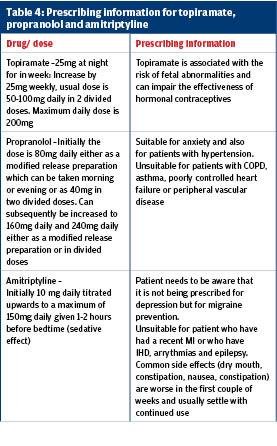
Beta blockers
Beta blockers, commonly used to treat high blood pressure, can also be effective in preventing migraines. They work by slowing down the heart rate and reducing blood pressure, which can help prevent the onset of migraines.
Antidepressants
Some antidepressant medications, such as amitriptyline or venlafaxine, have been found to be effective in preventing migraines. These medications can help regulate serotonin levels in the brain and reduce the frequency and severity of headaches.
Antiepileptic drugs
Certain antiepileptic drugs, such as topiramate or valproate, have also been shown to be effective in preventing migraines. These medications work by stabilizing electrical activity in the brain and can help reduce the frequency of migraine attacks.

Non-pharmacological Interventions
In addition to medication management, non-pharmacological interventions can play a significant role in managing headaches and migraines.
Lifestyle modifications
Making certain lifestyle modifications can help reduce the frequency and severity of headaches. This may include ensuring regular sleep patterns, maintaining a healthy diet, staying hydrated, and avoiding trigger factors such as certain foods, caffeine, or alcohol.
Stress management techniques
Stress is a common trigger for headaches, and managing stress effectively can help prevent or minimize the frequency of headaches. Encouraging patients to engage in stress-reducing activities such as yoga, meditation, or deep breathing exercises can be beneficial.
Relaxation exercises
Teaching relaxation exercises, such as progressive muscle relaxation or guided imagery, can help patients manage pain and reduce the impact of headaches.
Biofeedback
Biofeedback is a technique that helps individuals learn to control certain bodily functions, such as heart rate or muscle tension, which can help alleviate or prevent headaches. This can be done through the use of specialized equipment or smartphone applications.
Acupuncture
Acupuncture involves the insertion of fine needles into specific points on the body, and it has been found to be effective in reducing the frequency and severity of migraines for some individuals.
Physical therapy
Physical therapy, particularly focusing on the neck and shoulder muscles, can help relieve tension and reduce the frequency of tension-type headaches.
Patient Education
Educating patients about their condition and empowering them to take an active role in their care is essential for successful headache management.
Triggers identification and avoidance
Helping patients identify potential triggers for their headaches, such as certain foods or environmental factors, can help them make informed choices and avoid these triggers when possible.
Migraine diary
Encouraging patients to keep a migraine diary can help identify patterns and triggers for their headaches. This can include recording the time and duration of headaches, associated symptoms, potential triggers, and the efficacy of different treatment strategies.
Medication adherence
Ensuring patients understand the importance of taking their medications as prescribed and addressing any concerns or side effects is crucial for effective headache management.
Recognizing early signs of a headache
Teaching patients to recognize the early signs of a headache can help them take prompt action and potentially prevent the headache from becoming severe.
Seeking prompt medical care
It is important for patients to understand when to seek medical care, such as in the case of severe or worsening headaches, new symptoms, or any concerns about their condition.
Coping strategies for pain management
Providing patients with various coping strategies, such as relaxation techniques or distraction techniques, can help them better manage pain during a headache.
Importance of regular follow-up
Emphasizing the importance of regular follow-up appointments and monitoring can ensure that patients receive ongoing support and adjustments to their treatment plan as needed.

Patient Support
Providing emotional support to patients with chronic headaches or migraines is crucial in helping them cope with their condition.
Providing emotional support
Listening to patients’ concerns, empathizing with their experiences, and validating their emotions can help reduce anxiety and stress related to their headaches.
Encouraging participation in support groups
Connecting patients with support groups or online communities can provide them with a sense of belonging and understanding. Peer support can be invaluable in helping patients navigate their headaches and share coping strategies.
Referrals to specialty clinics or headache centers
Referring patients to specialty clinics or headache centers can provide them with access to specialized care and expertise. These clinics often have a multidisciplinary approach and can offer comprehensive treatment options.
Collaborative Care
Collaborating with other healthcare professionals, such as neurologists or headache specialists, is important in managing complex cases of headaches or migraines.
Consultations with neurologists or headache specialists
Seeking consultations with neurologists or headache specialists can provide valuable insights and expertise in managing difficult or refractory cases of headaches. They may offer specialized diagnostic tests or recommend more targeted treatment options.
Involvement of interdisciplinary team members
In cases where headaches are significantly impacting the patient’s quality of life, involving interdisciplinary team members such as psychologists, physical therapists, or occupational therapists may be beneficial. This collaborative approach ensures a comprehensive and holistic approach to care.
Coordination of care with primary care physician
Maintaining open communication and coordinating care with the primary care physician is essential. Regular updates on the patient’s progress, changes in symptoms, and any adjustment to the treatment plan can help ensure continuity of care.

Emergency Management
In certain situations, emergency management may be necessary for patients experiencing severe or prolonged migraines.
Recognition of status migrainosus
Status migrainosus refers to a severe migraine attack that lasts for more than 72 hours. Recognizing this condition is important, as immediate intervention may be needed to prevent complications.
Administering rescue medications
In emergency situations, rescue medications such as intravenous antiemetics or analgesics may be administered to provide relief from severe pain or associated symptoms of migraines.
Referral to emergency department if necessary
If a patient’s condition worsens or if there are concerns about potential complications, a referral to the emergency department may be necessary for further evaluation and management.
Ethical Considerations
When caring for patients with headaches or migraines, it is important to consider various ethical principles and cultural beliefs.
Respecting autonomy and informed consent
Respecting the autonomy of patients involves ensuring they have the necessary information to make informed decisions about their care. Obtaining informed consent for certain diagnostic tests or treatments is crucial.
Balancing pain management with side effects of medications
In managing headaches, it is important to strike a balance between providing effective pain management and considering the potential side effects or risks of medications. This requires careful assessment and ongoing monitoring of the patient’s response to treatment.
Addressing cultural beliefs and practices
Recognizing and respecting cultural beliefs and practices related to headaches or migraines is essential for providing culturally sensitive care. This may involve exploring alternative treatment options or integrating traditional healing practices when appropriate.
In conclusion, nursing considerations for migraines and headaches involve a comprehensive assessment, differential diagnosis, and management strategies that encompass both pharmacological and non-pharmacological interventions. Patient education, emotional support, and a collaborative approach to care are vital in helping patients manage their headaches and improve their quality of life. Ethical considerations, such as respecting autonomy and cultural beliefs, should also guide nursing practice in this area. By taking a holistic and patient-centered approach, nurses can play a crucial role in improving outcomes for individuals with headaches and migraines.