
Are you a nurse who encounters patients with multiple sclerosis? If so, it is essential to be aware of the specific nursing considerations and management techniques needed for this chronic neurological condition. From understanding the complex symptoms and the impact they have on daily life to providing effective medication management and supporting emotional well-being, this article will provide you with valuable insights and practical tips to enhance the care you provide to individuals living with multiple sclerosis. So, let’s explore the world of nursing considerations for multiple sclerosis together!

Symptoms and Diagnosis
Types of multiple sclerosis
Multiple sclerosis (MS) is a chronic autoimmune disease that affects the central nervous system. There are four main types of MS: relapsing-remitting MS (RRMS), primary progressive MS (PPMS), secondary progressive MS (SPMS), and progressive relapsing MS (PRMS). RRMS is the most common type, characterized by periods of relapse followed by remission. PPMS is marked by a steady decline in neurological function, while SPMS starts as RRMS but eventually transitions to a progressive course. PRMS is the least common type, with progressive symptoms and intermittent relapses.
Common symptoms
The symptoms of multiple sclerosis can vary widely depending on the individual and the stage of the disease. Common symptoms include fatigue, weakness, vision problems, difficulty with coordination and balance, numbness or tingling in the limbs, problems with bladder and bowel function, cognitive impairment, and emotional changes. These symptoms can significantly impact daily life and require proper management and support.
Diagnosing multiple sclerosis
Diagnosing MS can be challenging, as there is no specific test to confirm the disease. Healthcare professionals rely on a combination of clinical evaluation, medical history review, neurological exams, and imaging tests, such as MRI, to reach a diagnosis. Additionally, a lumbar puncture may be performed to analyze the cerebrospinal fluid for specific markers indicative of MS. It is crucial to have a comprehensive assessment to rule out other conditions and provide an accurate diagnosis.
Medication Management
Disease-modifying therapies
Disease-modifying therapies (DMTs) are the mainstay of treatment for MS, aiming to slow disease progression, reduce relapses, and manage symptoms. DMTs work by modulating the immune system to prevent it from attacking the myelin sheath. These therapies include injectable medications, oral medications, and infusion therapies. Each DMT has specific indications, side effects, and monitoring requirements. Healthcare providers collaborate closely with patients to determine the most suitable DMT based on their individual circumstances.
Symptomatic treatments
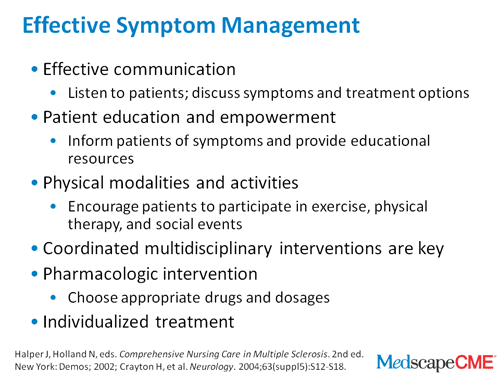
In addition to DMTs, symptomatic treatments are used to manage specific symptoms of MS. These treatments address issues like pain, muscle spasticity, fatigue, bladder and bowel dysfunction, and depression, among others. Symptomatic treatment involves a multifaceted approach, combining medications, physical and occupational therapy interventions, and lifestyle modifications. The goal is to alleviate symptoms and improve overall quality of life for individuals with MS.
Side effects and monitoring
It is important to closely monitor patients undergoing medication management for MS to assess their response to treatment and manage any side effects or complications. Each DMT has its own set of potential side effects, which may range from mild to severe. Regular physical examinations, blood tests, and imaging studies are conducted as part of monitoring the disease progression and treatment effectiveness. Constant communication and follow-up between healthcare providers and patients are essential to optimize medication management and ensure individualized care.

Physical and Occupational Therapy
Promoting mobility and independence
Physical and occupational therapy play a vital role in managing MS and promoting mobility and independence. Physical therapy focuses on improving strength, balance, coordination, and flexibility through exercises and therapies tailored to the individual’s needs. Occupational therapy, on the other hand, aims to address difficulties in performing daily activities by developing strategies and interventions to enhance functional independence. These therapies are essential for maintaining mobility, preventing complications, and maximizing quality of life.
Addressing fatigue and weakness
Fatigue and weakness are common symptoms in MS that can significantly impact daily functioning. Physical and occupational therapists employ various techniques and interventions to address these challenges. This may involve energy conservation techniques, pacing strategies, modifications to activity patterns, and the use of assistive devices. Additionally, exercise programs targeting strength, endurance, and flexibility may be recommended to minimize fatigue and improve overall physical functioning.
Assistive devices and adaptations
Assistive devices and adaptations are essential tools in improving the independence and well-being of individuals with MS. These devices can aid in mobility, communication, and activities of daily living. Examples include mobility aids like canes, walkers, and wheelchairs, communication devices, orthotics, and modifications to the home environment, such as grab bars and ramps. Physical and occupational therapists work closely with patients to assess their needs, prescribe appropriate devices, and provide training on their proper use.
Psychosocial Support
Coping with emotional impact
A diagnosis of MS can have a significant emotional impact on individuals and their families. Feelings of anxiety, depression, frustration, and fear are common. Psychosocial support is crucial in helping individuals cope with these emotional challenges. This support may involve counseling, psychotherapy, support groups, and educational resources. By providing a safe and empathetic environment, healthcare professionals can assist individuals in navigating the emotional complexities of living with MS.
Supporting patient and family
MS can have far-reaching effects on the lives of patients and their family members. Caregivers may experience increased stress, fatigue, and changes in their roles and responsibilities. It is essential for healthcare providers to support both the patient and their family members, offering education, counseling, and respite care when needed. By addressing the needs of the entire support system, healthcare professionals can enhance the overall well-being and quality of life for individuals with MS.
Resources and support groups
Numerous resources and support groups are available to support individuals living with MS and their families. These resources offer a range of educational materials, online communities, helplines, and local support groups where individuals can connect with others facing similar challenges. Healthcare providers play a crucial role in connecting patients and families to these resources, advocating for their needs, and facilitating access to valuable information and support.

Pain Management
Types of pain in multiple sclerosis
Pain is a common symptom experienced by people with MS, and it can take various forms. Neuropathic pain, or pain caused by nerve damage, is prevalent in MS and may manifest as sharp, stabbing, or burning sensations. Musculoskeletal pain, including muscle and joint pain, can also occur due to difficulties with mobility and altered gait. Additionally, individuals with MS may experience headaches, including migraines, as well as pain associated with spasticity and bladder dysfunction.
Non-pharmacological interventions
Non-pharmacological interventions can be effective in managing pain in MS and reducing reliance on medications. These interventions may include physical therapy, occupational therapy, heat and cold therapy, relaxation techniques, massage therapy, acupuncture, and transcutaneous electrical nerve stimulation (TENS). These techniques aim to alleviate pain, promote relaxation, improve circulation, and enhance overall well-being.
Pharmacological options
Pharmacological options for pain management in MS may include nonsteroidal anti-inflammatory drugs (NSAIDs), anticonvulsants, opioids, muscle relaxants, and antidepressants. Opioids are generally reserved for severe pain and carefully managed due to their potential for addiction and side effects. Healthcare providers collaborate with patients to determine the most appropriate pharmacological approach, considering individual pain levels, risk factors, and overall goals of treatment.
Bladder and Bowel Function
Urinary symptoms in multiple sclerosis
Bladder dysfunction is a common symptom in MS, affecting approximately 80% of individuals at some point in their disease course. Symptoms can range from increased urinary frequency and urgency to difficulty emptying the bladder completely, nocturia, and urinary incontinence. These symptoms can significantly impact daily life, causing discomfort, embarrassment, and reduced quality of life.
Managing bladder dysfunction
Managing bladder dysfunction in MS involves a combination of behavioral and pharmacological interventions. Strategies such as scheduled voiding, fluid management, and pelvic floor exercises can help regulate urinary function. Additionally, medications, such as anticholinergic drugs, can be prescribed to address overactive bladder symptoms. For more severe cases, invasive interventions like intermittent catheterization or the use of urinary catheters may be necessary.
Addressing bowel dysfunction
Bowel dysfunction is another common issue experienced by individuals with MS, often resulting in constipation or bowel incontinence. Dietary modifications, such as increasing fiber intake and fluid consumption, along with physical activity, can help regulate bowel function. Medications may also be used, such as stool softeners or laxatives, to alleviate symptoms. Maintaining a regular bowel regimen and establishing a comfortable and supportive bathroom routine can significantly improve the management of bowel dysfunction.
Cognition and Communication
Cognitive changes in multiple sclerosis
Cognitive changes are prevalent in MS, affecting approximately 40-70% of individuals to some degree. These changes may involve difficulties with memory, attention, information processing speed, problem-solving, and executive functioning. Cognitive impairment can impact daily activities, work, and social interactions, requiring specific management strategies.
Assessing and managing cognitive impairment
Assessing and managing cognitive impairment in MS involves a comprehensive evaluation by healthcare professionals, including neurologists, neuropsychologists, and occupational therapists. Neuropsychological testing is often used to assess cognitive abilities and identify areas of strength and weakness. Management strategies may include cognitive rehabilitation, compensatory techniques, memory aids, and modifications to the environment to accommodate cognitive challenges. Proper management can help individuals with MS maximize their cognitive function and maintain independence.
Speech and communication strategies
MS can also affect speech and communication abilities. Issues with articulation and voice control, as well as difficulty finding words or maintaining conversation flow, are common. Speech therapy can be beneficial in improving speech intelligibility and enhancing communication skills. Speech and language pathologists work with individuals with MS to develop strategies to compensate for speech difficulties, enhance vocal quality, and improve overall communication effectiveness.
Sexual Health
Addressing sexual dysfunction
Sexual dysfunction is a common but often overlooked aspect of MS. Individuals with MS may experience changes in sexual desire, arousal difficulties, orgasmic dysfunction, and issues related to sexual pain. These changes can have a significant impact on intimate relationships and overall quality of life. It is crucial for healthcare providers to address these concerns and provide a safe and supportive environment for individuals to discuss their sexual health.
Providing education and support
Education and support play a vital role in addressing sexual dysfunction in MS. Healthcare providers can offer information about the impact of MS on sexual function, address common concerns, and provide strategies to enhance sexual satisfaction. This may involve recommending sexual aids, exploring alternative sexual positions or techniques, and discussing the role of communication and emotional intimacy in maintaining a healthy sexual relationship.
Collaborating with specialists
Collaboration with specialists, such as sexual medicine physicians or psychologists, may be necessary when managing sexual dysfunction in MS. These specialists have specific expertise in addressing sexual health concerns and can provide additional support, guidance, and interventions tailored to the individual’s needs. A multidisciplinary approach ensures comprehensive and personalized care for individuals with MS and their sexual health concerns.

Pregnancy and Family Planning
Managing multiple sclerosis during pregnancy
Women with MS often have concerns about pregnancy and the impact of the disease on fertility, pregnancy outcomes, and disease progression. Healthcare providers play a crucial role in counseling women with MS on managing the disease during pregnancy. Generally, pregnancy does not increase the risk of relapse and may have a protective effect on MS activity. However, careful monitoring and medication management are necessary to ensure the well-being of both the mother and the baby.
Contraception options
Family planning is an essential aspect of MS management, as certain medications used to treat MS can be harmful during pregnancy. Healthcare providers discuss contraception options with individuals with MS to prevent unplanned pregnancies while on potentially teratogenic medications. Contraceptive methods that are safe and effective for individuals with MS, taking into consideration individual preferences and medical history, are recommended.
Supporting family planning decisions
Supporting family planning decisions involves open and honest communication between healthcare providers and individuals with MS. Healthcare providers provide information about the impact of MS on pregnancy, address concerns and questions, and offer support and guidance throughout the decision-making process. By involving individuals and their partners in discussions about family planning, healthcare providers can empower them to make informed choices that align with their values and goals.
Nutrition and Diet
Importance of a healthy diet
Maintaining a healthy diet is important for individuals with MS to support overall health, manage weight, and optimize well-being. A healthy diet rich in fruits, vegetables, whole grains, lean proteins, and healthy fats can provide essential nutrients, antioxidants, and anti-inflammatory properties. Healthcare providers emphasize the importance of a balanced diet and educate individuals with MS on making informed food choices that support their overall health and well-being.
Managing weight changes
Weight changes, including both weight gain and weight loss, can occur in individuals with MS due to various factors. Medications, changes in physical activity, and mobility limitations can all contribute to weight fluctuations. Healthcare providers work closely with individuals to monitor their weight, provide dietary guidance, and develop strategies to achieve and maintain a healthy weight. This may involve dietary modifications, portion control, and regular physical activity tailored to the individual’s abilities.
Dietary considerations for symptom management
Certain dietary considerations may be beneficial in managing specific symptoms of MS. For example, individuals with bladder dysfunction may benefit from avoiding certain foods and beverages that can irritate the bladder, such as caffeine and spicy foods. Additionally, an anti-inflammatory diet rich in omega-3 fatty acids, antioxidants, and vitamin D may help manage inflammation and alleviate some MS symptoms. Healthcare providers collaborate with individuals to develop personalized dietary plans that address their specific symptom management needs.