
Non-Hodgkin’s Lymphoma, a type of cancer that affects the lymphatic system, requires careful nursing considerations and management to ensure the best possible care for patients. From understanding the unique challenges of this disease to providing support throughout treatment, nurses play a pivotal role in the care of individuals with Non-Hodgkin’s Lymphoma. This article explores the important considerations and nursing strategies to provide optimal care for patients with this condition.

Overview of Non-Hodgkin’s Lymphoma
Non-Hodgkin’s Lymphoma (NHL) is a type of cancer that affects the lymphatic system, which is a part of the body’s immune system. It is characterized by the abnormal growth of lymphocytes, a type of white blood cell, in various parts of the body. NHL is a broad term that encompasses different subtypes of lymphoma, each with its own unique characteristics and treatment approaches.
There are several types of NHL, including diffuse large B-cell lymphoma, follicular lymphoma, and mantle cell lymphoma, among others. These different types of NHL vary in terms of their prognosis and response to treatment. Understanding the specific type of NHL is crucial in developing an effective treatment plan for the patient.
Epidemiology and Risk Factors
NHL is the most common type of lymphoma, accounting for about 90% of all cases. It can occur in people of all ages, although it is more commonly diagnosed in older adults. The exact cause of NHL is unknown, but there are certain risk factors that are associated with an increased likelihood of developing the disease.
Risk factors for NHL include advanced age, a weakened immune system, exposure to certain chemicals and pesticides, family history of lymphoma, and certain viral infections such as human immunodeficiency virus (HIV) and Epstein-Barr virus (EBV). It is important for healthcare providers to be aware of these risk factors in order to identify individuals who may be at a higher risk for developing NHL.

Pathophysiology of Non-Hodgkin’s Lymphoma
The pathophysiology of NHL involves the uncontrolled growth of lymphocytes, which can accumulate in different parts of the body, including the lymph nodes, bone marrow, and organs such as the liver and spleen. This uncontrolled growth can lead to the formation of tumors or masses, which can then interfere with the normal functioning of the affected organs.
The exact cause of the abnormal growth of lymphocytes in NHL is not fully understood, but various genetic and environmental factors are thought to play a role. These factors can lead to alterations in the DNA of the lymphocytes, causing them to divide and multiply in an uncontrolled manner.
Signs and Symptoms
The signs and symptoms of NHL can vary depending on the type of lymphoma and the specific organs involved. Common symptoms of NHL include enlarged lymph nodes, fever, night sweats, fatigue, unexplained weight loss, and pain or discomfort in the affected areas.
It is important for healthcare providers to be familiar with these signs and symptoms in order to promptly recognize and diagnose NHL. Early detection and diagnosis can significantly impact the treatment outcomes and overall prognosis for patients with NHL.
Diagnostic Evaluation
A thorough diagnostic evaluation is essential in confirming the diagnosis of NHL and determining the extent and stage of the disease. This evaluation typically involves a combination of medical history and physical examination, laboratory tests, imaging studies, and biopsy.
Medical History and Physical Examination
The medical history and physical examination provide important clues about the patient’s symptoms, risk factors, and any previous medical conditions. The healthcare provider will ask detailed questions about the patient’s symptoms, including when they started, their severity, and any factors that may worsen or improve the symptoms. The physical examination involves a thorough examination of the lymph nodes, organs, and other areas of the body to assess for any abnormalities.
Laboratory Tests
Laboratory tests play a crucial role in the diagnosis and evaluation of NHL. These tests may include a complete blood count (CBC) to assess the levels of different blood cells, including lymphocytes. Other laboratory tests such as liver function tests, kidney function tests, and tests for viral infections may also be ordered to evaluate the overall health status of the patient and identify any underlying conditions or complications.
Imaging Studies
Imaging studies such as CT scans, PET scans, and MRI scans are commonly used to visualize the affected areas and determine the extent of the disease. These imaging studies can help identify the presence of any tumors or masses, as well as evaluate the involvement of nearby organs or lymph nodes.
Biopsy and Histopathology
A biopsy is the gold standard for diagnosing NHL. It involves the removal of a small sample of tissue from the affected area, which is then examined under a microscope to look for the presence of abnormal lymphocytes. The biopsy can be done through various methods, including a fine needle aspiration, core needle biopsy, or surgical biopsy.
Histopathology is the examination of the biopsy sample by a pathologist, who can determine the specific type and subtype of NHL based on the characteristics of the abnormal cells. This information is crucial in developing an individualized treatment plan for the patient.
Staging and Prognostic Factors
Once the diagnosis of NHL is confirmed, the disease is staged to determine the extent of the lymphoma and guide treatment decisions. Staging involves determining the size and location of the tumor or tumors, as well as evaluating the involvement of lymph nodes and other organs.
Prognostic factors are used to assess the likelihood of disease progression and the overall prognosis for the patient. These factors may include the stage of the disease, the patient’s age, the presence of certain genetic abnormalities, and the overall health status of the patient. Prognostic factors can help guide treatment decisions and provide valuable information about the expected outcomes for patients with NHL.
Treatment Modalities
The treatment of NHL depends on several factors, including the type and stage of the lymphoma, the patient’s overall health, and their preferences. The primary treatment modalities for NHL include chemotherapy, immunotherapy, radiation therapy, targeted therapy, bone marrow transplantation, and palliative care.
Chemotherapy
Chemotherapy involves the use of powerful medications to kill cancer cells throughout the body. It is often the mainstay of treatment for NHL and can be administered orally or intravenously. Chemotherapy regimens for NHL vary depending on the specific subtype and stage of the lymphoma, as well as the patient’s individual characteristics and overall health.
Immunotherapy
Immunotherapy is a newer treatment approach that uses the body’s immune system to fight cancer cells. It involves the use of medications that boost the immune response against cancer cells. Immunotherapy has shown great promise in the treatment of NHL, particularly in certain subtypes such as follicular lymphoma and diffuse large B-cell lymphoma.
Radiation Therapy
Radiation therapy uses high-energy beams to target and kill cancer cells. It is commonly used in the treatment of localized NHL, where the lymphoma is confined to a specific area or organ. Radiation therapy may be used alone or in combination with other treatments such as chemotherapy or immunotherapy.
Targeted Therapy
Targeted therapy involves the use of medications that specifically target certain molecular markers or proteins on cancer cells. This approach aims to disrupt the growth and survival of cancer cells while sparing healthy cells. Targeted therapy has shown promising results in certain subtypes of NHL, such as follicular lymphoma and mantle cell lymphoma.
Bone Marrow Transplantation
Bone marrow transplantation, also known as stem cell transplantation, may be considered for patients with relapsed or refractory NHL. It involves the replacement of the patient’s diseased bone marrow with healthy stem cells, which can develop into new, healthy blood cells. Bone marrow transplantation can be an intensive and complex procedure, and careful consideration is given to each patient’s individual circumstances before recommending this treatment option.
Palliative Care
Palliative care focuses on providing relief from symptoms and improving the quality of life for patients with advanced or incurable NHL. It can be provided alongside curative treatments and aims to address the physical, emotional, and spiritual needs of patients and their families. Palliative care may involve pain management, symptom control, psychosocial support, and assistance with advance care planning.
Nursing Assessment
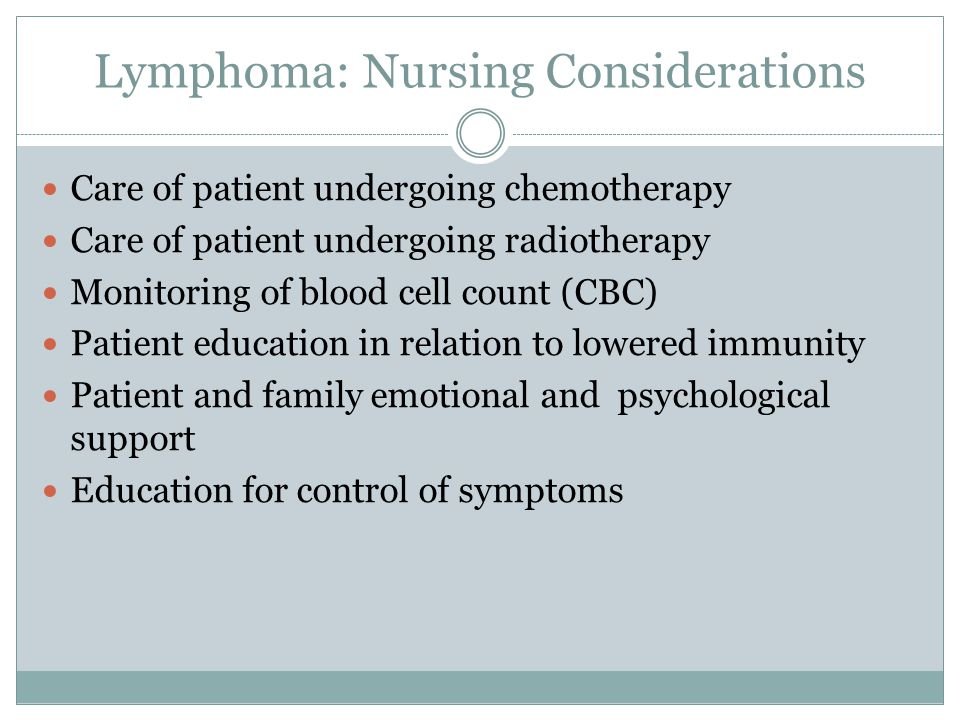
Nursing assessment plays a critical role in the care of patients with NHL. It involves a comprehensive evaluation of the patient’s physical and psychosocial well-being, as well as their hematological and immunological status. Assessment of treatment side effects, nutritional status, pain, and support systems is also crucial in providing holistic care to patients with NHL.
Assessment of Physical and Psychosocial Well-being
The assessment of physical and psychosocial well-being involves evaluating the patient’s overall health status, including their vital signs, general appearance, and any physical symptoms or discomfort they may be experiencing. It also involves assessing the patient’s mental and emotional well-being, including their coping mechanisms and support systems. This assessment helps identify any areas of concern or potential barriers to the patient’s treatment and recovery.
Assessment of Hematological and Immunological Status
Assessment of hematological and immunological status involves monitoring the patient’s blood counts, including their hemoglobin, white blood cell count, and platelet count. Changes in these parameters can indicate the response to treatment or the presence of any complications. Monitoring the patient’s immunological status helps assess their immune function and the risk of infection or other immune-related complications.
Assessment of Treatment Side Effects
Assessment and monitoring of treatment side effects are crucial in the care of patients with NHL. Chemotherapy, immunotherapy, and radiation therapy can all cause various side effects, including nausea and vomiting, hair loss, fatigue, and increased susceptibility to infections. Regular assessment of these side effects allows for early intervention and management, improving the patient’s comfort and quality of life.
Nutritional Assessment
Nutritional assessment is important in identifying any nutritional deficiencies or changes in appetite that may occur as a result of NHL or its treatment. Poor nutrition can negatively impact the patient’s overall health, immune function, and response to treatment. Assessing the patient’s nutritional status helps identify any areas of concern and allows for appropriate interventions, such as dietary modifications or nutritional supplementation, to be implemented.
Pain Assessment
Pain assessment is crucial in addressing the physical and emotional well-being of patients with NHL. The assessment involves evaluating the location, intensity, and character of the pain, as well as any factors that exacerbate or alleviate it. Pain management strategies can then be tailored to the individual patient’s needs, helping to alleviate their discomfort and improve their overall well-being.
Assessment of Support Systems
Assessment of support systems involves evaluating the patient’s social support network, including their family, friends, and other community resources. Understanding the patient’s support systems helps identify potential sources of support and assistance throughout their treatment journey. This assessment also provides an opportunity to address any psychosocial needs or concerns that the patient may have, ensuring they receive the necessary support and resources.
Nursing Diagnoses and Care Planning
Nursing diagnoses are clinical judgments about actual or potential health problems that can be addressed by nursing interventions. For patients with NHL, several nursing diagnoses may be applicable, depending on the patient’s specific situation and needs.
Impaired Gas Exchange related to lymphadenopathy and mediastinal masses
Impaired gas exchange may occur due to the compression of the airways by enlarged lymph nodes or mediastinal masses. This can lead to respiratory symptoms such as shortness of breath, coughing, and wheezing. Nursing care for this condition includes monitoring the patient’s respiratory status, administering supplemental oxygen if needed, and providing education on proper breathing techniques and energy conservation.
Risk for Infection related to compromised immune system
Patients with NHL often have a compromised immune system due to their disease and its treatment. This places them at an increased risk for infections, including bacterial, viral, and fungal infections. Nursing interventions for this risk include educating patients and their families on infection prevention measures, monitoring for signs of infection, and implementing appropriate infection control practices.
Risk for Imbalanced Nutrition: Less Than Body Requirements related to anorexia and chemotherapy-induced nausea and vomiting
NHL and its treatment can lead to decreased appetite, anorexia, and chemotherapy-induced nausea and vomiting. This can result in a risk for imbalanced nutrition, with inadequate intake of essential nutrients. Nursing interventions in this case may involve providing education on strategies to improve appetite and manage nausea and vomiting, monitoring the patient’s nutritional status, and collaborating with a dietitian to develop a nutrition plan that meets the patient’s needs.
Impaired Skin Integrity related to radiation therapy
Radiation therapy can cause skin reactions, including redness, dryness, and peeling, in the area being treated. These reactions can lead to impaired skin integrity and increase the risk of infection. Nursing care for this condition may include assessing the patient’s skin, providing education on proper skin care and hygiene, and implementing measures to prevent infection, such as using sterile dressings and maintaining good hand hygiene.
Pain (Acute/Chronic) related to disease progression and treatment
Pain is a common symptom in patients with NHL, both as a result of the disease itself and its treatment. Nursing interventions for pain management may include administering prescribed pain medications, utilizing non-pharmacological pain relief measures, providing comfort measures, and assessing the effectiveness of pain management strategies.
Anxiety related to diagnosis and treatment
Receiving a diagnosis of NHL and undergoing treatment can be overwhelming and anxiety-provoking for patients. Nursing care for anxiety may involve providing emotional support, teaching relaxation techniques, and referring patients to appropriate support services or counseling resources.

Nursing Interventions
Nursing interventions are the actions performed by nurses to address the identified nursing diagnoses and promote the patient’s well-being. For patients with NHL, nursing interventions focus on providing education and emotional support, promoting self-care and coping strategies, administering and monitoring therapies, managing side effects and complications, implementing infection control measures, assisting with nutritional support, promoting comfort and pain management, facilitating communication and support systems, coordinating palliative care services, and promoting survivorship and rehabilitation.
Provide Education and Emotional Support
Education and emotional support are essential components of nursing care for patients with NHL. Providing information about the disease, treatment options, and potential side effects helps empower patients to actively participate in their care and make informed decisions. Emotional support is vital in helping patients cope with the challenges and emotional distress associated with their diagnosis and treatment.
Promote Self-Care and Coping Strategies
Promoting self-care and coping strategies involves empowering patients to take an active role in their own care and helping them develop effective strategies to manage the physical and emotional demands of their illness. This may include teaching patients self-care techniques, stress management techniques, and assisting them in accessing appropriate support resources.
Administer and Monitor Chemotherapy and Other Therapies
Nurses play a crucial role in the administration and monitoring of chemotherapy and other therapies for patients with NHL. This includes ensuring the safe and accurate administration of medications, closely monitoring the patient’s response to treatment and any potential side effects, and communicating any concerns or changes in the patient’s condition to the healthcare team.
Manage Side Effects and Complications
Managing side effects and complications is an important aspect of nursing care for patients with NHL. This may involve implementing strategies to manage nausea and vomiting, providing supportive care for common side effects such as fatigue and pain, and collaborating with other healthcare professionals to identify and address any potential complications or adverse reactions.
Implement Measures to Prevent Infection
Preventing infection is a top priority in the care of patients with NHL, who are at an increased risk due to their compromised immune system. Nurses play a crucial role in implementing infection control measures, such as hand hygiene, proper handling and disposal of contaminated items, and educating patients and their families on infection prevention strategies.
Assist with Nutritional Support
Assisting with nutritional support involves assessing the patient’s nutritional status, providing education on proper nutrition, and collaborating with a dietitian to develop a nutrition plan that meets the patient’s needs. This may include recommending dietary modifications, ensuring the patient receives adequate calories and nutrients, and addressing any barriers to optimal nutrition.
Promote Comfort and Pain Management
Promoting comfort and pain management is an essential aspect of nursing care for patients with NHL. Nurses can utilize various approaches, including administering prescribed pain medications, providing comfort measures, and promoting relaxation techniques, to help alleviate the patient’s pain and improve their overall comfort.
Facilitate Communication and Support Systems
Facilitating communication and support systems involves ensuring effective communication among the healthcare team, the patient, and their support network. Nurses can help coordinate care, advocate for the patient’s needs and preferences, and provide resources and referrals to support services or support groups.
Coordinate Palliative Care Services
For patients with advanced or incurable NHL, palliative care plays a crucial role in providing relief from symptoms and improving their quality of life. Nurses can coordinate palliative care services, including collaborating with palliative care specialists, facilitating discussions about advance care planning, and providing ongoing support to patients and their families.
Promote Survivorship and Rehabilitation
Promoting survivorship and rehabilitation involves supporting patients in the transition from active treatment to survivorship. This may include providing education and resources for post-treatment care, encouraging healthy lifestyle choices, and assisting patients in accessing supportive care services.
Patient and Family Education
Patient and family education are vital components of nursing care for patients with NHL. Effective education helps patients and their families understand their condition, treatment options, potential side effects, and self-care strategies. The following are important topics to address in patient and family education for NHL:
Understanding Non-Hodgkin’s Lymphoma
Educating patients and their families about NHL includes providing information about the disease itself, its causes, and how it can affect the body. It is important to explain the different types and subtypes of NHL, their prognosis, and the available treatment options.
Treatment Options and Goals
Providing education about treatment options and goals helps patients and their families make informed decisions about their care. This may include discussing the benefits and potential risks of chemotherapy, immunotherapy, radiation therapy, targeted therapy, and bone marrow transplantation. It is important to explain the goals of treatment, such as achieving remission, prolonging survival, or providing palliative care.
Managing Treatment Side Effects
Discussing the potential side effects of treatment and strategies to manage them is crucial in helping patients and their families prepare for the challenges they may face. It is important to provide information on common side effects and symptoms, such as nausea and vomiting, fatigue, and hair loss, and educate patients on strategies to minimize their impact.
Importance of Adherence to Medications
Stressing the importance of adherence to medications helps patients understand the role of their prescribed medications in their treatment and overall well-being. It is important to provide clear instructions on medication schedules, potential drug interactions, and any specific precautions or monitoring requirements.
Guidelines for Self-Care at Home
Providing guidelines for self-care at home helps patients and their families navigate their daily lives while managing their condition. This may include educating patients on proper wound care, infection prevention strategies, the importance of regular follow-up appointments, and when to seek medical attention for any concerning symptoms.
Nutrition and Exercise Recommendations
Education about nutrition and exercise recommendations can help patients make healthy lifestyle choices that support their overall well-being. It is important to provide guidance on maintaining a balanced diet, ensuring adequate hydration, and incorporating regular physical activity into their daily routine.
Support Resources and Organizations
Providing information about support resources and organizations helps patients and their families access additional support and assistance throughout their treatment journey. This may include providing contact information for support groups, counseling services, and patient advocacy organizations.
Special Considerations for Pediatric Patients
Special considerations are needed when caring for pediatric patients with NHL. Lymphomas in children often present differently than in adults and may require specialized treatment approaches and psychosocial support.
Unique Presentation and Subtypes in Children
NHL in children may have unique clinical and pathological features compared to adult lymphomas. Some subtypes of NHL are more commonly seen in children, such as lymphoblastic lymphoma and Burkitt lymphoma. Understanding these differences is important in developing appropriate treatment plans and providing individualized care to pediatric patients.
Developmental Considerations
Developmental considerations are necessary when caring for pediatric patients with NHL. Children may have different cognitive, emotional, and physical needs at different stages of development. Nurses should adapt their communication and care approaches to meet the unique needs of each child, taking into account their age, developmental level, and previous experiences.
Family Involvement and Support
Involving and supporting the family is crucial in caring for pediatric patients with NHL. The diagnosis and treatment of NHL can be overwhelming for families, and they play a vital role in supporting the child throughout their treatment journey. Providing education, emotional support, and resources for families can help alleviate their concerns and empower them to actively participate in the child’s care.
Psychosocial Needs
Caring for the psychosocial needs of pediatric patients with NHL is essential in promoting their overall well-being. Children with NHL may experience fear, anxiety, and emotional distress related to their diagnosis and treatment. Nurses should provide age-appropriate explanations, emotional support, and play therapy to help children cope with their emotions and adapt to their new circumstances.
Ethical and Legal Considerations
Ethical and legal considerations are important in the care of patients with NHL and require nurses to uphold high standards of professional practice and respect patient autonomy. Some key ethical and legal considerations in the care of patients with NHL include:
Informed Consent
Obtaining informed consent is necessary before initiating any medical treatment or procedure. Nurses play a vital role in ensuring that patients and their families have sufficient information to make informed decisions about their care. It is important to explain the risks, benefits, and alternatives of various treatments and procedures, and to address any questions or concerns the patient may have.
Confidentiality and Privacy
Respecting patient confidentiality and privacy is essential in maintaining patient trust and upholding legal and ethical obligations. Nurses should ensure that patient information is kept confidential, is only shared with the appropriate healthcare team members, and is stored securely according to legal requirements.
Advance Directives
Advance directives are legal documents that specify the patient’s preferences for medical treatment and end-of-life care in the event that they are unable to communicate their wishes. Nurses should ensure that patients are aware of their rights regarding advance directives, provide resources for creating these documents, and advocate for their implementation.
End-of-Life Care
End-of-life care is an important aspect of nursing care for patients with advanced or incurable NHL. Nurses should be knowledgeable about ethical and legal considerations related to end-of-life care, including the management of pain and symptoms, respect for patient autonomy, and appropriate communication and support for patients and their families during this challenging time.
Collaborative Care
Collaborative care involves working as part of an interprofessional team to provide comprehensive and coordinated care to patients with NHL. This collaborative approach ensures that all aspects of the patient’s care are addressed and that the best possible outcomes are achieved.
Interprofessional Team
The interprofessional team involved in the care of patients with NHL may include oncologists, hematologists, radiologists, pathologists, nurses, pharmacists, dietitians, social workers, physical therapists, and other healthcare professionals. Each member of the team brings their unique expertise and perspective to the patient’s care, making collaboration essential in optimizing treatment outcomes.
Roles and Responsibilities
Each member of the interprofessional team has specific roles and responsibilities in the care of patients with NHL. Nurses play a pivotal role in coordinating and delivering patient care, advocating for the patient’s needs, providing education and emotional support, and ensuring effective communication among team members.
Communication and Collaboration
Effective communication and collaboration are essential for the interprofessional team to work together seamlessly and provide high-quality care. Open and honest communication, regular interdisciplinary team meetings, and clear documentation of care plans and patient progress help foster collaboration and ensure that all team members are well-informed about the patient’s condition and treatment goals.