
Prostate cancer is a significant health concern that affects many men worldwide. As a nurse, your role in the management and care of patients with prostate cancer is crucial. In this article, we will explore essential nursing considerations and management strategies for prostate cancer, providing you with valuable insights to provide the best possible care to your patients. So, let’s dive in and explore these important aspects together.

Assessment and Diagnosis
Symptoms and Signs
When it comes to prostate cancer, early detection is key. Being aware of the common symptoms and signs can help catch the disease in its early stages. Some of the symptoms that you should be watchful for include frequent urination, difficulty in starting or stopping urination, weak urine flow, blood in the urine or semen, and discomfort in the pelvic region. Additionally, if you experience bone pain or unexplained weight loss, it is important to consult with your healthcare provider as these symptoms may also be indicative of prostate cancer.
Digital Rectal Exam
The digital rectal exam (DRE) is a simple and non-invasive procedure used to assess the prostate gland. During this exam, a gloved, lubricated finger is gently inserted into the rectum to check for any abnormalities or changes in the size or shape of the prostate. While it may sound uncomfortable, the DRE is an essential part of the diagnostic process for prostate cancer. It allows healthcare providers to physically examine the prostate and detect any concerning signs that may warrant further investigation.
Prostate-Specific Antigen (PSA) Test
Another important diagnostic tool for prostate cancer is the prostate-specific antigen (PSA) test. This blood test measures the levels of PSA in the bloodstream. PSA is a protein produced by the prostate gland, and elevated levels may indicate the presence of prostate cancer. It is important to note that while an elevated PSA level may be a potential indicator of prostate cancer, it does not confirm a diagnosis on its own. Additional tests, such as a biopsy, are usually required to confirm the presence of cancer.
Biopsy
A biopsy is the gold standard for diagnosing prostate cancer. It involves the collection of tissue samples from the prostate gland for analysis under a microscope. This procedure is typically performed under local anesthesia and involves the insertion of a thin needle into the prostate gland to collect the samples. The samples are then sent to a laboratory for examination and to determine the presence of cancer cells. A biopsy provides a definitive diagnosis and is crucial in determining the stage and grade of the cancer, which helps guide treatment decisions.
Staging
Staging is a process that helps determine the extent and spread of prostate cancer. It involves a combination of physical exams, imaging tests, and biopsy results to classify the cancer into different stages. The most commonly used staging system for prostate cancer is the TNM system, which stands for tumor, node, and metastasis. These stages range from stage I (localized cancer) to stage IV (advanced cancer that has spread beyond the prostate). Knowing the stage of the cancer is vital in deciding the most appropriate treatment options for each individual.
Treatment Options
Surgery
Surgery, such as a radical prostatectomy, may be recommended for early-stage prostate cancer that has not spread beyond the prostate gland. During this procedure, the entire prostate gland and surrounding tissues are surgically removed. Surgery can be performed using traditional open techniques or minimally invasive techniques such as laparoscopic or robotic-assisted surgery. It is important to discuss the potential benefits and risks of surgery with your healthcare provider to make an informed decision about this treatment option.
Radiation Therapy
Radiation therapy uses high-energy X-rays or other types of radiation to kill cancer cells and shrink tumors. It can be delivered externally through a machine that targets the prostate (external beam radiation therapy) or internally through the implantation of radioactive seeds into the prostate (brachytherapy). Radiation therapy may be used as a primary treatment for localized prostate cancer or as an adjuvant treatment following surgery. Depending on the specific case, radiation therapy can be done over several weeks or completed in a shorter period of time.
Hormone Therapy
Hormone therapy, also known as androgen deprivation therapy (ADT), aims to reduce the levels of male hormones (androgens) in the body, particularly testosterone. Prostate cancer cells rely on these hormones for growth, so reducing their levels can slow down cancer growth or shrink tumors. Hormone therapy can be achieved through medications that block the production or action of androgens or by surgical removal of the testicles (orchiectomy). It is often used in combination with other treatments for advanced or metastatic prostate cancer.
Chemotherapy
Chemotherapy uses drugs to destroy cancer cells throughout the body. It is typically recommended for advanced or metastatic prostate cancer, when the cancer has spread beyond the prostate gland. Chemotherapy drugs can be given intravenously or orally, and they target rapidly dividing cells, including cancer cells. While chemotherapy can have side effects, such as nausea and hair loss, it can be an effective option for controlling the growth and spread of advanced prostate cancer and improving quality of life.
Targeted Therapy
Targeted therapy is a type of treatment that specifically targets the abnormalities or mutations present in cancer cells. In prostate cancer, targeted therapies may be used to inhibit the growth and spread of cancer cells by blocking certain molecules or pathways involved in the development and progression of the disease. These therapies can be administered orally or intravenously, and they are often used in combination with other treatments for advanced or metastatic prostate cancer. Targeted therapies continue to be an area of active research and development, with new drugs and approaches being explored.
Biological Therapy
Biological therapy, also known as immunotherapy, uses the body’s immune system to fight cancer. It involves the use of substances that stimulate or enhance the immune response against cancer cells. In prostate cancer, biological therapies can help boost the immune system’s ability to recognize and destroy cancer cells. This can be achieved through medications or vaccines that target specific proteins or antigens present on cancer cells. Biological therapies are still being studied in the context of prostate cancer, and clinical trials are ongoing to evaluate their effectiveness and safety.

Managing Side Effects
Urinary Incontinence
Urinary incontinence, or the involuntary leakage of urine, can be a side effect of prostate cancer treatment, particularly after surgery or radiation therapy. There are several strategies to help manage and improve urinary continence, including pelvic floor exercises, also known as Kegel exercises. These exercises involve contracting and relaxing the muscles that control urine flow. Working with a healthcare provider or a specialized physical therapist can be helpful in learning and practicing these exercises correctly.
Erectile Dysfunction
Erectile dysfunction, or the inability to achieve or maintain an erection sufficient for sexual intercourse, is a potential side effect of prostate cancer treatment, especially after surgery or radiation therapy. There are various treatment options available to manage erectile dysfunction, including oral medications, vacuum erection devices, penile injections, and surgical options such as penile implants. It is important to discuss these options with your healthcare provider and consider your personal preferences and priorities when making treatment decisions.
Hot Flashes and Hormonal Side Effects
Hormone therapy, which is often used in the treatment of prostate cancer, can cause hot flashes and other hormonal side effects, similar to those experienced during menopause. Hot flashes are sudden feelings of warmth, usually accompanied by sweating and a flushed appearance. To manage hot flashes, lifestyle modifications such as wearing layered clothing, using fans, and avoiding triggers like spicy foods and hot beverages can be helpful. In some cases, medications or hormone replacement therapies may be prescribed to alleviate these symptoms.
Fatigue
Cancer-related fatigue is a common side effect that can greatly impact the quality of life for individuals with prostate cancer. Fatigue can vary in severity and may be influenced by treatment, physical activity levels, and emotional well-being. Engaging in regular physical activity, maintaining a balanced diet, managing stress, and getting enough rest and sleep are important strategies to help manage fatigue. It is also essential to communicate with your healthcare provider about any changes in energy levels or persistent fatigue to ensure appropriate management and support.
Bone Health
Prostate cancer, particularly when it has spread to the bones, can affect bone health and increase the risk of fractures. Maintaining bone health is important for overall well-being and quality of life. Strategies to support bone health may include ensuring an adequate intake of calcium and vitamin D, engaging in weight-bearing exercises, avoiding tobacco and excessive alcohol consumption, and discussing the potential benefits of bone-strengthening medications with your healthcare provider. Regular monitoring of bone health through bone density scans may also be recommended.
Emotional and Psychological Effects
A prostate cancer diagnosis and treatment journey can have a significant impact on a person’s emotional and psychological well-being. It is important to seek emotional support and address any concerns or distress that may arise. Talking openly with loved ones, joining support groups, seeking counseling or therapy, and engaging in activities that promote relaxation and self-care can be beneficial. Your healthcare provider can also provide resources and referrals to specialized support services, such as oncology social workers or psychologists, who can help navigate the emotional challenges of prostate cancer.
Quality of Life
Maintaining or improving quality of life is a primary goal for individuals with prostate cancer. This involves addressing physical, emotional, and social aspects of well-being. It is important to communicate openly with your healthcare team about your priorities, preferences, and concerns. They can provide guidance on treatment options and supportive care services that can help optimize quality of life. Palliative care, which focuses on symptom management and improving quality of life, may also be incorporated throughout the course of treatment to provide comprehensive support.
Patient Education and Support
Understanding Prostate Cancer
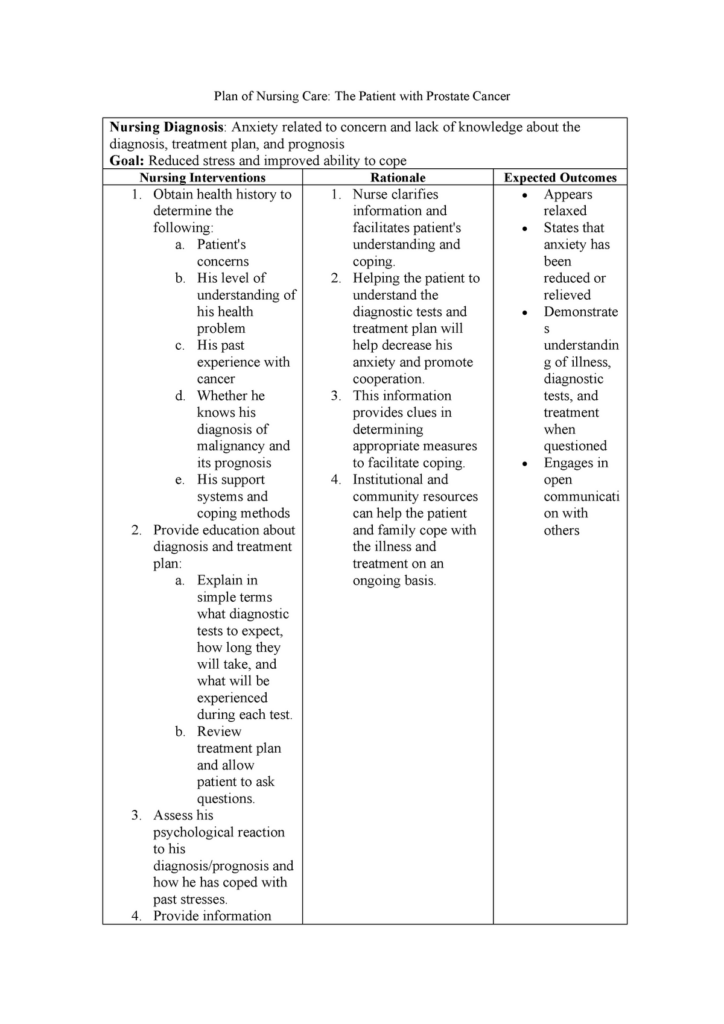
Education and understanding of prostate cancer are crucial for making informed decisions about treatment and managing the disease. Healthcare providers play a vital role in providing information about prostate cancer, its risk factors, diagnostic procedures, and treatment options. They can explain the importance of regular screenings, the potential benefits and risks of various interventions, and what to expect throughout the treatment process. Additionally, educational materials, online resources, and reputable organizations dedicated to prostate cancer can serve as valuable sources of information for patients and their families.
Treatment Options and Decision-Making
When faced with prostate cancer, choosing the most appropriate treatment option can be overwhelming. It is important to have open and honest discussions with your healthcare provider about the different options available, their potential benefits and risks, and how they align with your personal values and goals. Decision aids, which are tools that provide information and help clarify personal values and preferences, can be useful in the decision-making process. Seeking a second opinion can also provide additional perspectives and insights to support decision-making.
Self-Care Strategies
Self-care is an essential component of managing prostate cancer and promoting overall well-being. This may include adopting a healthy lifestyle, such as eating a balanced diet, engaging in regular physical activity, getting sufficient rest and sleep, and managing stress. It is important to listen to your body, practice self-awareness, and communicate with your healthcare team about any changes or concerns. Self-care strategies can help improve physical and emotional well-being, enhance treatment outcomes, and support overall quality of life.
Support Groups and Counseling
Prostate cancer support groups and counseling services can provide valuable emotional and practical support for individuals and their families. Joining a support group allows you to connect with others who are going through similar experiences, share insights and coping strategies, and receive encouragement and validation. Counseling services, whether individual or family-based, can help address emotional challenges, improve communication, and explore ways to navigate the impact of prostate cancer on relationships and overall well-being. Your healthcare team can provide information and referrals to local support services.
Financial and Practical Support
Prostate cancer treatment can place a significant financial burden on individuals and their families. It is important to be aware of available resources and support services that can help navigate the financial aspects of prostate cancer care. This may include insurance coverage, assistance programs, and financial counseling. Social workers and patient advocates can provide guidance and information on accessing financial and practical support services, such as transportation assistance, home healthcare services, and meal programs, which can help alleviate the logistical challenges associated with prostate cancer treatment.

Palliative Care
Pain Management
Pain management is a critical aspect of palliative care for individuals with prostate cancer. Pain can result from the cancer itself, as well as from treatments and procedures. A comprehensive approach to pain management involves a combination of medications, such as analgesics and opioids, as well as non-pharmacological interventions, such as physical therapy, relaxation techniques, and supportive therapies like massage and acupuncture. An open and ongoing dialogue with your healthcare team about pain levels, changes, and the effectiveness of pain management strategies is essential for optimal pain control.
Symptom Control
In addition to pain management, palliative care focuses on controlling and managing other symptoms associated with prostate cancer and its treatment. This may include addressing issues such as nausea and vomiting, constipation, urinary problems, sleep disturbances, and anxiety or depression. Medications, lifestyle modifications, and supportive therapies can be employed to alleviate these symptoms and improve overall comfort and well-being. Palliative care teams work collaboratively with individuals, families, and healthcare providers to develop personalized symptom management plans that address individual needs and preferences.
Psychosocial Support
Psychosocial support, which focuses on addressing emotional, social, and spiritual needs, is an integral component of palliative care. Prostate cancer and its treatment can have a significant impact on mental health and well-being. Palliative care teams can provide emotional support, counseling services, and connection to support groups or spiritual care providers. They can also assist with practical aspects, such as connecting individuals and families to community resources and helping plan for the future. Building a strong support network and accessing psychosocial support services can help individuals and families navigate the challenges of prostate cancer with enhanced resilience and well-being.
Advance Care Planning
Advance care planning involves discussions and documentation of personal healthcare preferences and goals of care. These discussions are important for individuals with prostate cancer to ensure that their wishes are honored and that healthcare decisions align with their values and goals. Advance directives, such as living wills and healthcare proxies, can be prepared to provide guidance regarding medical interventions and treatment preferences. It is crucial to engage in open and ongoing conversations with loved ones and healthcare providers about advance care planning to ensure that the necessary steps are taken to honor individual choices and provide compassionate end-of-life care.
Complementary and Alternative Therapies
Acupuncture
Acupuncture is a complementary therapy that involves the insertion of thin needles into specific points on the body to promote healing and alleviate symptoms. Some individuals with prostate cancer may find acupuncture helpful in managing treatment side effects such as pain, fatigue, and hot flashes. It is important to communicate with your healthcare provider before seeking acupuncture or any other complementary therapy to ensure it is safe, appropriate, and does not interfere with other treatments or medications.
Herbal Supplements
Herbal supplements are often used as complementary or alternative therapies for prostate cancer. However, it is important to exercise caution when considering herbal supplements, as they can interact with medications and have potential side effects. It is essential to discuss the use of herbal supplements with your healthcare provider to ensure their safety and effectiveness, and to prevent any potential harm or interference with standard treatments.
Nutrition and Diet
Maintaining a well-balanced diet and nutritional status is important for individuals with prostate cancer. A healthy diet that includes a variety of fruits, vegetables, whole grains, lean proteins, and healthy fats can support overall health and well-being. While specific dietary recommendations for prostate cancer may vary, general guidelines include reducing the intake of red and processed meats, increasing the consumption of plant-based foods, and staying adequately hydrated. It is important to consult with a registered dietitian or healthcare provider to develop an individualized nutrition plan that supports your specific treatment goals and overall health.
Mind-Body Techniques
Mind-body techniques, such as meditation, mindfulness, and yoga, can help individuals with prostate cancer manage stress, improve emotional well-being, and enhance overall quality of life. These techniques focus on the connection between the mind and body and involve practices that promote relaxation, stress reduction, and self-awareness. Engaging in mind-body techniques can support overall well-being and help individuals cope with the physical and emotional challenges of prostate cancer. It is important to consult with your healthcare provider or seek guidance from qualified instructors to ensure the safe and appropriate practice of these techniques.
Special Considerations for Older Adults
Age-related Changes
Older adults with prostate cancer may experience age-related changes that can impact treatment decisions and overall management strategies. These changes may include alterations in organ function, increased susceptibility to side effects of treatments, and potential interactions with other medications. It is crucial for healthcare providers to consider these factors and conduct a comprehensive geriatric assessment to tailor treatment plans to individual needs and optimize outcomes.
Polypharmacy and Drug Interactions
Older adults with prostate cancer often have comorbidities and may be taking multiple medications, which increases the risk of polypharmacy and potential drug interactions. Healthcare providers need to carefully evaluate these medications and their impact on prostate cancer treatment options. Collaboration with pharmacists and geriatric specialists can help minimize the risk of drug interactions and ensure that treatments are safely and effectively managed.
Supporting Independence and Quality of Life
Maintaining independence and preserving the quality of life is an important goal for older adults with prostate cancer. Healthcare providers should assess an individual’s functional abilities, physical strength, and cognitive function to ensure that treatment plans and supportive care strategies are tailored to promote independence and well-being. Rehabilitation services, adaptive aids, and support services that enhance independence and promote active aging can be valuable additions to the overall management of prostate cancer in older adults.
Cultural Considerations
Cultural Beliefs and Attitudes
Cultural beliefs and attitudes play a significant role in how prostate cancer is perceived, understood, and managed. Different cultural groups may have unique perspectives on health, illness, and treatment. It is important for healthcare providers to approach care with cultural sensitivity and respect. Understanding an individual’s cultural background, beliefs, and values can help healthcare providers develop culturally appropriate treatment plans and support systems.
Language Barriers
Language barriers can present challenges in the communication and understanding of prostate cancer-related information. Healthcare providers should strive to provide clear and concise information to individuals with language barriers, utilizing interpreters and translated materials when necessary. Cultural and linguistic competence training can help healthcare professionals overcome these barriers and ensure effective communication and understanding.
Spiritual and Religious Practices
Spirituality and religious beliefs can provide comfort, support, and guidance to individuals with prostate cancer and their families. Healthcare providers should be mindful of these practices and beliefs and be prepared to provide spiritual support or connect individuals with appropriate resources, such as chaplains or spiritual care providers. Respecting and incorporating spiritual and religious practices into the overall management and support of individuals with prostate cancer is essential for holistic care.
Respecting Cultural Differences
Respecting cultural differences is crucial in providing person-centered care to individuals with prostate cancer. Healthcare providers should be aware of their own cultural biases and strive to deliver care with empathy, respect, and cultural competence. Recognizing and valuing diversity can help create an inclusive and supportive environment for individuals and their families, fostering trust, and enhancing the overall care experience.

Collaborative Care
Multidisciplinary Team Approach
Prostate cancer management often involves a multidisciplinary team of healthcare professionals with specialized expertise. This team may include urologists, radiation oncologists, medical oncologists, nurses, social workers, psychologists, radiologists, and pathologists. Collaborating as a team allows for comprehensive and coordinated care that is tailored to each individual’s unique needs and goals. It promotes effective communication, shared decision-making, and the integration of various treatment modalities to optimize outcomes.
Communication and Coordination
Effective communication and coordination are essential in ensuring seamless transitions between different phases of care and treatment modalities. Clear and timely communication among healthcare providers, as well as with the individuals and their families, is crucial in delivering safe and coordinated care. Proactive coordination of appointments, sharing of test results, and active engagement in care planning and decision-making contribute to a positive care experience and support optimal outcomes.
Patient Advocacy
Patient advocacy is a vital role for healthcare professionals caring for individuals with prostate cancer. Advocacy involves actively supporting and representing the interests, preferences, and needs of patients within the healthcare system. Healthcare providers can serve as advocates by helping individuals navigate the complexities of the healthcare system, ensuring access to necessary services and resources, and addressing any barriers or challenges faced during the prostate cancer journey.
Research and Future Directions
Advancements in Prostate Cancer Research
Prostate cancer research continues to advance our understanding of the disease and drive the development of new treatment options. Ongoing research focuses on improving early detection, refining treatment approaches, and exploring targeted therapies and immunotherapies. Clinical trials play a crucial role in advancing prostate cancer research by evaluating the effectiveness and safety of new interventions. Staying informed about current research and participating in clinical trials, when appropriate, can contribute to the progress in prostate cancer care and treatment.
Clinical Trials
Clinical trials are research studies that evaluate the effectiveness and safety of new interventions for prostate cancer. They provide opportunities for individuals to access potentially innovative treatments and contribute to advancements in the field. Participation in clinical trials is voluntary and involves careful consideration of the potential risks and benefits. Healthcare providers can provide information about ongoing clinical trials and help individuals make informed decisions about participation.
Promising Treatment Strategies
Promising treatment strategies are emerging in prostate cancer research, offering hope for improved outcomes and quality of life. These strategies include the development of targeted therapies that specifically attack cancer cells, immunotherapies that stimulate the immune system to fight cancer, and precision medicine approaches that guide treatment decisions based on individual tumor characteristics. Additionally, advancements in imaging technologies and genetic testing hold promise for early detection and personalized treatment planning. Ongoing research and collaboration among healthcare professionals, researchers, and individuals with prostate cancer drive the exploration and implementation of these promising treatment strategies.