
Psoriasis can greatly impact the quality of life for those who experience it, and as a nurse, understanding the unique considerations and management strategies for this condition is crucial. This article will provide valuable insight into nursing considerations for psoriasis, equipping you with the knowledge to effectively support and care for patients with this chronic skin condition. From assessing the physical and emotional impact of psoriasis to implementing appropriate interventions and education, you’ll gain a comprehensive understanding of the role nurses play in managing psoriasis and promoting patient well-being.
Assessment
Patient history
When assessing a patient with psoriasis, it is important to take a detailed patient history. This includes gathering information about the onset and duration of symptoms, any triggers or exacerbating factors, past medical history, family history of psoriasis or other autoimmune diseases, current medications, and any previous treatments for psoriasis. Obtaining a comprehensive patient history will help in understanding the progression and impact of the disease on the patient’s overall well-being.
Physical examination
After obtaining the patient history, a thorough physical examination should be conducted. This involves examining the skin for the characteristic psoriatic lesions, which can present as red, inflamed, scaly patches. The extent and severity of the lesions should be assessed, as well as any involvement of the nails or scalp. Additionally, other areas of the body should be examined to identify any joint involvement or signs of psoriatic arthritis. Assessing the patient’s overall skin health and identifying any signs of infection or complications is crucial in determining the appropriate management and treatment plan.
Assessment of psoriasis symptoms
In order to effectively manage psoriasis, it is essential to assess the specific symptoms experienced by the patient. Common symptoms of psoriasis include itching, pain, and discomfort. These symptoms can significantly impact a patient’s quality of life and emotional well-being. By understanding the patient’s unique experience with psoriasis symptoms, healthcare providers can tailor treatment plans to address these specific concerns.
Assessment of comorbidities
Psoriasis has been associated with several comorbidities, including cardiovascular disease, diabetes, obesity, and depression. Therefore, it is important to assess and monitor the patient for these comorbidities. Assessing blood pressure, blood glucose levels, and conducting a thorough mental health assessment can help identify any additional health concerns that may require further intervention or referral to other healthcare professionals.
Diagnosis
Clinical evaluation
Clinical evaluation plays a crucial role in the diagnosis of psoriasis. The characteristic appearance of psoriatic lesions, combined with the patient’s history and symptoms, can usually lead to a clinical diagnosis. However, it is important to rule out other skin conditions that may mimic psoriasis, such as eczema or fungal infections. Therefore, a thorough evaluation of the patient’s skin lesions and symptoms is necessary to accurately diagnose psoriasis.
Biopsy
In some cases, a skin biopsy may be required to confirm the diagnosis of psoriasis. This involves taking a small sample of skin tissue from a psoriatic lesion and examining it under a microscope. A biopsy can help differentiate psoriasis from other skin conditions and provide additional information about the specific subtype of psoriasis present in the patient. It is important to ensure proper technique and sterile handling during the biopsy procedure to minimize any potential complications or risks.
Laboratory tests
While laboratory tests are not necessary to diagnose psoriasis, they may be useful in evaluating the patient’s overall health and identifying any potential comorbidities. Depending on the patient’s symptoms and medical history, laboratory tests may include complete blood count (CBC), erythrocyte sedimentation rate (ESR), C-reactive protein (CRP), and liver function tests. These tests can provide valuable information about the patient’s inflammatory response and overall health status, helping to guide treatment decisions and monitor disease progression.
Education and Counseling
Explanation of psoriasis
One of the key roles of nurses in the management of psoriasis is providing education and counseling to patients. It is important to explain to patients the nature of psoriasis as a chronic autoimmune condition that affects the skin. This includes discussing the underlying causes of the disease, its potential triggers, and the chronic nature of the condition. Providing patients with accurate and comprehensive information about psoriasis helps them better understand their condition and actively participate in their own care.
Self-care strategies
Nurses can play a vital role in educating patients about self-care strategies that can help manage their psoriasis symptoms. This includes teaching patients proper skincare techniques, such as gentle cleansing and moisturizing, to help prevent dryness and irritation. Patients should be encouraged to avoid triggers such as stress, smoking, and excessive alcohol consumption. Nurses can also educate patients about the importance of avoiding trauma to the skin, as it can exacerbate psoriatic lesions.
Lifestyle modifications
Promoting healthy lifestyle modifications can greatly benefit patients with psoriasis. Nurses can provide guidance on maintaining a healthy weight, engaging in regular physical activity, and adopting a balanced diet. Encouraging patients to quit smoking and limit alcohol intake can also have a positive impact on psoriasis symptoms and overall health. By empowering patients to make healthy lifestyle choices, nurses can support them in managing their psoriasis effectively.
Psychological support
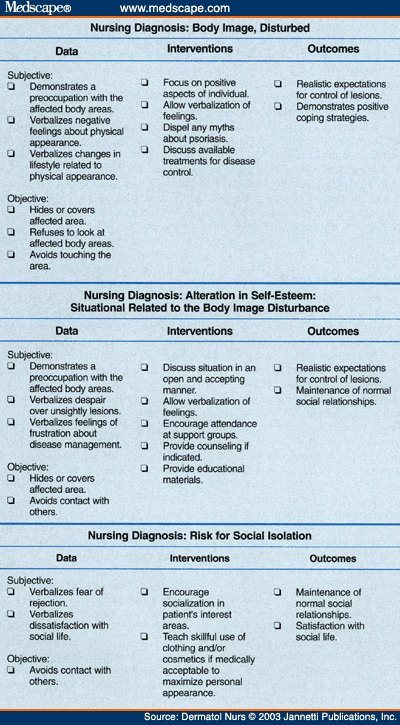
Psoriasis can have a significant impact on a person’s mental and emotional well-being. Nurses can provide vital psychological support to patients by acknowledging the emotional impact of living with a visible and chronic condition. By offering a listening ear, understanding, and empathy, nurses can help patients cope with the emotional challenges associated with psoriasis. Additionally, nurses can refer patients to mental health professionals or support groups who specialize in providing further psychological support.
Treatment Modalities
Topical therapies
Topical therapies are often the first-line treatment for mild to moderate psoriasis. Nurses can educate patients about the various topical medications available, including corticosteroids, vitamin D analogs, tar preparations, and topical retinoids. It is important to teach patients how to properly apply these medications and discuss any potential side effects or precautions. Emphasizing the importance of consistent and regular application is crucial for maximizing the effectiveness of topical treatments.
Phototherapy
Phototherapy involves exposing the skin to ultraviolet (UV) light to help control psoriasis symptoms. Nurses can educate patients about the different types of phototherapy, including narrowband UVB, PUVA (psoralen plus UVA), and laser therapy. It is important to ensure that patients understand the benefits and potential risks of phototherapy and adhere to the recommended treatment schedule. Nurses can also provide guidance on protecting the skin from excessive UV exposure and the proper use of sunscreens.
Systemic medications
For patients with moderate to severe psoriasis, systemic medications may be necessary. Nurses can play a crucial role in educating patients about the different types of systemic medications available, including oral medications and injectable biologics. It is important to discuss the potential benefits, risks, and side effects of these medications, as well as the importance of regular monitoring and follow-up visits. Nurses can also provide guidance on proper medication adherence and possible drug interactions.
Biologic agents
Biologic agents have revolutionized the treatment of psoriasis by targeting specific components of the immune system. Nurses can educate patients about the mechanism of action, administration techniques, and potential risks and benefits associated with biologic agents. It is important to emphasize the need for regular monitoring and compliance with medication schedules. Nurses should also inform patients about the signs and symptoms of serious infections that may require immediate medical attention.
Complementary and alternative therapies
Many patients with psoriasis may explore complementary and alternative therapies in addition to conventional treatment options. Nurses can provide information and guidance on the use of complementary therapies, such as herbal remedies, acupuncture, and dietary supplements. It is important to discuss the limited scientific evidence supporting these therapies and potential risks or interactions with conventional treatments. Encouraging open communication and collaboration with healthcare providers is essential to ensure the safe and effective use of complementary and alternative therapies.
Monitoring and Follow-up
Assessing treatment response
Regular assessment of treatment response is vital in managing psoriasis. Nurses should monitor the patient’s progress and assess the improvement or worsening of symptoms. This includes evaluating changes in the extent and severity of psoriatic lesions, as well as the patient’s overall well-being. By assessing treatment response, nurses can make necessary adjustments to the treatment plan and ensure optimal outcomes for the patient.
Monitoring for adverse effects
Certain psoriasis treatments, such as systemic medications and biologic agents, carry potential risks and side effects. Nurses should educate patients about potential adverse effects and monitor them for any signs or symptoms of medication-related complications. This may include regular blood tests to check for liver function, kidney function, or changes in blood cell counts. By closely monitoring patients, nurses can identify and address adverse effects promptly, ensuring patient safety and well-being.
Regular follow-up appointments
Following an established treatment plan and regular follow-up appointments are crucial in managing psoriasis effectively. Nurses can support patients by reminding them of upcoming appointments, ensuring they understand the importance of attending follow-up visits, and addressing any concerns or questions that may arise between visits. Regular appointments allow for ongoing assessment, adjustment of treatment plans if necessary, and promoting patient adherence and engagement in their own care.
Patient Support and Empowerment
Providing emotional support
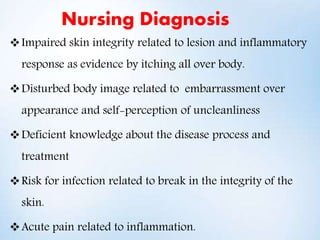
Living with psoriasis can be emotionally challenging, often affecting a person’s self-esteem and body image. Nurses can provide emotional support by creating a safe and non-judgmental environment where patients can openly discuss their feelings and concerns. Offering empathy, validation, and encouragement can make a significant difference in a patient’s overall well-being and ability to cope with the emotional impact of psoriasis.
Encouraging self-management
Empowering patients to take an active role in self-management is essential. Nurses can educate patients about strategies to effectively manage their symptoms, such as proper skincare, stress management techniques, and lifestyle modifications. By providing patients with the tools and knowledge to self-manage their condition, nurses can support their sense of control and ownership over their health, leading to improved outcomes and overall well-being.
Connecting patients with support groups and resources
Support groups and resources specifically tailored to individuals with psoriasis can provide valuable support and information. Nurses can connect patients with local or online support groups and provide information about reputable websites, books, or apps that focus on psoriasis management. By facilitating these connections, nurses can help patients build a network of support and access additional knowledge and resources to successfully navigate life with psoriasis.

Wound Care
Assessment and documentation of wounds
In some cases, psoriasis can lead to the development of open wounds or ulcers. Nurses should assess and thoroughly document the characteristics of these wounds, such as size, location, presence of infection, and signs of healing. This documentation is essential for monitoring wound progress, evaluating the effectiveness of wound care interventions, and communicating with other healthcare providers involved in the patient’s care.
Management of skin lesions
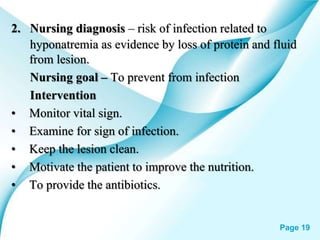
Nurses play a crucial role in managing and treating psoriatic skin lesions. This may involve providing education on proper wound care techniques, such as gentle cleansing, application of medicated creams or ointments, and appropriate dressings. Nurses should also monitor the healing process, assess for signs of infection, and promote patient compliance with recommended care routines. By closely managing and monitoring skin lesions, nurses can help prevent complications and promote optimal wound healing.
Prevention and management of infections
Patients with psoriasis are at an increased risk of developing skin infections. Nurses should educate patients on strategies for preventing infections, such as maintaining good hygiene, avoiding irritants and trauma to the skin, and promptly treating any cuts or wounds. Nurses should also be vigilant in assessing for signs of infection and promptly initiating appropriate treatment. By emphasizing preventive measures and promptly addressing infections, nurses can help patients maintain healthy skin and minimize complications.
Nutritional Considerations
Evaluating dietary habits
Dietary habits can play a role in managing psoriasis symptoms and overall health. Nurses can evaluate a patient’s dietary habits and identify potential areas of improvement. This may include assessing the consumption of inflammatory foods, such as processed foods high in sugar and saturated fats, and discussing the benefits of a balanced and nutrient-rich diet. By understanding a patient’s dietary habits, nurses can provide personalized recommendations and support healthier choices.
Promoting a balanced diet
Nurses should educate patients about the importance of a balanced diet in managing psoriasis. Encouraging the consumption of fruits, vegetables, whole grains, lean proteins, and healthy fats can help reduce inflammation and support overall skin health. Nurses should also discuss the role of hydration in maintaining skin hydration and flexibility. By promoting a balanced diet, nurses can empower patients to make informed dietary choices that can positively impact their psoriasis symptoms and overall health.
Educating on potential dietary triggers
While the impact of specific foods on psoriasis remains unclear, certain dietary triggers have been reported by some individuals. Nurses can educate patients about common triggers, such as gluten, dairy, and alcohol, and encourage patients to monitor their own responses to these foods. By providing information about potential triggers, nurses can empower patients to make informed decisions about their dietary choices and better manage their psoriasis symptoms.

Collaboration and Referrals
Consultation with dermatologist
Collaborating with dermatologists is essential in managing psoriasis effectively. Nurses should ensure open lines of communication with dermatologists and consult them when necessary, such as in case of complex or severe psoriasis cases. Collaborating with dermatologists allows for comprehensive care planning, ensuring that patients receive the most appropriate and evidence-based treatments for their individual needs.
Referral to mental health professionals
Psoriasis can have a significant psychological impact, and patients may require specialized support from mental health professionals. Nurses should be proactive in identifying signs of emotional distress or coping difficulties and referring patients to mental health professionals when necessary. This collaboration ensures that patients have access to the emotional support they need to navigate the challenges of living with psoriasis.
Referral to dietitian
Diet plays a role in psoriasis management, and patients may benefit from the expertise of a registered dietitian. Nurses should consider referring patients to dietitians who specialize in autoimmune conditions or skin health. A dietitian can provide personalized dietary recommendations, address any concerns or misconceptions about nutrition and psoriasis, and support patients in making sustainable dietary changes that can positively impact their psoriasis symptoms.
Patient Education on Medications
Explaining medication mechanisms
Ensuring patients have a clear understanding of their prescribed medications is crucial. Nurses should explain how each medication works to manage psoriasis and its specific effects on the immune system or skin. This includes discussing the mechanisms of action, potential benefits, and expected outcomes of the medications. By providing this information, nurses can enhance patient adherence and involvement in their treatment plan.
Discussing potential side effects
Nurses should educate patients about the potential side effects associated with their prescribed medications. This includes discussing common side effects and rare but serious complications that may require immediate medical attention. By preparing patients for possible side effects, nurses can help alleviate anxiety and provide important information to facilitate early intervention if needed.
Teaching proper administration techniques
For medications that require self-administration, nurses should provide detailed instructions on proper administration techniques. This includes demonstrating the correct technique, discussing relevant precautions, and answering any questions or concerns. By ensuring proper administration, nurses can help maximize the effectiveness of the medications and minimize the risk of complications.
In conclusion, nurses play an essential role in the comprehensive management of psoriasis. From assessment and diagnosis to education and counseling, nurses support patients with psoriasis in understanding their condition, managing their symptoms, and making lifestyle modifications. By collaborating with other healthcare professionals and providing emotional support, nurses empower patients to actively participate in their care and achieve optimal outcomes. Through ongoing monitoring, wound care, and addressing nutritional considerations, nurses ensure the holistic well-being of patients with psoriasis.