
Are you interested in learning more about nursing considerations for rotator cuff disorders? In this article, we’ll explore the important aspects of nursing and management for individuals dealing with these conditions. From understanding the anatomy and function of the rotator cuff to identifying common signs and symptoms, we’ll provide you with the knowledge and resources to provide exceptional care for patients with rotator cuff disorders. So, let’s dive in and discover how you can make a positive impact on their journey to recovery.

Assessment of Rotator Cuff Disorders
The assessment of rotator cuff disorders is crucial in the diagnosis and management of these conditions. When evaluating a patient with a suspected rotator cuff disorder, several key aspects should be considered. The signs and symptoms, physical examination findings, and diagnostic tests all play a vital role in the assessment process.
Signs and Symptoms
The signs and symptoms of rotator cuff disorders may vary depending on the specific condition. However, some common indicators include pain in the shoulder, weakness, limited range of motion, and difficulty performing activities that require overhead arm movements. Patients may also complain of night pain, muscle spasms, and a clicking or popping sensation in the shoulder joint.
Physical Examination
A thorough physical examination is essential to assess the extent and nature of the rotator cuff disorder. During the examination, the healthcare provider will assess the range of motion of the shoulder joint, perform specific orthopedic tests to identify the affected structures, and evaluate the strength and stability of the shoulder muscles. The physical examination findings help in narrowing down the diagnosis and determining the appropriate management plan.
Diagnostic Tests
In addition to the physical examination, various diagnostic tests are available to aid in the assessment of rotator cuff disorders. X-rays are commonly used to rule out other causes of shoulder pain, such as fractures or arthritis. Magnetic resonance imaging (MRI) and ultrasound can provide detailed images of the soft tissues and help identify specific rotator cuff pathology, such as tears or tendinitis. These diagnostic tests assist in confirming the diagnosis and guiding the treatment plan.
Types of Rotator Cuff Disorders
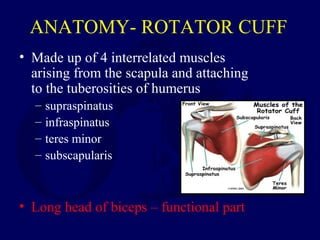
Rotator cuff disorders encompass a range of conditions that affect the muscles and tendons surrounding the shoulder joint. Understanding the different types of rotator cuff disorders is crucial for effective nursing management.
Rotator Cuff Tendinitis
Rotator cuff tendinitis, also known as shoulder impingement syndrome, occurs when the tendons of the rotator cuff become inflamed or irritated. This condition is often caused by repetitive overhead arm movements or degenerative changes in the tendons. Patients typically experience pain and tenderness in the shoulder, especially with overhead activities. Nursing interventions for rotator cuff tendinitis focus on pain management, range of motion exercises, and patient education on proper ergonomics and avoidance of aggravating activities.
Rotator Cuff Tear
A rotator cuff tear refers to a partial or complete tear of the tendons that make up the rotator cuff. These tears can result from acute traumatic events, such as falls or sports injuries, or degenerative changes over time. Patients with a rotator cuff tear may experience severe pain, weakness, and limited range of motion in the affected shoulder. Nursing interventions for rotator cuff tears include pain management, range of motion exercises, and collaborative care with the healthcare team to determine the need for surgical repair.
Rotator Cuff Impingement Syndrome
Rotator cuff impingement syndrome is similar to rotator cuff tendinitis, but it typically involves the pinching or compression of the rotator cuff tendons between the humeral head and the acromion process of the scapula. This impingement can occur due to various factors, such as anatomical abnormalities, repetitive motions, or muscle imbalances. Nursing interventions for rotator cuff impingement syndrome focus on pain management, range of motion exercises, and education on proper ergonomics and avoidance of aggravating activities.

Nursing Interventions for Rotator Cuff Disorders
Nursing interventions play a crucial role in the management of rotator cuff disorders. The goal of these interventions is to alleviate pain, promote healing, restore range of motion, and educate patients on self-care and prevention strategies.
Pain Management
Pain management is an essential aspect of nursing care for patients with rotator cuff disorders. Non-pharmacological interventions such as ice therapy, heat therapy, and transcutaneous electrical nerve stimulation (TENS) can help relieve pain and reduce inflammation. Additionally, analgesics and nonsteroidal anti-inflammatory drugs (NSAIDs) may be prescribed for pain control. It is important to monitor the patient’s pain levels, assess the effectiveness of pain management interventions, and provide education on proper pain medication administration and potential side effects.
Range of Motion Exercises
Range of motion exercises are crucial for patients with rotator cuff disorders to restore joint mobility and prevent stiffness. Nursing interventions include teaching patients specific exercises to improve shoulder flexibility and strength. These exercises can be performed with or without assistance, and it is important to provide clear instructions and demonstrations to ensure proper technique. Regular monitoring and evaluation of the patient’s progress in the range of motion exercises are necessary to assess the effectiveness of the intervention and modify the treatment plan accordingly.
Education and Counseling
Patient education and counseling are essential components of nursing care for rotator cuff disorders. Nurses play a vital role in providing patients with information and resources to manage their condition effectively. This includes educating patients about the specific rotator cuff disorder they have, explaining the treatment options available, and discussing self-care strategies for pain management and prevention of further injury. Counseling is also important to address any psychological or emotional concerns the patient may have related to their condition, such as anxiety, fear, or frustration. By providing comprehensive education and counseling, nurses can empower patients to actively participate in their care and make informed decisions about their treatment and lifestyle modifications.
Prevention and Lifestyle Modifications
Prevention and lifestyle modifications are crucial for individuals at risk of developing or exacerbating rotator cuff disorders. By implementing proper ergonomics, avoiding overhead activities, and incorporating strength training and stretching exercises into their routine, individuals can reduce the risk of experiencing rotator cuff injuries.
Proper Ergonomics
Proper ergonomics play a significant role in preventing rotator cuff disorders, especially for individuals whose jobs or daily activities require repetitive arm movements or lifting heavy objects. Nurses can educate patients on maintaining good posture, using proper body mechanics, and avoiding prolonged or awkward positions that can strain the shoulder joint. This can include providing tips on how to adjust seating and workstations to promote correct body alignment and reduce the risk of shoulder injuries.
Avoidance of Overhead Activities
Engaging in repeated overhead activities can put excessive stress on the rotator cuff tendons and lead to overuse injuries. Nurses can educate patients on the importance of avoiding or modifying activities that involve repetitive arm movements above shoulder level, such as painting, lifting weights overhead, or playing certain sports. By reducing the frequency or intensity of these activities, patients can minimize the risk of developing rotator cuff disorders.
Strength Training and Stretching
Regular strength training and stretching exercises can help prevent rotator cuff disorders by maintaining shoulder joint stability and flexibility. Nurses can provide patients with guidance on appropriate exercises to strengthen the muscles surrounding the shoulder joint, such as the deltoids and rotator cuff muscles. Additionally, stretching exercises can improve flexibility and prevent muscle imbalances that can contribute to the development of rotator cuff disorders. Nurses can teach patients proper technique and recommend specific exercises that target the shoulder muscles to include in their exercise routine.
Collaborative Care and Surgical Interventions
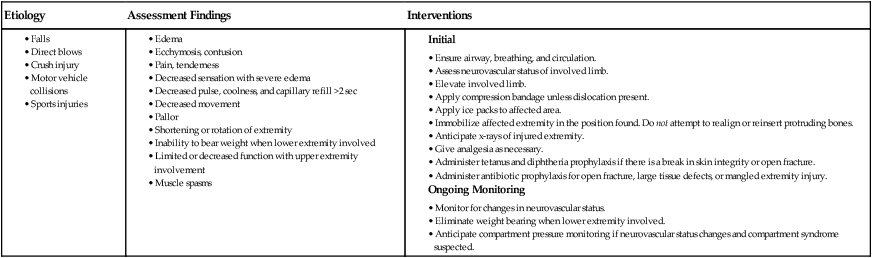
In some cases, conservative treatment approaches may not be sufficient to manage rotator cuff disorders effectively. Collaborative care with the healthcare team, including orthopedic surgeons, may be necessary to determine the need for surgical interventions.
Conservative Treatment Approaches
Conservative treatment approaches are usually the first line of management for rotator cuff disorders. These may include rest, physical therapy, nonsteroidal anti-inflammatory drugs (NSAIDs) for pain management, and corticosteroid injections to alleviate inflammation. Nurses play a crucial role in collaborating with the healthcare team to ensure that the patient receives appropriate conservative treatment and monitoring the effectiveness of these interventions in managing symptoms and promoting healing.
Arthroscopic Repair
Arthroscopic repair is a minimally invasive surgical procedure used to repair partial or complete tears of the rotator cuff tendons. During the procedure, a small camera and specialized instruments are inserted into the shoulder joint through small incisions. This allows the surgeon to visualize and repair the torn tendons. Nurses play an important role in preoperative preparation, assisting during the procedure, and providing postoperative care and education.
Open Surgical Repair
Open surgical repair may be necessary for larger or more complex rotator cuff tears. This procedure involves making a larger incision to access the damaged tissue and repair the torn tendons. Nurses collaborate with the surgical team to ensure that the patient is adequately prepared for the procedure, monitor vital signs and anesthesia during surgery, and provide postoperative care and support. They also play a crucial role in educating the patient and their caregivers about postoperative care, wound management, and potential complications to watch for.
Post-Operative Nursing Care
Post-operative nursing care is essential in promoting optimal healing, managing pain, and preventing complications in patients who undergo surgical interventions for rotator cuff disorders.
Pain Control and Management
After surgery, patients may experience varying levels of pain and discomfort. Nurses play a critical role in assessing and managing postoperative pain by providing appropriate pain medications, implementing non-pharmacological pain management strategies, and closely monitoring the patient’s pain level and response to treatment. Adequate pain control not only promotes patient comfort but also facilitates early mobilization and facilitates the healing process.
Management of Surgical Drainage
Following surgical repair of the rotator cuff, patients may have a surgical drainage system in place to remove excess fluid. Nurses closely monitor the drainage, assess for any signs of infection or complications, and ensure the drainage system is functioning properly. They also educate the patient and their caregivers on how to manage and care for the drainage system, including monitoring the amount and appearance of the drainage and following proper aseptic techniques when emptying or changing the drainage container.
Wound Care
Proper wound care is essential to prevent infection and facilitate healing after rotator cuff surgery. Nurses assess the surgical incision site for signs of infection, such as redness, swelling, or drainage, and instruct the patient on proper wound care techniques. This may include washing the incision site according to the surgeon’s instructions, applying sterile dressings, and ensuring the incision remains clean and dry. Nurses also educate patients on signs of wound infection to watch for and when to seek medical attention.
Home Care and Rehabilitation
After initial hospitalization and post-operative care, patients with rotator cuff disorders will continue their recovery and rehabilitation at home. Nurses play a vital role in educating patients on home care measures, ensuring adherence to medications and rehabilitation plans, and coordinating with other healthcare professionals involved in the patient’s care.
Home Safety Measures
Nurses educate patients and their caregivers on home safety measures to prevent falls or further injury to the affected shoulder. This may include recommending the use of assistive devices, such as grab bars or a shower chair, to improve mobility and reduce the risk of accidents. It is important to assess the patient’s home environment for any potential hazards and provide appropriate recommendations to enhance safety and promote independence.
Compliance with Medications and Rehabilitation Plan
To promote optimal recovery, patients must adhere to their prescribed medications and rehabilitation plans. Nurses play a crucial role in educating patients on the importance of medication compliance, potential side effects, and proper techniques for administering medications. They also provide instructions and guidance on performing rehabilitation exercises correctly and following the recommended schedule. Regular monitoring of medication compliance and progress in rehabilitation exercises allows nurses to identify any barriers or challenges and provide the necessary support and guidance.
Physical Therapy
Physical therapy is a key component of rehabilitation for patients with rotator cuff disorders. Nurses coordinate with physical therapists to ensure that patients receive timely and appropriate physical therapy sessions. They provide education on the importance of attending therapy sessions, actively participating in exercises, and reporting any concerns or difficulties to the therapist. Collaboration with the physical therapy team enables nurses to monitor the patient’s progress, modify the rehabilitation plan as needed, and provide ongoing support and encouragement.
Patient Education and Self-Management
Patient education and self-management are crucial in empowering individuals with rotator cuff disorders to actively participate in their care and optimize their outcomes. Nurses play a vital role in providing comprehensive education on the disorder, treatment options, self-care strategies, and recognizing signs of complications.
Understanding the Disorder and Treatment Options
Nurses educate patients on the specific rotator cuff disorder they have, explaining the underlying causes, common symptoms, and potential complications. They discuss the various treatment options available, including conservative management, surgical interventions, and rehabilitative measures. By providing clear and concise information, nurses enable patients to make informed decisions about their treatment and actively participate in their care.
Home Exercises and Mobility
Nurses teach patients appropriate home exercises to promote mobility and strengthen the shoulder muscles. They provide detailed instructions on how to perform these exercises correctly, ensuring that patients understand the purpose, technique, and frequency. By empowering patients to take control of their rehabilitation, nurses foster independence and enhance the effectiveness of the home exercise program.
Recognizing Signs of Complications
It is essential to educate patients on the signs and symptoms of potential complications following rotator cuff surgery or conservative management. Nurses provide information on warning signs related to infection, deep vein thrombosis, nerve injury, or re-tearing of the repaired tendon. Patients are educated on when to seek immediate medical attention and to report any concerning symptoms promptly. This knowledge empowers patients to take proactive measures and seek early intervention if complications arise.
Psychosocial Considerations
Rotator cuff disorders can have significant psychosocial implications for patients. Nurses provide emotional support, coping strategies, and resources to help patients navigate these psychological aspects of their condition.
Emotional Support and Coping Strategies
Dealing with a rotator cuff disorder can be challenging emotionally, particularly when it affects the patient’s ability to perform daily activities or engage in hobbies they enjoy. Nurses provide empathy, active listening, and emotional support to help patients cope with the physical and emotional impact of their condition. They offer guidance on stress management techniques, relaxation exercises, and problem-solving strategies. By acknowledging the patient’s emotional struggles and providing support, nurses help foster resilience and overall well-being.
Support Groups and Resources
Support groups and resources can play a vital role in helping patients with rotator cuff disorders navigate their condition. Nurses provide information on local support groups or online communities where patients can connect with others facing similar challenges. They also recommend reputable websites, books, or educational materials that provide additional information and resources. By facilitating connections and providing access to valuable resources, nurses enhance the patient’s support network and promote a sense of community.
Body Image and Self-esteem
Rotator cuff disorders, especially when accompanied by surgical interventions, can impact a patient’s body image and self-esteem. Nurses address body image concerns by providing reassurance, empathy, and education on the normal healing process. They emphasize the importance of self-care, encourage patients to focus on their strengths rather than their temporary limitations, and promote positive body image and self-esteem. Nurses also play a crucial role in referring patients to appropriate counseling services or support groups that specialize in body image issues and self-esteem.
Follow-up and Evaluation
Follow-up and evaluation are essential components of nursing care for patients with rotator cuff disorders. These processes involve assessing the effectiveness of the treatment, evaluating rehabilitation progress, and identifying any potential long-term complications.
Assessment of Treatment Effectiveness
Nurses collaborate with the healthcare team to assess the effectiveness of the chosen treatment plan for rotator cuff disorders. This involves evaluating the patient’s pain level, range of motion, and functional abilities following conservative measures or surgical interventions. Nurses actively seek patient feedback, review their progress based on the treatment goals, and make recommendations for modifications or adjustments if needed. By regularly assessing treatment effectiveness, nurses ensure that the patient receives appropriate and timely interventions that optimize outcomes.
Evaluation of Rehabilitation Progress
Regular evaluation of the patient’s rehabilitation progress is essential to determine the effectiveness of physical therapy and exercises in restoring range of motion and strength. Nurses collaborate with physical therapists to review the patient’s range of motion measurements, strength assessments, and any challenges or limitations they may be experiencing. Based on the evaluation results, nurses work with the patient and physical therapy team to identify areas that require further focus or modification to achieve optimal rehabilitation outcomes.
Identification of Long-term Complications
While the majority of patients with rotator cuff disorders respond well to conservative or surgical treatment, some may experience long-term complications. Nurses play a crucial role in educating patients on the potential complications associated with their specific rotator cuff disorder and surgical interventions. They provide instructions on self-monitoring for signs of complications, such as recurrent pain, loss of range of motion, or weakness. Early identification and intervention can help mitigate the impact of long-term complications and ensure optimal patient outcomes.
In conclusion, proper assessment, nursing interventions, prevention and lifestyle modifications, collaborative care, post-operative nursing care, home care and rehabilitation, patient education and self-management, psychosocial considerations, and follow-up and evaluation are all crucial aspects of nursing for patients with rotator cuff disorders. By providing comprehensive care and support, nurses play a vital role in optimizing patient outcomes and promoting the overall well-being of individuals with these conditions.