
With the increasing demand for spine surgeries, it is essential for nurses to be equipped with the necessary knowledge and skills to provide optimum care for patients undergoing these procedures. In this article, we will explore the important nursing considerations and management strategies that are crucial in ensuring the well-being and recovery of individuals who have undergone a spine operation. From pre-operative assessments to post-operative care, join us as we delve into the various aspects of nursing care that play a vital role in the success of spine surgeries. So, grab a cup of coffee and let’s get started on this informative journey!

Preoperative Considerations
Assessment of the patient’s medical history
Before a spine operation, it is crucial for nurses to conduct a comprehensive assessment of the patient’s medical history. This involves reviewing the patient’s past medical conditions, previous surgeries, allergies, and current medications. By obtaining a detailed medical history, nurses can identify any potential risk factors or contraindications that may impact the surgical procedure.
Physical examination and neurovascular assessment
In addition to assessing the patient’s medical history, a thorough physical examination is essential. Nurses should perform a neurovascular assessment to evaluate the patient’s neurological status, motor and sensory function, and circulatory status. This assessment helps identify any existing neurological deficits or abnormalities that may impact the surgical procedure or postoperative care.
Diagnostic tests and imaging
Diagnostic tests and imaging play a crucial role in preoperative spine surgery management. Nurses must ensure that the patient undergoes all necessary tests, such as blood work, X-rays, CT scans, or MRI scans. These tests help the surgical team assess the patient’s condition more accurately, plan the surgical procedure effectively, and anticipate any potential complications.
Collaboration with the surgical team
Effective collaboration between nurses and the surgical team is vital for achieving optimal patient outcomes. Nurses should communicate and coordinate with the surgeons, anesthesiologists, and other healthcare professionals involved in the surgical procedure. This collaboration ensures that everyone is well-informed about the patient’s condition, surgical plan, and any specific intraoperative requirements.
Patient and family education
Preparing patients and their families for spine surgery is a crucial role for nurses. Through patient and family education, nurses can alleviate fears and anxieties, promote a realistic understanding of the surgical procedure, and help establish realistic expectations for postoperative recovery. Nurses should address any questions or concerns and provide information about preoperative preparation, expected outcomes, and potential complications, enabling patients and their families to actively participate in the planning and decision-making process.
Intraoperative Considerations
Preparation of the operating room and equipment
Nurses play a key role in preparing the operating room and ensuring that all required equipment and supplies are readily available during a spine operation. They must collaborate with the surgical team to set up the operating room according to the specific requirements of the surgical procedure. This includes sterilizing instruments, arranging surgical drapes, and ensuring the availability of necessary equipment, such as surgical lights, suction devices, and anesthesia machines.
Assisting the surgical team
During spine surgery, nurses provide valuable assistance to the surgical team. They may be responsible for handing instruments to the surgeon, holding retractors, or assisting with suturing. Nurses must closely follow the surgeon’s instructions and maintain a sterile field throughout the procedure to minimize the risk of infection or other complications.
Monitoring vital signs and patient positioning
Monitoring the patient’s vital signs during an operation is crucial for nurses. They must closely monitor the patient’s heart rate, blood pressure, respiratory rate, and oxygen saturation levels to identify any deviations from normal. Nurses also assist in ensuring the patient is positioned correctly, taking into account the specific requirements of the surgical procedure and maintaining the patient’s comfort and safety.
Administration of anesthesia and medications
Nurses collaborate closely with anesthesiologists during spine surgery to provide safe and effective anesthesia and medications. They assist in the administration of anesthesia, monitor the patient’s response to anesthesia, and ensure that the patient remains adequately sedated and pain-free throughout the surgical procedure. Nurses also assist in administering medications as prescribed, such as antibiotics or analgesics, to prevent infections and manage pain.
Surgical site management
Nurses are responsible for managing the surgical site during the operation. They ensure that the site remains clean and sterile, assisting the surgical team in maintaining aseptic techniques. Nurses monitor the incision site for any signs of bleeding or infection, and they may assist with wound closure and dressing application. Proper surgical site management is essential for reducing the risk of postoperative complications and promoting optimal wound healing.
Postoperative Considerations
Immediate postoperative care in the recovery room
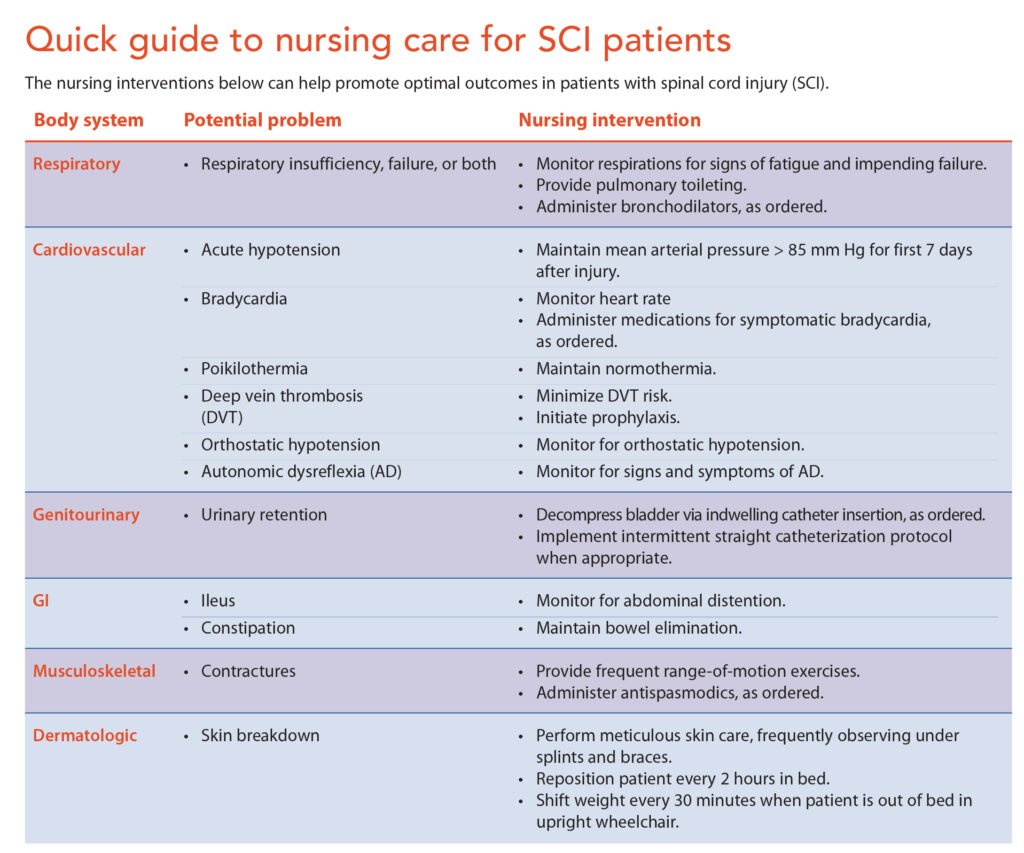
After spine surgery, the immediate postoperative care is provided in the recovery room, also known as the post-anesthesia care unit (PACU). Nurses play a vital role in this phase of care. They closely monitor the patient’s vital signs, assess the patient’s level of consciousness and pain, and ensure the patient’s overall stability. Nurses also initiate postoperative orders, such as ordering additional diagnostic tests or medications, as necessary, and documenting the patient’s condition and response to surgical intervention.
Monitoring vital signs and neurological status
Postoperative monitoring of vital signs and neurological status is crucial for nurses. They continue to closely monitor the patient’s heart rate, blood pressure, respiratory rate, temperature, and oxygen saturation levels. In addition, nurses assess and document the patient’s neurological status, including motor and sensory function, and monitor for any signs of complications, such as spinal cord injury or nerve damage. Prompt recognition and response to changes in vital signs or neurological status are essential to ensure early intervention and prevent further complications.
Pain management and comfort measures
Managing postoperative pain is a priority for nurses caring for patients after spine surgery. Nurses assess and reassess the patient’s pain intensity and location, implement multimodal pain management strategies, and administer pain medications as prescribed. They also provide comfort measures, such as repositioning the patient, applying cold or heat therapy, or providing relaxation techniques to promote overall comfort and well-being.
Assessment and management of drains and catheters
In some cases, patients may require drains or catheters after spine surgery. Nurses are responsible for assessing these devices regularly to ensure proper functioning and to monitor for any signs of complications, such as infection or blockage. Nurses also provide ongoing care and maintenance for drains and catheters, including emptying and changing drainage bags or catheter collection systems according to hospital protocols and infection prevention practices.
Prevention of complications such as infection or bleeding
Preventing postoperative complications is a crucial aspect of nursing care after spine surgery. Nurses strictly adhere to infection control practices, such as proper hand hygiene and aseptic techniques, to reduce the risk of surgical site infections or other hospital-acquired infections. They monitor the patient’s surgical incision site for any signs of infection, such as redness, swelling, or drainage. Nurses also assess for signs of bleeding, such as excessive drainage or hematoma formation, and implement preventive measures to minimize the risk of complications.
Nursing Interventions and Support
Promoting mobility and safe ambulation
Promoting early mobility and safe ambulation is a vital nursing intervention for patients recovering from spine surgery. Nurses work closely with physical therapists to develop a plan of care that includes gradual mobilization and exercises to enhance the patient’s range of motion and strength. Nurses assist patients in the initial stages of ambulation, providing support and education to ensure safe movement and minimize the risk of falls or postoperative complications.
Monitoring and managing wound healing
Monitoring and managing wound healing are essential nursing interventions after spine surgery. Nurses regularly assess the surgical incision site for signs of healing, such as the absence of redness, swelling, or drainage. They promptly report any signs of infection or delayed wound healing to the surgical team for further evaluation and intervention. Nurses also provide wound care, such as dressing changes or irrigation, following the surgeon’s orders and use evidence-based practices to optimize wound healing.
Ensuring proper alignment and body mechanics
Maintaining proper alignment and body mechanics is crucial for patients recovering from spine surgery. Nurses provide education and support to help patients understand the importance of maintaining good posture, avoiding excessive bending or twisting movements, and using proper body mechanics during activities of daily living. Nurses assist patients in finding comfortable positions, using assistive devices when necessary, and provide guidance on how to safely perform routine tasks without putting unnecessary strain on the spine.
Providing emotional support and education
Patients undergoing spine surgery may experience a range of emotional responses, including anxiety, fear, or frustration. Nurses play a crucial role in providing emotional support and education to help patients cope with these emotions. They listen actively, validate patients’ feelings, and provide reassurance and encouragement throughout the recovery process. Nurses educate patients about the expected physical and emotional changes during the recovery period, as well as coping strategies and available resources to support their overall well-being.
Assisting with activities of daily living
Assisting patients with activities of daily living (ADLs) is an essential component of nursing care after spine surgery. Depending on the patient’s condition and level of independence, nurses may assist with tasks such as bathing, dressing, grooming, or feeding. Nurses prioritize patient safety and use appropriate assistive devices or techniques to promote independence and ensure a comfortable and dignified recovery.
Collaboration with the Multidisciplinary Team
Working closely with the surgeon and anesthesiologist
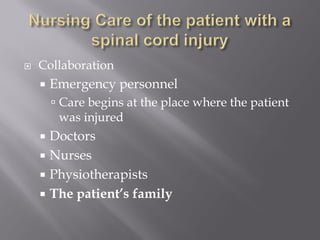
Collaboration with the surgeon and anesthesiologist is crucial for nurses caring for patients undergoing spine surgery. Nurses communicate with the surgical team to ensure a clear understanding of the surgical plan, anesthesia management, and specific patient needs. They provide updates on the patient’s condition, assist in coordinating intraoperative care, and collaborate to optimize the patient’s outcomes. Effective teamwork and communication between nurses, surgeons, and anesthesiologists are essential for providing safe and coordinated care.
Consulting with physical and occupational therapists
Physical and occupational therapists play a significant role in the rehabilitation and recovery process after spine surgery. Nurses collaborate closely with these therapists, consulting them to develop individualized rehabilitation plans and goals for patients. They share relevant patient information to ensure coordinated care, provide updates on the patient’s progress, and collaborate to address any barriers or challenges. This multidisciplinary approach helps maximize the patient’s function and independence during the recovery period.
Collaborating with pain management specialists
Managing postoperative pain is a complex task that often requires collaboration with pain management specialists. Nurses collaborate closely with pain management specialists to develop and implement effective pain management strategies. They communicate the patient’s pain assessment findings, response to pain medications, and any concerns or challenges encountered during pain management. This collaboration aims to provide optimal pain control while minimizing the risk of adverse side effects or complications.
Involving social workers or case managers
Social workers or case managers play a crucial role in the holistic care of patients undergoing spine surgery. Nurses collaborate with these professionals to address any psychosocial or socioeconomic factors that may impact the patient’s recovery. They provide relevant patient information, such as discharge planning needs, financial resources, or support services required, to facilitate a smooth transition from the hospital to the patient’s home or rehabilitation setting. Involving social workers or case managers ensures that the patient’s overall needs and well-being are adequately addressed.
Coordinating home health care or rehabilitation services
Coordinating home health care or rehabilitation services is an important aspect of nursing care for patients undergoing spine surgery. Nurses collaborate with these services to ensure a seamless transition from the hospital to the patient’s home environment or rehabilitation facility. They provide necessary information about the patient’s condition, functional limitations, and care needs to ensure that appropriate services are in place. Effective coordination with home health care or rehabilitation services promotes continuity of care and supports the patient’s recovery and rehabilitation goals.
Patient Education and Discharge Planning
Educating the patient and family about postoperative care
Patient education is a fundamental aspect of nursing care after spine surgery. Nurses provide comprehensive education to patients and their families regarding postoperative care. This education includes information about wound care, medication management, activity restrictions, signs and symptoms of potential complications, and strategies for promoting optimal recovery. By providing tailored and evidence-based education, nurses empower patients and their families to actively participate in their own care and make informed decisions regarding their health.
Teaching about medication management and potential side effects
Nurses play a vital role in teaching patients about medication management after spine surgery. They provide information about the medications prescribed, including dosages, administration schedules, and potential side effects. Nurses ensure that patients understand the purpose of each medication and the importance of adherence to the prescribed regimen. They also educate patients about self-monitoring for potential side effects and when to seek medical attention. Education on medication management enhances patient safety and promotes optimal therapeutic outcomes.
Providing instructions for wound care and incision hygiene
Proper wound care and incision hygiene are essential for preventing infections and promoting optimal wound healing after spine surgery. Nurses provide detailed instructions to patients and family members on how to care for the surgical incision and maintain adequate hygiene. This includes guidance on changing dressings, cleaning the incision site, and recognizing signs of infection or delayed wound healing. Clear and concise instructions empower patients and their families to actively participate in wound care and reduce the risk of complications.
Promoting self-care and gradual return to normal activities
As patients recover from spine surgery, it is essential to promote self-care and encourage a gradual return to normal activities. Nurses educate patients on strategies to promote independence and self-care, such as proper body mechanics, ergonomics, and pacing activities. They provide guidance on gradually increasing physical activity levels, avoiding strenuous activities, and following recommended restrictions from the surgical team. By promoting self-care and a gradual return to normal activities, nurses support the patient’s recovery and prevent injuries or setbacks.
Addressing concerns and providing appropriate resources
Effective patient education and discharge planning involve addressing patient concerns and providing appropriate resources. Nurses create a supportive and open environment for patients and their families to express any fears, concerns, or questions they may have. They provide empathetic listening, clarify misunderstandings, and address concerns promptly. Nurses also provide information on available community resources or support services, such as support groups or home health care agencies, to ensure that patients have access to appropriate resources for ongoing care and support.
Pain Management
Assessing and reassessing pain intensity and location
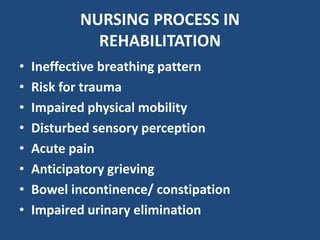
Pain assessment and reassessment are essential components of pain management after spine surgery. Nurses routinely assess and reassess the patient’s pain intensity and location to determine the effectiveness of pain management strategies. They use standardized pain assessment tools and consider the patient’s self-report, non-verbal cues, and physiological indicators of pain to develop an accurate understanding of the pain experience. Regular and thorough pain assessment ensures that appropriate interventions are implemented for optimal pain control.
Implementing multimodal pain management strategies
Multimodal pain management involves combining different pain management strategies to achieve optimal pain control while minimizing the reliance on opioids alone. Nurses collaborate with the healthcare team to implement multimodal pain management strategies for patients recovering from spine surgery. These may include non-pharmacological interventions, such as heat or cold therapy, positioning, relaxation techniques, or guided imagery, in addition to pharmacological interventions. By using a multimodal approach, nurses aim to manage pain effectively while reducing the risk of opioid-related side effects or complications.
Administering pain medications as prescribed
Nurses are responsible for administering pain medications to patients recovering from spine surgery accurately. They ensure that medications are administered according to the prescribed dosage, frequency, and route. Nurses closely monitor the patient’s response to pain medications, document their effectiveness, and promptly report any concerns or adverse reactions to the healthcare team. By managing pain medications appropriately, nurses help alleviate the patient’s pain, promote comfort, and support the overall recovery process.
Monitoring for side effects and adverse reactions
In addition to managing pain, nurses closely monitor patients for any potential side effects or adverse reactions related to pain medications. They assess for common side effects, such as sedation, constipation, nausea, or respiratory depression, and promptly report any concerns to the healthcare team. Nurses educate patients about the potential side effects and provide guidance on strategies to minimize their occurrence or manage them effectively. Regular monitoring and proactive communication help ensure safe and optimal pain management.
Collaborating with the pain management team for optimal pain control
Pain management after spine surgery often requires collaboration with specialized pain management teams or specialists. Nurses collaborate closely with the pain management team to optimize pain control for patients. They provide valuable input by communicating the patient’s pain assessment and response to pain management interventions. Nurses also actively participate in pain management rounds or discussions, ensuring that the patient’s pain management plan is comprehensive, individualized, and implemented effectively. Collaborative efforts between nurses and the pain management team aim to provide the patient with the best possible pain relief and enhance their overall recovery experience.
Complications and Emergency Response
Assessing for potential complications such as infection or thromboembolism
Nurses play a crucial role in assessing patients recovering from spine surgery for potential complications. They monitor for signs and symptoms of complications such as surgical site infections, deep vein thrombosis (DVT), or pulmonary embolism (PE). Nurses assess the patient’s vital signs, evaluate laboratory results, and gather information about any changes in the patient’s condition. Assessing for potential complications allows for early identification and intervention, minimizing the impact on the patient’s recovery and preventing further complications.
Implementing preventive measures to reduce the risk of complications
Prevention is key in reducing the risk of postoperative complications after spine surgery. Nurses implement preventive measures based on evidence-based guidelines and institutional protocols. These measures may include regular turning and repositioning, early ambulation, leg exercises to prevent DVT, appropriate hand hygiene, and aseptic techniques to prevent surgical site infections. Nurses educate patients and their families about the importance of these preventive measures and provide guidance on their implementation. By implementing preventive measures, nurses promote a safe recovery environment and reduce the incidence of complications.
Recognizing and responding to signs of complications
Nurses must have the knowledge and skills to recognize and respond promptly to signs of complications in patients recovering from spine surgery. They remain vigilant for symptoms such as wound redness, swelling, or drainage; changes in vital signs; shortness of breath; chest pain; or changes in neurological status. Nurses collaborate with the healthcare team to determine the appropriate response to these signs, which may involve diagnostic tests, specialist consultations, or immediate interventions. Recognizing and responding to complications in a timely manner is essential for minimizing their impact on the patient’s recovery and preventing further deterioration.
Emergency response protocols for spinal emergencies
In rare cases, patients recovering from spine surgery may experience spinal emergencies, such as spinal cord compression or nerve root compromise. Nurses must be familiar with the emergency response protocols specific to these situations. They collaborate with the healthcare team to develop and implement appropriate emergency response plans, such as stabilizing the spine, obtaining urgent imaging, or administering specific medications. Nurses ensure that they are trained in the specific procedures and equipment required for managing spinal emergencies and are prepared to act swiftly to prevent further damage and optimize patient outcomes.
Collaborating with the healthcare team in emergency situations
In emergency situations, effective collaboration is essential for providing optimal care to patients recovering from spine surgery. Nurses collaborate closely with the healthcare team, including surgeons, anesthesiologists, emergency physicians, or critical care specialists. They communicate pertinent information regarding the patient’s condition, assist in implementing emergency interventions, and provide support and coordination throughout the emergency response. Collaborative efforts ensure that appropriate interventions are implemented promptly to stabilize the patient and prevent further complications.
Rehabilitation and Follow-up Care
Referring patients for postoperative rehabilitation
After spine surgery, many patients require postoperative rehabilitation to optimize their recovery and regain optimal function. Nurses play an essential role in referring patients to appropriate rehabilitation services. They collaborate with physical and occupational therapists, assess the patient’s functional status, and identify specific rehabilitation needs. By making timely referrals, nurses ensure that the patient receives the necessary rehabilitation services to facilitate a successful recovery and the attainment of rehabilitation goals.
Monitoring progress in physical therapy
Physical therapy is a critical component of the rehabilitation process after spine surgery. Nurses closely monitor the patient’s progress in physical therapy, collaborating with the physical therapist to assess the patient’s functional improvements and limitations. They communicate regularly with the physical therapist to identify any challenges or concerns and ensure that the rehabilitation plan is tailored to the patient’s evolving needs. Monitoring progress in physical therapy helps nurses gauge the effectiveness of the rehabilitation plan, make necessary adjustments, and support the patient’s overall recovery.
Assessing patient compliance with rehabilitation plans
Patient compliance with rehabilitation plans is essential for achieving optimal outcomes after spine surgery. Nurses assess patient compliance with recommended exercises, activity restrictions, and lifestyle modifications. They provide education and support to address any barriers to compliance, such as pain, fear, or lack of understanding. By monitoring patient compliance, nurses help identify any additional resources or interventions needed to enhance patient engagement and adherence to rehabilitation plans.
Providing ongoing support and education
Support and education are vital components of nursing care during the rehabilitation phase after spine surgery. Nurses provide ongoing support to patients and their families, addressing questions or concerns and encouraging participation in the rehabilitation process. They offer empathy, emotional support, and motivational techniques to promote the patient’s overall well-being and engagement in the recovery process. Nurses also provide ongoing education about self-care, functional independence, and strategies for preventing future spinal problems, empowering patients to take an active role in their long-term health and well-being.
Scheduling and coordinating follow-up appointments
Coordinating follow-up appointments is an important aspect of nursing care after spine surgery. Nurses collaborate with the healthcare team, including surgeons, rehabilitation specialists, or pain management specialists, to schedule appropriate follow-up appointments. They ensure that patients and their families receive necessary information about scheduled appointments, including dates, times, and locations. Nurses also provide education regarding the purpose of each follow-up appointment and any specific instructions or preparations required. By coordinating and scheduling follow-up appointments, nurses facilitate ongoing monitoring, assessment, and intervention, promoting continuity of care and optimal patient outcomes.
Ethical and Legal Considerations
Respecting patient autonomy and informed consent
Respecting patient autonomy and ensuring informed consent are essential ethical considerations in nursing care for patients undergoing spine surgery. Nurses play a vital role in advocating for patients’ rights to make informed decisions regarding their healthcare. They ensure that patients have access to complete and accurate information about the surgical procedure, potential risks, benefits, and alternatives. Nurses confirm that patients understand this information and have the capacity to provide informed consent. Respecting patient autonomy promotes shared decision-making, trust, and a positive therapeutic relationship between the patient, their family, and the healthcare team.
Ensuring patient privacy and confidentiality
Protecting patient privacy and maintaining confidentiality are legal and ethical obligations for nurses providing care for patients undergoing spine surgery. Nurses strictly adhere to privacy and confidentiality laws and regulations, ensuring that patients’ personal health information is accessed and shared only on a need-to-know basis. Nurses take appropriate measures to safeguard patient information, such as ensuring secure documentation, using secure communication methods, and maintaining physical and electronic privacy in care settings. By respecting patient privacy and confidentiality, nurses uphold patients’ rights and foster a trusting nurse-patient relationship.
Adhering to professional standards and guidelines
Adhering to professional standards and guidelines is fundamental to nursing care during spine surgery. Nurses practice within the scope of their professional responsibilities, following local, national, and international standards of nursing practice. They remain abreast of current evidence-based guidelines and best practices related to spine surgery nursing care. By adhering to professional standards, nurses ensure the provision of safe, ethical, and competent nursing care, contributing to positive patient outcomes and the advancement of the nursing profession.
Addressing potential ethical dilemmas in spine surgery
Spine surgery can present various ethical dilemmas that require careful consideration and decision-making. Nurses may encounter situations where the patient’s autonomy conflicts with their best interests or where personal beliefs clash with professional obligations. In these instances, nurses collaborate with the healthcare team, engage in ethical discussions, and seek guidance from clinical ethics committees or resources within the healthcare institution. Addressing potential ethical dilemmas involves open communication, ethical decision-making frameworks, and respecting the rights and well-being of the patient.
Understanding legal implications and liability
Nurses providing care for patients undergoing spine surgery must have a comprehensive understanding of the legal implications and their professional liability. They practice within the legal framework defined by local, national, and international laws and regulations governing nursing practice. Nurses document accurately and thoroughly, adhering to legal and regulatory requirements. They also remain knowledgeable about risk management principles, malpractice issues, and their professional obligations in reporting adverse events or errors. Understanding legal implications and liability ensures that nurses provide safe and compliant care, protect patient rights, and uphold professional standards of practice.