
Are you looking for guidance on the nutritional dietary requirements for febrile seizures? Look no further! In this article, we will provide you with a comprehensive overview of the foods that are allowed to be eaten during febrile seizures. Understanding the importance of proper nutrition during such episodes can help ensure the well-being and recovery of your loved ones. So, let’s explore the essential dietary requirements that can support your journey towards managing febrile seizures effectively.

Introduction
Febrile seizures can be a scary experience for both children and their parents. These seizures are often triggered by a sudden spike in body temperature during a fever. While they are generally harmless and resolve on their own, it’s important to take steps to manage febrile seizures and reduce their frequency. One crucial aspect of seizure management is ensuring that your child’s nutritional dietary requirements are met. A well-balanced diet can play a significant role in maintaining overall health and minimizing the occurrence of seizures. In this article, we will explore the importance of nutrition in febrile seizure management and provide you with comprehensive guidelines to help you make informed dietary choices for your child.
Definition of febrile seizures
Febrile seizures are convulsions that occur in children between the ages of six months and five years, usually as a result of a high fever. These seizures are not typically associated with underlying neurological conditions and are considered to be a temporary reaction to a fever. Febrile seizures are classified as simple or complex, depending on their duration and characteristics. Simple seizures are brief, typically lasting less than 15 minutes, and are characterized by repetitive shaking of the child’s body and loss of consciousness. Complex seizures, on the other hand, last longer than 15 minutes or involve only one side of the body. It’s important to note that febrile seizures do not cause long-term neurological damage.
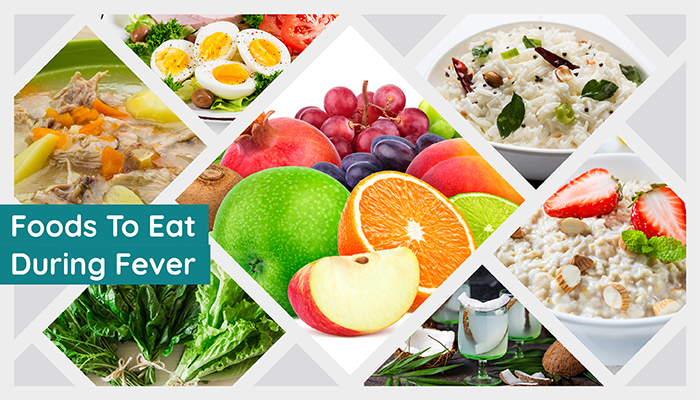
Importance of nutritional dietary requirements
Proper nutrition plays a vital role in overall health, and this is no different when it comes to managing febrile seizures. A balanced diet that provides all the necessary macronutrients and micronutrients can help support the immune system, regulate body temperature, and reduce the risk of nutritional deficiencies, which may contribute to the occurrence of seizures. By ensuring that your child’s nutritional needs are met, you can optimize their overall well-being and potentially reduce the frequency or severity of febrile seizures.
General Nutritional Guidelines
Balanced diet
A balanced diet consists of a variety of foods from each food group, providing the necessary nutrients in the right proportions. It is important to include fruits, vegetables, whole grains, lean meats, and dairy products in your child’s daily meals to ensure they receive a wide range of vitamins, minerals, proteins, and carbohydrates.
Adequate hydration
Proper hydration is essential for maintaining a healthy body temperature and overall bodily functions. Encourage your child to drink plenty of fluids throughout the day, especially water. By staying hydrated, you can help prevent fevers and reduce the risk of seizures triggered by elevated body temperature.
Avoiding triggers
Certain foods and food additives may act as triggers for febrile seizures in some children. It’s important to observe your child’s reactions to different foods and identify any potential triggers. Common triggers include artificial food additives, preservatives, high-sodium foods, and allergenic foods such as peanuts or shellfish.
Regular meals and snacks
To maintain stable blood sugar levels and prevent fluctuations that may contribute to seizures, it is important to establish a regular eating schedule for your child. This includes three balanced meals and two to three small snacks throughout the day. Regular meals and snacks help keep your child’s energy levels stable and provide a steady supply of nutrients.

Macronutrients
Macronutrients are the essential nutrients needed by the body in large quantities to provide energy and support growth and development. They include carbohydrates, proteins, fats, and fiber.
Carbohydrates
Carbohydrates are the body’s primary source of energy. Choose complex carbohydrates such as whole grains, fruits, and vegetables. These provide a steady release of energy and are rich in fiber, which promotes digestive health.
Proteins
Proteins play a crucial role in repairing and building tissues, as well as supporting the immune system. Ensure that your child consumes lean meats, fish, poultry, eggs, dairy products, legumes, and plant-based proteins such as tofu or tempeh.
Fats
Healthy fats are essential for brain development and overall health. Include sources of unsaturated fats, such as avocados, nuts, seeds, and olive oil, in your child’s diet. Limit saturated and trans fats found in fried foods, processed snacks, and fatty meats.
Fiber
Fiber is important for maintaining a healthy digestive system and preventing constipation. Encourage your child to consume plenty of fruits, vegetables, whole grains, and legumes, as these are all excellent sources of fiber.
Micronutrients
Micronutrients include essential vitamins and minerals that the body needs in smaller amounts to support various bodily functions and overall health.
Vitamins
Ensure that your child’s diet includes a variety of fruits, vegetables, and whole grains to provide a rich source of vitamins. Vitamin C, found in citrus fruits and leafy greens, can help strengthen the immune system, while B vitamins, present in whole grains and legumes, are important for brain health.
Minerals
Minerals such as calcium, iron, and zinc are crucial for maintaining proper body functions. Include dairy products, leafy greens, lean meats, and whole grains in your child’s diet to ensure an adequate intake of minerals.

Foods to Include
Whole grains
Whole grains such as brown rice, whole wheat bread, and oatmeal are excellent sources of complex carbohydrates, fiber, vitamins, and minerals. Including these in your child’s diet will provide sustained energy and promote overall health.
Fresh fruits and vegetables
Fruits and vegetables are packed with essential vitamins, minerals, and antioxidants. Encourage your child to consume a variety of colorful fruits and vegetables to ensure a wide range of nutrients.
Lean meats and fish
Lean meats and fish are excellent sources of high-quality protein, as well as essential minerals like iron and zinc. Aim for lean cuts of beef, skinless poultry, and fatty fish such as salmon or trout.
Low-fat dairy products
Dairy products provide calcium, protein, and other essential nutrients. Opt for low-fat or fat-free options such as skim milk, yogurt, and cheese to reduce saturated fat intake.
Healthy fats and oils
Include sources of healthy fats such as avocados, nuts, seeds, and olive oil in your child’s diet. These fats support brain development and overall health.
Legumes and pulses
Legumes and pulses, including beans, lentils, and chickpeas, are excellent plant-based protein sources that also provide vitamins, minerals, and fiber. They can be included in soups, stews, or as a side dish.
Foods to Avoid
Processed foods
Processed foods often contain high amounts of added sugars, unhealthy fats, and artificial additives. Limit your child’s intake of processed snacks, sugary cereals, and packaged meals to reduce the risk of seizures.
Sugary snacks and drinks
Excessive sugar intake can lead to spikes in blood sugar levels, which may increase the risk of seizures. Opt for healthier snack options such as fresh fruit, yogurt, or homemade granola bars. Avoid sugary drinks and choose water or herbal teas instead.
High-sodium foods
Excess sodium can lead to fluid retention and increase blood pressure. Limit your child’s intake of salty snacks, processed meats, and canned soups, and opt for fresh or minimally processed foods instead.
Artificial additives and preservatives
Artificial food additives, including artificial sweeteners, colors, and flavors, have been linked to behavioral changes and potential triggers for seizures in some children. Read food labels carefully and choose natural, whole foods whenever possible.
Allergenic foods
If your child has known food allergies or sensitivities, it is important to avoid those allergenic foods. Common allergens include peanuts, tree nuts, shellfish, dairy products, and eggs. Work with a healthcare professional to identify and manage any food allergies or sensitivities your child may have.

Fluid Intake
Water
Water is the best source of hydration for your child. Encourage them to drink water throughout the day to stay adequately hydrated. Limit the consumption of sugary drinks, soda, and sports drinks, as these can lead to spikes in blood sugar levels.
Herbal teas
In addition to water, herbal teas can provide hydration and additional health benefits. Try chamomile tea, which is known for its calming properties, or mint tea, which can aid digestion.
Homemade fruit juices
Freshly squeezed fruit juices can be a healthy alternative to sugary drinks. However, it’s important to consume them in moderation due to their natural sugar content. Dilute the juices with water to reduce the overall sugar concentration.
Soups and broths
Soups and broths can be a great way to increase fluid intake and provide additional nutrients. Opt for homemade soups, using a variety of vegetables, lean proteins, and whole grains.
Dietary Considerations
Individual food sensitivities
Every child is unique, and certain foods may trigger seizures in some children but not others. Pay attention to your child’s reactions and work with a healthcare professional to identify any specific food sensitivities or triggers.
Food allergies
Children with food allergies must strictly avoid the allergenic foods that trigger allergic reactions. Be vigilant in reading food labels and informing others about your child’s allergies to prevent accidental exposure.
Special dietary requirements
If your child has special dietary requirements, such as being on a gluten-free or lactose-free diet, it’s important to ensure they still receive all the necessary nutrients. Work with a registered dietitian or healthcare professional to develop a personalized dietary plan that meets your child’s specific needs.
Meal Ideas
Breakfast options
- Oatmeal topped with fresh berries and a sprinkle of ground flaxseeds
- Whole wheat toast with peanut butter and sliced bananas
- Yogurt parfait with layers of low-fat yogurt, granola, and mixed fruits
Lunch ideas
- Grilled chicken or tofu wrap with whole grain tortilla, lettuce, and sliced vegetables
- Quinoa salad with mixed vegetables, beans, and a drizzle of olive oil and lemon dressing
- Vegetable and lentil soup with a side of whole grain crackers
Snack suggestions
- Carrot sticks with hummus
- Apple slices with almond butter
- Greek yogurt with a handful of unsalted nuts
Dinner recipes
- Baked salmon with roasted vegetables and a side of quinoa
- Turkey or black bean chili served with whole grain cornbread
- Stir-fried tofu or chicken with mixed vegetables and brown rice
Dessert alternatives
- Fruit salad with a dollop of Greek yogurt
- Homemade chia seed pudding with almond milk and mixed berries
- Baked apples with cinnamon and a sprinkle of granola on top
Conclusion
Proper nutrition plays an essential role in managing febrile seizures and promoting overall health in children. By ensuring that your child follows a balanced diet, stays hydrated, avoids potential triggers, and receives adequate amounts of macronutrients and micronutrients, you can help reduce the frequency and severity of seizures. It is important to work with a healthcare professional or registered dietitian to develop a personalized dietary plan that meets your child’s specific nutritional needs. Remember, maintaining a healthy lifestyle is key to managing febrile seizures and supporting your child’s well-being.