
Are you searching for the perfect diet to manage your Polymyalgia Rheumatica (PMR)? Look no further! In this article, we will explore the nutritional dietary requirements and the foods that are allowed for individuals with PMR. By following these guidelines, you can ensure a well-balanced and nutritious diet that helps alleviate symptoms and promotes overall well-being. So, let’s dive into the world of PMR-friendly foods and discover how they can improve your quality of life.

Importance of a Nutritional Diet for Polymyalgia Rheumatica
Living with polymyalgia rheumatica can be challenging, but maintaining a proper nutritional diet can play a significant role in managing the symptoms and improving overall well-being. A well-balanced diet that includes all the necessary macronutrients and micronutrients is crucial to support the body’s immune system, reduce inflammation, and promote overall health. In this article, we will discuss the importance of a nutritional diet for polymyalgia rheumatica and explore various foods that can be included or avoided to alleviate symptoms and optimize health.
Macronutrients and Micronutrients
Before delving into specific foods for a polymyalgia rheumatica diet, let’s first understand the importance of macronutrients and micronutrients. Macronutrients are the nutrients that our body requires in large quantities. They include carbohydrates, proteins, and fats. On the other hand, micronutrients are essential in smaller quantities and include vitamins and minerals.
1. Carbohydrates
Carbohydrates are a primary source of energy for the body. It is crucial to choose complex carbohydrates over simple ones. Complex carbohydrates are found in foods like whole grains, vegetables, and legumes. They provide sustained energy release and help regulate blood sugar levels.
2. Proteins
Proteins are the building blocks of our body. They play a vital role in repairing and building tissues, supporting the immune system, and providing energy. It is important to include lean proteins, such as fish, poultry, beans, and tofu, as they are low in saturated fat.
3. Fats
Healthy fats are crucial for overall health, especially in reducing inflammation and supporting joint health. Include monounsaturated and polyunsaturated fats found in foods like nuts, seeds, avocados, and fatty fish like salmon. Limit saturated fats from sources like red meat and full-fat dairy products.
4. Vitamins
Vitamins are essential for various bodily functions and play a crucial role in supporting the immune system and reducing inflammation. Include a wide range of fruits and vegetables to ensure you get a good mix of vitamins.
5. Minerals
Minerals, like vitamins, are necessary for optimal health. They support various bodily functions and help maintain a healthy immune system. Foods like leafy green vegetables, nuts, seeds, and whole grains are rich in minerals.
6. Fiber
Fiber is essential for a healthy digestive system and can help reduce inflammation. Include high-fiber foods like whole grains, fruits, vegetables, and legumes in your diet.

Foods to Include in a Polymyalgia Rheumatica Diet
When it comes to managing polymyalgia rheumatica, certain foods can help reduce inflammation, support joint health, and boost overall well-being. Let’s take a look at some of the foods that are beneficial for individuals with polymyalgia rheumatica:
1. Anti-Inflammatory Foods
Incorporate anti-inflammatory foods into your diet, such as fatty fish (salmon, mackerel, tuna), walnuts, flaxseeds, and olive oil. These foods contain omega-3 fatty acids and antioxidants, which can help reduce inflammation in the body.
2. Omega-3 Fatty Acids
Omega-3 fatty acids are known for their anti-inflammatory properties. Include fatty fish, chia seeds, flaxseeds, and walnuts in your diet to ensure an adequate intake of this essential nutrient.
3. Paleo Diet
Consider following a Paleo diet, which focuses on whole, unprocessed foods like lean meats, fruits, vegetables, nuts, and seeds. This diet promotes a balanced intake of essential nutrients while avoiding processed foods that may trigger inflammation.
4. Mediterranean Diet
The Mediterranean diet has long been praised for its health benefits. It emphasizes fruits, vegetables, whole grains, legumes, fish, and olive oil. This diet provides a good balance of macronutrients and micronutrients while limiting red meat and processed foods.
5. Gluten-Free Foods
Some individuals with polymyalgia rheumatica find relief by following a gluten-free diet. Gluten is a protein found in wheat, barley, and rye that may trigger inflammation in certain individuals. Explore gluten-free options like quinoa, brown rice, and gluten-free products.
6. Dairy-free Alternatives
For those who experience worsened symptoms when consuming dairy products, consider opting for dairy-free alternatives like almond milk, coconut milk, or soy milk. These options can provide necessary nutrients without exacerbating inflammation.
7. High-Fiber Foods
A diet rich in fiber can support a healthy digestive system and help reduce inflammation. Include fruits, vegetables, whole grains, legumes, and nuts in your meals to ensure an adequate intake of fiber.
8. Low-Sodium Foods
Reducing sodium intake can help manage symptoms of polymyalgia rheumatica, as excess sodium may contribute to fluid retention and inflammation. Opt for low-sodium alternatives and limit processed foods and added salt in your diet.
9. Natural Antioxidants
Antioxidants help fight inflammation and strengthen the immune system. Include a variety of colorful fruits and vegetables to ensure an ample supply of natural antioxidants.
10. Probiotics
Probiotics are beneficial bacteria that promote a healthy gut microbiome. Incorporate probiotic-rich foods like yogurt, fermented vegetables, and kefir into your diet to support digestive health and overall well-being.
Specific Foods to Incorporate into the Polymyalgia Rheumatica Diet
In addition to the aforementioned dietary recommendations, specific foods can be particularly beneficial for individuals with polymyalgia rheumatica. Let’s take a closer look at these foods:
1. Leafy Green Vegetables
Leafy green vegetables like spinach, kale, and Swiss chard are rich in vitamins, minerals, and natural antioxidants. They provide a wide range of essential nutrients for overall health and can help reduce inflammation.
2. Berries
Berries like blueberries, strawberries, and raspberries are packed with antioxidants and have anti-inflammatory properties. They can be a delicious addition to smoothies, yogurts, or enjoyed on their own.
3. Fatty Fish
Fatty fish like salmon, mackerel, and sardines are excellent sources of omega-3 fatty acids. These healthy fats can help reduce inflammation and support joint health.
4. Lean Meats
Include lean meats like chicken and turkey in your diet as they provide a good source of protein without excessive saturated fat. Protein is essential for tissue repair and immune function.
5. Nuts and Seeds
Nuts and seeds, such as almonds, walnuts, chia seeds, and flaxseeds, are rich in healthy fats, fiber, and antioxidants. They can provide a satisfying crunch to your meals and offer numerous health benefits.
6. Whole Grains
Choose whole grains like quinoa, brown rice, and oats over refined grains. Whole grains are rich in fiber and other essential nutrients that support overall health and reduce inflammation.
7. Legumes
Legumes like lentils, chickpeas, and black beans are not only excellent sources of plant-based protein but also provide fiber and antioxidants. Include legumes in soups, salads, or as a side dish.
8. Colorful Fruits and Vegetables
Eating a variety of colorful fruits and vegetables ensures you receive a wide range of vitamins, minerals, and antioxidants. Aim to include fruits and vegetables of different colors in your meals to maximize nutritional benefits.
9. Herbs and Spices
Herbs and spices have long been used for their medicinal properties and can enhance the flavors of your meals without adding excess salt or artificial additives. Include turmeric, ginger, cinnamon, and garlic in your cooking for their potential anti-inflammatory effects.
10. Fermented Foods
Fermented foods like yogurt, sauerkraut, and kimchi are rich in beneficial probiotics. These foods can support gut health, immune function, and overall well-being.

Foods to Avoid in a Polymyalgia Rheumatica Diet
While certain foods can be beneficial, there are also foods that individuals with polymyalgia rheumatica should avoid or limit due to their potential to trigger inflammation or worsen symptoms. Here are some foods to avoid:
1. Processed Foods
Processed foods often contain high levels of sodium, unhealthy fats, and added sugars. These can contribute to inflammation and exacerbate symptoms. Opt for whole, unprocessed foods whenever possible.
2. Sugary Foods and Beverages
High-sugar foods and beverages can lead to inflammation and potentially worsen symptoms. Limit your intake of sugary snacks, sodas, juices, and desserts.
3. Gluten-Rich Foods
For individuals with gluten intolerance or sensitivity, avoiding gluten-rich foods may help alleviate symptoms. These include wheat, barley, rye, and some processed foods.
4. Dairy Products
Dairy products may worsen inflammation in some individuals. If you experience discomfort or increased symptoms after consuming dairy, consider avoiding or reducing your intake.
5. High-Sodium Foods
Excessive sodium consumption can contribute to fluid retention and inflammation. Avoid or limit high-sodium foods such as processed meats, canned soups, and fast food.
6. Nightshade Vegetables
Nightshade vegetables, such as tomatoes, peppers, and eggplants, contain a compound called solanine, which may aggravate inflammation in some individuals. If you notice a correlation between consuming nightshade vegetables and increased symptoms, consider reducing your intake.
7. Alcohol
Alcohol can trigger inflammation and worsen symptoms. It is best to avoid or limit alcohol consumption to support overall health and well-being.
8. Red Meat
High consumption of red meat has been associated with increased inflammation. Limit your intake of red meat and choose leaner protein sources like fish, poultry, and plant-based proteins.
9. Trans Fats
Trans fats, often found in processed snacks, fried foods, and baked goods, can contribute to inflammation and should be avoided. Read food labels and choose products that are trans fat-free.
10. Artificial Sweeteners
Artificial sweeteners may have the potential to trigger inflammation in some individuals. Opt for natural sweeteners like honey or stevia in moderation.
The Role of Supplements in Polymyalgia Rheumatica
While a well-rounded diet should provide most of the necessary nutrients, certain supplements may be beneficial for individuals with polymyalgia rheumatica. However, it is important to consult with a healthcare professional or registered dietitian before starting any new supplements. They can assess your individual needs and recommend an appropriate supplementation plan.
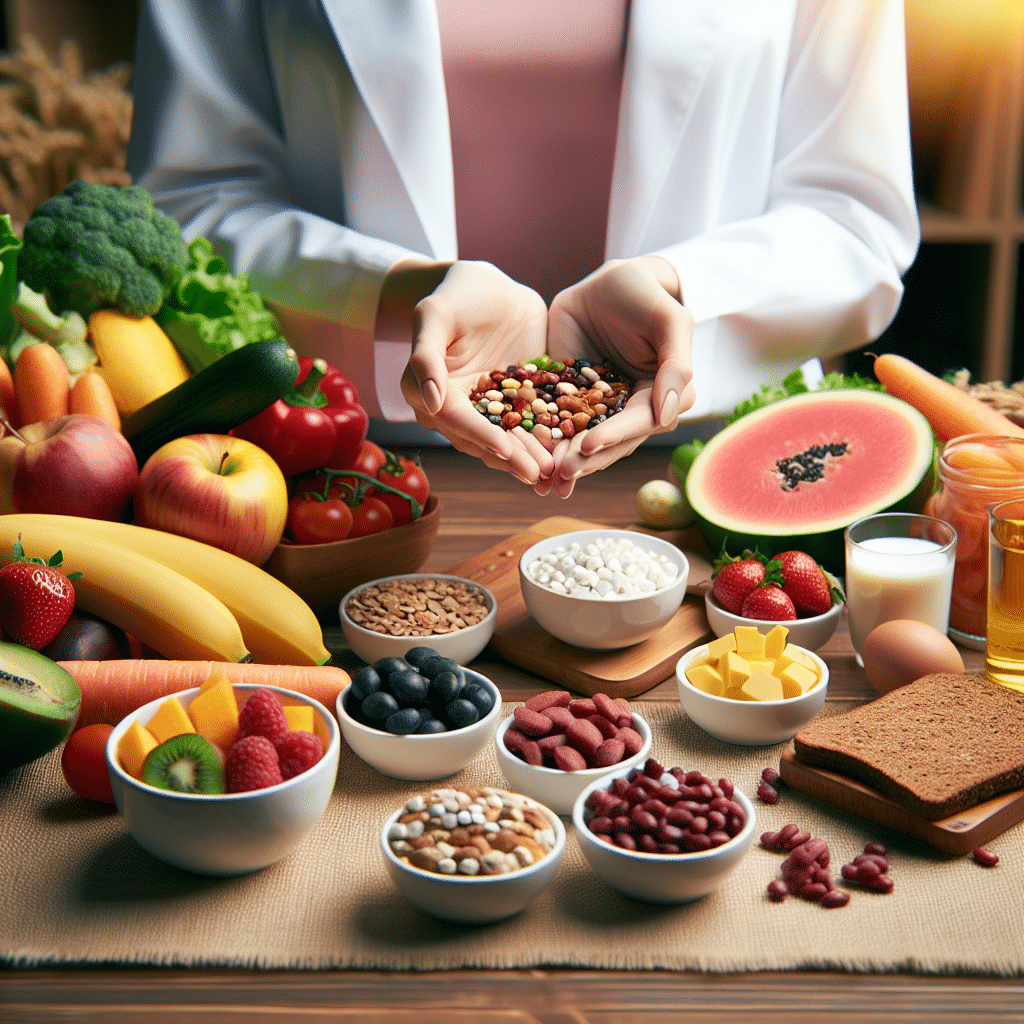
Consulting a Nutritionist or Dietitian
If you are unsure about the specific dietary requirements for managing polymyalgia rheumatica, consider consulting a nutritionist or dietitian. These professionals are equipped with the knowledge and expertise to create a customized meal plan that addresses your unique needs and helps manage your symptoms effectively.
Conclusion
Maintaining a nutritional diet is of utmost importance for individuals with polymyalgia rheumatica. By incorporating foods that reduce inflammation, support joint health, and provide essential nutrients, you can alleviate symptoms, improve overall health, and enhance your quality of life. Remember to prioritize whole, unprocessed foods, and consult with a healthcare professional or registered dietitian for personalized guidance. Embrace the power of nutrition and take control of your well-being with a healthy and balanced diet.