
You stand at the precipice of understanding, not just about hearing health, but about a nuanced condition that affects millions: one-sided hearing loss. As your Listicle Content Architect, I’m here to illuminate this topic with clarity and precision, crafting a comprehensive guide that leaves no stone unturned. Forget the generic, the superficial; we’re diving deep, equipping you with knowledge that matters. Get ready to absorb everything you need to know about one-sided hearing loss, presented in a format that’s both accessible and insightful.
You might hear the term “unilateral hearing loss” and feel a sense of unfamiliarity, but what it describes is actually quite common. It’s precisely what it sounds like: a significant difference in your ability to hear sounds between your two ears. This isn’t about a slight dip in audibility in one ear; it’s about one ear performing considerably worse than the other. For some, this difference might be mild to moderate, while for others, it can be profound. The crucial element is the disparity—a clear imbalance that can have a ripple effect on your daily life.
What Constitutes “One-Sided”?
For you to truly grasp this, let’s define what “one-sided” means in the context of hearing loss. It means that one ear has a measurable hearing threshold that is significantly poorer than the other. This can be understood through audiograms, the diagnostic tool that maps out your hearing abilities at different frequencies. If your audiogram shows a substantial gap between the lines representing your two ears, especially across crucial speech frequencies, you’re likely dealing with one-sided hearing loss. This isn’t a subjective feeling; it’s a documented, measurable difference.
Differentiating from Bilateral Hearing Loss
It’s essential for you to understand how this differs from bilateral hearing loss, where both ears are affected. In bilateral hearing loss, both ears experience a decline in hearing ability, though the degree can vary. With one-sided hearing loss, the focus is solely on the deficit in one ear. This distinction is critical because the impact, the challenges, and the treatment strategies differ significantly. Knowing this difference will help you better understand your own situation or that of someone you know.
The Spectrum of Severity
Just as there are various shades of gray, one-sided hearing loss exists on a spectrum of severity. It’s not an all-or-nothing condition. The degree of hearing loss in the affected ear can range from mild, where speech might sound a bit muffled, to profound, where very loud sounds might be the only ones perceived. This spectrum means that the experiences and challenges faced by individuals with one-sided hearing loss can vary widely. Your journey with this condition will be unique, shaped by the specific level of hearing impairment.
2. The Culprits Behind the Curtain: Causes of One-Sided Hearing Loss
You’re probably wondering, “Why me?” or “How did this happen?” The causes of one-sided hearing loss are as diverse as the people who experience it. Identifying the underlying reason is a crucial step in managing and treating the condition. It’s not always a single identifiable culprit, and sometimes, the cause remains elusive, a medical mystery. However, understanding the common pathways leading to this imbalance can empower you with knowledge and guide you toward seeking the right medical advice.
Inner Ear Maladies: Labyrinthine Issues
The intricate labyrinth of your inner ear is a common site for problems that can lead to one-sided hearing loss. Conditions affecting the cochlea, the snail-shaped organ responsible for converting sound vibrations into nerve signals, can manifest unilaterally.
Sudden Sensorineural Hearing Loss (SSNHL): The Abrupt Onset
Perhaps one of the most alarming causes is Sudden Sensorineural Hearing Loss, often referred to as SSHL or “sudden deafness.” This is characterized by a rapid (typically within 72 hours) loss of hearing in one ear, often accompanied by tinnitus (ringing in the ears) and sometimes dizziness. The exact cause is frequently unknown, but viral infections, blood circulation issues in the inner ear, or autoimmune disorders are suspected culprits. The suddenness itself is a significant aspect that can be deeply unsettling for you.
Ménière’s Disease: A Triad of Distress
Ménière’s disease is a complex inner ear disorder that typically affects one ear initially, though it can eventually affect both. It’s characterized by a triadic set of symptoms: fluctuating hearing loss, recurrent episodes of vertigo (a sensation of spinning), and tinnitus, often accompanied by a feeling of fullness in the ear. The hearing loss associated with Ménière’s disease can fluctuate, meaning it may improve and worsen over time, but it often leads to a progressive, permanent loss in the affected ear.
Outer and Middle Ear Obstructions and Infections
While often associated with general hearing reduction, issues in your outer or middle ear can also contribute to a noticeable disparity between your ears, especially if an infection or blockage is unilateral.
Chronic Ear Infections (Otitis Media)
Persistent or recurrent middle ear infections, known as otitis media, can cause damage to the delicate structures of the middle ear, including the ossicles (the small bones that transmit sound vibrations). If these infections are chronic and predominantly affect one ear, they can lead to a significant conductive hearing loss in that ear, creating a noticeable one-sided impairment.
Earwax Blockage (Cerumen Impaction)
This might seem simple, but a significant accumulation of earwax in one ear can completely block sound waves from reaching the eardrum, leading to a temporary but pronounced hearing loss in that ear. While easily remedied, it’s a prime example of how something as basic as earwax can contribute to a feeling of one-sided hearing.
Neurological and Vascular Factors: The Brain-Ear Connection
The connection between your brain and your hearing system is intricate. Damage or issues in the auditory nerve or the parts of the brain responsible for processing sound can also result in one-sided hearing loss.
Acoustic Neuroma (Vestibular Schwannoma)
This is a benign (non-cancerous) tumor that grows on the vestibulocochlear nerve, which connects your inner ear to your brain. Since this nerve carries both hearing and balance information, a tumor on this nerve will typically affect one ear first, leading to progressive, unilateral hearing loss, tinnitus, and often balance issues. Early detection is key for optimal management.
Stroke or Head Trauma
Events like a stroke that affects the auditory pathways in the brain or significant head trauma can damage the parts of your brain responsible for processing sound, leading to unilateral hearing loss. The location and extent of the damage will determine the severity and nature of the hearing impairment.
Genetic Predispositions and Congenital Factors
For some, the journey begins before birth. Congenital conditions and genetic predispositions can lay the groundwork for developmental issues in the auditory system, sometimes resulting in one-sided hearing loss from birth.
Congenital Anomalies of the Ear
These are structural abnormalities of the ear that are present at birth. They can affect the outer ear, middle ear, or inner ear, and if they occur on one side, they can lead to one-sided hearing loss. These can range in severity and can sometimes be associated with other genetic syndromes.
Genetic Mutations
Certain genetic mutations can predispose individuals to developing hearing loss that may manifest unilaterally. These can be inherited or arise spontaneously and might only become apparent later in life, or they can be present from birth.
3. The Invisible Burden: How One-Sided Hearing Loss Impacts Your Life
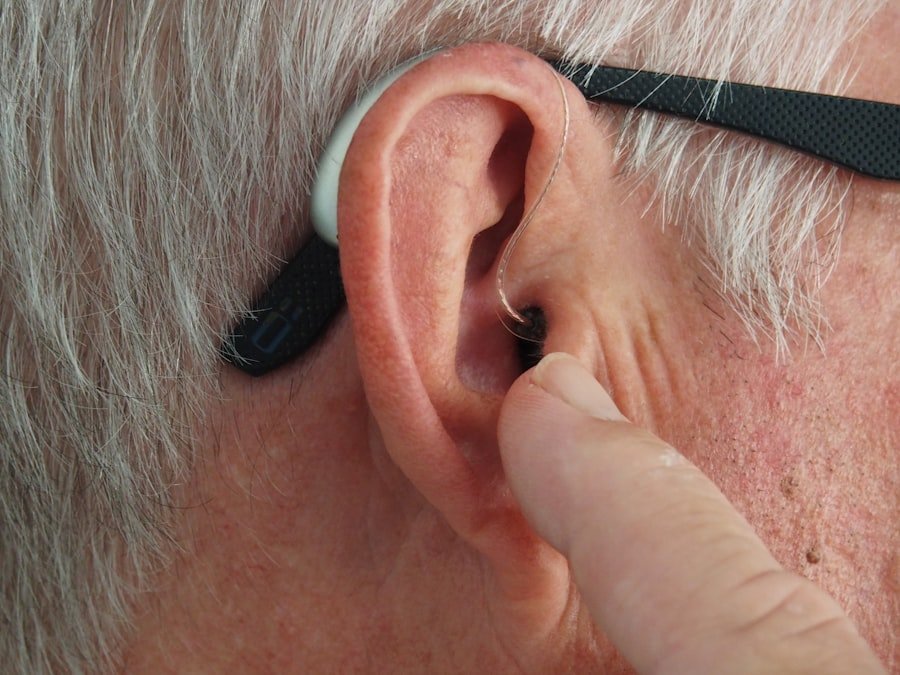
You might assume that losing hearing in just one ear is a minor inconvenience. However, the reality for you, and for many others facing this, is far more complex. The ability to hear with two ears, known as binaural hearing, offers crucial advantages that are significantly diminished with one-sided hearing loss. This impacts everything from your ability to pinpoint sound to your capacity to navigate noisy environments. Understanding these impacts is vital for you to advocate for your needs and seek appropriate support.
The Challenge of Localization: Where Did That Sound Come From?
One of the most profound impacts of one-sided hearing loss is on your ability to determine the direction of sounds. With two functioning ears, your brain receives slightly different auditory information from each ear. This subtle difference, known as binaural cues (specifically, interaural time differences and interaural level differences), allows your brain to accurately compute the location of a sound source.
Losing the “Sound Map”
When one ear is impaired, these crucial binaural cues are lost or distorted. This means for you, sounds coming from the “bad ear” side might be perceived as coming from the other side, or their location might be difficult to pinpoint altogether. Imagine trying to find your phone ringing or locate a car approaching from your blind side – these simple tasks become significantly more challenging. This loss of spatial awareness can be disorienting and even dangerous.
Navigating Noisy Environments: The “Cocktail Party” Effect Diminished
You’ve likely heard of the “cocktail party effect” – the remarkable ability of our brains to filter out background noise and focus on a specific conversation. This ability is heavily reliant on binaural hearing. With one-sided hearing loss, this effect is severely compromised.
Speech Intelligibility in a Crowd
In a noisy environment, your impaired ear struggles to pick up speech, and even your “good” ear might be overwhelmed by the competing sounds. As a result, for you, conversations become a frustrating exercise in concentration, strain, and often, misunderstanding. You might find yourself constantly asking people to repeat themselves, leading to social withdrawal and feelings of isolation. The effort required to follow conversations in noisy settings can be exhausting.
Increased Listening Effort and Fatigue
The constant strain to hear and understand, especially in challenging listening environments, puts a significant cognitive load on you. Your brain is working overtime to try and compensate for the missing auditory information. This increased listening effort can lead to mental fatigue, headaches, and a general feeling of exhaustion at the end of the day, even if you haven’t engaged in physically demanding activities.
Communication Breakdowns and Social Isolation
The challenges in understanding speech in various environments can inevitably lead to communication breakdowns. For you, this can result in misunderstandings, missed information, and a reluctance to engage in social situations for fear of embarrassment or frustration.
Misunderstandings and Missed Information
When you can’t clearly understand what’s being said, especially in group settings or during important discussions, it can lead to mistakes, missed deadlines, or simply feeling out of the loop. This can be particularly problematic in professional settings or when receiving important instructions.
Reduced Social Engagement and Self-Esteem
The constant effort to communicate and the resulting misunderstandings can lead you to withdraw from social interactions. You might start avoiding parties, noisy restaurants, or even conversations with friends and family. This can lead to feelings of loneliness, isolation, and a decline in self-esteem as you feel you’re not fully participating in life.
Impact on Balance and Spatial Awareness
While hearing loss primarily affects your auditory system, your inner ear also plays a crucial role in balance. One-sided hearing loss can sometimes be linked to vestibular issues, impacting your equilibrium.
Dizziness and Vertigo
As mentioned earlier, conditions like Ménière’s disease or acoustic neuromas that cause one-sided hearing loss can also affect the vestibular system within the inner ear. This can lead to episodes of dizziness and vertigo, making you feel unsteady or as though the world is spinning. These sensations can be alarming and can significantly impact your daily activities, increasing the risk of falls.
Increased Risk of Falls
Impaired balance and difficulty in judging distances and spatial relationships, especially in unfamiliar or uneven environments, can increase your risk of falls. This is particularly concerning for older adults or individuals with other mobility challenges.
4. Diagnosing the Disparity: How Your Hearing Loss is Identified

You’ve noticed a change, a difference you can’t ignore. Now, you’re wondering how medical professionals will figure out what’s going on. Diagnosing one-sided hearing loss involves a systematic approach, using various tests to pinpoint the type, degree, and potential cause of your hearing impairment. For you, this diagnostic journey is crucial—it’s the first step towards understanding and managing your condition effectively.
The All-Important Audiological Evaluation
This is the cornerstone of diagnosing any hearing issue. When you visit an audiologist, they will conduct a series of tests to create a comprehensive picture of your hearing abilities.
Pure-Tone Audiometry: Mapping Your Hearing Thresholds
This is the most fundamental test. You’ll be placed in a sound-treated booth and presented with pure tones (single frequencies) at varying intensities (loudness) through headphones. You’ll be asked to signal when you hear the sound. The audiologist will record the softest sound you can hear at each frequency, creating a graph called an audiogram. This audiogram is your “hearing map,” and the significant difference between your two ears will be clearly visible.
Understanding the Audiogram
For you, the audiogram is a visual representation of your hearing. The horizontal axis represents frequency (pitch) in Hertz (Hz), and the vertical axis represents intensity (loudness) in decibels (dB HL – Hearing Level). The lower down the scale you are, the softer the sound you can hear. A significant gap between the lines representing your left and right ears, especially in the speech frequencies (typically 500 Hz to 4000 Hz), will immediately indicate unilateral hearing loss.
Speech Audiometry: Testing Your Understanding
Beyond simply detecting tones, you need to understand speech. Speech audiometry assesses your ability to hear and understand spoken words.
Speech Recognition Threshold (SRT)
This test determines the softest level at which you can correctly identify 50% of spoken words. Comparing your SRT with your pure-tone audiogram helps verify the accuracy of the results and provides an understanding of how well you can detect speech.
Word Recognition Score (WRS) or Speech Discrimination Score (SDS)
In this test, you’ll listen to words presented at a comfortable loudness level and be asked to repeat them. This score indicates how clearly you can understand speech. A significant difference in WRS between your ears, even if the pure-tone thresholds are somewhat similar, can highlight differences in how well each ear processes complex sounds. For you, this test sheds light on how well you might function in real-world listening situations.
Specialized Tests for Deeper Insights
Depending on the initial findings and your symptoms, your audiologist might recommend additional tests to investigate the cause and nature of your hearing loss.
Tympanometry: Examining Middle Ear Function
This test measures the mobility of your eardrum and assesses the function of your middle ear. It involves a small probe placed in your ear canal that measures how your eardrum moves as the air pressure in the canal is changed. Abnormal tympanometry can indicate problems in the middle ear, such as fluid buildup or eardrum perforation, which could contribute to conductive hearing loss in one ear.
Otoacoustic Emissions (OAEs): Assessing Inner Ear Health
OAEs are sounds produced by the inner ear’s cochlea in response to external sounds. They are generated by the outer hair cells, which are crucial for amplifying soft sounds. OAE testing is non-invasive and can help determine if the hair cells in your cochlea are functioning properly. A lack of OAEs in one ear can strongly suggest a problem within that cochlea.
Medical Investigations: Uncovering the Root Cause
Once the audiological evaluation is complete, your audiologist and physician will work together to determine the underlying cause of your one-sided hearing loss.
MRI (Magnetic Resonance Imaging): Visualizing the Auditory Nerve and Brain
If conditions like an acoustic neuroma are suspected, an MRI scan is often ordered. This powerful imaging technique provides detailed cross-sectional images of your brain and auditory pathways, allowing doctors to detect tumors or other structural abnormalities on the auditory nerve or in the brain that could be responsible for your hearing loss. You’ll likely be asked about symptoms such as tinnitus, dizziness, or facial numbness to guide this investigation.
CT (Computed Tomography) Scan: Examining Bone Structure
A CT scan uses X-rays to create detailed images of bone structures. It’s particularly useful for examining the bones of the middle ear and the mastoid bone behind the ear. If your hearing loss is suspected to be conductive and related to structural issues, a CT scan can provide valuable information.
Blood Tests: Ruling Out Other Conditions
In some cases, blood tests may be ordered to check for systemic conditions that could affect hearing, such as autoimmune diseases, infections (like syphilis or Lyme disease), or metabolic disorders. This is part of a comprehensive approach to ensure no other contributing factors are overlooked.
5. Charting Your Course: Treatment and Management Strategies
| Aspect | Explanation |
|---|---|
| Cause | One-sided hearing loss can be caused by a variety of factors including genetics, infections, head trauma, and exposure to loud noise. |
| Symptoms | Common symptoms include difficulty understanding speech in noisy environments, trouble localizing sound, and an imbalance in hearing between the ears. |
| Diagnosis | Diagnosis typically involves a hearing test, medical history review, and physical examination by an audiologist or otolaryngologist. |
| Treatment | Treatment options may include hearing aids, bone-anchored hearing systems, or cochlear implants, depending on the severity and cause of the hearing loss. |
| Impact | One-sided hearing loss can have a significant impact on an individual’s ability to communicate, socialize, and perform daily activities. |
You’re not alone in this. Once your one-sided hearing loss is diagnosed, the next crucial step is to explore the various treatment and management strategies available. The goal is to improve your hearing, enhance your communication abilities, and optimize your quality of life. The best approach for you will depend on the cause, the severity of the hearing loss, and your individual needs and lifestyle. Don’t underestimate the power of a proactive approach to managing your hearing health.
Hearing Aids: Amplifying Your Auditory World
For many, hearing aids are a cornerstone of managing one-sided hearing loss, but not in the traditional sense of two devices.
CROS and BiCROS Systems: Bridging the Gap
If your hearing loss is significantly worse in one ear (or one ear has little to no usable hearing), a traditional bilateral hearing aid isn’t the solution. Instead, you might benefit from a Contralateral Routing of Signal (CROS) or a Bi-Contralateral Routing of Signal (BiCROS) system.
How CROS Works
A CROS system consists of two parts: a transmitter worn on the “bad” ear and a receiver worn on the “good” ear. The transmitter picks up sound from the side with no or little hearing and wirelessly transmits that sound to the receiver on the good ear. This effectively routes the sound from the deaf side to the hearing ear, allowing you to hear sounds from all around you, especially in noisy situations, and improving your ability to localize sound. You’ll be able to hear conversations and environmental sounds that would otherwise be missed.
When BiCROS is Needed
A BiCROS system is similar to a CROS system but is used when there is some hearing loss in the “good” ear as well. In this case, the receiver on the good ear functions as a hearing aid, amplifying sounds in addition to routing sounds from the transmitter. This provides both sound redirection and amplification for improved overall hearing.
Open-Fit or Receiver-In-Canal (RIC) Hearing Aids
These styles can be beneficial for the “good” ear in a CROS/BiCROS setup or if there’s mild to moderate hearing loss in that ear. They are discreet and allow for natural sound to enter the ear canal, which can be important for maintaining sound quality and directionality.
Cochlear Implants: Restoring Sound for Profound Loss
For individuals with severe to profound hearing loss in one ear, a cochlear implant might be an option. This is an advanced electronic medical device that bypasses the damaged parts of the inner ear and directly stimulates the auditory nerve when sounds are picked up by an external component.
Unilateral Cochlear Implants
In cases of one-sided profound hearing loss and when hearing aids or CROS systems are not providing sufficient benefit, a unilateral cochlear implant can be a life-changing intervention. It can significantly improve speech understanding, especially in noisy situations, and can even help restore some degree of sound localization. The decision for a cochlear implant is a complex one and involves extensive evaluation by a cochlear implant team. You’ll likely be assessed for candidacy thoroughly beforehand.
Assistive Listening Devices (ALDs): Enhancing Communication
Beyond hearing aids, a range of assistive listening devices can supplement your hearing and make communication easier in specific situations.
FM Systems and Other Wireless Devices
These systems work by having a microphone worn by the speaker (e.g., a teacher or presenter) that transmits sound directly to a receiver worn by you, often connected to your hearing aid or a neckloop. This drastically reduces background noise and improves speech clarity, making it much easier for you to follow lectures, presentations, or even conversations in noisy environments.
Alerting Devices
These devices use visual or vibrating signals to alert you to important sounds like doorbells, smoke alarms, or telephones. This ensures you don’t miss crucial safety or communication cues.
Medical and Surgical Interventions: Addressing the Cause
Depending on the underlying cause of your one-sided hearing loss, medical or surgical interventions may be necessary.
Surgery for Middle Ear Conditions
If your hearing loss is due to a treatable middle ear condition, such as otosclerosis or a perforated eardrum, surgical repair might be an option to restore some or all of your hearing in that ear. Procedures like tympanoplasty or stapedectomy aim to correct the structural issues impacting sound transmission.
Management of Tumors
If an acoustic neuroma or other benign tumor is identified, treatment options such as observation, radiation therapy, or surgical removal might be recommended. The approach will depend on the tumor’s size, location, and your overall health.
Lifestyle Adjustments and Communication Strategies
The journey with one-sided hearing loss also involves adapting your communication habits and making conscious lifestyle adjustments.
Visual Cues and Lip-Reading
For you, paying attention to visual cues, body language, and practicing lip-reading (even informally) can significantly enhance your understanding of conversations. This is a skill that can be developed with practice and can be incredibly valuable in noisy social settings.
Strategic Seating Arrangements
In group settings, consciously positioning yourself so that the speaker is on your “good ear” side can make a substantial difference. You might also choose to sit facing outward in restaurants or at parties to minimize background noise.
Seeking Support and Education
Connecting with others who have similar experiences can be incredibly empowering. Support groups offer a safe space to share challenges, coping strategies, and emotional support. Educating yourself and those around you about one-sided hearing loss is also vital for fostering understanding and empathy. You are not alone, and there is a community ready to support you.
FAQs
What is one-sided hearing loss?
One-sided hearing loss, also known as unilateral hearing loss, occurs when a person experiences hearing loss in only one ear. This can be caused by a variety of factors, including genetics, infections, head trauma, or exposure to loud noise.
What are the symptoms of one-sided hearing loss?
Symptoms of one-sided hearing loss can include difficulty understanding speech in noisy environments, trouble locating the source of a sound, and a feeling of fullness or pressure in the affected ear. Some individuals may also experience tinnitus, or ringing in the ear.
How is one-sided hearing loss diagnosed?
One-sided hearing loss is typically diagnosed through a comprehensive hearing evaluation, which may include a physical examination, hearing tests, and imaging studies such as MRI or CT scans. It is important to consult with a healthcare professional if you suspect you have hearing loss.
What are the treatment options for one-sided hearing loss?
Treatment for one-sided hearing loss depends on the underlying cause. In some cases, medical intervention such as antibiotics or surgery may be necessary. Hearing aids or assistive listening devices can also be helpful in managing the symptoms of one-sided hearing loss.
Can one-sided hearing loss be prevented?
While some causes of one-sided hearing loss, such as genetics or head trauma, may not be preventable, there are steps individuals can take to protect their hearing. This includes avoiding exposure to loud noises, using ear protection in noisy environments, and seeking prompt treatment for ear infections or other ear-related conditions.