
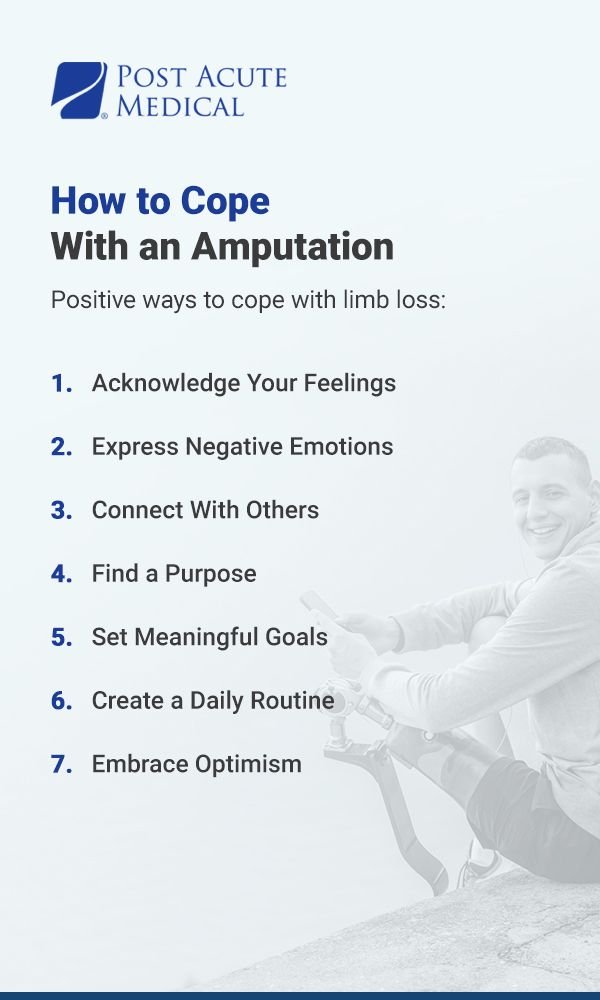
Imagine a life altering event, one that changes your entire perception of the world in a split second. Losing a limb through amputation can be an incredibly challenging experience, both physically and emotionally. Suddenly faced with a multitude of obstacles, from relearning basic daily tasks to coping with the loss of a part of yourself, the journey of overcoming the challenges of amputation requires immense strength and resilience. In this article, we will explore the various hurdles faced by amputees and delve into the strategies and support systems available to assist in the process of adaptation and rediscovering a fulfilling and meaningful life.
Understanding Amputation
Amputation is the surgical removal of an extremity or limb, either partially or completely. It is a procedure often performed as a last resort to prevent the spread of infection, alleviate pain, or enhance the patient’s quality of life. While amputation may seem daunting, it is important to understand its various aspects to better navigate the journey.
Definition of Amputation
Amputation refers to the removal of a body part, such as an arm or leg, through surgical intervention. It can be the result of various medical conditions, traumatic accidents, or congenital disabilities. The purpose of amputation is to improve the patient’s health and overall well-being by eliminating damaged or non-functional tissue.
Causes of Amputation
Amputations can be caused by a range of factors, including severe injuries, such as those from accidents or combat-related injuries, as well as medical conditions like cancer, peripheral artery disease, diabetes, and infections. In many cases, amputations are performed as a measure to prevent further complications and to enhance the individual’s quality of life.
Types of Amputation
There are different types of amputations, depending on the location and extent of the removal. Partial amputations involve the removal of only a portion of a limb, while complete amputations entail the removal of the entire limb. Common types of amputations include toe amputations, below-knee amputations (transtibial), above-knee amputations (transfemoral), and arm amputations.
Preparing for Amputation
Preparing for an amputation involves not only physical readiness but also emotional and financial preparedness. Understanding and addressing these aspects can greatly contribute to a smoother recovery and adjustment period.
Emotional Preparation
Emotional preparedness is crucial before undergoing an amputation. It is natural to experience a wide range of emotions, such as fear, sadness, anger, and uncertainty. Seeking emotional support from friends, family, or support groups can provide comfort and reassurance during this challenging time. Openly expressing your feelings and concerns to your healthcare team is also important, as they can offer guidance and support throughout the process.
Physical Preparation
Physical preparation plays a vital role in optimizing post-amputation outcomes. It may involve preoperative exercises, such as strengthening the remaining limb or learning certain movements that may facilitate post-amputation mobility. Your healthcare team will guide you through appropriate exercises and assistive devices to help you prepare physically for the procedure.
Financial Preparation
Amputations can involve significant medical and rehabilitation costs. Understanding the financial aspects and planning ahead can help alleviate some of the stress. Familiarize yourself with your insurance coverage and explore any available financial assistance or support programs. Discussing the cost of prosthetic limbs, rehabilitation sessions, and related expenses with your healthcare team and insurance provider can provide clarity and ensure that you are adequately prepared.

Immediate Post-Amputation Care
The immediate post-amputation phase is crucial for ensuring proper wound healing, managing pain, and initiating rehabilitation.
Wound Care
Proper wound care is crucial in the early stages of recovery. Your healthcare team will guide you on how to care for your incision site, including cleaning techniques, dressing changes, and monitoring for signs of infection. Following their instructions diligently can reduce the risk of complications and promote optimal healing.
Pain Management
Pain management is an integral part of the immediate post-amputation care. Your healthcare team will work closely with you to develop a tailored pain management plan, which may include medications, physical therapy techniques, or alternative approaches such as transcutaneous electrical nerve stimulation (TENS). Open communication about your pain levels and any concerns you have will allow your healthcare team to provide optimal pain relief.
Mobility and Rehabilitation
Regaining mobility and independence are important goals after an amputation. During the immediate post-amputation phase, physical and occupational therapists will work with you to develop a personalized rehabilitation plan. Therapies may include strengthening exercises, gait training, and learning to use assistive devices or prosthetic limbs effectively. Early initiation of rehabilitation can help you regain your mobility and adapt to your new physical abilities successfully.
Emotional Challenges after Amputation
Amputation can have a profound emotional impact, challenging an individual’s sense of identity, body image, and overall well-being. Understanding and addressing these emotional challenges is vital for a successful recovery.
Grief and Loss
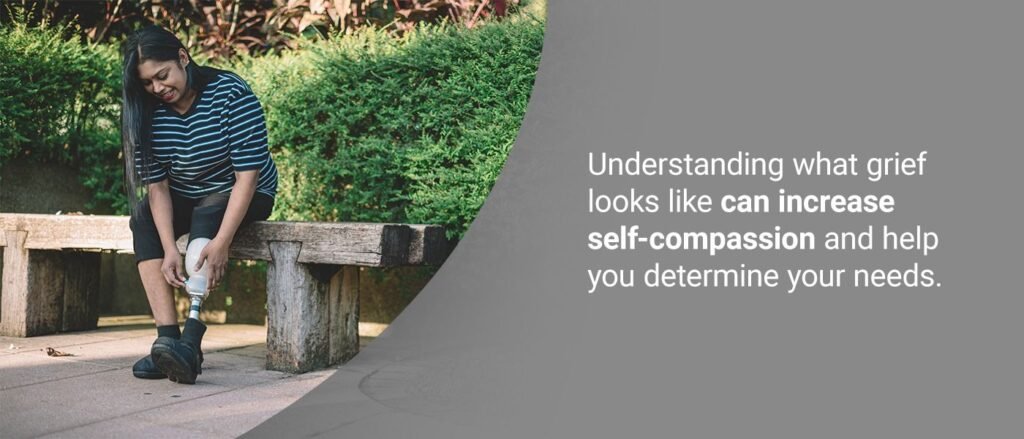
Experiencing grief and a sense of loss after an amputation is natural. Mourning the loss of a limb and adjusting to the changes in one’s appearance and abilities can be emotionally challenging. It is important to acknowledge and process these emotions, seeking support from loved ones, support groups, or mental health professionals when needed.
Body Image and Self-Esteem
Amputation can significantly impact body image and self-esteem. Accepting and embracing your changed physical appearance may take time, but it is a crucial aspect of the emotional healing process. Engaging in activities that promote self-care, such as dressing in a way that makes you feel confident and engaging in hobbies or exercises that you enjoy, can boost self-esteem and foster a positive body image.
Depression and Anxiety
Depression and anxiety can be common emotional challenges after amputation. The adjustment process, physical limitations, and changes in one’s daily routine can contribute to these feelings. Seeking professional support from therapists or counselors who specialize in working with individuals who have undergone amputations can be beneficial. Additionally, engaging in activities that bring joy and practicing stress-relief techniques, such as mindfulness or meditation, may help alleviate symptoms of depression and anxiety.
Physical Challenges after Amputation
Alongside the emotional challenges, individuals may face various physical hurdles following an amputation. Addressing these challenges with appropriate medical care and support can enhance the recovery journey.
Phantom Limb Pain
Phantom limb pain refers to the sensation of pain or discomfort in the amputated limb. While the limb itself is no longer present, the brain continues to perceive pain signals. This phenomenon can be distressing and may require a multi-modal approach for management, including medications, nerve blocks, mirror therapy, and other complementary techniques. Discussing your symptoms with your healthcare team can help in finding the most effective treatment plan for you.
Prosthetic Limb Fitting
Prosthetic limb fitting is a significant milestone in the recovery process after an amputation. Working closely with prosthetists and rehabilitation specialists, a custom-designed prosthetic limb is created to suit your unique needs and goals. During the fitting process, adjustments and modifications may be needed to ensure optimal comfort and functionality. Regular follow-up appointments and open communication with your prosthetist will help in fine-tuning the fit and ensuring the best possible outcome.
Regaining Independence
Regaining independence is a crucial aspect of post-amputation recovery. Occupational therapists play a vital role in assisting individuals in adapting their daily activities and routines to their new physical abilities. They provide guidance on how to perform activities such as bathing, dressing, and cooking in ways that accommodate any physical limitations. Learning new techniques and utilizing assistive devices can empower individuals to regain their independence and re-engage in the activities they enjoy.
Supporting Recovery and Adjustment
A robust support system can greatly contribute to the recovery and adjustment process after amputation. Various resources and interventions are available to provide the necessary support and guidance.
Rehabilitation Therapy
Rehabilitation therapy plays a central role in supporting individuals through their recovery and adjustment. Physical and occupational therapies are crucial for regaining strength, improving mobility, and adapting to the changes in one’s physical abilities. The expertise and guidance of rehabilitation professionals can help maximize functionality and enhance overall quality of life.
Peer Support Groups
Connecting with others who have gone through similar experiences can provide invaluable support and reassurance. Peer support groups, either in-person or online, allow individuals to share their concerns, successes, and coping strategies. Hearing others’ perspectives and learning from their journeys can help individuals navigate their own recovery with greater confidence and optimism.
Psychological Counseling
Psychological counseling can be immensely beneficial in addressing the emotional challenges that may arise after amputation. Counselors or therapists who specialize in working with individuals who have experienced trauma, loss, or physical disabilities can provide a safe space for processing emotions, developing coping strategies, and finding meaning in the recovery journey. Seeking professional help should never be seen as a sign of weakness but rather as a proactive step towards emotional well-being.

Improving the Quality of Life
Over time, individuals can discover adaptive techniques, utilize assistive devices, and make home modifications that enhance their overall quality of life and independence.
Adaptive Techniques
Adaptive techniques are strategies or modifications that individuals can employ to perform daily activities more efficiently. These techniques may involve using assistive devices, adjusting body mechanics, or finding alternative approaches to accomplish tasks. Occupational therapists are skilled in teaching adaptive techniques and can provide personalized guidance based on individual needs and goals.
Assistive Devices
Assistive devices are tools or equipment designed to assist individuals in completing tasks or activities they may find challenging. Examples include wheelchair ramps, walking aids such as crutches or canes, and other specialized devices like reachers or dressing aids. Working with occupational therapists or rehabilitation specialists can help identify and acquire the assistive devices that best fit your needs.
Home Modifications
Modifying the home environment can significantly improve independence and safety. This may involve installing grab bars or handrails, adjusting countertop heights, or removing trip hazards. Occupational therapists or home accessibility specialists can provide recommendations based on your individual needs and help create a living space that promotes accessibility and ease of movement.
Amputation in Children
Amputation in children presents unique challenges and considerations. It is important to understand and address these factors to support their emotional well-being, education, and social integration.
Unique Challenges in Children
Children undergoing amputation face distinct challenges compared to adults. These challenges may include adjusting to developmental milestones, addressing concerns about body image, and managing emotions related to being different from their peers. Understanding the specific needs of children and providing age-appropriate support and resources is crucial in helping them navigate their journey successfully.
Supporting Emotional Well-Being
Supporting the emotional well-being of children involves open communication, providing a safe and supportive environment, and ensuring access to appropriate mental health resources. Encouraging self-expression, engaging in activities that foster self-esteem, and connecting children with peers who have had similar experiences can make a significant positive impact.
Education and Social Integration
Education and social integration play vital roles in children’s overall development. Collaborating with schools, teachers, and educational support teams can help ensure that children have the necessary accommodations and resources to thrive academically. Encouraging participation in activities and connecting with support groups specifically for children with limb differences can promote social integration and the development of a supportive peer network.
Preventing Complications
Taking proactive measures to prevent complications is an essential part of post-amputation care. By being diligent in caring for the residual limb, managing pain and infections, and monitoring overall health, individuals can optimize their long-term well-being.
Taking Care of Residual Limb
Proper care of the residual limb is crucial to prevent infections and promote healthy healing. Following your healthcare team’s instructions regarding dressing changes, hygiene practices, and self-examinations can reduce the risk of complications. Reporting any changes or concerns promptly to your healthcare provider is important for timely intervention and treatment, if necessary.
Managing Pain and Infections
Pain and infections are potential complications after amputation. Being vigilant about pain management and reporting any new or worsening pain to your healthcare team is essential. Likewise, promptly seeking medical attention for any signs of infection, such as redness, swelling, or discharge from the incision site, can help prevent the spread of infection and expedite treatment.
Monitoring Overall Health
Being mindful of overall health is crucial for individuals after amputation. This includes managing any underlying medical conditions, such as diabetes or peripheral artery disease, that contributed to the need for the amputation. Regular check-ups, screenings, and adhering to medical recommendations for diet, exercise, and medication can help maintain overall well-being and prevent complications in the long term.
Moving Forward: Success Stories
While amputation can present numerous challenges, countless individuals have overcome these hurdles and achieved remarkable success. Their stories inspire hope and highlight the possibilities that lie ahead.
Profiles of Individuals Overcoming Challenges
Profiles of individuals who have successfully navigated the amputation journey can provide valuable insights and inspiration. Learning about their accomplishments, coping strategies, and the support systems that contributed to their success can offer reassurance and motivation to others on their own unique journeys.
Innovations in Prosthetics
Advancements in prosthetic technology continue to transform the lives of individuals with limb loss. From bionic limbs controlled by neural impulses to 3D-printed prosthetics customized for individual needs, these innovations are expanding possibilities and improving functionality. Staying informed about the latest advancements can help individuals make informed decisions about their prosthetic options.
Inspiring Amputee Athletes
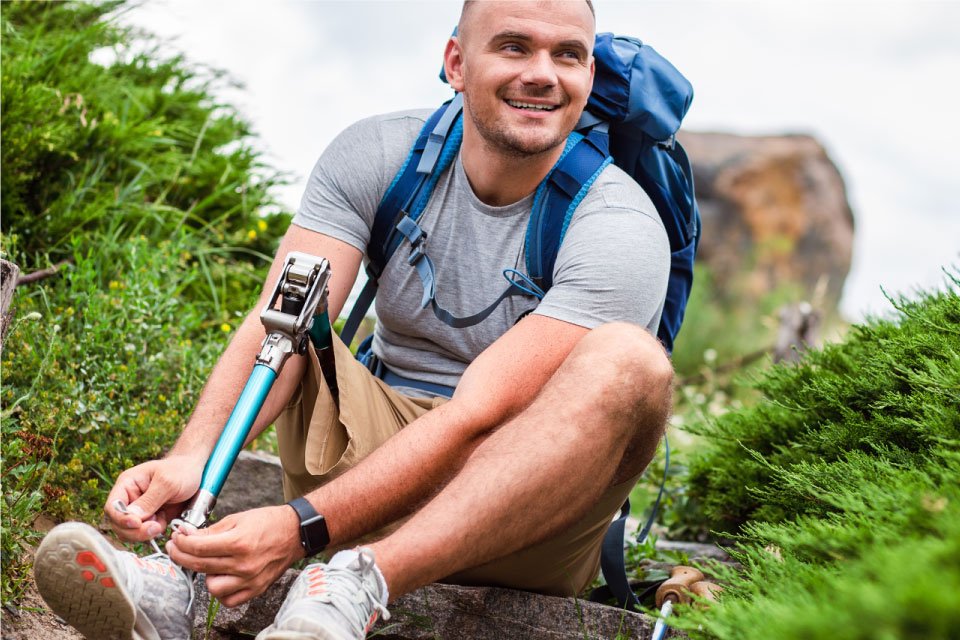
Amputee athletes are testament to the resilience and determination of individuals with limb loss. Their achievements in various sports, such as Paralympics, marathons, or extreme sports, demonstrate that physical abilities are not limited by amputation. Their stories demonstrate the potential for a fulfilling and active life after limb loss, regardless of the challenges one may face.
In conclusion, understanding the different aspects of amputation, including its definition, causes, and types, is crucial in navigating the journey. Preparing emotionally, physically, and financially can contribute to a smoother recovery process. Managing wound care, pain, and mobility in the immediate post-amputation phase is essential for optimal healing and rehabilitation. Addressing the emotional and physical challenges that may arise, whether related to grief, body image, or phantom limb pain, is crucial for overall well-being. Seeking support, such as rehabilitation therapy, peer groups, and counseling, can greatly enhance the recovery and adjustment process. Improving the quality of life is possible through adaptive techniques, assistive devices, and home modifications. Children who experience amputation require unique support for emotional well-being, education, and social integration. Preventing complications by caring for the residual limb, managing pain and infections, and monitoring overall health is important for long-term well-being. Finally, success stories, innovations in prosthetics, and inspiring amputee athletes provide hope and inspiration, highlighting the remarkable achievements possible after amputation.