
When embarking on a journey, it’s crucial to first understand your pain triggers. You may find that certain activities, environments, or even emotional states can exacerbate your discomfort. By identifying these triggers, you can take proactive steps to mitigate their impact on your travel experience.
For instance, if you know that prolonged sitting aggravates your back pain, you can plan your itinerary to include more frequent breaks or opt for modes of transportation that allow for movement. Additionally, consider the environmental factors that might contribute to your pain. Changes in weather, altitude, or even humidity can affect how you feel physically.
If you are sensitive to cold, for example, packing layers and ensuring you have access to warmth can help you stay comfortable. By being aware of these triggers and preparing accordingly, you can create a travel experience that minimizes discomfort and maximizes enjoyment.
Key Takeaways
- Identify your pain triggers to better understand and manage your pain while traveling.
- Pack essential items for pain management such as medications, heating pads, and comfortable clothing.
- Choose the right mode of transportation that suits your pain needs, whether it’s a car with adjustable seats or a plane with extra legroom.
- Plan rest stops and stretching breaks to alleviate pain and prevent stiffness during long journeys.
- Look for accommodations with accessibility and comfort in mind, such as hotels with adjustable beds or wheelchair ramps.
Packing Smart: Essential Items for Pain Management
Packing smart is essential for anyone managing chronic pain. You should start by creating a checklist of items that specifically cater to your needs. This might include heat packs, cold packs, or topical pain relief creams that can provide immediate relief when needed.
Additionally, consider packing a travel pillow or lumbar support cushion to help maintain proper posture during long journeys. These small items can make a significant difference in your comfort level. Don’t forget to include any medications you may need, along with a copy of your prescriptions.
It’s wise to keep these in an easily accessible part of your luggage, so you can reach them without hassle. Furthermore, think about including items that promote relaxation, such as noise-canceling headphones or a good book. These can help distract you from pain and create a more enjoyable travel atmosphere.
Choosing the Right Mode of Transportation
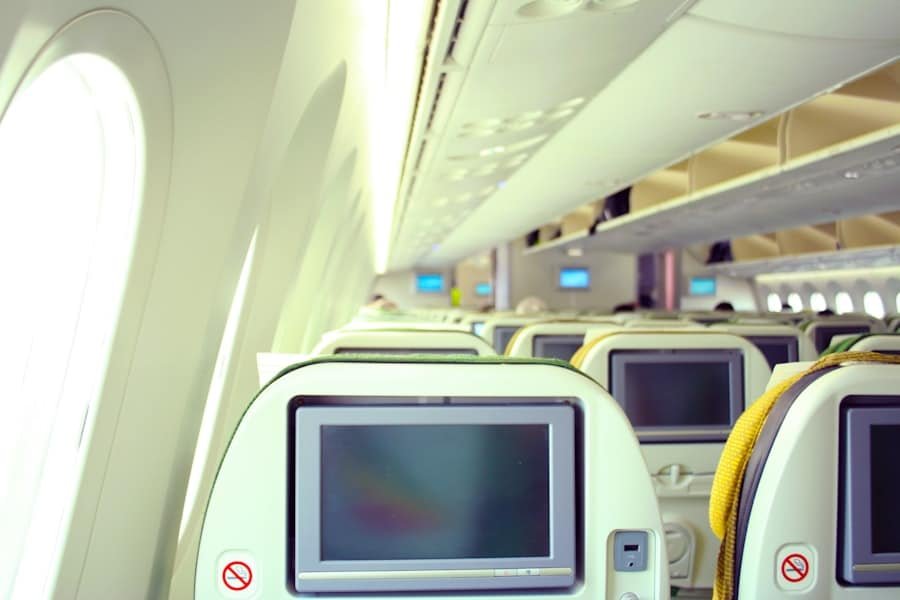
The mode of transportation you choose can greatly influence your comfort level while traveling. If you are prone to pain, consider options that allow for more flexibility and movement. For instance, driving your own vehicle may provide the freedom to stop whenever necessary, allowing you to stretch and take breaks as needed.
Alternatively, if flying is your best option, look for airlines that offer extra legroom or the ability to upgrade to more spacious seating. Public transportation can also be a viable option if planned carefully. Trains often provide more room to move around compared to buses or planes.
If you opt for public transport, try to travel during off-peak hours when crowds are minimal. This will not only make your journey more comfortable but also reduce the stress associated with navigating busy stations or terminals.
Planning Rest Stops and Stretching Breaks
Incorporating rest stops and stretching breaks into your travel itinerary is essential for managing pain effectively. You should plan your route with designated stops in mind, allowing yourself ample time to rest and rejuvenate. Whether you’re driving or taking public transport, aim to take breaks every couple of hours.
Use these moments to step outside, breathe fresh air, and engage in gentle stretching exercises that can alleviate tension in your muscles. When planning these breaks, consider locations that offer comfortable seating and accessibility. Parks or rest areas with benches can provide a perfect setting for a quick stretch or a moment of relaxation.
You might also want to research local attractions along your route that allow for brief visits without overwhelming yourself. This way, you can enjoy the journey while prioritizing your well-being.
Finding Accommodations with Accessibility and Comfort in Mind
Selecting the right accommodations is vital for ensuring a comfortable stay during your travels. When searching for hotels or rental properties, prioritize those that offer accessibility features such as elevators, ramps, and spacious rooms. Reading reviews from other travelers who have similar needs can provide valuable insights into the comfort level of various accommodations.
Additionally, consider the location of your lodging in relation to the activities you plan to engage in. Staying close to attractions can minimize the need for extensive travel each day, reducing fatigue and discomfort. Look for places that offer amenities like on-site dining or wellness facilities where you can unwind after a long day of exploring.
Navigating Activities and Attractions with Pain in Mind

As you plan your itinerary, it’s important to choose activities and attractions that align with your comfort levels. Research potential destinations ahead of time to identify those that offer accessible options or accommodations for individuals with pain management needs. For example, many museums and parks provide wheelchairs or mobility scooters for rent, allowing you to explore without overexerting yourself.
When participating in activities, don’t hesitate to modify plans based on how you’re feeling each day. If a particular excursion seems too strenuous, consider opting for a more relaxed alternative or taking a day off to recharge. Remember that the goal of your trip is to enjoy yourself; being flexible with your plans can help ensure that you do just that.
Seeking out Local Resources for Pain Management
Once you arrive at your destination, take the time to seek out local resources that can assist with pain management. This might include finding nearby pharmacies where you can purchase over-the-counter medications or locating wellness centers that offer massage therapy or physical therapy services. Many cities also have support groups or community resources dedicated to helping individuals manage chronic pain.
You might also want to connect with local healthcare providers who understand your needs and can offer advice tailored to the area you’re visiting. Whether it’s finding a chiropractor or a physical therapist, having access to professional support can make a significant difference in how you feel during your travels.
Tips for Managing Pain While on the Go
Managing pain while on the go requires a combination of preparation and mindfulness. One effective strategy is to establish a routine that includes regular hydration and nutrition. Staying well-hydrated and nourished can help maintain your energy levels and reduce discomfort associated with fatigue or dehydration.
In addition to physical care, consider incorporating mindfulness practices into your travel routine. Techniques such as deep breathing exercises or meditation can help alleviate stress and promote relaxation, which may reduce the perception of pain. You might also find it beneficial to keep a journal during your travels, documenting how you feel each day and what strategies work best for managing discomfort.
Ultimately, traveling with chronic pain doesn’t have to be an overwhelming experience. By understanding your triggers, packing smartly, choosing the right transportation methods, planning rest stops, finding suitable accommodations, navigating activities mindfully, seeking local resources, and employing effective pain management strategies, you can create a travel experience that is both enjoyable and manageable. With careful planning and self-awareness, you can embark on adventures while prioritizing your well-being every step of the way.
FAQs
What are some tips for chronic pain sufferers to make travel more comfortable?
Some tips for chronic pain sufferers to make travel more comfortable include packing light, choosing the right mode of transportation, staying active during the trip, and planning ahead for accommodations and activities.
How can chronic pain sufferers manage their pain while traveling?
Chronic pain sufferers can manage their pain while traveling by staying on top of their medication schedule, using heat or cold packs, practicing relaxation techniques, and seeking out medical assistance if needed.
What should chronic pain sufferers consider when planning a trip?
When planning a trip, chronic pain sufferers should consider the duration of the trip, the activities involved, the climate of the destination, the availability of medical facilities, and the accessibility of accommodations and transportation.
Are there specific travel accessories that can help chronic pain sufferers?
Yes, there are specific travel accessories that can help chronic pain sufferers, such as supportive pillows, compression socks, ergonomic luggage, and portable heat or cold therapy devices.
How can chronic pain sufferers make the most of their travel experience?
Chronic pain sufferers can make the most of their travel experience by pacing themselves, taking breaks when needed, staying hydrated, and focusing on activities that bring them joy and relaxation.