
You’ve just undergone surgery to remove an acoustic neuroma, a significant medical event that requires careful recovery. As the Listicle Content Architect, I’m here to guide you through a crucial, yet sometimes overlooked, aspect of your healing journey: physical therapy. This isn’t just about getting back to your old self; it’s about rebuilding strength, balance, and function to optimize your quality of life after this complex procedure.
This listicle will explore the multifaceted role of physical therapy in your post-acoustic neuroma surgery recovery. We’ll break down what to expect, the specific areas physical therapy targets, and how to make the most of your rehabilitation.
The Brain-Body Connection and Surgical Impact
When an acoustic neuroma is surgically removed, it often involves navigating delicate neural pathways. The tumor site is typically near the cranial nerves responsible for hearing, balance, and facial movement. Even with meticulous surgical technique, there’s a potential for these nerves to be irritated or stretched during the procedure. This can lead to temporary or, in some cases, persistent symptoms that directly impact your physical function. Physical therapy becomes essential to help your brain and body adapt to these changes and regain optimal function.
- Addressing Nerve Sensitivity: The surgery itself can cause inflammation and sensitivity in the affected area. Physical therapy can employ gentle techniques to manage this discomfort and promote healing.
- Compensatory Mechanisms: Your body will instinctively try to compensate for any new challenges. Physical therapy helps you develop healthy compensatory strategies, preventing the development of poor movement patterns that could lead to secondary issues.
- Preventing Deconditioning: Following surgery, you might experience a period of reduced activity. Physical therapy is key to preventing muscle atrophy and maintaining overall fitness, which is vital for a smoother and faster recovery.
Common Post-Surgical Symptoms Requiring PT Intervention
It’s important to be aware of the specific symptoms that physical therapy can address. Recognizing these challenges is the first step in seeking targeted rehabilitation.
- Balance Impairment and Dizziness: This is perhaps the most common and significant symptom. The surgery can affect the vestibular system, which controls balance. You might experience vertigo, unsteadiness, or a feeling of being off-kilter.
- Weakness and Motor Control Issues: Depending on the nerve involvement and surgical approach, you may experience weakness in facial muscles, affecting smiling, blinking, or other expressions. There could also be general muscle weakness due to reduced activity.
- Proprioception Deficits: Proprioception is your body’s awareness of its position in space. Damage to nerves can impair this sense, making it harder to know where your limbs are without looking.
- Fatigue: Recovering from major surgery is physically and mentally draining. Physical therapy, when appropriately structured, can actually help improve energy levels by strengthening your body and improving efficiency.
- Gait Abnormalities: The combination of balance issues and weakness can lead to changes in your walking pattern, making it less stable and potentially increasing the risk of falls.
The Role of the Physical Therapist as a Rehabilitation Partner
Your physical therapist isn’t just someone who gives you exercises; they are an integral part of your recovery team. They provide expertise, tailored guidance, and ongoing support throughout your journey.
- Initial Assessment and Goal Setting: Upon referral, your physical therapist will conduct a thorough assessment to understand your specific challenges and limitations. This forms the basis for developing a personalized treatment plan with achievable goals.
- Tailored Exercise Prescription: Based on your assessment, they will design a progressive exercise program that targets your individual needs. This program will evolve as you improve.
- Manual Therapy Techniques: They may use hands-on techniques to address muscle tightness, joint restrictions, or improve scar tissue mobility.
- Education and Self-Management Strategies: A good physical therapist will educate you about your condition, the recovery process, and empower you with strategies for managing your symptoms at home.
- Monitoring Progress and Adjusting Treatment: They will regularly monitor your progress, identify any new challenges, and adjust your treatment plan accordingly.
2. Key Areas Targeted by Physical Therapy Post-Surgery
Physical therapy is a holistic approach, aiming to restore function across multiple domains. While individual needs vary, several core areas are consistently addressed after acoustic neuroma surgery.
Balance and Vestibular Rehabilitation
This is paramount to recovery. The inner ear’s vestibular system is crucial for maintaining stability. Surgery can disrupt its function, leading to dizziness and imbalance.
- Gaze Stabilization Exercises: These exercises help improve your eyes’ ability to track objects smoothly while your head is moving. This is vital for reducing dizziness when you turn your head.
- Habituation Exercises: If specific movements or positions trigger your dizziness, habituation exercises involve repeated exposure to these triggers in a controlled environment to reduce the sensitivity.
- Oculomotor Exercises: These exercises focus on improving the coordinated movement of your eyes, which plays a significant role in balance and spatial orientation.
- Direct Vestibular Rehabilitation: For some, specialized techniques like the Cawthorne-Cooksey exercises or canalith repositioning procedures (for specific types of inner ear crystals if displaced) might be employed.
Strength and Endurance Training
Regaining strength is crucial for everyday activities and preventing secondary injuries. Deconditioning after surgery can be significant.
- Progressive Resistance Training: You’ll start with light resistance and gradually increase the weight or repetitions as your muscles strengthen. This can involve bodyweight exercises, resistance bands, or light weights.
- Focus on Core Strength: A strong core provides stability for the entire body, which is especially important when dealing with balance challenges. Exercises will target abdominal and back muscles.
- Endurance Activities: Low-impact aerobic exercises, such as walking, cycling (on a stationary bike initially), or swimming, help improve cardiovascular health and overall stamina.
- Addressing Specific Muscle Weakness: If your surgery has resulted in specific muscle deficits (e.g., facial weakness), the therapist will design targeted exercises to re-engage and strengthen those muscles.
Proprioception and Neuromuscular Control
This refers to your body’s awareness of its position and movement in space. Impaired proprioception can lead to a feeling of unsteadiness and an increased risk of falls.
- Unilateral Stance and Weight Shifting: Practicing standing on one leg and shifting your weight helps retrain your proprioceptive feedback mechanisms.
- Dynamic Balance Exercises: These involve challenging your balance while moving, such as walking on uneven surfaces, tandem walking (heel-to-toe), or stepping over obstacles.
- Sensory Integration: Exercises that combine visual, vestibular, and proprioceptive input help your brain better integrate these signals for improved balance control.
- Closed-Chain Exercises: Movements that involve your limbs being fixed, such as squats or lunges (modified as needed), help improve joint stability and muscle activation.
Gait Training and Functional Mobility
Improving your walking pattern and your ability to move around safely and efficiently is a key objective of physical therapy.
- Assisted Gait Training: Initially, you might require an assistive device like a walker or cane to support your walking. The therapist will guide you on proper use.
- Stride Length and Cadence Improvement: Exercises will focus on increasing your stride length and improving the rhythm of your walking.
- Navigating Different Surfaces: Practicing walking on various surfaces (e.g., carpet, tile, inclined ramps) helps prepare you for real-world environments.
- Transfers and Bed Mobility: Mastering safe transfers from bed to chair, or negotiating stairs, are essential functional skills that will be addressed.
Scar Management and Pain Relief
While not always the primary focus, scar tissue and residual pain can significantly impact your recovery and need to be addressed.
- Gentle Scar Mobilization: The therapist will teach you techniques to gently massage and mobilize scar tissue to prevent adhesions and improve its flexibility.
- Pain Management Modalities: Depending on your pain levels, modalities like heat, cold, or gentle electrical stimulation might be used to alleviate discomfort.
- Postural Correction: Poor posture can contribute to pain and muscle imbalances. The therapist will help you identify and correct any postural issues.
3. The Stages of Physical Therapy Recovery
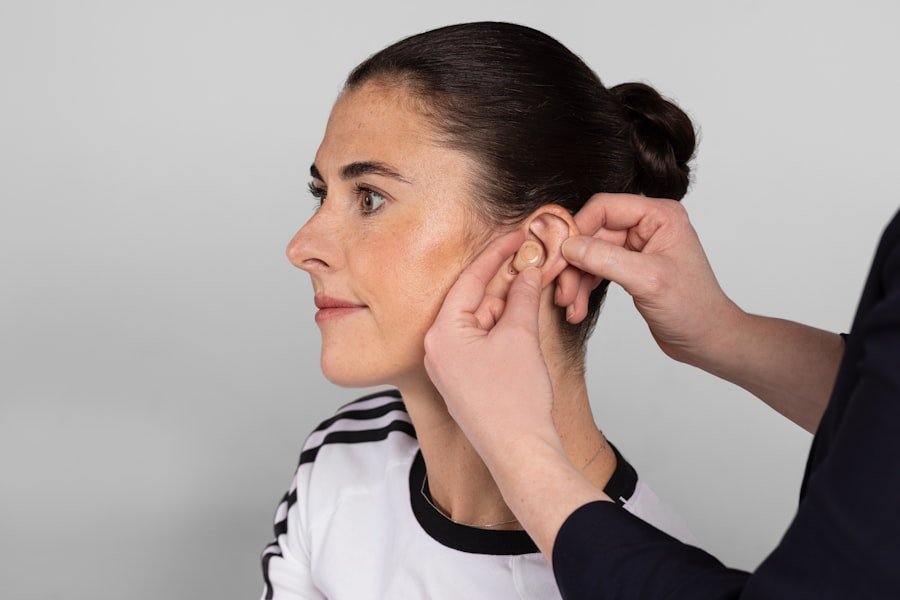
Your physical therapy journey will progress through distinct stages, each with its own set of goals and challenges. Understanding these stages can help you better anticipate and manage your recovery.
Acute Phase: Initial Post-Operative Period (Days to Weeks)
This is the immediate period following surgery, where your focus is on initial healing and managing acute symptoms.
- Focus on Pain and Swelling Management: The primary goals here are to control pain and reduce any post-surgical swelling through gentle mobilization and appropriate interventions.
- Early Mobilization: Encouraging early, safe movement is crucial to prevent stiffness and complications. Short walks and gentle range-of-motion exercises will be introduced.
- Instilling Confidence and Education: Your therapist will begin educating you about your recovery, answer your questions, and build your confidence in performing basic movements.
- Introduction to Basic Balance Exercises: Very simple exercises to start waking up your vestibular system and retraining your balance will be introduced, often in a seated or lying position.
- Breathing Exercises and Postural Awareness: Promoting good breathing patterns and awareness of your body in space will be initiated to support healing and prevent secondary issues.
Subacute Phase: Rebuilding Strength and Balance (Weeks to Months)
As your initial healing progresses, the focus shifts to actively regaining lost strength and improving balance.
- Progressive Strengthening Program: You’ll transition to more challenging strength exercises, gradually increasing resistance and complexity.
- Intensified Balance and Vestibular Training: The exercises will become more dynamic, challenging your vestibular system and proprioception in a greater variety of positions and movements.
- Introduction to Functional Mobility: You’ll start practicing more complex functional movements like standing up from a chair without support, walking greater distances, and navigating less predictable environments.
- Gait Training Refinement: Focusing on improving the quality of your walking, including stride length, speed, and balance during ambulation.
- Endurance Building: Gradually increasing the duration and intensity of your aerobic activities to regain stamina.
Chronic Phase: Maximizing Function and Preventing Relapse (Months and Beyond)
Even after discharge from formal therapy, the recovery process continues. This phase focuses on maintaining gains and integrating them into your daily life.
- Advanced Balance Challenges: Incorporating more complex and unpredictable activities to further challenge your balance and proprioception, such as obstacle courses or recreational activities.
- Sport-Specific or Activity-Specific Training: If you have specific hobbies or sports you wish to return to, your therapist can help you tailor your exercises to meet those demands.
- Long-Term Self-Management Strategies: Developing a sustainable home exercise program and strategies for managing any residual symptoms.
- Fall Prevention Education: Reinforcing strategies and environmental modifications to minimize the risk of falls in the long term.
- Ongoing Monitoring and Support: You may benefit from periodic check-ins with your therapist to adjust your program as needed or address any new concerns.
4. Making the Most of Your Physical Therapy Sessions
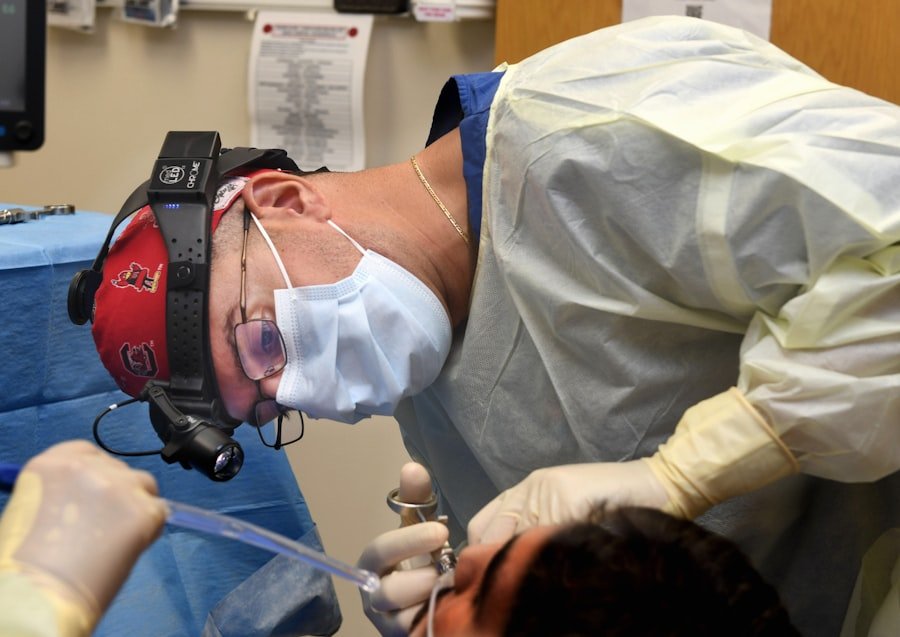
Your active participation and engagement are critical to your success in physical therapy. Here’s how you can maximize the benefit of each session.
Communicating Effectively with Your Therapist
Open and honest communication is the foundation of a successful therapeutic relationship. Don’t hesitate to share your experiences and concerns.
- Be Honest About Your Symptoms: Clearly articulate what you are feeling, including the intensity, frequency, and triggers of any dizziness, pain, or weakness.
- Report Any Changes: Inform your therapist immediately about any new symptoms, or any worsening of existing ones, that occur between sessions.
- Ask Questions: Don’t be afraid to ask for clarification on exercises, your progress, or the rationale behind your treatment plan. Understanding “why” can boost your motivation.
- Share Your Goals and Concerns: Clearly communicate your personal goals for recovery, both big and small, and any anxieties you may have.
The Importance of Consistency and Adherence to Home Exercise Programs (HEP)
Your physical therapist will provide you with exercises to do at home. This is where significant progress is often made.
- Treat Your HEP as Prescribed: View your home exercises as a crucial part of your treatment, just as important as your in-clinic sessions.
- Set Aside Dedicated Time: Schedule specific times for your exercises each day, making them a routine rather than an afterthought.
- Listen to Your Body: While consistency is key, it’s also important to modify or rest if you experience significant pain. Communicate these instances to your therapist.
- Use Any Visual Aids Provided: If your therapist provides videos or diagrams for your exercises, utilize them to ensure correct form.
- Track Your Progress: Keeping a log of your exercises, repetitions, and how you felt can be incredibly motivating and provide valuable information for your therapist.
Staying Motivated and Patient Throughout Your Recovery
Recovering from acoustic neuroma surgery is a marathon, not a sprint. Maintaining motivation and patience is key.
- Celebrate Small Victories: Acknowledge and celebrate every milestone, no matter how small. Being able to walk a little further or feeling a bit steadier are significant achievements.
- Visualize Your Goals: Keep your long-term goals in mind and visualize yourself achieving them. This can provide a powerful boost when you face challenges.
- Seek Support from Loved Ones: Lean on your friends and family for emotional support. Letting them know about your progress and challenges can be invaluable.
- Consider Support Groups: Connecting with others who have undergone similar experiences can provide a sense of community and shared understanding.
- Practice Self-Compassion: Understand that there will be good days and bad days. Be kind to yourself and avoid self-criticism.
5. Beyond the Clinic: Integrating Recovery into Daily Life
| Metrics | Results |
|---|---|
| Range of Motion Improvement | Significant improvement in range of motion in affected areas |
| Pain Reduction | Reduction in pain levels post-therapy |
| Balance and Coordination | Enhanced balance and coordination skills |
| Muscle Strength | Increased muscle strength in affected areas |
| Functional Mobility | Improved ability to perform daily activities |
As you advance in your physical therapy, the focus shifts from isolated exercises to integrating your improved function into your everyday activities. This is where you truly reclaim your independence and quality of life.
Adapting Your Home Environment for Safety
Making small adjustments to your living space can significantly reduce the risk of falls and increase your confidence.
- Improve Lighting: Ensure all areas of your home are well-lit, especially stairways and hallways, to enhance visibility.
- Remove Tripping Hazards: Clear clutter, secure loose rugs with non-slip backing, and ensure pathways are clear of electrical cords.
- Install Grab Bars: Consider installing grab bars in the bathroom, near the toilet, or in the shower for added support.
- Use Non-Slip Mats: Place non-slip mats in the shower or bathtub and on any slippery floor surfaces.
- Consider Stair Lifts or Handrails: If you have multiple levels in your home, assess the need for additional support like a stair lift or reinforcing existing handrails.
Reintegrating into Social and Recreational Activities
Gradually returning to your social life and hobbies is an essential part of emotional and physical recovery.
- Start Gradually and Strategically: When planning social outings, choose environments that are less overwhelming initially. Perhaps a quiet coffee with a friend before a large gathering.
- Communicate Your Needs: If you feel comfortable, let close friends and family know about any limitations you might have (e.g., needing to sit more, avoiding noisy environments for a while) so they can be understanding and supportive.
- Adapt Activities as Needed: Look for ways to modify activities to suit your current abilities. For example, if intense sports are too challenging, explore gentler forms of exercise or activities that you can enjoy at a slower pace.
- Focus on Enjoyment: The goal is to re-engage with activities that bring you joy and fulfillment. Don’t put pressure on yourself to immediately return to your previous level of participation.
- Be Prepared for Fluctuations: You might find that some days you feel more up to participating in activities than others. This is normal. Listen to your body and adjust accordingly.
Recognizing When to Seek Further Professional Guidance
While physical therapy plays a crucial role, it’s important to know when to reach out for additional support or if new concerns arise.
- Persistent or Worsening Symptoms: If you experience a significant increase in dizziness, pain, weakness, or other symptoms that are not improving or are worsening despite your best efforts, consult your doctor or physical therapist.
- New or Unexplained Symptoms: Any new or concerning symptoms that arise should be discussed with your healthcare team.
- Plateauing in Progress: If you feel you have reached a plateau in your recovery and are struggling to make further gains, your physical therapist can reassess your plan and introduce new strategies.
- Emotional Well-being: Recovery from surgery can be emotionally taxing. If you are experiencing significant anxiety, depression, or difficulty coping, don’t hesitate to seek support from a mental health professional.
- Long-Term Management: For individuals with persistent balance issues or other functional challenges, there may be ongoing strategies and support available. Your physical therapist can guide you on long-term self-management or refer you to specialized services if needed.
Your journey through physical therapy after acoustic neuroma surgery is a testament to your resilience and commitment to rebuilding your life. By understanding the process, actively participating in your treatment, and integrating your progress into daily life, you are well-equipped to achieve optimal recovery and a high quality of life. Remember, you are not alone in this, and with the right guidance and your dedication, a fulfilling future awaits.
FAQs
What is acoustic neuroma surgery?
Acoustic neuroma surgery is a procedure to remove a noncancerous tumor that develops on the main nerve leading from the inner ear to the brain.
What is physical therapy after acoustic neuroma surgery?
Physical therapy after acoustic neuroma surgery is a rehabilitation program designed to help patients regain strength, balance, and mobility, as well as manage any lingering symptoms such as dizziness or facial weakness.
What are the goals of physical therapy after acoustic neuroma surgery?
The goals of physical therapy after acoustic neuroma surgery include improving balance, reducing dizziness, restoring strength and mobility, and helping patients adapt to any changes in their physical abilities.
How long does physical therapy after acoustic neuroma surgery typically last?
The duration of physical therapy after acoustic neuroma surgery varies depending on the individual’s progress and specific needs, but it often lasts for several weeks to months.
What are some common physical therapy exercises after acoustic neuroma surgery?
Common physical therapy exercises after acoustic neuroma surgery may include balance training, gait training, strength exercises, and vestibular rehabilitation exercises to address dizziness and balance issues.