
You’re about to embark on a significant journey: preparing for acoustic neuroma surgery. As your Listicle Content Architect (LCA), I’m here to guide you through this process, breaking down complex information into manageable steps. Think of this as your comprehensive roadmap, designed to equip you with knowledge, alleviate anxieties, and empower you to make informed decisions at every turn. Acoustic neuroma surgery is a serious undertaking, but with meticulous preparation, you can navigate it with greater confidence and achieve the best possible outcome.
Before you can effectively prepare, you need to fully grasp what you’re dealing with. This isn’t just about hearing the words “acoustic neuroma” and “surgery”; it’s about understanding the nuances of your specific situation.
What is an Acoustic Neuroma?
Consider this your foundational knowledge. An acoustic neuroma, also known as a vestibular schwannoma, is a benign (non-cancerous) tumor that develops on the vestibulocochlear nerve, which runs from your inner ear to your brain. This nerve controls both your hearing and your balance. As the tumor grows, it can press on this nerve, leading to symptoms like hearing loss (often in one ear), tinnitus (ringing in the ear), dizziness, and balance problems. While generally slow-growing, it’s crucial to understand its potential impact on your quality of life.
Your Diagnostic Journey So Far
Reflect on how you arrived at this point. What were your initial symptoms? What diagnostic tests were performed? This might include audiograms to assess your hearing, balance tests, and imaging scans like MRI (Magnetic Resonance Imaging) or CT (Computed Tomography) scans. Understanding the results of these tests will help you engage more meaningfully with your medical team. Don’t hesitate to ask for copies of your reports and imaging if you haven’t already.
Exploring Your Surgical Options
Your neurosurgeon will have discussed the various surgical approaches available. These typically include:
Different Surgical Approaches
- Suboccipital (Retrosigmoid) Approach: This is a common approach where the surgeon makes an incision behind the ear and accesses the tumor through the back of the skull. It allows for good visualization of the tumor and can be used for both smaller and larger tumors.
- Translabyrinthine Approach: This approach involves removing a small portion of the bone within the inner ear to access the tumor. It offers excellent exposure but typically results in hearing loss in the operated ear. It’s often favored for larger tumors or when hearing preservation is not a primary concern.
- Middle Fossa Approach: This approach involves an incision above the ear and accessing the tumor from the side of the head. It’s generally used for smaller tumors located closer to the internal auditory canal and offers a higher chance of preserving hearing and facial nerve function.
Factors Influencing the Surgical Choice
Your surgeon will weigh several factors when recommending a particular approach. These include:
- Tumor Size and Location: Larger tumors may necessitate a different approach than smaller ones. The tumor’s exact position in relation to critical nerves (hearing, balance, facial) is paramount.
- Your Hearing Status: If you have significant hearing loss in the affected ear already, a surgical approach that preserves hearing might be less of a priority.
- Your Overall Health: Your general medical condition will influence the safest and most effective surgical route.
- Surgeon’s Expertise and Preference: While there are standard approaches, individual surgeons may have preferences or particular expertise with certain techniques.
The Role of Radiotherapy and Observation
It’s important to acknowledge that surgery isn’t always the only or immediate option. In some cases, especially for very small tumors or in patients with significant health concerns, observation with regular MRIs might be recommended to monitor tumor growth. Radiotherapy, like stereotactic radiosurgery (e.g., Gamma Knife or CyberKnife), is another treatment option, particularly for tumors where surgery poses significant risks or for patients who have already undergone surgery. Understanding these alternatives will provide a complete picture of your treatment landscape.
2. Assembling Your Medical Team and Gathering Information
Your surgical team is your most valuable resource. Building a strong relationship with them and ensuring you have all the necessary information is crucial for a smooth preparation.
Identifying Your Key Medical Professionals
You’ll be working with a multidisciplinary team. Make sure you know who everyone is and what their role entails:
The Neurosurgeon
This is your primary point of contact for the surgery itself. Understand their experience with acoustic neuroma surgery, their success rates, and their approach to managing potential complications.
The Otolaryngologist (ENT Specialist)
Your ENT specialist may have been involved in your initial diagnosis and will continue to play a role in managing your hearing and balance pre- and post-surgery.
The Anesthesiologist
This doctor will be responsible for keeping you comfortable and safe during the surgery by administering anesthesia. Don’t hesitate to discuss any concerns you have about anesthesia.
The Neuromonitoring Team
During surgery, a dedicated team will monitor the function of your facial and auditory nerves to minimize the risk of damage. Understanding their role can be reassuring.
Nurses and Support Staff
These individuals are vital for your day-to-day care, answering your questions, and ensuring your comfort.
Preparing Your Questions
You’ll likely have a lot of questions, and that’s perfectly normal! Before your appointments, jot down everything that comes to mind. Organize them by topic to make your meetings more efficient. Consider categories like:
- About the Surgery: What are the specific risks and benefits? What is the expected duration of the surgery? What type of anesthesia will be used?
- Recovery: What is the predicted recovery timeline? What will my post-operative pain be like? When can I expect to go home? What limitations will I have?
- Potential Complications: What are the risks of facial nerve damage, hearing loss, CSF leak, infection, etc.? How are these managed?
- Long-Term Outlook: What are the chances of recurrence? What follow-up care will I need?
Understanding Medical Records and Reports
Take the time to thoroughly review all your medical records related to your acoustic neuroma. This includes:
- MRI and CT Scan Reports: Understand the size, location, and characteristics of your tumor as well as any impact on surrounding structures.
- Audiology Reports: Review your hearing test results to establish a baseline for pre-operative hearing in both ears.
- Balance Test Results: Understanding any existing balance issues will help in post-operative rehabilitation.
- Previous Consultation Notes: Go back over notes from your previous appointments to make sure you haven’t missed any important details.
Seeking Second Opinions (Optional but Recommended)
If you feel you need further reassurance or a different perspective, don’t hesitate to seek a second opinion from another qualified neurosurgeon or ENT specialist. This is your right and can provide valuable insights and peace of mind.
3. Preparing Your Body for Surgery
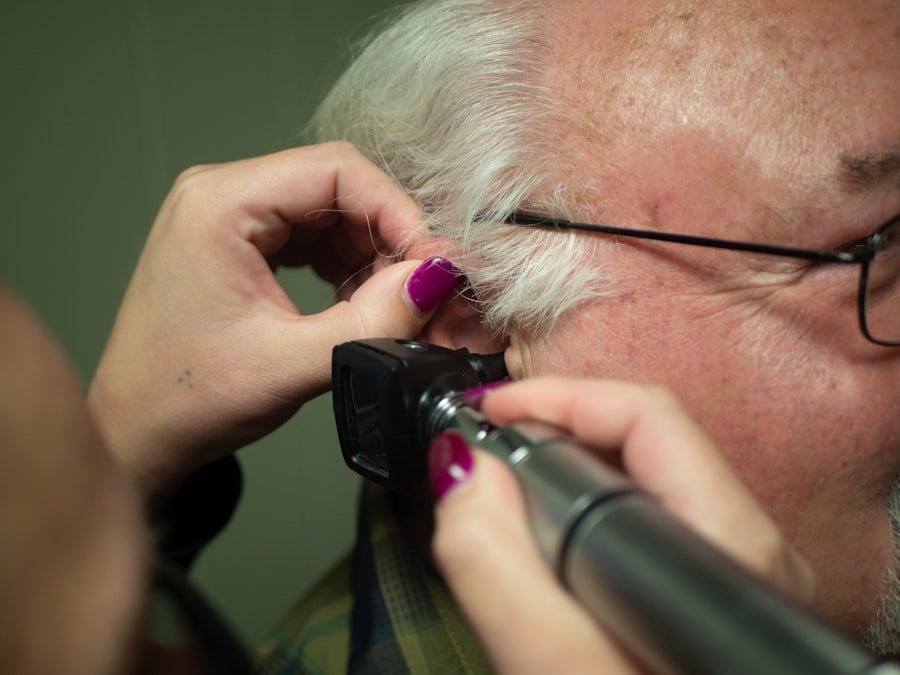
Your physical well-being is paramount in preparing for surgery. A healthy body is better equipped to handle the stress of the procedure and recover more effectively.
Medical Pre-Assessment and Health Optimization
Your surgical team will likely schedule a pre-operative assessment to evaluate your overall health. This may involve:
Blood Tests and Other Lab Work
These tests help assess your kidney function, liver function, blood clotting ability, and overall blood count.
Cardiac and Pulmonary Evaluation
Depending on your age and medical history, you might undergo tests to assess your heart and lung function to ensure you can tolerate anesthesia and surgery.
Medication Review and Adjustments
You’ll need to have a thorough discussion about all medications, vitamins, and supplements you are currently taking. Some may need to be stopped or adjusted before surgery to prevent interactions or complications. This can include blood thinners, certain herbal supplements, and even some over-the-counter medications.
Lifestyle Modifications for Optimal Health
Even if your surgery is scheduled soon, there are still beneficial lifestyle changes you can make:
Nutritional Support
Focus on a balanced diet rich in fruits, vegetables, and lean proteins to support your immune system and promote healing. Good hydration is also crucial.
Smoking Cessation
If you smoke, this is a critical time to quit or significantly reduce your intake. Smoking impairs healing, increases the risk of complications, and can negatively impact anesthesia. Seek support from your doctor if needed.
Alcohol Consumption
Moderate your alcohol intake. Excessive alcohol can interfere with medications and affect healing.
Exercise and Physical Conditioning
If medically cleared, engage in light to moderate exercise. Maintaining good physical condition can improve your stamina and aid in post-operative mobility. This could include walking, gentle stretching, or swimming. However, avoid any strenuous activities that could lead to injury.
Managing Pre-existing Conditions
If you have any chronic health conditions (diabetes, hypertension, heart disease, etc.), it’s crucial to manage them diligently in the weeks leading up to surgery. Close collaboration with your managing physician and your surgical team is essential to ensure these conditions are well-controlled.
4. Preparing Your Home and Your Logistics
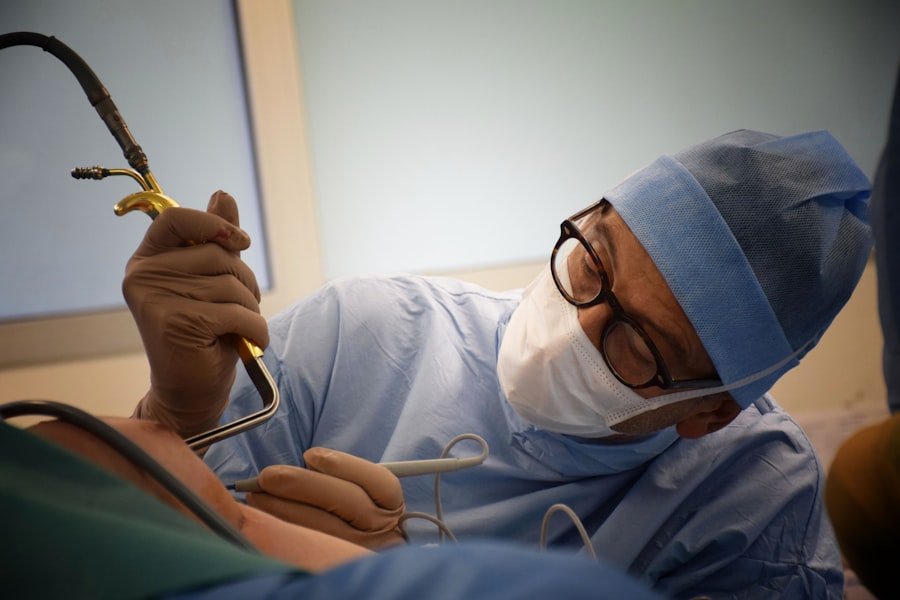
Beyond your medical preparation, addressing practical aspects of your life will significantly ease your transition into recovery.
Arranging for Post-Operative Care and Support
This is arguably one of the most critical elements. You will need reliable assistance during your recovery.
What Kind of Help Will You Need?
Consider your mobility, personal care needs, and daily tasks. You might require help with:
- Personal Hygiene: Bathing, dressing, grooming.
- Meal Preparation: Cooking, shopping, cleaning up.
- Medication Management: Reminders, administering medication.
- Light Household Chores: Laundry, tidying up.
- Transportation: To and from doctor’s appointments, errands.
- Companionship and Emotional Support: Having someone with you can be invaluable.
Identifying Your Support Network
Reach out to family, friends, or neighbors who can offer assistance. Be specific about the help you need. Don’t be afraid to ask for what you require; people generally want to help but may not know how unless you tell them.
Considering Professional Home Care Options
If your personal network is limited, explore options for professional home health aides or nursing services. Schedule these services in advance.
Making Your Home Recovery-Friendly
Your home environment should be set up to facilitate ease of movement and comfort during your recovery.
Essential Supplies and Preparations
- Stock Your Pantry and Refrigerator: Ensure you have plenty of non-perishable food items and easy-to-prepare meals. Consider pre-making and freezing meals.
- Comfortable Clothing: Have loose-fitting and comfortable clothing that is easy to put on and take off. Buttons and zippers might be challenging initially.
- Pillows and Blankets: Extra pillows can aid in comfortable positioning, especially if you need to sleep propped up.
- Entertainment: Books, magazines, puzzles, and access to streaming services can help pass the time and distract you.
- Adjustments for Accessibility: If needed, consider temporary measures like a shower chair, grab bars, or rearranging furniture to make pathways clearer.
Informing Key People of Your Absence
- Work: Ensure your employer is informed and that you have arranged for any necessary time off and how your responsibilities will be managed.
- Financial Institutions: If you will be unable to manage your finances for a period, make arrangements with your bank or financial advisor.
- Utilities/Mail: Consider how mail will be handled and if any essential bills need to be paid during your absence.
Planning for Transportation
You will not be able to drive yourself immediately after surgery.
Hospital Transportation
Confirm how you will get to the hospital on the day of surgery.
Post-Discharge Transportation
Arrange for someone to pick you up from the hospital and take you home. This is absolutely non-negotiable, as you will not be cleared to drive.
Future Appointments
Plan for transportation to all your follow-up medical appointments.
5. Preparing Your Mindset and Managing Expectations
| Preparation for Acoustic Neuroma Surgery | Details |
|---|---|
| Medical Evaluation | Complete medical history, physical examination, and imaging tests |
| Medication Adjustment | Adjustment of medications such as blood thinners before surgery |
| Pre-surgical Instructions | Instructions on fasting, medication intake, and other pre-surgical preparations |
| Anesthesia Consultation | Consultation with an anesthesiologist to discuss anesthesia options and risks |
| Support System | Arranging for a support system for post-surgery care and recovery |
The psychological preparation for surgery is as vital as the physical and logistical aspects. Your mental state significantly impacts your healing process and overall experience.
Addressing Anxiety and Fear
It’s completely natural to feel anxious and fearful about surgery. Acknowledging these emotions is the first step.
Open Communication with Your Medical Team
Don’t bottle up your concerns. Discuss your anxieties openly with your surgeon, nurses, or even a hospital social worker. They are experienced in managing patient fears and can offer reassurance and explanations.
Mindfulness and Relaxation Techniques
Explore techniques that help you stay calm and present:
- Deep Breathing Exercises: Simple yet powerful for reducing stress.
- Meditation: Even short periods of meditation can be beneficial.
- Progressive Muscle Relaxation: A technique to release physical tension.
- Guided Imagery: Visualizing positive outcomes and a smooth recovery.
Stress Management Activities
Engage in activities that you find calming and enjoyable. This could include listening to music, spending time in nature (if accessible and safe), or engaging in gentle hobbies.
Setting Realistic Expectations for Recovery
Understanding the recovery process helps manage expectations and prevent disappointment.
The Post-Operative Period Immediately After Surgery
You will likely experience fatigue, pain (which will be managed with medication), and some degree of disorientation. Hearing and balance changes may be present immediately.
Short-Term Recovery (Weeks 1-6)
This period will involve significant rest, managing pain, and gradually increasing your mobility. You may experience fluctuations in energy levels and mood. Some symptoms might worsen initially before they improve.
Long-Term Recovery and Rehabilitation
Full recovery can take several months or even up to a year. You will likely need to participate in physical therapy to regain balance and coordination. Hearing and facial nerve function may continue to improve over time, or some deficits may be permanent.
Potential for Permanent Changes
Be prepared for the possibility of permanent hearing loss or changes in facial nerve function (affecting facial movement). Understanding these possibilities allows you to mentally prepare and focus on adapting and rehabilitating. Your medical team will provide detailed information on managing these potential outcomes.
The Importance of a Positive Outlook
While acknowledging potential challenges, cultivating a positive outlook is crucial for healing.
Focusing on the Benefits of Surgery
Remind yourself why you are undergoing this procedure – to remove the tumor, relieve symptoms, and improve your long-term health and quality of life.
Celebrating Small Victories
Acknowledge and appreciate every step of progress, no matter how small. This could be a good night’s sleep, a successful therapy session, or a moment of reduced pain.
Leaning on Your Support System
Your loved ones are a vital source of emotional strength. Spend time with them, share your feelings, and allow them to support you.
Remember, LCA’s goal is to demystify your surgical journey. By meticulously preparing in each of these areas, you are actively taking control of your health and setting yourself on the best possible path for a successful surgery and a fulfilling recovery. You’ve got this.
FAQs
What is acoustic neuroma surgery?
Acoustic neuroma surgery is a procedure to remove a noncancerous tumor that develops on the main nerve leading from the inner ear to the brain. The tumor can cause hearing loss, ringing in the ear, and unsteadiness.
How should I prepare for acoustic neuroma surgery?
Before the surgery, your doctor will provide specific instructions on how to prepare. This may include stopping certain medications, fasting before the surgery, and arranging for transportation to and from the hospital.
What are the risks and potential complications of acoustic neuroma surgery?
Risks and potential complications of acoustic neuroma surgery may include hearing loss, facial weakness, balance problems, and cerebrospinal fluid leakage. Your surgeon will discuss these risks with you before the procedure.
What is the recovery process like after acoustic neuroma surgery?
Recovery after acoustic neuroma surgery varies for each individual, but typically involves a hospital stay of several days, followed by a period of rest at home. Physical therapy and rehabilitation may be necessary to regain balance and strength.
What are the long-term outcomes of acoustic neuroma surgery?
The long-term outcomes of acoustic neuroma surgery depend on various factors, including the size and location of the tumor, the patient’s overall health, and the surgical technique used. Some patients experience complete recovery, while others may have lingering symptoms. Regular follow-up appointments with your doctor are important to monitor your progress.