Take a moment to focus on your kidney health and discover the key tips for preventing acute renal failure. As an essential organ in the body, the kidneys play a vital role in filtering waste and maintaining a healthy fluid balance. This article will provide you with valuable insights and practical advice to safeguard your kidneys, ensuring their optimal function and overall well-being. So, let’s explore the essential habits and lifestyle changes that can help you maintain a healthy and flourishing renal system.

Understanding Acute Renal Failure
Definition
Acute renal failure, also known as acute kidney injury, is a sudden loss of kidney function. It occurs when the kidneys are unable to filter waste products and excess fluids from the blood efficiently. This can lead to a buildup of toxins and fluids in the body, causing various health complications.
Causes
Acute renal failure can be caused by several factors, including dehydration, kidney infections, certain medications, blood loss, and kidney trauma. Other causes may include autoimmune disorders, such as lupus or vasculitis, certain cancers, and blockages in the urinary tract.
Symptoms
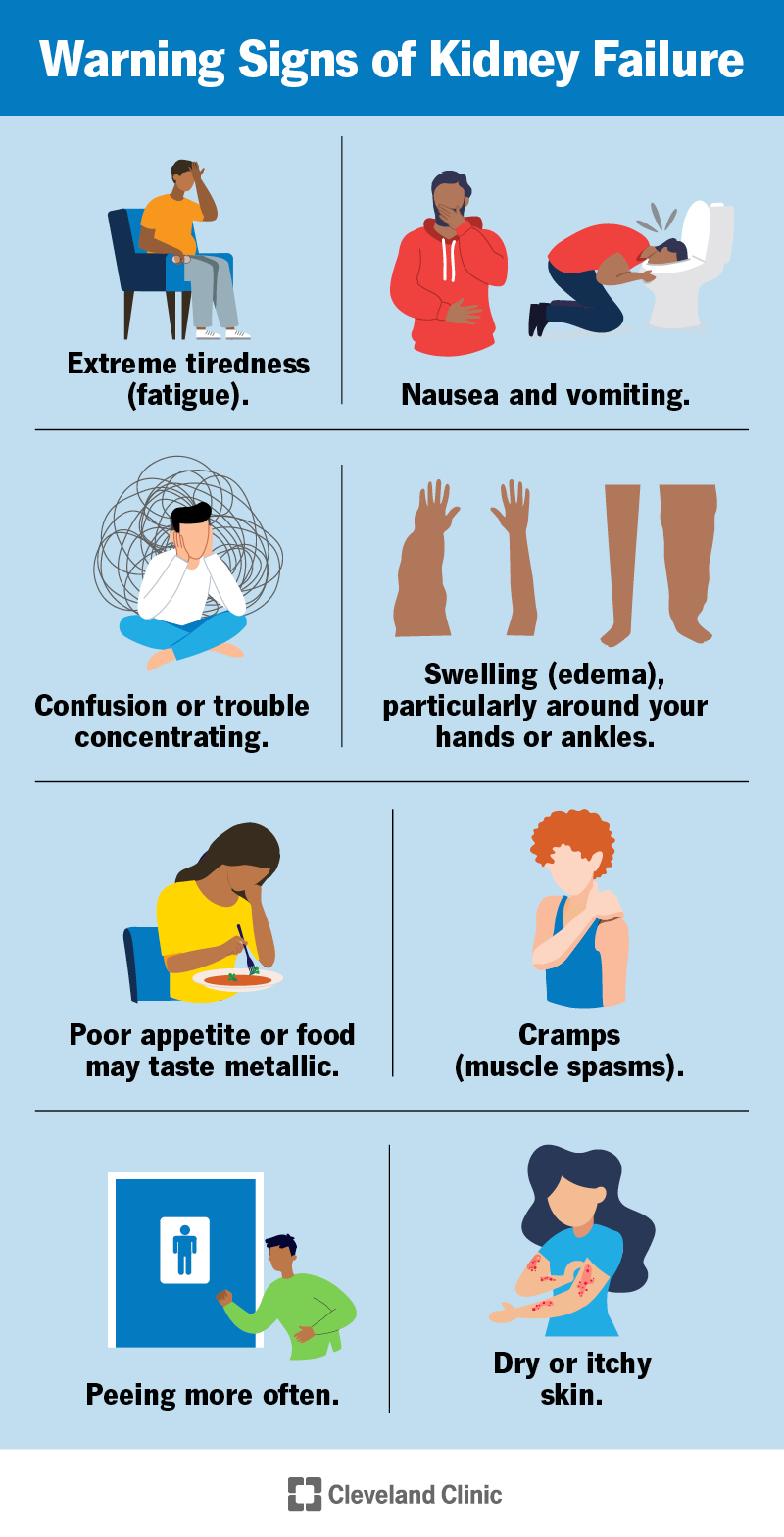
The symptoms of acute renal failure can vary depending on the underlying cause and the severity of the injury. Common symptoms may include decreased urine output, swelling in the legs and ankles, fatigue, nausea or vomiting, confusion, and shortness of breath. If you experience any of these symptoms, it is important to seek medical attention promptly.
Risk Factors
Several factors can increase the risk of developing acute renal failure. These include advanced age, underlying chronic health conditions such as diabetes, high blood pressure, and heart disease, and a history of kidney disease or injury. Certain medications, such as nonsteroidal anti-inflammatory drugs (NSAIDs) and certain antibiotics, can also increase the risk.
Preventing Acute Renal Failure
Maintaining a Healthy Diet
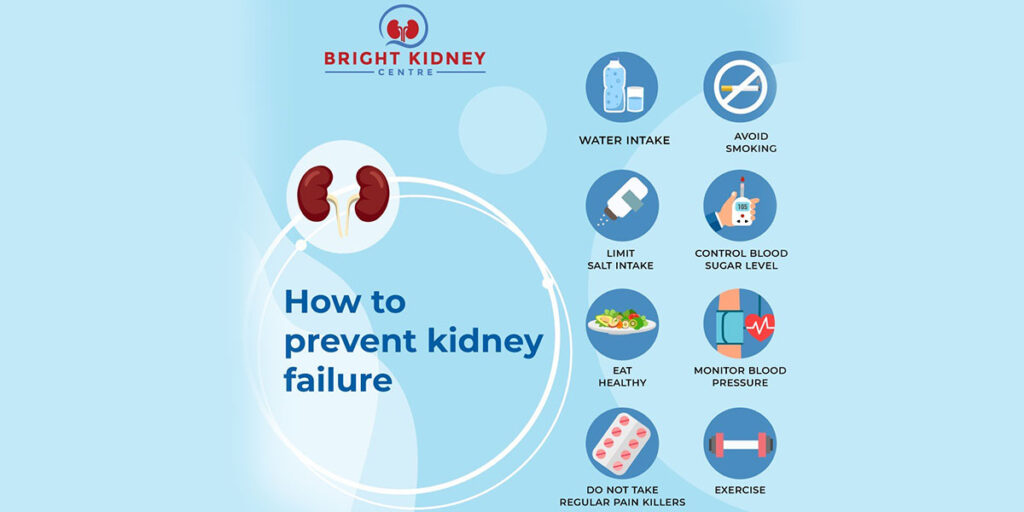
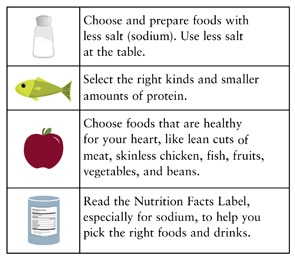
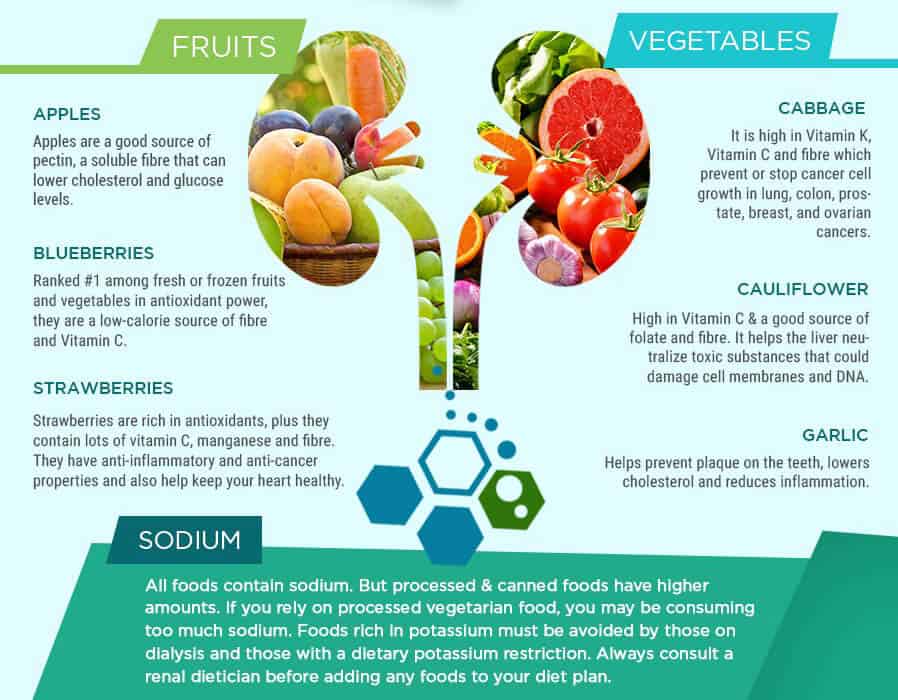
Eating a healthy and balanced diet is essential for maintaining kidney health and preventing acute renal failure. It is important to consume a variety of fruits, vegetables, whole grains, lean proteins, and healthy fats. Avoiding excessive consumption of processed foods, saturated fats, and high-sodium foods can help reduce the risk of kidney damage.
Staying Hydrated
Proper hydration is crucial for kidney health. Drinking an adequate amount of water throughout the day helps maintain the balance of fluids in the body and promotes efficient kidney function. It is recommended to drink at least eight glasses of water per day, or more if you engage in strenuous physical activity or live in a hot climate.
Avoiding Nephrotoxic Substances
Certain substances can be harmful to the kidneys and should be avoided or used sparingly. Alcohol, tobacco, and illicit drugs can all have a negative impact on kidney health. Additionally, exposure to certain chemicals in the workplace or environmental toxins should also be minimized to protect kidney function.
Regular Exercise
Engaging in regular physical exercise offers numerous health benefits, including maintaining kidney health. Regular exercise helps control blood pressure, reduce the risk of chronic conditions such as diabetes, and promote overall cardiovascular health. It is recommended to engage in at least 150 minutes of moderate-intensity aerobic exercise or 75 minutes of vigorous-intensity exercise per week.
Managing Chronic Conditions
Controlling Diabetes
Effective management of diabetes is crucial for preventing kidney damage and the development of acute renal failure. It is important to regularly monitor blood sugar levels, follow a healthy diet for diabetes management, take prescribed medications as instructed, and engage in regular physical activity. Working closely with a healthcare provider is essential for managing diabetes effectively.
Managing High Blood Pressure
High blood pressure can significantly increase the risk of kidney damage and acute renal failure. It is important to monitor blood pressure regularly, take prescribed medications as directed, and follow a low-sodium diet. Engaging in regular exercise, maintaining a healthy weight, and managing stress can also help control blood pressure levels.
Treating Kidney Infections
Prompt treatment of kidney infections, also known as urinary tract infections (UTIs), is essential for preventing kidney damage. It is important to seek medical attention if you experience symptoms of a UTI, such as pain or burning during urination, frequent urination, or cloudy urine. Antibiotics prescribed by a healthcare professional can effectively treat kidney infections and prevent further complications.
Taking Medications Safely
Avoiding Over-the-Counter Nephrotoxic Drugs
Certain over-the-counter medications, such as nonsteroidal anti-inflammatory drugs (NSAIDs) like ibuprofen and naproxen, can be nephrotoxic and potentially harm the kidneys. It is important to read labels carefully and follow the recommended dosage guidelines. If you have any underlying kidney conditions or are unsure about the safety of a particular medication, consult with a healthcare professional.
Monitoring Medications that Affect Kidney Function
Some prescription medications, such as certain antibiotics and medications used to manage chronic conditions, can affect kidney function. It is important to notify your healthcare provider about any medications you are taking, especially if you have a history of kidney problems. Regular monitoring of kidney function through blood tests can help ensure the safe use of these medications.
Avoiding Dehydration
Drinking Enough Water
Staying properly hydrated is essential for maintaining kidney health and preventing dehydration-related kidney damage. It is important to drink enough water throughout the day, especially during hot weather or physical activity. If you are unsure about the appropriate amount of water to drink, consult with your healthcare provider.
Limiting Caffeine and Alcohol
Caffeine and alcohol can have a diuretic effect, causing increased urine production and potential dehydration. It is important to limit the consumption of caffeine and alcoholic beverages to maintain proper hydration. Choosing water as the primary beverage and reducing the intake of caffeinated and alcoholic drinks can help protect kidney function.
Managing Fluid Intake in Special Situations
In certain situations, such as during illness or intense physical activity, increased fluid intake may be necessary to prevent dehydration. It is important to listen to your body’s signals and increase fluid intake accordingly. Consulting with a healthcare provider or a registered dietitian can provide guidance on managing fluid intake during specific situations.
Protecting Kidneys from Injury
Using Proper Body Mechanics
When engaging in physical tasks that involve lifting or carrying heavy objects, it is important to use proper body mechanics to prevent kidney injury. This includes lifting with your legs, not your back, and avoiding sudden twisting movements. Using assistive devices or asking for help when handling heavy objects can also reduce the risk of kidney trauma.
Avoiding Excessive Use of Pain Medications
Certain pain medications, such as opioids, when used excessively or for prolonged periods, can increase the risk of kidney damage. It is important to use pain medications as directed by a healthcare professional and avoid self-medicating. If you require pain management for an extended period, discuss alternative treatments or medication options with your healthcare provider.
Preventing Kidney Trauma
Engaging in activities that have a high risk of kidney trauma, such as contact sports or extreme physical activities, should be approached with caution. Wearing appropriate protective gear and taking necessary precautions can help prevent kidney injuries. If you experience a blow or injury to the kidney area, seek medical attention immediately to assess for possible kidney damage.
Regular check-ups and Testing
Routine Health Screenings
Regular health screenings are essential for identifying early signs of kidney problems and preventing acute renal failure. Routine blood pressure checks, blood tests to assess kidney function, and urine tests to detect abnormalities should be part of your regular healthcare routine. Consult with your healthcare provider to determine the appropriate frequency of screenings based on your individual risk factors.
Kidney Function Tests
Kidney function tests, such as blood tests to measure creatinine and blood urea nitrogen (BUN) levels, can provide valuable information about the health of your kidneys. These tests help assess how well your kidneys are filtering waste products from the blood. Regular monitoring of kidney function can help identify any changes or abnormalities early on and guide appropriate interventions if needed.
Monitoring Diagnosed Kidney Conditions
If you have been diagnosed with a kidney condition, such as chronic kidney disease or kidney stones, regular monitoring and follow-up appointments are essential. Your healthcare provider will determine the appropriate frequency of visits and tests based on the severity and progression of your condition. Adhering to these appointments and following your healthcare provider’s recommendations can help manage the condition effectively and prevent acute renal failure.
Maintaining a Healthy Lifestyle
Quitting Smoking
Smoking negatively affects overall health, including kidney health. It contributes to the development of various chronic conditions, including kidney disease. Quitting smoking is crucial for protecting your kidneys and reducing the risk of acute renal failure. Seek support from healthcare professionals or smoking cessation programs to quit smoking successfully.
Limiting Salt Intake
Excessive salt consumption can increase blood pressure levels and contribute to kidney damage. It is important to limit the intake of processed and packaged foods, which often contain high levels of sodium. Opting for fresh foods and using herbs and spices to enhance flavor can help reduce salt intake and promote kidney health.
Maintaining a Healthy Weight
Maintaining a healthy weight is important for overall health, including kidney health. Excess weight can strain the kidneys, leading to a higher risk of kidney damage. Eating a balanced diet, engaging in regular physical activity, and working with a healthcare provider or a registered dietitian can help achieve and maintain a healthy weight.
Recognizing and Treating Infections Promptly
Prompt Treatment of Urinary Tract Infections
Urinary tract infections (UTIs) can lead to kidney infections if left untreated, potentially resulting in kidney damage. It is important to recognize the symptoms of a UTI, such as pain or burning during urination, frequent urination, or cloudy urine, and seek prompt medical treatment. Antibiotics prescribed by a healthcare professional can effectively treat UTIs and prevent kidney complications.
Infection Control in Healthcare Settings
If you are in a healthcare setting, such as a hospital or clinic, it is crucial to follow proper infection control measures. This includes practicing good hand hygiene, ensuring healthcare providers adhere to infection control protocols, and addressing any concerns or questions you may have regarding infection prevention. By taking these precautions, you can reduce the risk of acquiring infections that may affect kidney health.
Seeking Prompt Medical Attention
Recognizing Early Symptoms of Kidney Problems
Being aware of the early symptoms of kidney problems can help you seek medical attention promptly and prevent the progression to acute renal failure. Symptoms such as increased fatigue, changes in urine color or volume, swelling in the legs or ankles, and persistent nausea or vomiting should not be ignored. If you experience any of these symptoms, it is important to consult with a healthcare professional.
Seeking Immediate Medical Help
Certain kidney problems, such as kidney stones, severe urinary tract infections, or symptoms of kidney failure, require immediate medical attention. Symptoms such as severe abdominal or back pain, blood in urine, high fever, and a significant decrease in urine output should be treated as medical emergencies. Timely medical intervention can help prevent further damage and improve outcomes.
Taking preventive measures, such as maintaining a healthy diet, staying hydrated, managing chronic conditions, taking medications safely, avoiding dehydration, protecting kidneys from injury, regular check-ups and testing, maintaining a healthy lifestyle, recognizing and treating infections promptly, and seeking prompt medical attention, can significantly reduce the risk of developing acute renal failure and support optimal kidney health. It is important to prioritize kidney health and work closely with healthcare professionals to implement these strategies in your daily life. Remember, a proactive approach and early intervention can go a long way in preventing kidney complications and preserving overall well-being.
Watch This Video Below
Related Terms About Preventing Acute Renal Failure
Acute Renal Failure Treatment Prevention, How To Prevent Acute Kidney Disease, How To Prevent Acute Kidney Failure, How To Stop Acute Kidney Failure, Preventing Acute Renal Failure, Prevention Of Acute Renal Failure, Prevention Of Acute Renal Failure Pdf, To Prevent Acute Renal Failure, Ways Of Preventing Acute Renal Failure, Ways To Prevent Renal Failure