
You know that adolescence can be a challenging time, full of new experiences and pressures. As a parent or caregiver, it’s important to equip yourself with the knowledge and tools to help prevent alcohol abuse in adolescents. This article aims to shed light on the issue, providing insights into the signs of alcohol abuse, the risk factors that contribute to it, and practical strategies for promoting a healthy and alcohol-free lifestyle for the young people in your life. By staying informed and actively involved, you can make a positive difference in the lives of adolescents, empowering them to make responsible choices and navigate the complexities of life.
Factors Contributing to Alcohol Abuse in Adolescents
Peer pressure
Peer pressure can have a significant influence on adolescent alcohol abuse. During this critical stage of development, adolescents are often eager to fit in and be accepted by their peers. They may feel pressured to engage in risky behaviors, including drinking alcohol, in order to gain social status and approval. This can easily lead to the development of harmful drinking patterns and potentially addictive behaviors.
Family history
A family history of alcohol abuse can greatly increase the risk of alcohol abuse in adolescents. Genetics play a role in a person’s susceptibility to addiction, and growing up in an environment where alcohol abuse is prevalent can normalize this behavior and make it more likely for young individuals to experiment with alcohol. Additionally, a lack of proper parental guidance and support can further exacerbate the issue.
Mental health issues
Adolescents who struggle with mental health issues are more prone to turn to alcohol as a form of self-medication. Conditions such as depression, anxiety, and trauma can lead individuals to seek temporary relief through alcohol. Unfortunately, this coping mechanism only exacerbates their problems in the long run and can lead to a cycle of addiction and worsened mental health.
Lack of parental supervision
A lack of parental supervision can create an environment where alcohol abuse can flourish. When parents are absent or fail to set clear boundaries, adolescents may be more likely to engage in risky behaviors such as drinking. Proper supervision allows parents to monitor their child’s behavior, enforce rules, and provide a supportive presence that can deter alcohol abuse.
Societal influences
Societal influences, such as media portrayal and cultural norms, can also contribute to alcohol abuse in adolescents. Advertisements and media depictions often glamorize alcohol consumption, normalizing it in the eyes of young individuals. Additionally, cultural acceptance of alcohol as a social lubricant can make it more difficult for adolescents to recognize the potential dangers associated with drinking.
Recognizing the Signs of Alcohol Abuse in Adolescents
Behavioral changes
One of the key indicators of alcohol abuse in adolescents is a noticeable change in behavior. This can include increased aggression, mood swings, irritability, or a sudden lack of interest in activities or hobbies that were previously enjoyed. Adolescents may also become more secretive, withdraw from family and friends, or exhibit a significant increase in risky behaviors.
Poor academic performance
Alcohol abuse can have a profound impact on an adolescent’s academic performance. The cognitive impairments caused by alcohol can result in decreased concentration, memory problems, and an inability to retain information. As a result, grades may drop, assignments may be neglected, and overall academic achievement may suffer.
Physical signs
Physical signs of alcohol abuse in adolescents can include bloodshot eyes, slurred speech, impaired coordination, and a distinct smell of alcohol on the breath or clothing. Frequent hangovers, unexplained injuries, or changes in eating or sleeping patterns can also indicate alcohol abuse.
Secretive behavior
Adolescents who are abusing alcohol often become more secretive about their activities. They may go to great lengths to hide their drinking habits by lying about their whereabouts, making excuses, or sneaking alcohol into their rooms. This secretive behavior is a red flag and should be taken seriously by parents and caregivers.
Changes in friendships
Adolescents who are struggling with alcohol abuse may experience a shift in their social circle. They may start associating with peers who also engage in risky behavior and substance abuse, distancing themselves from more positive influences. This change in friendships can be a strong indicator that an adolescent is struggling with alcohol abuse.

Importance of Prevention
Long-term consequences
Preventing alcohol abuse in adolescents is crucial due to the long-term consequences it can have on their physical and mental health. Chronic alcohol abuse during adolescence can lead to a wide range of health problems, including liver damage, impaired brain development, increased risk of addiction, and even premature death. By focusing on prevention, we can help safeguard the future well-being of our young population.
Reducing risk factors
Prevention efforts aim to reduce the risk factors associated with alcohol abuse in adolescents. By addressing factors such as peer pressure, family history, and mental health issues, we can create an environment that discourages alcohol abuse and promotes healthier coping mechanisms. By identifying and addressing these risk factors early on, we can intervene and provide support before alcohol abuse becomes a serious problem.
Promoting protective factors
In addition to reducing risk factors, prevention efforts also focus on promoting protective factors that can strengthen adolescents’ resilience against alcohol abuse. Factors such as positive peer relationships, parental support, and access to mental health services can all contribute to better outcomes and decrease the likelihood of alcohol abuse. By promoting these protective factors, we can help adolescents navigate the challenges they face and make healthier choices.
Enhancing decision-making skills
Prevention programs often emphasize the importance of enhancing adolescents’ decision-making skills. By providing age-appropriate education and teaching critical thinking skills, adolescents can develop a better understanding of the potential risks and consequences associated with alcohol abuse. This empowers them to make informed choices and resist peer pressure, ultimately reducing the likelihood of engaging in risky behaviors.
Educating Adolescents about Alcohol
Providing accurate information
One of the most important aspects of preventing alcohol abuse in adolescents is providing accurate information about alcohol and its effects. This includes explaining the physical and mental health risks associated with alcohol, as well as dispelling common misconceptions. By ensuring that adolescents have access to reliable information, we can equip them with the knowledge they need to make informed decisions.
Discussing the risks and consequences
Open and honest discussions about the risks and consequences of alcohol abuse are essential. Adolescents need to understand the potential short-term and long-term effects that alcohol can have on their lives. These conversations should cover topics such as impaired judgment, increased risk of accidents and injuries, long-term health problems, and the potential for addiction.
Clarifying misconceptions
There are many misconceptions surrounding alcohol use, and it is crucial to clarify these misconceptions in order to prevent alcohol abuse. Adolescents may believe myths such as “beer is safer than hard liquor” or “drinking alcohol can help you fit in.” Educating them about the realities of alcohol can help debunk these myths and prevent them from making ill-informed choices.
Highlighting media influence
Media plays a significant role in shaping adolescents’ perceptions and behaviors. It is important to highlight the influence of media in promoting alcohol consumption and to encourage critical thinking when viewing advertisements or representations of alcohol in movies and TV shows. By fostering media literacy skills, we can help adolescents recognize and resist the misleading messages surrounding alcohol.

Building Strong Parent-Child Relationships
Open communication
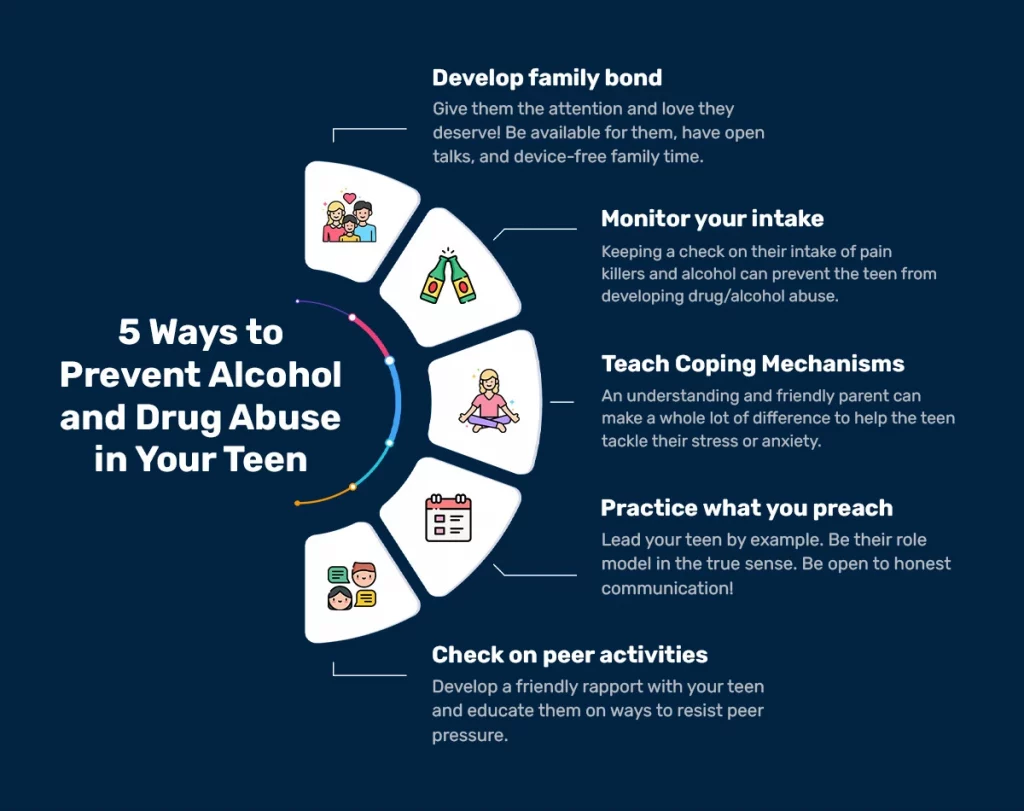
Open communication between parents and adolescents is essential in preventing alcohol abuse. Parents should create a safe and non-judgmental space in which their child feels comfortable discussing their concerns, experiences, and questions about alcohol. Regular conversations about expectations, boundaries, and the potential risks of alcohol can help strengthen the parent-child relationship and reduce the likelihood of alcohol abuse.
Setting clear expectations
Clear expectations and rules regarding alcohol use should be established within the family. Adolescents need to understand the consequences they will face if they engage in underage drinking or alcohol abuse. Firm and consistent enforcement of these expectations helps establish boundaries and reinforce the message that alcohol abuse is not acceptable.
Imparting values and beliefs
Parents play a crucial role in instilling values and beliefs in their children. By discussing family values and beliefs regarding alcohol use, parents can help shape their child’s attitudes and decision-making processes. Emphasizing the importance of responsible and healthy behaviors can help guide adolescents towards making better choices in relation to alcohol.
Being a positive role model
Parents should strive to be positive role models for their children when it comes to alcohol. By demonstrating responsible alcohol use, parents can set a positive example and reinforce the message that alcohol needs to be consumed in moderation and only when legal and appropriate. Modeling healthy coping mechanisms and stress management strategies can also provide adolescents with healthier alternatives to turning to alcohol.
Effective Peer Interventions
Promoting supportive relationships
Promoting supportive peer relationships can be an effective way to prevent alcohol abuse in adolescents. Peer groups that discourage alcohol use and prioritize healthy behaviors create an environment in which it is easier for young individuals to resist peer pressure. Encouraging positive friendships and fostering a sense of belonging can help reduce the influence of peers who may encourage alcohol abuse.
Peer mentoring programs
Peer mentoring programs can be a valuable tool in preventing alcohol abuse. These programs pair younger adolescents with older peers who have demonstrated responsible behavior and decision-making skills. Peer mentors can offer support, guidance, and role modeling, which can help further develop their mentees’ resistance to alcohol abuse.
Encouraging responsible behavior
Encouraging responsible behavior among peers can also play a role in preventing alcohol abuse. By promoting a culture of accountability, young individuals are more likely to hold each other to high standards, making it less acceptable to engage in risky behaviors, including alcohol abuse. Peer-led initiatives, such as responsible hosting campaigns or group activities focused on health and wellbeing, can reinforce responsible decision-making.
Organizing substance-free activities
Providing opportunities for substance-free activities can help redirect adolescents’ focus away from alcohol and towards healthier forms of entertainment. Organizing events, clubs, or community-based activities that do not involve alcohol can create a supportive and inclusive environment where adolescents can socialize and have fun without the need for substances.

Implementing School-Based Prevention Programs
Providing education and awareness
School-based prevention programs play a crucial role in educating adolescents about the risks and consequences of alcohol abuse. These programs provide accurate information about alcohol, its effects on the body and mind, and the legal and social ramifications of underage drinking. By raising awareness among students, schools can empower them to make informed choices and resist peer pressure.
Incorporating life skills training
Life skills training is an integral part of school-based alcohol prevention programs. These programs focus on enhancing critical thinking, decision-making, communication, and stress management skills. By equipping adolescents with these essential life skills, schools can help them navigate the challenges of adolescence and make healthier choices in relation to alcohol.
Offering counseling services
Schools should provide access to counseling services for students struggling with alcohol abuse or related issues. Counseling can provide a safe space for adolescents to explore their thoughts, feelings, and concerns, and a professional counselor can offer guidance, support, and resources. By having these services readily available, schools can ensure that students receive the help they need.
Engaging parents and community
Successful school-based prevention programs involve active engagement from parents and the wider community. This can include workshops or information sessions for parents, community events focused on alcohol prevention, or partnerships with local organizations that specialize in substance abuse prevention. By involving parents and the community, schools can create a united front in their efforts to prevent alcohol abuse.
Regulating Advertising and Availability
Restricting alcohol advertisements
Regulating alcohol advertisements can help reduce adolescents’ exposure to aggressive marketing tactics that normalize alcohol consumption. Restrictions can be placed on the content, timing, and placement of alcohol advertisements to minimize the influence they have on young individuals. By limiting their exposure to alcohol advertising, we can decrease the likelihood of adolescents developing unhealthy attitudes towards alcohol.
Limiting alcohol accessibility
Restricting the accessibility of alcohol to minors is an important preventive measure. This can include enforcing age verification measures in stores and implementing stricter regulations at venues where alcohol is sold or served. By making it more difficult for adolescents to access alcohol, we create a barrier that can deter and discourage alcohol abuse.
Enforcing age restrictions
Enforcing age restrictions is crucial to preventing alcohol abuse in adolescents. By strictly enforcing laws that prohibit the sale, purchase, and consumption of alcohol by underage individuals, we send a clear message that alcohol abuse is not acceptable and carry consequences. Consistent enforcement of these laws can help deter young individuals from engaging in alcohol-related activities.
Advocating for policy changes
Advocacy plays a crucial role in preventing alcohol abuse. By advocating for policy changes at local, state, and national levels, individuals and communities can work towards implementing stricter regulations and effective prevention strategies. This can involve collaborating with lawmakers, joining advocacy groups, raising awareness, and actively participating in discussions surrounding alcohol abuse prevention.

Screening and Early Intervention
Identifying at-risk adolescents
Screening for alcohol abuse and identifying at-risk adolescents is vital for early intervention. Healthcare providers, teachers, and parents should be trained to recognize the signs and symptoms of alcohol abuse. Regular screenings and assessments can help identify adolescents who may need additional support or intervention.
Conducting screenings and assessments
Screenings and assessments should be conducted in a non-judgmental and supportive manner. These assessments can include self-report questionnaires, interviews, or behavioral observations. By gathering comprehensive information about an adolescent’s alcohol use and related issues, healthcare providers and educators can develop personalized intervention plans.
Offering counseling and support
Early intervention is key to addressing alcohol abuse in adolescents. Offering counseling and support services to at-risk adolescents can help them navigate their challenges and develop healthier coping mechanisms. Individual counseling, group therapy, or family therapy can all be beneficial in addressing both the underlying causes of alcohol abuse and the associated consequences.
Referring to specialized services
In some cases, specialized services may be required to address alcohol abuse in adolescents. Referrals to addiction specialists, mental health professionals, or treatment centers can provide adolescents with the comprehensive care needed to overcome their alcohol abuse. It is essential to ensure that adolescents have access to the appropriate resources and support systems throughout their journey to recovery.
Conclusion
Preventing alcohol abuse in adolescents requires a comprehensive and multi-faceted approach. By addressing factors such as peer pressure, family history, and mental health issues, we can tackle the root causes of alcohol abuse and create an environment that promotes healthy choices. Through education, communication, and early intervention, we can empower adolescents to make informed decisions, resist peer pressure, and develop the necessary skills to navigate the challenges of adolescence. Collaboration between individuals, communities, and government entities is essential in creating a united front against alcohol abuse and ensuring the well-being of our young population. Continued efforts to raise awareness, educate, and advocate for effective prevention strategies will play a vital role in reducing alcohol abuse and fostering healthier futures for adolescents.