
Imagine being a teenager or a young adult, full of hopes and dreams for the future. Now imagine being faced with the terrifying reality of a brain tumor. This article will explore the importance of preventing and managing brain tumors in this vulnerable age group. From understanding the underlying causes to discussing early detection and treatment options, this piece aims to provide valuable information and support for teenagers and young adults facing this daunting challenge. So, let’s dive into the world of brain tumors and find out how we can better protect and care for our minds.
Understanding Brain Tumors
What are brain tumors?
Brain tumors are abnormal growths of cells in the brain or the surrounding tissues. They can be either cancerous (malignant) or non-cancerous (benign). These tumors can disrupt the normal functioning of the brain and may require medical intervention for treatment and management.
Types of brain tumors
There are several types of brain tumors, including gliomas, meningiomas, pituitary adenomas, medulloblastomas, and schwannomas, among others. Each type originates from different cells within the brain and has unique characteristics. It is important to accurately diagnose the type of brain tumor to determine the most suitable treatment approach.
Causes and risk factors
The exact causes of brain tumors are often unknown, but certain risk factors increase the likelihood of developing them. These risk factors include a family history of brain tumors, exposure to radiation, certain genetic conditions, and a weakened immune system. While some risk factors cannot be controlled, being aware of them can help individuals take necessary precautions.
Symptoms and Diagnosis
Common symptoms
The symptoms of a brain tumor can vary depending on the location, size, and type of tumor. Common symptoms include persistent headaches, seizures, cognitive difficulties, changes in speech or hearing, balance problems, and visual disturbances. If you experience any of these symptoms, it is advisable to seek medical attention for a proper diagnosis.
Diagnosing brain tumors
Diagnosing a brain tumor typically involves a combination of imaging tests such as MRI or CT scans, followed by a biopsy to analyze the tumor cells. Additionally, a neurological examination may be conducted to assess the brain’s functioning. Accurate diagnosis is crucial for developing an appropriate treatment plan.
Importance of early detection
Early detection of brain tumors is vital for better treatment outcomes. Recognizing the symptoms and seeking prompt medical attention can lead to earlier diagnosis and intervention. Regular check-ups and being aware of any changes in neurological function can help detect potential brain tumors in their early stages, allowing for more effective treatment options.
Preventing Brain Tumors
Maintaining a healthy lifestyle
While it may not be possible to completely prevent brain tumors, adopting a healthy lifestyle can lower the risk. This includes eating a balanced diet rich in fruits and vegetables, being physically active, getting enough sleep, and managing stress. These habits contribute to overall well-being and reduce the chances of developing various health conditions.
Avoiding exposure to radiation
Radiation exposure, particularly to the head and neck, is a known risk factor for brain tumors. It is crucial to limit unnecessary exposure to radiation, such as excessive X-rays or CT scans. Additionally, reducing exposure to occupational hazards involving radiation, such as certain industrial processes or medical procedures, can minimize the potential risks.
Limiting exposure to certain chemicals
Exposure to certain chemicals, such as certain industrial solvents or pesticides, may increase the risk of developing brain tumors. Being cautious and following safety guidelines while handling these chemicals can help minimize exposure. It is advisable to wear protective gear and work in well-ventilated areas to reduce the risk of inhaling or absorbing harmful substances.
Screening and Regular Check-ups
Importance of regular check-ups
Regular check-ups play a crucial role in maintaining overall health, including monitoring for any signs or symptoms of brain tumors. During check-ups, healthcare professionals can assess neurological functioning, inquire about any changes in cognition or physical well-being, and order additional tests if necessary. These routine visits ensure that any potential issues are addressed early on.
Screening methods for brain tumors
Currently, there are no standardized screening methods available for the early detection of brain tumors in the general population. However, individuals with a family history of certain genetic conditions associated with brain tumors may undergo genetic testing and imaging screenings as recommended by their healthcare providers. Research is ongoing to develop effective screening tools for early detection.
When to seek medical attention
If you experience persistent or worsening symptoms such as frequent headaches, seizures, unexplained changes in cognitive abilities, or new neurological deficits, it is important to seek medical attention promptly. Even if these symptoms are not caused by a brain tumor, it is important to rule out any potential underlying health conditions and receive appropriate care.
Treatment Options
Surgical intervention
Surgery is often the primary treatment option for brain tumors. The goal of surgery is to remove as much of the tumor as possible while preserving the surrounding healthy brain tissue. In some cases, the entire tumor can be successfully removed, leading to long-term remission or cure. However, in other cases, surgical intervention may be combined with other treatment modalities.
Radiation therapy
Radiation therapy involves using high-energy rays or particles to destroy cancer cells and shrink tumors. It is commonly used after surgery to eliminate any remaining tumor cells or as a standalone treatment for tumors that are not suitable for surgical removal. Radiation therapy is carefully planned to target the tumor while minimizing the impact on healthy brain tissue.
Chemotherapy
Chemotherapy utilizes drugs to kill cancer cells or stop their growth. It can be administered orally, intravenously, or directly into the spinal fluid, depending on the specific type and location of the tumor. Chemotherapy may be used in combination with other treatment modalities and may be recommended before or after surgery to reduce tumor size or prevent recurrence.
Targeted therapy
Targeted therapy involves using drugs that specifically target certain molecular pathways involved in the growth and survival of cancer cells. These targeted therapies are designed to have fewer side effects compared to traditional chemotherapy and are often used when genetic or molecular abnormalities are present in the tumor cells.
Immunotherapy
Immunotherapy is a type of treatment that harnesses the body’s immune system to fight against cancer cells. It stimulates the immune system or involves the administration of immune checkpoint inhibitors to enhance the body’s natural defense mechanisms against the tumor. Immunotherapy is an area of ongoing research and may be used in combination with other treatment modalities.
Managing Brain Tumors
Supportive care
Supportive care focuses on managing symptoms and improving quality of life for individuals with brain tumors. It includes various interventions such as pain management, anti-nausea medications, and rehabilitation services. The goal is to address the physical, emotional, and practical challenges faced by patients and provide them with comprehensive support throughout their treatment journey.
Psychological support
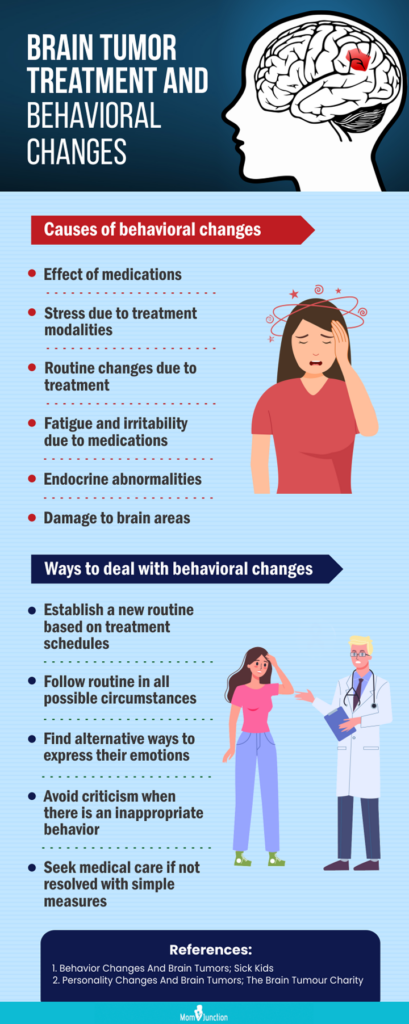
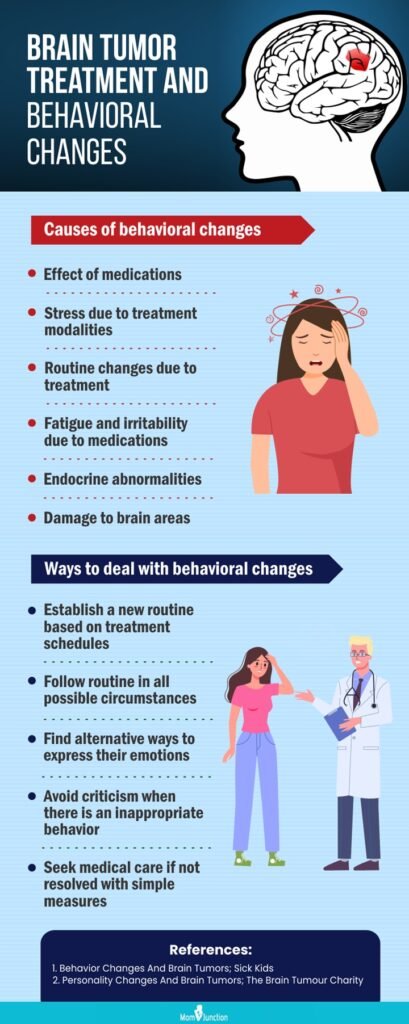
A diagnosis of brain tumor can be emotionally overwhelming, not only for patients but also for their loved ones. Psychological support in the form of counseling or therapy can help individuals cope with the challenges, anxiety, and depression associated with brain tumors. It provides a safe space to express emotions, learn coping strategies, and develop resilience.
Managing side effects of treatment
Treatment for brain tumors can result in various side effects, including fatigue, hair loss, changes in appetite, and cognitive difficulties. Proper management of these side effects is crucial to minimize their impact on daily life. Healthcare professionals provide guidance on managing side effects through medication, lifestyle modifications, and supportive therapies.
Coping Strategies for Teenagers and Young Adults
Emotional support and counseling
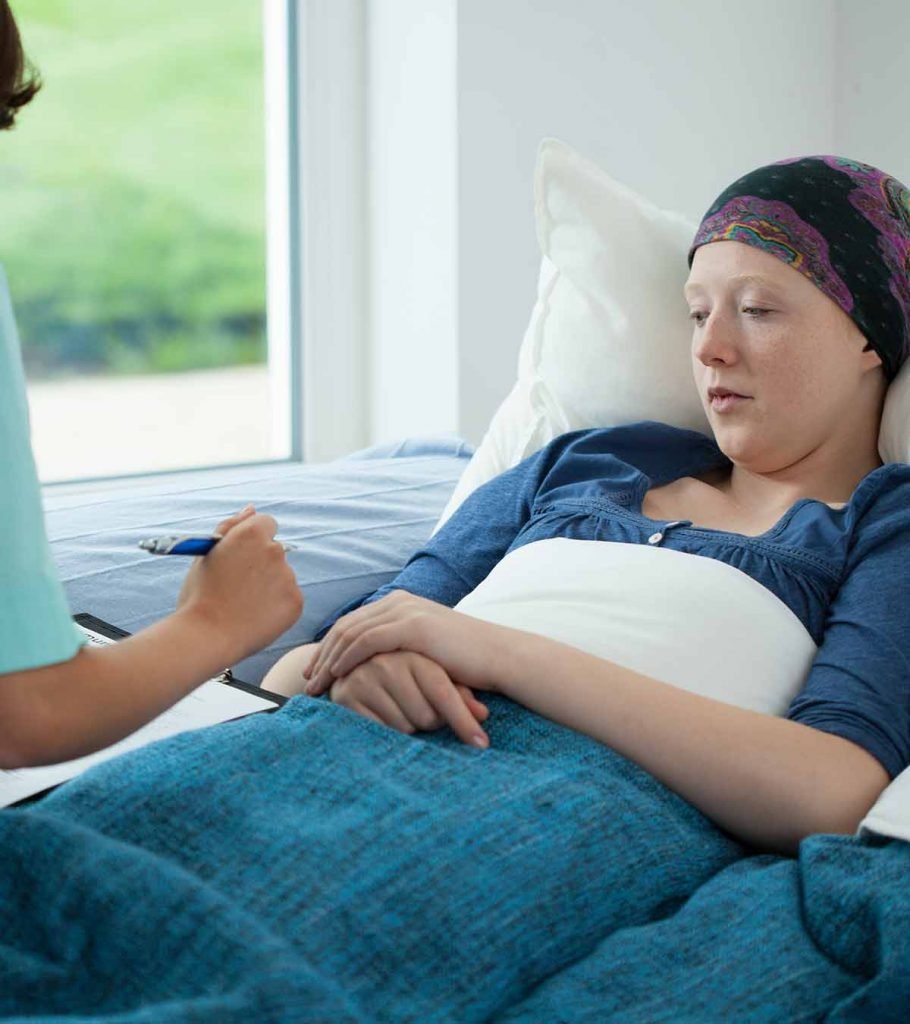
Teenagers and young adults diagnosed with brain tumors may face unique challenges related to their age group. Emotional support and counseling can help them navigate these challenges by providing a safe and understanding environment to express their emotions, fears, and uncertainties. Professional counselors or psychologists specializing in adolescent and young adult oncology can play a crucial role in providing age-appropriate support.
Joining support groups
Joining support groups allows teenagers and young adults with brain tumors to connect with others who are going through similar experiences. These groups provide a platform for sharing experiences, exchanging advice, and finding solace in a community that understands their unique struggles. Support groups can be in-person gatherings or online communities.
Maintaining a positive outlook
Maintaining a positive outlook can significantly impact the overall well-being of teenagers and young adults with brain tumors. Encouraging self-care activities, engaging in hobbies, and focusing on personal goals and aspirations can help foster resilience and a sense of purpose. Building a support network of family, friends, and healthcare providers is also beneficial in maintaining a positive mindset.
Impacts on Education and Future Planning
Navigating academic challenges
The diagnosis and treatment of brain tumors can significantly impact a teenager or young adult’s education. It is essential to communicate with teachers, school administrators, and educational specialists to develop an individualized plan that accommodates the unique needs and challenges associated with the diagnosis. Adjustments in workload, flexible scheduling, and access to educational resources can support continued learning during treatment.
Working with healthcare professionals and school administrators
An open line of communication between healthcare professionals and school administrators is crucial to ensure seamless coordination and support for the individual’s academic journey. Collaboration between both parties allows for the implementation of appropriate accommodations, regular updates on the student’s medical condition, and necessary adjustments to the academic environment based on the individual’s needs.
Exploring career options
Brain tumors may impact a teenager or young adult’s career aspirations and plans for the future. It is important to explore vocational counseling and career guidance services tailored to their unique circumstances. Vocational rehabilitation programs can provide support in identifying suitable career paths, developing necessary skills, and connecting with employment opportunities in line with their abilities and interests.

Rehabilitation and Recovery
Physical therapy
Physical therapy plays a crucial role in assisting individuals with brain tumors in regaining strength, coordination, and mobility. Physical therapists develop personalized exercise programs that target specific muscle groups and help improve overall physical functioning. These programs may include stretching, strengthening exercises, balance training, and cardiovascular activities.
Occupational therapy
Occupational therapy focuses on helping individuals with brain tumors regain independence in their daily activities. Occupational therapists assess the individual’s ability to perform self-care tasks, work-related functions, and leisure activities. They develop customized strategies and interventions to improve skills such as dressing, grooming, writing, and problem-solving to enhance overall quality of life.
Speech therapy
Brain tumors can sometimes affect speech and swallowing functions. Speech therapy involves exercises and techniques to improve these abilities, addressing difficulties such as slurred speech, language challenges, and swallowing problems. Speech therapists provide a range of interventions, including breathing exercises, swallowing exercises, and language therapy, to enhance communication and overall oral functioning.
Assistive devices for daily functioning
In some cases, brain tumors may result in long-term disabilities that require the use of assistive devices. These devices can include mobility aids, such as wheelchairs or crutches, communication devices for individuals with speech difficulties, and adaptive tools to assist with daily activities. Assistive technology specialists can provide guidance and support in selecting and using these devices.
Research and Advances in Brain Tumor Treatment
Current research and clinical trials
Ongoing research and clinical trials play a vital role in advancing the field of brain tumor treatment. Researchers are constantly exploring new treatment strategies, evaluating novel drug therapies, and studying the underlying mechanisms of brain tumors. Participating in clinical trials can offer individuals access to cutting-edge treatments and contribute to the development of future treatment options.
New treatment modalities
Advancements in technology and understanding of brain tumors have led to the development of new treatment modalities. These include targeted therapies, immunotherapies, and innovative surgical techniques. By targeting specific molecular abnormalities in tumor cells or harnessing the body’s immune system, these treatments aim to improve treatment outcomes and reduce side effects.
Emerging technologies in brain tumor management
In recent years, emerging technologies have shown promise in brain tumor management. These include advanced imaging techniques for more accurate tumor localization, minimally invasive surgical approaches, and non-invasive treatment modalities such as focused ultrasound and laser ablation. Continued research and development of these technologies offer hope for further improvements in diagnosis, treatment, and overall patient outcomes.
Understanding brain tumors, their symptoms, and available treatment options is essential in promoting early detection and effective management. By adopting a healthy lifestyle, minimizing exposure to known risk factors, seeking regular check-ups, and staying informed about advancements in brain tumor treatment, individuals can take proactive steps towards prevention and optimal care. With comprehensive support from healthcare professionals, coping strategies, and a positive outlook, teenagers and young adults can navigate the challenges posed by brain tumors and pursue their education, careers, and future plans. Ongoing research and advances in treatment offer hope for improved outcomes and quality of life for individuals affected by brain tumors.
