
You’ve always wanted to have healthy, radiant skin, free from any complications or infections. In this article, we will explore some simple yet effective tips to help you prevent cellulitis, a common bacterial skin infection. By following these tips, you can maintain the health of your skin and reduce the risk of cellulitis, allowing you to confidently embrace your natural beauty. So let’s get started on this journey towards healthier skin! Cellulitis is a bacterial infection that primarily affects the skin and underlying tissues. It can cause a range of symptoms, including redness, swelling, warmth, tenderness, pain, and even the development of blisters or abscesses. In this article, we will explore the symptoms of cellulitis, as well as the causes and risk factors associated with this condition. Additionally, we will discuss preventive measures, maintaining good hygiene, skin care tips for prevention, recognizing and treating skin infections, boosting your immune system, preventing lymphedema, and when to seek medical help.
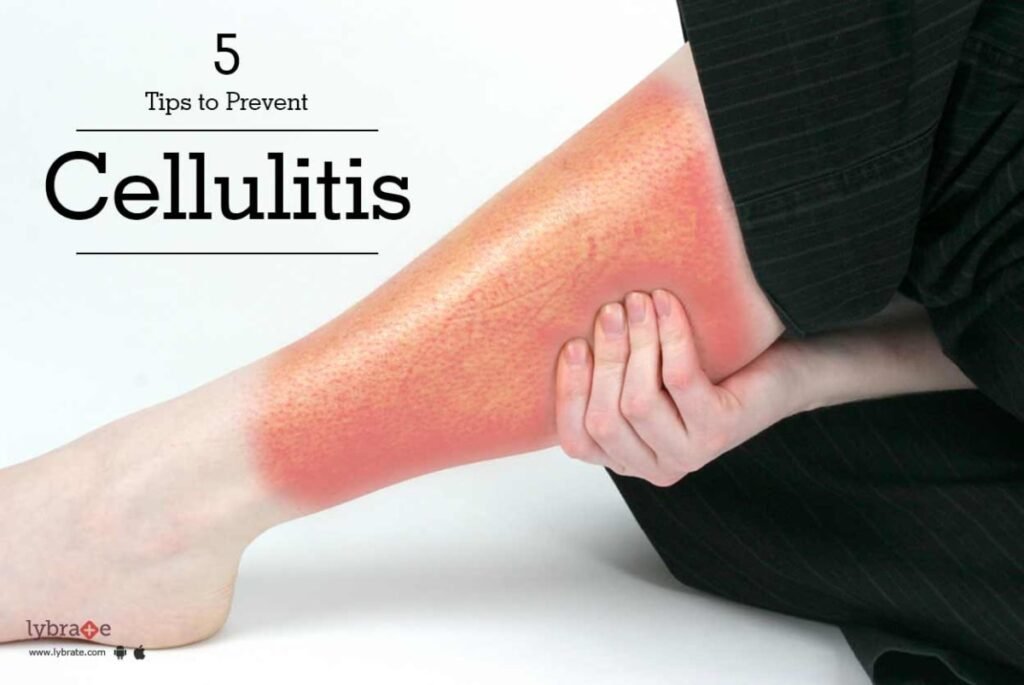
Symptoms of Cellulitis
One of the most common symptoms of cellulitis is the presence of redness and swelling in the affected area. This occurs due to the inflammation caused by the bacterial infection. You may also notice that the skin feels warm to the touch and is tender or painful. Additionally, individuals with cellulitis may experience a fever, which could indicate that the infection is spreading and impacting the body’s overall health. In some cases, blisters or abscesses may develop, further complicating the condition.
Causes and Risk Factors
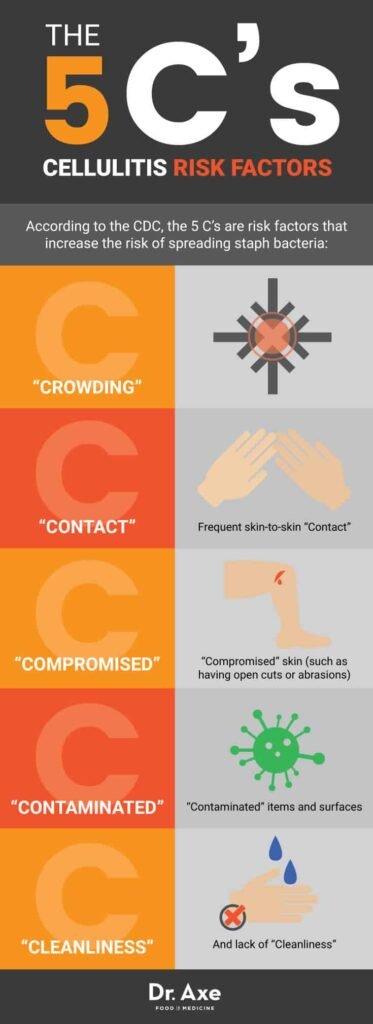
Cellulitis is typically caused by a bacterial infection, with the most common culprit being Streptococcus or Staphylococcus bacteria. These bacteria can enter the body through a variety of avenues, such as skin injuries and cuts. Poor wound care techniques can also increase the risk of developing cellulitis. Individuals with pre-existing skin conditions, such as eczema or psoriasis, are more prone to cellulitis. Moreover, those with weakened immune systems, whether due to an underlying condition or medication, are at a higher risk. Lastly, circulatory problems like lymphedema can also make individuals more susceptible to developing cellulitis.

Preventive Measures for Cellulitis
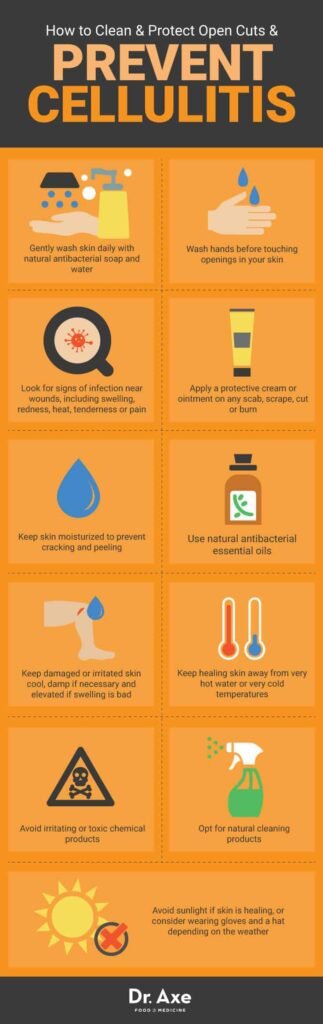
To minimize the risk of developing cellulitis, it is crucial to follow certain preventive measures. Keeping your skin clean and moisturized can help maintain its integrity and act as a barrier against bacteria. If you have existing skin conditions, such as eczema or psoriasis, it is important to take proper care of them, as they can weaken the skin’s defenses. When dealing with wounds or cuts, practicing proper wound care techniques, such as cleaning promptly and using appropriate dressings, can prevent bacterial entry. Protecting your skin from injuries, such as wearing gloves and appropriate footwear, is also essential. Finally, it is important to avoid sharing personal items, such as towels or razors, as this can increase the risk of bacterial transmission.
Maintaining Good Hygiene
Maintaining good hygiene is crucial in preventing various skin infections, including cellulitis. Regularly washing your hands with soap and water can help remove harmful bacteria from your skin. Additionally, keeping your nails trimmed can prevent accidental skin injuries that can lead to cellulitis. If you do sustain cuts or wounds, it is important to clean them promptly and properly to minimize the risk of infection. Furthermore, try to avoid picking at scabs or peeling skin, as this can create an entryway for bacteria.
Skin Care Tips for Prevention
Proper skincare can greatly contribute to the prevention of cellulitis. Using mild soaps and cleansers can help maintain the natural balance of your skin without causing irritation. Additionally, moisturizing your skin daily can improve its overall health and resilience. Make sure to protect your skin from excessive sun exposure by using sunscreen and wearing appropriate clothing. Lastly, it is important to avoid harsh chemicals or irritants that can strip away the skin’s natural protective layer.
Recognizing and Treating Skin Infections
In order to prevent the progression of cellulitis, it is important to be vigilant and recognize any changes in your skin. If you notice persistent redness, swelling, warmth, or tenderness that worsens over time, it is crucial to seek medical attention promptly. It is also important to keep an eye out for signs of infection, such as pus or drainage from wounds. If you do develop cellulitis, your healthcare provider will likely prescribe an antibiotic treatment to combat the bacterial infection. It is vital to follow the prescribed treatment regimen and complete the full course of antibiotics in order to effectively treat the infection.
Boosting Your Immune System
A strong immune system can play a significant role in preventing various infections, including cellulitis. To boost your immune system, focus on eating a balanced and nutritious diet that includes a variety of fruits, vegetables, whole grains, and lean proteins. Regular exercise can also improve your immune response, so aim to incorporate physical activity into your routine. Getting enough rest and sleep is crucial for your immune system to recharge and function optimally. Additionally, manage your stress levels as chronic stress can weaken your immune system. Lastly, staying hydrated by drinking an adequate amount of water throughout the day can help support your immune system as well.
Preventing Lymphedema
People who have lymphedema or other circulatory problems are more susceptible to developing cellulitis. Fortunately, there are preventive measures that can be taken to minimize the risk. Avoiding tight-fitting clothing or accessories can help promote proper circulation and reduce the risk of lymphatic congestion. Maintaining a healthy body weight is also important, as excess weight can place additional strain on the lymphatic system. Elevating and exercising affected limbs can help improve lymphatic flow. Lastly, protecting your skin from injuries, such as using padding when engaging in sports or activities that may result in trauma, can help prevent cellulitis in individuals with lymphedema.

When to Seek Medical Help
In most cases, cellulitis can be effectively treated with prompt medical intervention. However, certain signs and symptoms indicate the need for immediate medical attention. If you have persistent or worsening symptoms, such as increasing redness, swelling, tenderness, or pain, it is important to seek medical help. Signs of spreading infection, such as red streaks extending from the affected area, should also prompt a visit to your healthcare provider. If you have a fever or experience chills, this could indicate a systemic infection and requires medical evaluation. Additionally, the presence of pus or drainage from wounds is a concerning sign that warrants medical attention.
Conclusion
Cellulitis is a common bacterial infection that primarily affects the skin and underlying tissues. Recognizing the symptoms of cellulitis, understanding the causes and risk factors, and implementing preventive measures are essential for maintaining healthy skin. By practicing good hygiene, following skin care tips for prevention, and boosting your immune system, you can reduce the risk of developing cellulitis. Additionally, taking preventive measures to minimize the risk of lymphedema and knowing when to seek medical help can prevent complications associated with cellulitis. Stay proactive in your skin health and prioritize preventive measures to keep your skin free from infections like cellulitis.