Hey, you! Have you ever wondered how you can prevent cirrhosis and ensure a healthier liver? In this article, we’ll explore the various lifestyle changes and strategies that can help you steer clear of this liver disease. From cutting back on alcohol consumption to maintaining a balanced diet, we’ll provide you with practical tips and insights to keep your liver in great shape. So, let’s jump right in and discover how a few simple changes can make a big difference in preventing cirrhosis.
Understanding Cirrhosis
Definition of Cirrhosis
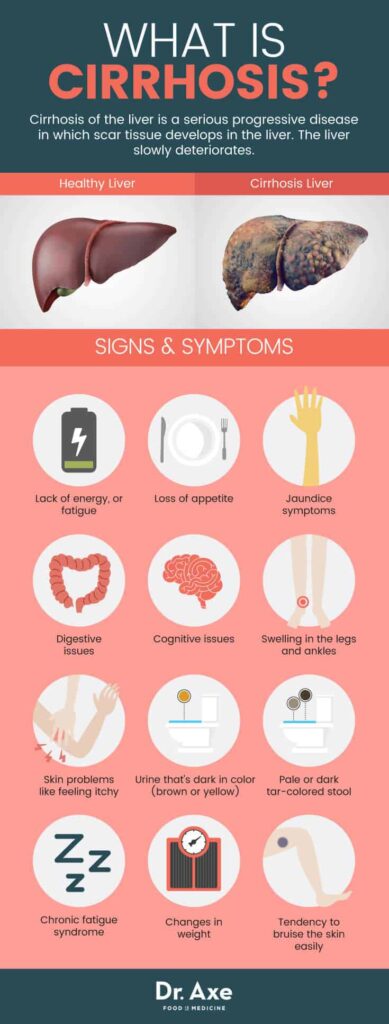
Cirrhosis is a chronic and progressive liver disease characterized by the formation of scar tissue in the liver. The liver plays a vital role in many bodily functions, including detoxification, metabolism, and synthesis of proteins. However, when the liver is damaged, as in the case of cirrhosis, its ability to function properly is impaired. The scar tissue replaces healthy liver cells, causing disruption in the blood flow and overall liver function.
Causes of Cirrhosis
Several factors can contribute to the development of cirrhosis. The most common cause of cirrhosis worldwide is chronic hepatitis, particularly hepatitis C virus (HCV) and hepatitis B virus (HBV) infections. Excessive alcohol consumption over a prolonged period can also lead to cirrhosis. Other causes include non-alcoholic fatty liver disease (NAFLD), autoimmune hepatitis, genetic disorders like Wilson’s disease, and certain drugs and toxins.
Stages of Cirrhosis
Cirrhosis is typically classified into four stages: compensated cirrhosis, decompensated cirrhosis, end-stage liver disease, and liver failure. During the compensated stage, the liver can still function adequately despite the presence of scar tissue. However, as the disease progresses, symptoms may become more noticeable, and complications may arise. Decompensated cirrhosis is characterized by the onset of liver-related complications such as ascites, hepatic encephalopathy, and variceal bleeding. End-stage liver disease and liver failure occur when the liver is no longer able to perform its essential functions, necessitating medical intervention, such as a liver transplant.
The Importance of Lifestyle Changes
Introduction to Lifestyle Changes
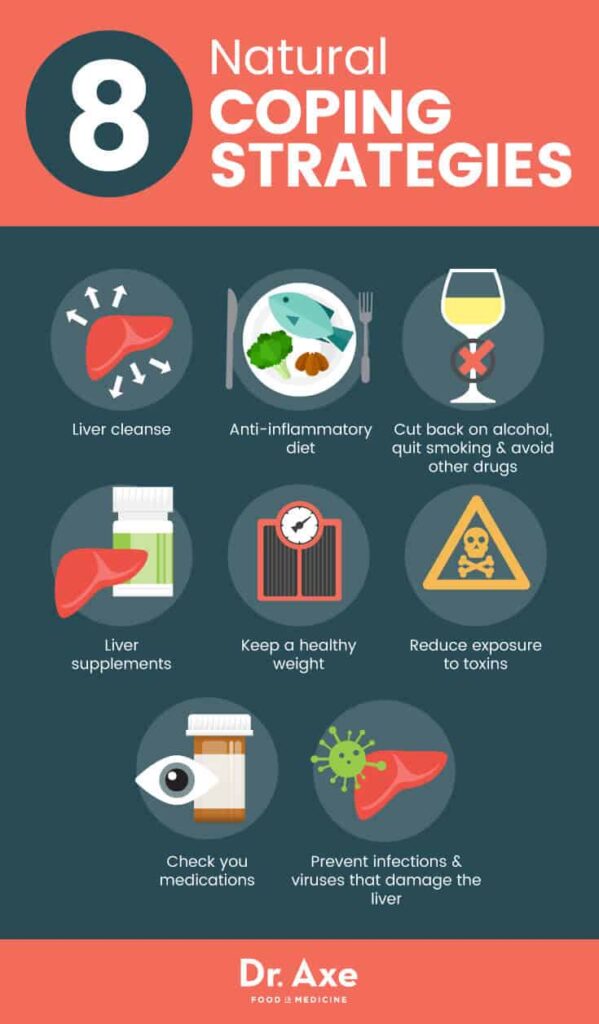
Making necessary lifestyle changes is crucial for individuals with cirrhosis to slow down the progression of the disease and improve their quality of life. Lifestyle modifications encompass various aspects, including dietary changes, alcohol consumption, weight management, avoiding hepatitis infections, reducing exposure to toxins, regular medical check-ups, managing underlying health conditions, and emotional support and stress management.
Benefits of Lifestyle Changes
Implementing lifestyle changes can have numerous benefits for individuals with cirrhosis. By adopting a healthy diet, reducing or eliminating alcohol consumption, maintaining a healthy weight, avoiding hepatitis infections, minimizing exposure to toxins, attending regular check-ups, managing coexisting health conditions effectively, and prioritizing emotional well-being, the progression of cirrhosis can be slowed, complications can be avoided, and overall liver health can be improved. Additionally, lifestyle changes contribute to overall health and well-being, leading to a better quality of life.
Dietary Changes
Importance of a Healthy Diet
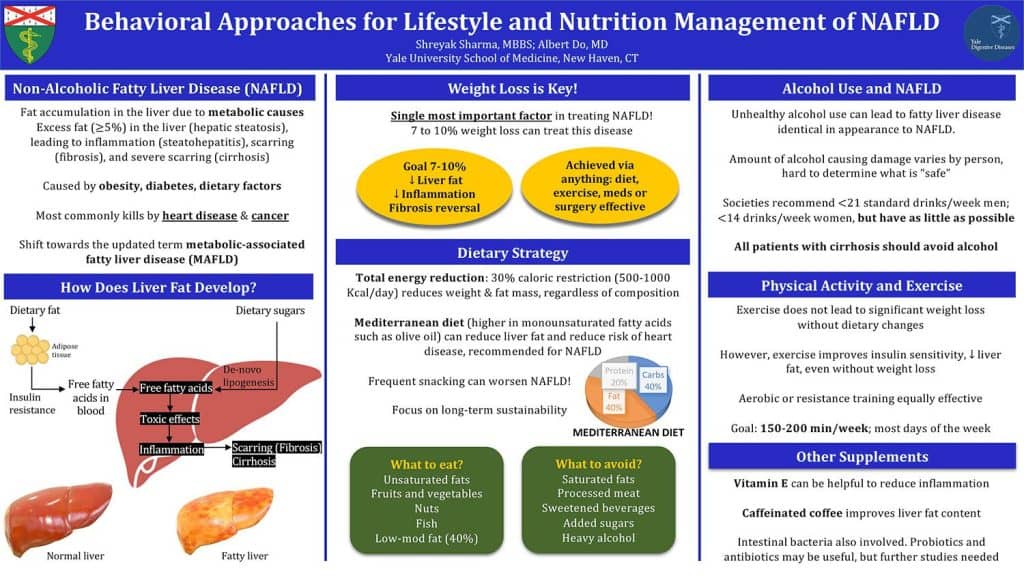
Maintaining a healthy diet is of utmost importance for individuals with cirrhosis. A nutritious diet helps support liver health, reduces inflammation, and provides vital nutrients necessary for the liver’s proper functioning. A healthy diet for cirrhosis typically includes foods that are low in sodium, limited in saturated fats and cholesterol, and abundant in fruits, vegetables, whole grains, and lean proteins. It is essential to consult a healthcare professional or a registered dietitian to create a personalized meal plan that suits individual needs and medical conditions.
Specific Dietary Recommendations
Incorporating specific dietary recommendations can greatly benefit individuals with cirrhosis. Limiting sodium intake is crucial to prevent fluid retention and swelling. Opting for low-sodium alternatives and avoiding processed and packaged foods can help achieve this. Consuming foods rich in antioxidants, such as berries, leafy greens, and nuts, aids in reducing oxidative stress and inflammation. Including high-quality proteins like fish, poultry, tofu, and legumes is essential for maintaining muscle mass. It is also important to monitor vitamin and mineral intake, as deficiencies can occur in individuals with cirrhosis. Supplementation may be recommended under the guidance of a healthcare professional.
Alcohol Consumption
Effects of Alcohol on the Liver
Alcohol consumption has a detrimental impact on liver health, especially in individuals with cirrhosis. Alcohol is toxic to liver cells and can further damage the liver, impede its regenerative capacity, and accelerate the progression of cirrhosis. Continuing to consume alcohol can lead to complications such as alcoholic hepatitis, alcoholic fatty liver disease, and even liver cancer. It is essential for individuals with cirrhosis to abstain completely from alcohol to preserve liver function and prevent further harm.
Guidelines for Moderate Alcohol Consumption
While complete abstinence is ideal, moderate alcohol consumption may be considered in certain cases. However, it is crucial to consult with a healthcare professional to determine individual suitability. In general, moderate alcohol consumption is defined as no more than one drink per day for women and no more than two drinks per day for men. It is important to note that these guidelines do not apply to individuals with cirrhosis or those at risk of developing cirrhosis due to underlying liver disease or other factors.
Strategies for Quitting Alcohol
Quitting alcohol can be challenging, but it is essential for individuals with cirrhosis. Seeking professional help and support from healthcare providers, support groups, family, and friends is vital during this process. Developing a strong support system, creating a plan, identifying triggers, and finding alternative activities can greatly assist in quitting alcohol. Medications and therapies may also be recommended by healthcare professionals to aid in alcohol cessation. Remember, quitting alcohol can significantly improve liver health and overall well-being.

Weight Management
Impact of Obesity on Liver Health
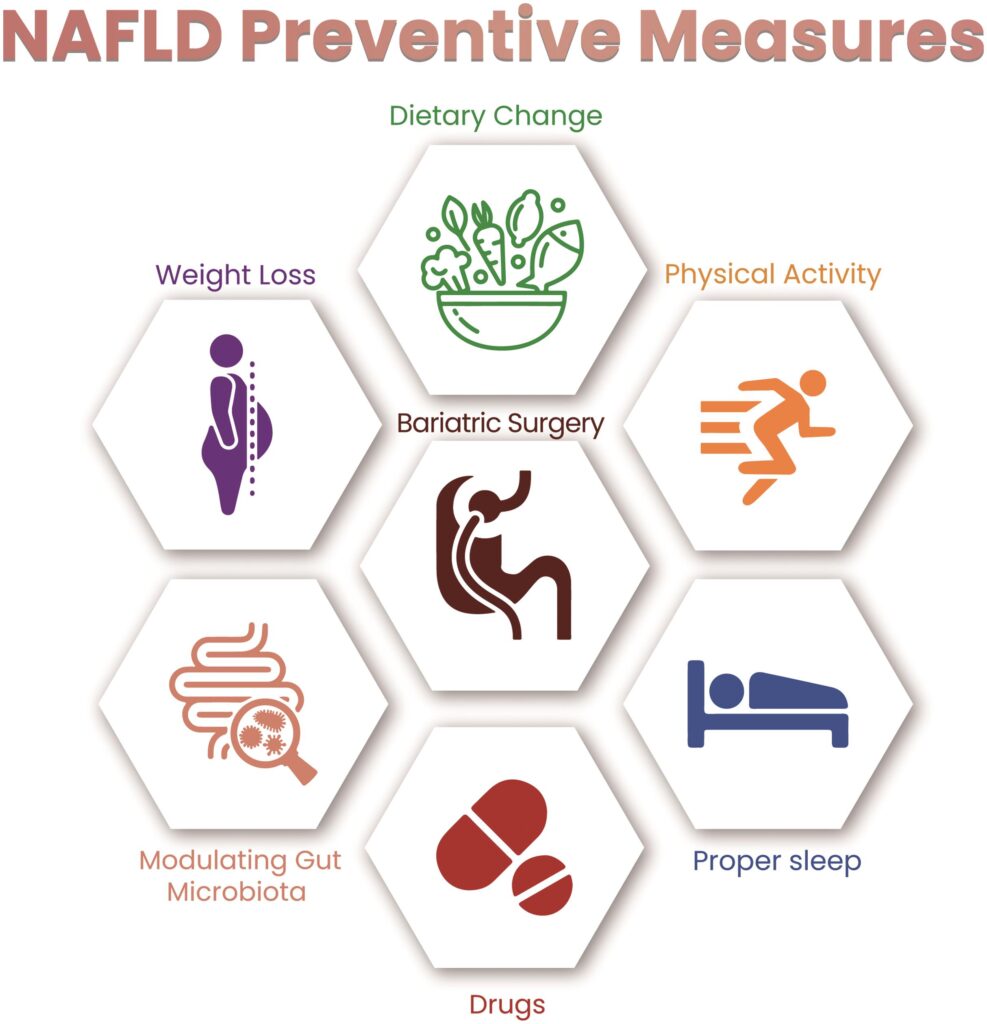
Obesity plays a significant role in the development and progression of liver diseases, including cirrhosis. Excess body weight and abdominal fat accumulation result in an increased risk of non-alcoholic fatty liver disease (NAFLD), which can progress to cirrhosis over time. Obesity-related liver diseases can lead to inflammation, fibrosis, and impaired liver function. Therefore, maintaining a healthy weight is essential in managing and preventing further liver damage.
Strategies for Weight Loss
Losing weight, particularly through a combination of healthy eating and regular physical activity, is beneficial for individuals with cirrhosis who are overweight or obese. It is important to focus on gradual and sustainable weight loss to minimize potential complications. A healthcare professional or registered dietitian can help create a personalized weight-loss plan, considering individual factors and medical conditions. Implementing portion control, reducing calorie intake, increasing consumption of nutritious foods, and engaging in regular physical activity are key strategies for successful weight loss.
Importance of Exercise
Regular physical activity is crucial for individuals with cirrhosis as it provides a multitude of benefits. Engaging in exercise helps maintain a healthy weight, improves liver function, reduces inflammation, promotes cardiovascular health, and enhances overall well-being. It is essential to consult with a healthcare professional before starting any exercise program, especially for individuals with advanced cirrhosis or coexisting health conditions. Finding enjoyable activities and gradually increasing intensity and duration is recommended. Remember, incorporating exercise into your daily routine can positively impact liver health and overall quality of life.
Avoiding Hepatitis Infections
Hepatitis A Prevention
Hepatitis A is a viral infection that can cause liver inflammation and contribute to the progression of cirrhosis. Practicing good hygiene, such as regular handwashing with soap and water, particularly before handling food, can help prevent the spread of hepatitis A. Additionally, receiving the hepatitis A vaccine is an effective preventive measure. It is recommended for individuals with cirrhosis to consult with their healthcare provider regarding vaccination and other preventive measures.
Hepatitis B Prevention
Hepatitis B is another viral infection that can lead to liver damage and cirrhosis. Vaccination against hepatitis B is the most effective preventive measure. The vaccine is recommended for individuals at risk of contracting or transmitting hepatitis B, including individuals with cirrhosis. It is crucial to consult with a healthcare professional to determine vaccination eligibility and receive appropriate medical advice.
Hepatitis C Prevention
Hepatitis C is a leading cause of cirrhosis globally. The primary mode of transmission is contact with infected blood. Therefore, preventing exposure to infected blood and practicing safe behaviors, such as avoiding sharing needles or other drug paraphernalia and engaging in unprotected sex, is essential for preventing hepatitis C infection. Individuals with cirrhosis who have not been previously infected with hepatitis C should undergo screening and, if necessary, receive appropriate treatment under the care of a healthcare professional.
Avoiding Exposure to Toxins
Identifying Environmental Toxins
Exposure to certain toxins in the environment can contribute to liver damage and worsen cirrhosis. It is important to be aware of potential toxin sources and take preventive measures. Common environmental toxins that can harm the liver include pesticides, solvents, heavy metals, and certain prescription and over-the-counter medications. Identifying potential sources of these toxins and making necessary changes can help protect liver health.
Protective Measures
To minimize exposure to toxins, it is advisable to follow precautionary measures. These include using protective equipment when handling chemicals, following safety guidelines and regulations for handling pesticides and solvents, and properly disposing of hazardous materials. Additionally, consulting with a healthcare professional or pharmacist regarding medications and their potential impact on liver health is important. Always inform healthcare providers about your liver condition and inquire about safe alternatives if necessary.
Regular Medical Check-ups
Importance of Regular Check-ups
Regular medical check-ups are vital for individuals with cirrhosis to monitor the progression of the disease and detect any complications early on. Routine check-ups allow healthcare professionals to assess liver function, conduct necessary tests, and make adjustments to treatment plans accordingly. Monitoring vital signs, such as blood pressure, heart rate, and body weight, during check-ups can also provide valuable information about the overall health of individuals with cirrhosis.
Screening for Liver Disease
Screening for liver disease is an essential component of regular medical check-ups for individuals with cirrhosis. Various tests, including blood tests, imaging studies, and liver biopsy, may be used to assess liver function, detect any abnormalities, and determine the extent of liver damage. Screening for liver cancer is also important, as individuals with cirrhosis are at an increased risk. Early detection through regular screenings can lead to timely interventions and potentially better outcomes.
Monitoring Progression of Cirrhosis
Regular medical check-ups allow healthcare professionals to monitor the progression of cirrhosis and prevent or manage complications effectively. Monitoring liver function tests, evaluating for signs of portal hypertension (e.g., varices), assessing for the presence of ascites or edema, and conducting imaging studies (e.g., ultrasound or MRI) are some of the methods employed to monitor the progression of cirrhosis. The information obtained from these check-ups guides healthcare professionals in providing appropriate treatment and interventions to optimize liver health.
Managing Underlying Health Conditions
Understanding Coexisting Health Conditions
Individuals with cirrhosis often have coexisting health conditions that require proper management. These conditions may include diabetes, high blood pressure, high cholesterol, and kidney disease, among others. It is important to address and manage these conditions effectively, as they can further impact liver function and overall health. Collaborating with healthcare professionals is crucial to develop comprehensive treatment plans that encompass all coexisting health conditions.
Treatment and Management
The treatment and management of underlying health conditions in individuals with cirrhosis may vary depending on the specific condition and individual circumstances. Healthcare professionals may prescribe medications, recommend lifestyle modifications, and suggest regular monitoring to effectively manage these health conditions. Adhering to the prescribed treatment plans, attending regular check-ups, and actively participating in self-care are vital components of managing underlying health conditions in individuals with cirrhosis.
Emotional Support and Stress Management
Impact of Emotional Well-being on Liver Health
Emotional well-being plays a significant role in overall liver health and the management of cirrhosis. Stress, anxiety, and other negative emotions can exacerbate the progression of liver disease. On the other hand, maintaining positive mental health and emotional well-being can have a positive impact on liver function and overall quality of life. It is important for individuals with cirrhosis to prioritize their emotional well-being and seek appropriate support when needed.
Stress Reduction Techniques
Adopting stress reduction techniques can greatly benefit individuals with cirrhosis. Engaging in activities such as yoga, meditation, deep breathing exercises, and mindfulness can help reduce stress levels and promote emotional well-being. Seeking support from friends, family, and support groups can also provide a valuable outlet for emotional release and understanding. Additionally, considering therapy or counseling sessions with a qualified mental health professional can be beneficial in managing stress and improving overall emotional well-being.
In conclusion, understanding cirrhosis and the importance of lifestyle changes is crucial for individuals with this liver disease. By implementing necessary modifications in diet, alcohol consumption, weight management, avoidance of hepatitis infections and toxins, regular medical check-ups, management of coexisting health conditions, and prioritizing emotional well-being, individuals with cirrhosis can slow down disease progression and improve their quality of life. It is important to collaborate with healthcare professionals, follow recommended guidelines, and seek support from various resources to achieve optimal liver health and overall well-being.