
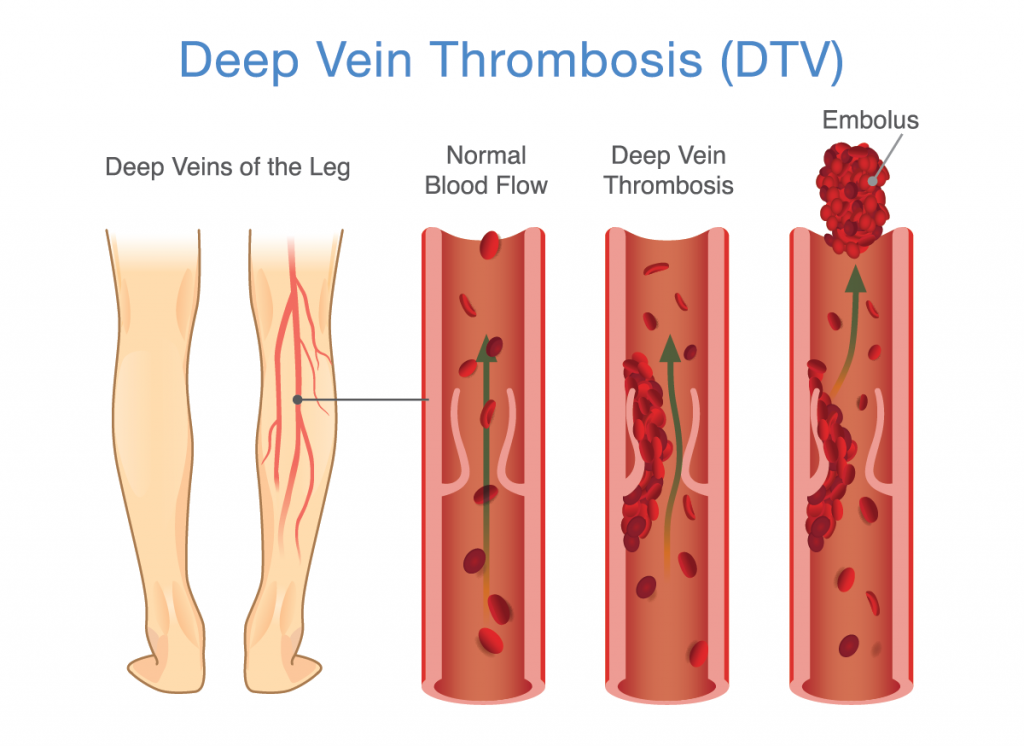
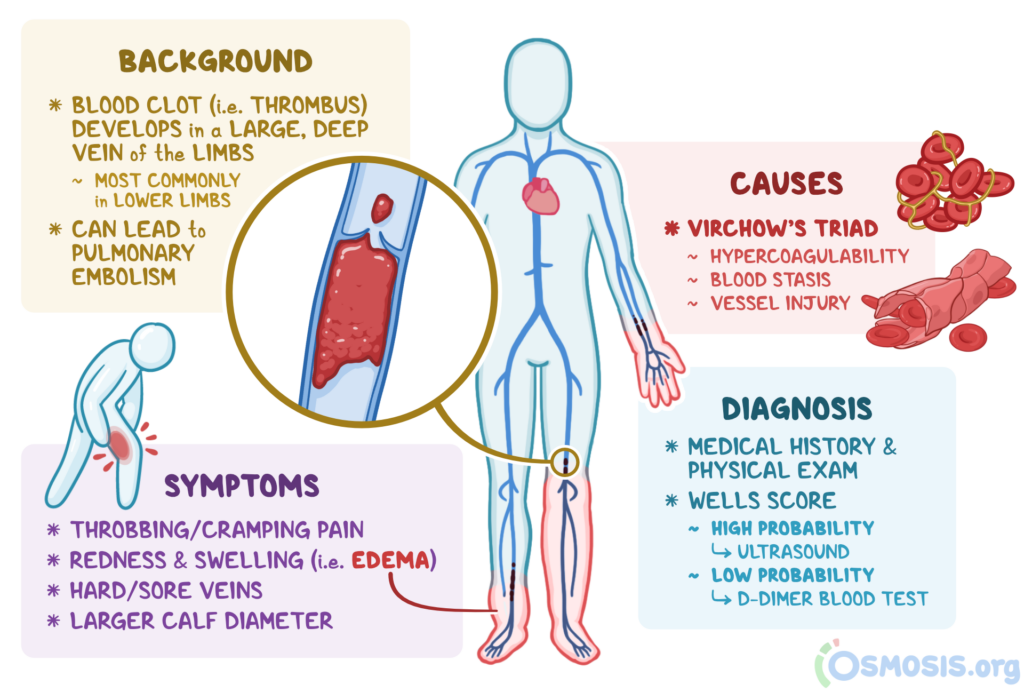
Preventing Deep Vein Thrombosis is a crucial aspect of maintaining your health and well-being. Deep Vein Thrombosis (DVT) is a condition characterized by the formation of blood clots in the deep veins, typically in the legs. These clots can be life-threatening if they break off and travel to vital organs. In this article, we will explore simple yet effective ways to prevent the occurrence of DVT and protect yourself from its potential complications. So, let’s delve into the world of DVT prevention together and empower ourselves with the knowledge and tools to keep our veins healthy and blood flowing smoothly.
Preventing Deep Vein Thrombosis
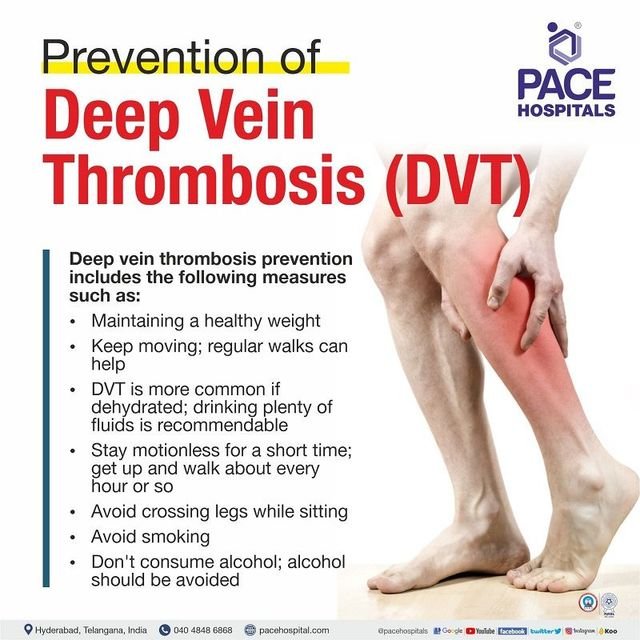
Deep Vein Thrombosis (DVT) is a serious condition that occurs when a blood clot forms in a deep vein, usually in the legs. It can be a life-threatening condition if the clot breaks loose and travels to the lungs, causing a potentially fatal condition called a pulmonary embolism. Fortunately, there are steps you can take to prevent DVT and protect your health. Maintaining a healthy lifestyle, regular physical activity, maintaining a healthy weight, avoiding prolonged immobility, proper hydration, avoiding smoking and alcohol, wearing compression stockings, elevating the legs, avoiding tight clothing, and avoiding constricting footwear are all effective strategies in reducing the risk of developing DVT.

Maintaining a Healthy Lifestyle
Adopting a healthy lifestyle is crucial in preventing a range of health conditions, including DVT. Eating a balanced diet that is rich in fruits, vegetables, whole grains, and lean protein can help to maintain optimal health and reduce the risk of blood clots. Additionally, limiting your intake of saturated fats and cholesterol can help to keep your blood vessels healthy and reduce the risk of clotting. Make sure to also stay hydrated by drinking plenty of water throughout the day.
Regular Physical Activity
Engaging in regular physical activity is not only beneficial for your overall health, but it can also significantly reduce the risk of DVT. Exercise helps to improve blood circulation in your body, which in turn prevents blood clots from forming. Aim for at least 30 minutes of moderate-intensity exercise, such as brisk walking, swimming, or cycling, on most days of the week. If you have a sedentary job, make an effort to take breaks and move around throughout the day. Simple activities like stretching, walking around the office, or climbing stairs can help to keep your blood flowing and prevent the development of blood clots.

Maintaining a Healthy Weight
Maintaining a healthy weight is essential for reducing the risk of numerous health conditions, including DVT. Being overweight or obese increases the strain on your circulatory system, making it harder for blood to flow freely. This stagnant blood flow can lead to clot formation. By adopting a healthy and balanced diet, as mentioned earlier, and incorporating regular exercise into your routine, you can achieve and maintain a healthy weight, thus reducing the risk of DVT.
Avoiding Prolonged Immobility
Prolonged immobility is a significant risk factor for DVT. Extended periods of sitting or lying down without movement can cause blood to pool in your veins, increasing the risk of clot formation. If you have a job that requires you to sit for long periods, make sure to take frequent breaks and stretch your legs. If you are on a long flight or car journey, try to get up and move around every hour or so. When watching television or reading, make an effort to change positions or walk around during commercial breaks. By incorporating movement into your daily routine, you can help to prevent DVT.
Proper Hydration
Staying properly hydrated is essential for overall health and can also play a role in preventing DVT. Good hydration helps to maintain healthy blood flow and ensures that your blood does not become too thick or viscous, which can increase the risk of clotting. Aim to drink at least eight glasses of water per day and avoid excessive consumption of caffeinated beverages or sugary drinks. Remember to also pay attention to your fluid intake when traveling, as planes and heated environments can cause dehydration.
Avoiding Smoking and Alcohol
Smoking and excessive alcohol consumption pose significant risks to your cardiovascular health and can increase the likelihood of developing blood clots. Smoking damages your blood vessels and makes your blood more prone to clotting. Alcohol, on the other hand, can interfere with the normal function of your blood clotting cells, leading to an increased risk of clot formation. By quitting smoking and moderating alcohol intake, you can significantly reduce your risk of DVT and other cardiovascular complications.
Wearing Compression Stockings
Compression stockings are specifically designed to improve blood circulation in the legs and reduce the risk of DVT. These stockings apply gentle pressure to your legs, helping to keep the blood flowing freely and preventing clot formation. Compression stockings are especially beneficial for individuals who have a sedentary lifestyle, travel frequently, or have a family history of DVT. Consult with your healthcare provider to determine the appropriate compression level and style of stockings that best suits your needs.
Elevating the Legs
Elevating your legs is another effective way to prevent DVT. By raising your legs above the level of your heart, you can help to improve blood flow and reduce the risk of blood clots in the lower extremities. Make it a habit to elevate your legs for 15-30 minutes several times a day, especially after long periods of sitting or standing. You can do this by propping your legs up with pillows or using a footrest. This simple practice can have a significant impact on reducing the risk of DVT.
Avoiding Tight Clothing
Wearing tight clothing, particularly around your waist, thighs, or calves, can restrict blood flow and increase the risk of blood clots. Avoid wearing clothes that are excessively tight or constrictive, especially for extended periods. Opt for looser-fitting garments that allow your blood to circulate freely. This simple adjustment to your wardrobe can help to maintain healthy blood flow and reduce the risk of DVT.
Avoiding Constricting Footwear
In addition to avoiding tight clothing, it is equally important to avoid constricting footwear. Shoes or boots that excessively squeeze your feet or legs can impede blood circulation and increase the risk of DVT. Opt for comfortable shoes that fit well and provide adequate support. Avoid high heels or shoes with narrow toe boxes, as they can restrict blood flow. By prioritizing footwear that promotes proper circulation, you can minimize the risk of DVT and maintain overall foot and leg health.
In conclusion, preventing Deep Vein Thrombosis requires taking proactive measures to maintain a healthy lifestyle, engage in regular physical activity, maintain a healthy weight, avoid prolonged immobility, stay properly hydrated, avoid smoking and excessive alcohol consumption, wear compression stockings, elevate the legs, avoid tight clothing, and choose appropriate footwear. By implementing these strategies into your daily life, you can significantly reduce the risk of DVT and protect your overall health and well-being. Remember, awareness and prevention are key when it comes to Deep Vein Thrombosis. Stay proactive and prioritize your health!