
Genital warts can be an uncomfortable and embarrassing condition to deal with, but the good news is that there are tips and strategies you can follow to prevent them. In this article, we will explore effective ways to minimize the risk of developing genital warts and provide you with practical advice on maintaining good sexual health. So, whether you are looking to protect yourself or support someone who may be at risk, read on to discover valuable information and guidance on preventing genital warts.

Understanding Genital Warts
What are Genital Warts?
Genital warts are a common sexually transmitted infection (STI) caused by the human papillomavirus (HPV). They are small, flesh-colored bumps that appear on or around the genitals, anus, or throat. Genital warts can vary in size and shape, and they may appear as a cluster or individually. While they are usually painless, they can cause discomfort, itching, or burning. It is important to note that not all individuals infected with HPV will develop visible warts, as the virus can lie dormant in the body.
Causes of Genital Warts
Genital warts are caused by certain strains of the human papillomavirus (HPV), which is primarily transmitted through sexual contact, including vaginal, anal, or oral sex. It is worth mentioning that HPV can be spread even when an infected individual does not have visible warts. Certain factors, such as a weakened immune system or having multiple sexual partners, can increase the risk of developing genital warts. It is crucial to understand that anyone who is sexually active is susceptible to HPV and genital warts.
Transmission of Genital Warts
The transmission of genital warts occurs through direct contact with an infected individual’s skin or mucous membranes. This can happen during sexual activities that involve penetration or even through skin-to-skin contact. It is important to note that condoms may not fully protect against the transmission of genital warts, as they can sometimes be located outside the covered area. Genital warts can also be transmitted from a mother to her baby during childbirth, although this is relatively rare. It is vital to take precautionary measures to minimize the risk of both contracting and transmitting genital warts.
Preventing Genital Warts through Vaccination
Overview of HPV Vaccine
Vaccination is an effective way to prevent genital warts caused by certain strains of HPV, particularly those most commonly associated with warts. The HPV vaccine is typically administered through a series of injections and is available for both males and females. It works by stimulating the immune system to produce antibodies against the virus. It is important to note that the HPV vaccine does not protect against all types of HPV, and it is not a treatment for existing HPV infections or genital warts. However, it can significantly reduce the risk of transmission and the development of genital warts.
Recommended Vaccination Schedule
The HPV vaccine is typically recommended for individuals between the ages of 9 and 45. The Centers for Disease Control and Prevention (CDC) recommends routine vaccination starting at the age of 11 or 12. For those who did not receive the vaccine at a younger age, catch-up vaccination is still encouraged up to age 26 for females and age 21 for males. It is important to consult with a healthcare professional to determine the best vaccination schedule for you or your child. Remember, it is never too late to consider vaccination as a preventive measure against genital warts.
Effectiveness and Side Effects of HPV Vaccine
The HPV vaccine is highly effective in preventing infection from the HPV strains covered by the vaccine. Research has shown that vaccinated individuals have a significantly lower risk of acquiring genital warts caused by these particular strains. In addition, the vaccine has been shown to reduce the incidence of cervical cancer, which is also associated with HPV infection. As with any vaccine, there may be some side effects, such as pain at the injection site or mild flu-like symptoms. Serious side effects are rare. It is important to discuss any concerns or questions about the HPV vaccine with a healthcare professional.
Using Barrier Methods
Condoms as a Prevention Method
Using condoms consistently and correctly during sexual intercourse can help reduce the risk of contracting genital warts. Condoms provide a barrier that helps prevent direct skin-to-skin contact, reducing the likelihood of transmission. It is essential to use latex or polyurethane condoms, as they have been proven to be effective in preventing genital warts and other STIs. However, it is important to note that condoms may not provide full protection, as genital warts can be present on areas not covered by the condom. Combining condom use with other preventive measures can further enhance protection.
Female Condoms
Female condoms, also known as internal condoms, are an alternative barrier method that can provide protection against genital warts. They are inserted into the vagina or anus prior to sexual activity and act as a physical barrier to prevent the transmission of HPV and other STIs. Female condoms are made of polyurethane and are an option for individuals who may have allergies or sensitivities to latex. Like male condoms, female condoms may not cover all areas where genital warts can be present, so it is advisable to use them in combination with other preventive measures.
Dental Dams
Dental dams are thin latex or polyurethane sheets that act as a barrier during oral sex. They can be placed over the genitals or anus to reduce the risk of transmitting or acquiring genital warts or other STIs. Dental dams are a simple and effective preventive measure that can provide a physical barrier between the mouth and the genital area. It is important to use dental dams properly, ensuring they cover the intended area and are handled with clean hands. Regularly checking the integrity of the dental dam and using a new one if it is torn or compromised is also crucial for effectiveness.
Practicing Safe Sex
Getting Regular Check-ups
Regular check-ups with a healthcare professional are essential for maintaining sexual health and preventing genital warts. These check-ups can include routine screenings for STIs, including HPV testing, which can detect the presence of the virus even in the absence of visible warts. A healthcare professional can also provide guidance on vaccination, safer sex practices, and answer any questions or concerns about genital warts or other STIs. Additionally, they can perform routine exams to ensure early detection and prompt treatment if genital warts or other abnormal changes are detected.
Being Honest about Sexual History
Open and honest communication about sexual history with sexual partners can help prevent the transmission of genital warts and other STIs. Sharing information about previous infections, including HPV, is crucial for making informed decisions about sexual activity and taking appropriate preventive measures. It is important to create a safe and non-judgmental space for discussion, ensuring that all parties involved feel comfortable sharing their sexual health experiences. By being transparent about sexual history, individuals can better protect themselves and their partners against genital warts and other STIs.
Limiting Sexual Partners
Reducing the number of sexual partners can significantly lower the risk of acquiring genital warts. The more sexual partners an individual has, the greater the chance of coming into contact with someone who carries HPV. By consciously choosing to have fewer sexual partners, individuals can decrease their potential exposure and reduce the risk of transmission. However, always remember to prioritize open communication and consent in any sexual relationship, regardless of the number of partners involved.
Maintaining Good Hygiene
Importance of Good Hygiene
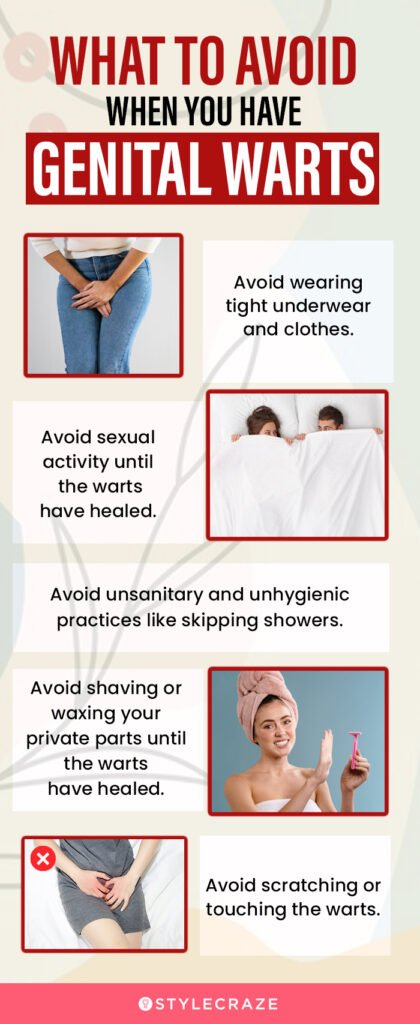
Maintaining good hygiene is crucial for overall sexual health and can help prevent the transmission of genital warts. Regular bathing or showering, especially after sexual activity, can help remove any potential infectious agents from the genital area. Good hygiene practices can also contribute to overall well-being and reduce the risk of other infections or skin conditions in the genital region. It is important to note that while good hygiene is important, it cannot guarantee complete protection against genital warts. Therefore, it should be combined with other preventive measures for optimal effectiveness.
Cleaning Genital Area Properly
Cleaning the genital area properly can help reduce the risk of genital warts and other STIs. Using mild soap and warm water, gently cleanse the external genitalia, including the pubic region, vulva, penis, and anus. It is important to avoid using harsh or fragranced products, as they can irritate the skin and disrupt the natural balance. After cleansing, ensure proper drying of the genital area to minimize moisture, which can create an environment suitable for the proliferation of pathogens. It is advisable to follow personal hygiene practices recommended by healthcare professionals for optimal results.
Avoiding Sharing Personal Items
Avoiding the sharing of personal items, such as towels, razors, or clothing, can help prevent the transmission of genital warts. HPV can survive for a short time outside the body, and sharing such items can potentially transfer the virus from an infected person to an uninfected person. It is important to maintain personal hygiene by using separate items for personal use and avoiding the use of common-use items in communal settings. By practicing this simple preventive measure, individuals can further minimize the risk of genital warts and HPV transmission.
Educating Yourself and Your Partner
Learning about Genital Warts and HPV
Educating yourself and your partner about genital warts and HPV is vital for prevention and overall sexual health. Understanding the causes, symptoms, and preventive measures can empower individuals to make informed decisions about their sexual activity. Reliable sources, such as healthcare professionals, reputable websites, or educational materials, can provide accurate and up-to-date information about genital warts and HPV. By staying informed, individuals can navigate sexual relationships with knowledge and confidence, ensuring the well-being of both themselves and their partners.
Communication about Sexual Health
Open and honest communication about sexual health is essential in preventing the transmission of genital warts and building a healthy sexual relationship. Discussing your sexual health, including previous infections or exposure to HPV, can help establish trust and foster mutual understanding with your partner. It is important to create a supportive environment that encourages open dialogue, addressing any concerns or questions about genital warts and other STIs. By openly communicating, individuals can make joint decisions about safer sex practices, including vaccination and other preventive measures.
Establishing Trust and Mutual Understanding
Building trust and mutual understanding with your partner is crucial in preventing the transmission of genital warts. It is essential to establish a foundation of open and honest communication, ensuring that both partners feel comfortable discussing their sexual health and any potential risk factors. Being understanding, supportive, and non-judgmental can create a safe space for conversations about sexually transmitted infections. By nurturing a trusting relationship, individuals and their partners can work together to prioritize sexual health and make informed choices to prevent the transmission of genital warts.
Recognizing Symptoms and Seeking Treatment
Signs and Symptoms of Genital Warts
Recognizing the signs and symptoms of genital warts is important for early detection and timely treatment. Genital warts can appear as small, raised, or flat bumps that may be flesh-colored or slightly darker. They can occur on the genitals, anus, or throat, and may occur in clusters or individually. While genital warts are usually painless, they can cause discomfort, itching, or burning. It is important to consult with a healthcare professional if any unusual bumps or changes are noticed in the genital area or if there are concerns about potential genital warts.
Importance of Early Diagnosis
Early diagnosis of genital warts is essential for prompt treatment and preventing further transmission. Seeking medical attention at the first sign of genital warts or any suspicious symptoms can help prevent complications and reduce the risk of spreading the infection. A healthcare professional can provide a proper diagnosis based on physical examination and may recommend additional tests, such as HPV testing. Early diagnosis also allows for timely treatment options to help manage symptoms, prevent the spread of warts, and reduce the risk of further health complications.
Treatment Options
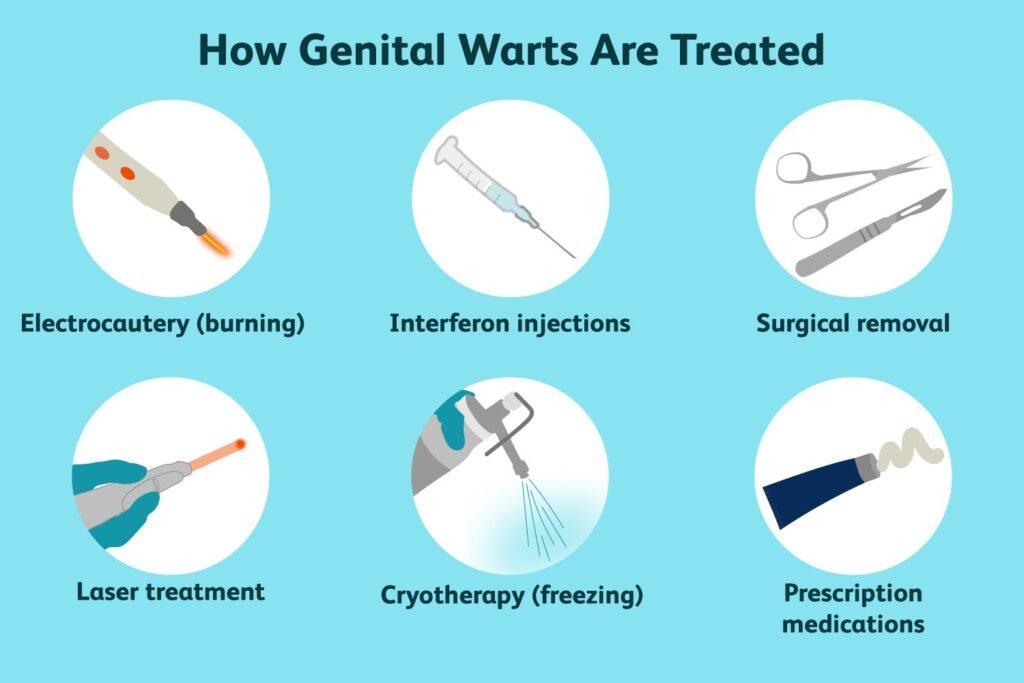
There are several treatment options available for genital warts, and the choice of treatment depends on various factors such as the location and size of the warts, overall health, and personal preference. Treatment options may include topical medications, cryotherapy (freezing the warts), laser therapy, or surgical removal. It is important to consult with a healthcare professional to determine the most suitable treatment plan. Additionally, it is crucial to remember that while treatment can remove visible warts, it does not eliminate the underlying HPV infection. Regular check-ups and follow-up visits are important for monitoring and further managing the infection.
Preventing Transmission in Relationships
Discussing Genital Warts with Partners
It is important to have open and honest discussions about genital warts with sexual partners to prevent the transmission of the virus. Sharing any relevant information about previous or current infections can help partners make informed decisions about sexual activities and take appropriate preventive measures. Building a foundation of trust and understanding can create a supportive environment that encourages transparency and reduces the stigma associated with genital warts. Honesty and open communication contribute to a healthy sexual relationship while minimizing the risk of transmitting genital warts.
Using Protection during Sexual Activity
Using protection during sexual activity, such as condoms or dental dams, can significantly reduce the risk of transmitting genital warts. Condoms, when used consistently and correctly, create a barrier that helps prevent skin-to-skin contact, reducing the likelihood of transmission. Dental dams can provide a similar barrier during oral sex. By using appropriate protection methods, individuals can enjoy sexual activities while minimizing the risk of contracting or spreading genital warts and other STIs. It is important to remember that protection methods should be used consistently and in conjunction with other preventive measures.
Supporting Each Other through Treatment
If one partner has been diagnosed with genital warts, it is crucial to provide support and understanding throughout the treatment process. Encouraging adherence to the recommended treatment plan and attending regular check-ups together can help manage the infection effectively. Supporting each other physically and emotionally during this time can strengthen the relationship and foster a sense of mutual care and trust. It is important to remember that with proper treatment and preventive measures, genital warts can be managed, and the risk of transmission can be minimized.

HPV Testing and Monitoring
Importance of HPV Testing
HPV testing is an essential part of maintaining sexual health and preventing the transmission of genital warts. HPV testing can detect the presence of the virus even in the absence of visible warts, allowing for early detection and timely intervention. Regular HPV testing is particularly important for individuals with multiple sexual partners or other risk factors that increase the likelihood of HPV exposure. By undergoing HPV testing, individuals can proactively monitor their HPV status, take preventive measures, and seek appropriate treatment if necessary.
Frequency of Testing
The frequency of HPV testing depends on various factors, including age, sexual activity, and individual risk factors. Healthcare professionals can provide guidance on when and how often to undergo HPV testing based on individual circumstances. It is generally recommended that individuals who are sexually active and at higher risk of HPV exposure consider regular HPV testing. Routine screenings, along with regular check-ups, can help ensure early detection, timely treatment, and minimize the risk of transmission.
Monitoring for Recurrence or Persistence
Individuals diagnosed with genital warts should be monitored for recurrence or persistence of the infection. Regular check-ups and follow-up visits with a healthcare professional are important to assess the effectiveness of treatment, manage any complications, and detect any new or recurrent warts. Timely intervention and close monitoring can help prevent further transmission and ensure optimal management of the infection. Healthcare professionals can provide guidance on monitoring schedules and provide the necessary support throughout the process.
Support and Resources
Finding Support Groups
Support groups can provide valuable resources and emotional support for individuals affected by genital warts. These groups offer a safe space to connect with others who understand the challenges and concerns associated with the infection. Support groups can provide a platform for sharing experiences, discussing coping strategies, and accessing information and resources related to genital warts and HPV. Healthcare professionals, online forums, or local community organizations can provide information on available support groups in your area.
Accessing Educational Materials
Education is a crucial component in preventing and managing genital warts. Reliable educational materials can provide accurate and up-to-date information about the virus, prevention strategies, treatment options, and support resources. Reputable websites, healthcare professionals, and public health organizations can offer educational materials, brochures, or pamphlets that can be accessed online or in person. By accessing reliable information, individuals can make informed decisions about their sexual health, reduce stigma, and promote overall well-being.
Utilizing Healthcare Professionals
Healthcare professionals play a crucial role in preventing, diagnosing, and managing genital warts. They can offer guidance on preventive measures, vaccination, and screening options. Regular check-ups and follow-up visits with healthcare professionals are important for monitoring the infection, managing symptoms, and seeking appropriate treatment when necessary. Healthcare professionals provide a wealth of knowledge and expertise to support individuals in making informed decisions about sexual health and well-being. It is important to establish a trusting relationship with a healthcare professional to receive personalized care and guidance.
