
In the battle against giardiasis, knowledge is your most powerful weapon. This article explores the effective measures and strategies that can help prevent the transmission of giardiasis, a common and highly contagious parasitic infection. By understanding the causes, symptoms, and risk factors associated with giardiasis, as well as implementing proper hygiene practices and water treatment methods, you can significantly reduce the chances of contracting this infection. Whether you’re an avid traveler, outdoor enthusiast, or simply want to protect yourself and your loved ones, this article provides valuable insights on how to stay giardiasis-free. So, let’s embark on this journey together and equip ourselves with the necessary information to safeguard our health.
Understanding Giardiasis
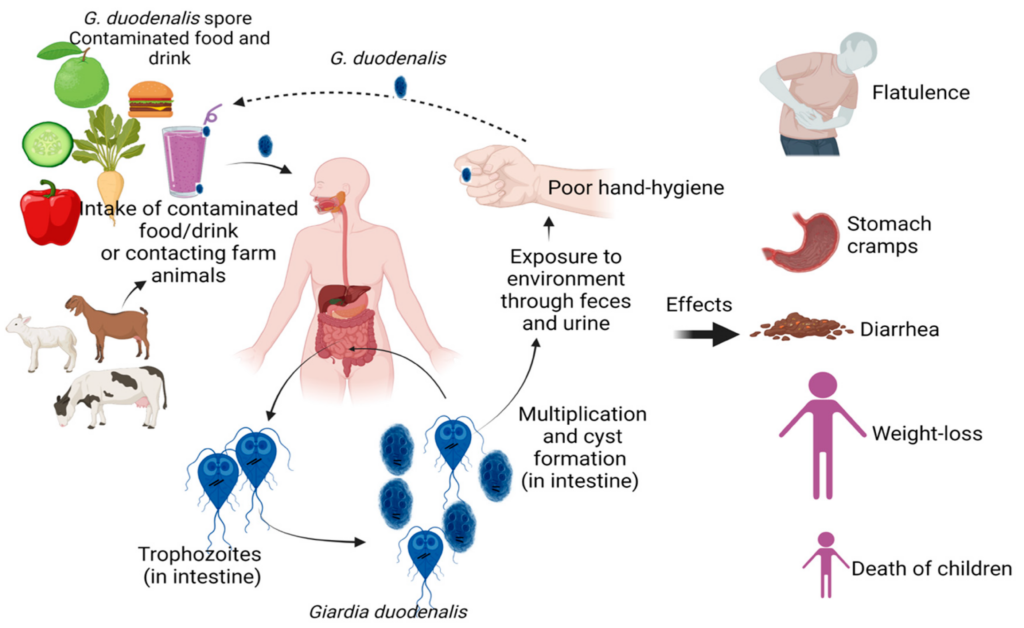
Giardiasis is an intestinal infection caused by the Giardia parasite, specifically the Giardia duodenalis. This microscopic parasite can cause mild to severe diarrhea, abdominal cramps, fatigue, and nausea. It is important to understand the causes and transmission of giardiasis in order to effectively prevent its spread.
Definition and causes of giardiasis
Giardiasis is an intestinal infection that occurs when a person ingests the Giardia parasite. The parasite can attach itself to the lining of the small intestine and cause symptoms that range from mild to severe. The most common cause of giardiasis is the ingestion of contaminated water or food that has been infected with the Giardia parasite.
Transmission of the giardia parasite
The giardia parasite is easily transmitted from person to person, as well as through the consumption of contaminated water or food. The parasite can survive outside the body for long periods of time, making it important to take preventive measures to avoid transmission. Direct contact with feces or surfaces contaminated with feces can also lead to the transmission of giardiasis.
Common symptoms of giardiasis
The symptoms of giardiasis can vary from person to person, but the most common ones include diarrhea, abdominal cramps, bloating, flatulence, fatigue, and nausea. Some individuals may also experience weight loss and dehydration as a result of the infection. If you or someone you know is experiencing these symptoms, it is important to seek medical attention for proper diagnosis and treatment.
Preventive Measures at Home
Taking preventive measures at home is crucial in reducing the risk of giardiasis transmission within your household. By maintaining proper hygiene, filtering and disinfecting water sources, and ensuring safe food preparation and storage, you can significantly lower the chances of contracting giardiasis.
Maintaining proper hygiene
Practicing good personal hygiene is essential in preventing the spread of giardiasis. Make sure to wash your hands thoroughly with soap and water before and after using the restroom, before preparing or eating food, and after handling pets or their waste. Encourage your family members to do the same, especially young children who may be more prone to touching contaminated surfaces.
Filtering and disinfecting water sources
Since the consumption of contaminated water is a common cause of giardiasis, it is important to take measures to ensure the cleanliness of your water sources. Consider using a water filter that is capable of removing the Giardia parasite, or alternatively, bring water to a rolling boil for at least one minute before using it for drinking, cooking, or brushing your teeth.
Ensuring safe food preparation and storage
Proper food safety practices are crucial in preventing giardia transmission through contaminated food. Always wash fruits and vegetables thoroughly before eating or cooking them, and ensure that meat, seafood, and poultry are cooked thoroughly to kill any potential parasites. Additionally, store perishable foods in the refrigerator at or below 40°F (4°C) to inhibit the growth of any potential parasites.
Preventive Measures in Community Settings
Apart from taking preventive measures at home, it is important for community settings such as daycare centers, schools, and public spaces to implement effective measures to prevent the spread of giardiasis. By improving sanitation facilities, conducting regular testing and treatment, and raising public awareness, the risk of transmission can be significantly reduced in these settings.
Improved sanitation facilities
Ensuring that community settings have access to clean and functional sanitation facilities is vital in preventing the spread of giardiasis. Adequate toilet facilities, proper waste disposal systems, and routine cleaning and maintenance can all contribute to reducing the risk of transmission.
Regular testing and treatment in daycare centers and schools
Daycare centers and schools are environments where individuals, particularly young children, are in close contact with one another. Implementing regular testing and treatment programs can help identify and treat giardiasis cases early, preventing further transmission within these settings. It is important for parents and educators to be vigilant and promptly report any suspected cases of giardiasis.
Public awareness campaigns and education
Raising awareness about giardiasis and promoting proper preventive measures in the community is essential. Public awareness campaigns can help educate individuals about the transmission and prevention of giardiasis, as well as encourage the adoption of good hygiene practices. This can be done through various channels, such as distributing informational pamphlets, holding community workshops, and utilizing social media platforms.
Preventive Measures during Outdoor Activities
Engaging in outdoor activities such as camping and hiking can expose individuals to potential sources of giardia contamination. By choosing safe water sources, utilizing effective water treatment methods, and practicing good hygiene, the risk of giardiasis can be minimized during outdoor adventures.
Choosing safe water sources for camping and hiking
When camping or hiking, it is important to choose safe water sources to minimize the risk of giardia contamination. Always opt for treated water from reliable sources, such as bottled water or water that has been properly filtered or disinfected. Avoid drinking directly from streams or lakes, as they may be contaminated with the giardia parasite.
Effective water treatment methods
If safe water sources are not readily available during outdoor activities, it is important to have effective water treatment methods at hand. Boiling water for at least one minute can kill the giardia parasite, as can using water filters or water purification tablets that are specifically designed to remove parasites. Be sure to follow the instructions provided with the water treatment method you choose.
Proper hygiene practices in outdoor settings
Maintaining good hygiene practices in outdoor settings is crucial to prevent the spread of giardiasis. Always wash your hands thoroughly with soap and water before handling food or eating, and after using the restroom. If water is not available, use hand sanitizers that contain at least 60% alcohol to clean your hands. Additionally, try to avoid touching your face to minimize the risk of ingesting the giardia parasite.
Preventive Measures for Travelers
Travelers, especially those visiting regions where giardiasis is prevalent, should take extra precautions to prevent the spread of the infection. Thoroughly researching the destination, drinking safe water, practicing good hygiene, and avoiding high-risk foods can all contribute to a safe and enjoyable trip.
Thoroughly researching the destination
Before traveling to a specific destination, it is important to research the prevalence of giardiasis in that region. This will help you understand the local conditions and take appropriate preventive measures. Consider consulting with healthcare professionals or travel advisory websites for up-to-date information on giardiasis risks and prevention strategies.
Drinking safe water and avoiding ice cubes
In areas where the quality of water may be questionable, it is crucial to drink safe water to avoid giardiasis. Stick to bottled water or water that has been properly treated and disinfected. It is also important to avoid using ice cubes made from untreated or questionable water sources, as they can contain the giardia parasite.
Practicing good hygiene and avoiding high-risk foods
Maintaining good hygiene practices while traveling is essential in preventing the transmission of giardiasis. Wash your hands thoroughly with soap and water before eating or preparing food, and after using the restroom. Additionally, be cautious when it comes to street food and raw or undercooked foods, as they may pose a higher risk of giardia contamination.
Preventive Measures in Animal-Related Environments
Animals, particularly pets, can also be carriers of the giardia parasite. Taking preventive measures in animal-related environments, such as maintaining cleanliness, preventing human-animal transmission, and scheduling routine veterinary check-ups, is important to ensure the health and well-being of both humans and animals.
Maintaining cleanliness in pet areas
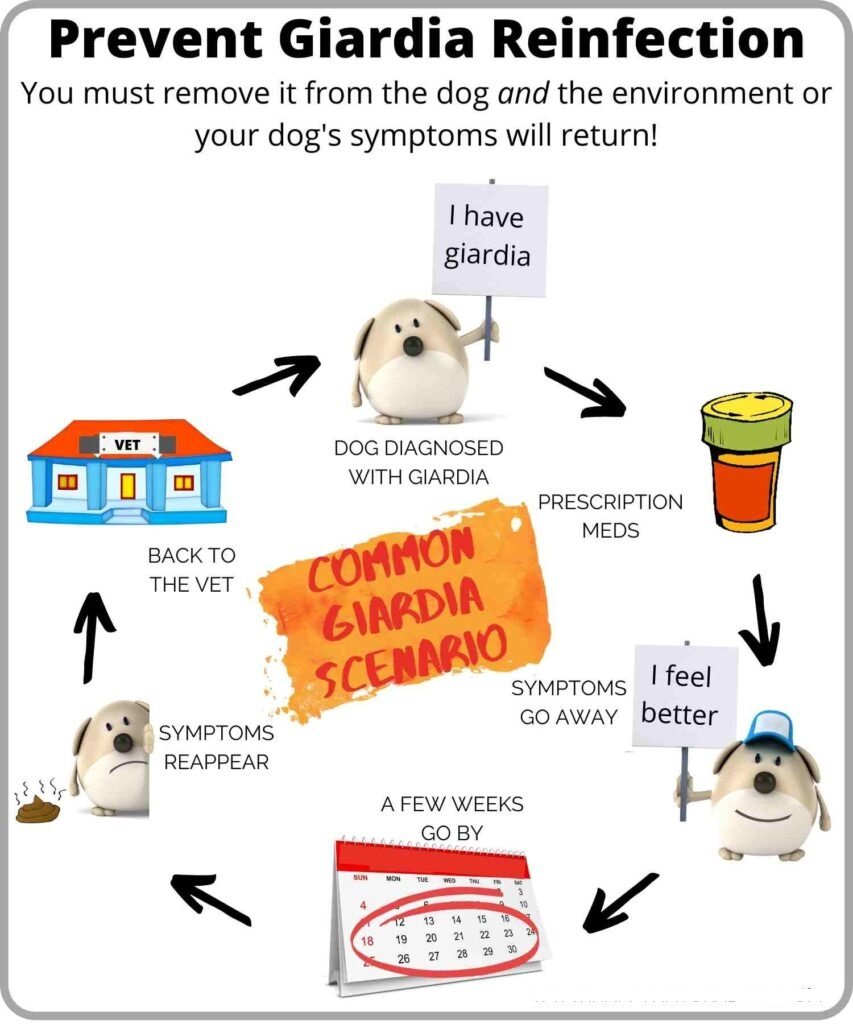
Regularly cleaning and disinfecting pet areas, including litter boxes, cages, and food bowls, is crucial in preventing the spread of giardiasis. Dispose of feces properly and avoid cross-contamination between pets. Additionally, ensure that pets’ living spaces are kept clean and dry to minimize the risk of environmental contamination.
Preventing human-animal transmission
To prevent the transmission of giardiasis between humans and animals, it is important to practice good hygiene when interacting with pets. Wash your hands thoroughly with soap and water after handling pets or their waste, and avoid close contact with animals when you are experiencing symptoms of giardiasis. This will help protect both yourself and your furry companions.
Routine veterinary check-ups and parasite control
Regular visits to the veterinarian for check-ups and parasite control are essential in maintaining the health of your pets. Veterinarians can perform tests to detect the presence of the giardia parasite and provide appropriate treatment if necessary. Following the recommended parasite control protocols will not only help protect your pets from giardiasis but also minimize the risk of transmission to humans.
Preventive Measures for High-Risk Individuals
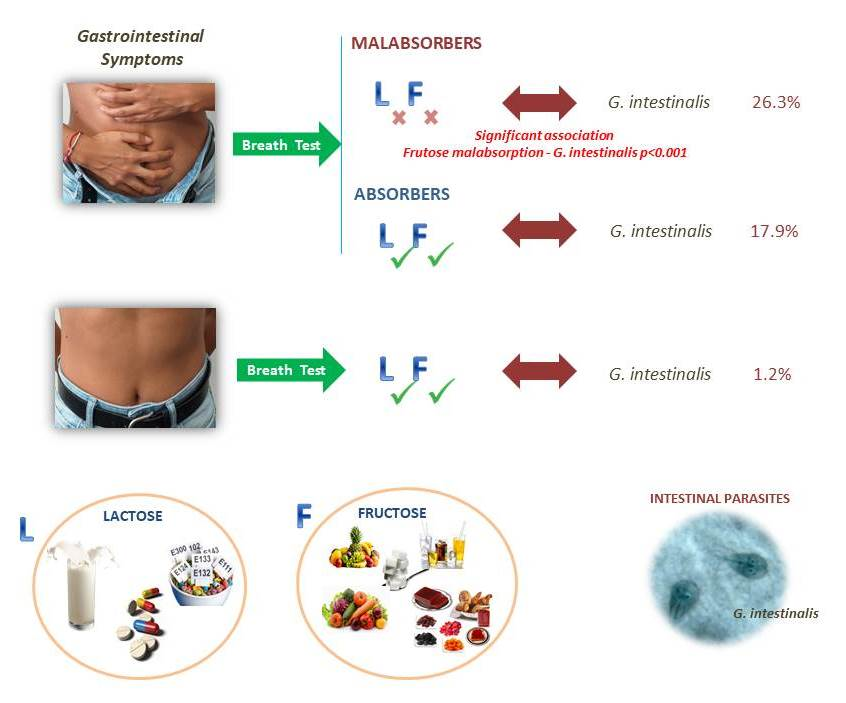
Certain groups of individuals, such as young children, immunocompromised individuals, and pregnant women, are at a higher risk of developing severe complications from giardiasis. Taking preventive measures specific to these high-risk groups can greatly reduce the chances of infection and related complications.
Children and giardiasis prevention
Children are particularly susceptible to contracting giardiasis due to their developing immune systems and behaviors that expose them to potential sources of infection. It is important to teach children proper handwashing techniques, discourage behaviors like thumb-sucking or nail-biting, and ensure proper hygiene practices in daycare centers and schools.
Prevention in immunocompromised individuals
Immunocompromised individuals, such as those with HIV/AIDS or undergoing chemotherapy, have weakened immune systems and are more vulnerable to infections like giardiasis. They should take extra precautions, such as avoiding high-risk environments and practicing strict hygiene measures. It is important for healthcare providers to closely monitor these individuals and recommend appropriate preventive strategies.
Preventive measures for pregnant women
Pregnant women should also take preventive measures to protect themselves and their unborn babies from giardiasis. This includes maintaining good personal hygiene, practicing safe food handling and preparation, and avoiding high-risk environments. It is advisable for pregnant women to consult with their healthcare providers for specific recommendations and guidance.
The Role of Institutions and Health Agencies
Institutions and health agencies play a crucial role in preventing giardiasis on a larger scale. By implementing effective water and sanitation policies, monitoring and surveillance of giardiasis cases, and developing prevention guidelines and protocols, these organizations can contribute to reducing the overall burden of giardiasis.
Implementing effective water and sanitation policies
Government agencies and institutions should prioritize the implementation of effective water and sanitation policies to ensure safe drinking water and proper waste management. This includes regular testing of water sources, upgrading water treatment infrastructure when necessary, and promoting the use of appropriate sanitation facilities.
Monitoring and surveillance of giardiasis cases
Monitoring and surveillance of giardiasis cases is essential in understanding the prevalence and distribution of the infection. Health agencies should establish systems to accurately track and report giardiasis cases, which will enable timely interventions and the identification of high-risk areas. This data can also help in evaluating the effectiveness of preventive measures.
Development of prevention guidelines and protocols
Health agencies should develop comprehensive prevention guidelines and protocols for giardiasis. These guidelines should address various aspects, such as water and food safety, hygiene practices, and preventive measures in different settings. Institutions can then adopt and implement these guidelines to ensure the consistent application of preventive measures.
The Importance of Personal Hygiene
Personal hygiene plays a fundamental role in preventing the spread of giardiasis and other infectious diseases. By practicing regular handwashing with soap and water, using hand sanitizers in the absence of water, and properly disposing of feces and waste, individuals can significantly reduce the risk of giardia transmission.
Regular handwashing with soap and water
One of the most effective preventive measures against giardiasis is regular handwashing with soap and water. This should be done before and after using the restroom, before preparing or eating food, after handling pets or their waste, and after any activities that may involve exposure to potential sources of contamination. Proper handwashing involves lathering with soap for at least 20 seconds, ensuring thorough coverage of all surfaces of the hands, and rinsing under running water.
Use of hand sanitizers in the absence of water
In situations where access to water and soap is limited, the use of hand sanitizers that contain at least 60% alcohol can serve as an effective alternative. Hand sanitizers should be applied to the palms and rubbed thoroughly over all surfaces of the hands until dry. However, it is important to note that hand sanitizers are not a substitute for proper handwashing with soap and water, and should only be used when necessary.
Proper disposal of feces and waste
Proper disposal of feces and waste is crucial in preventing the spread of giardiasis. Avoiding open defecation and ensuring that toilets are available and well-maintained are important preventive measures. It is also important to dispose of diapers, pet waste, and other forms of waste in sealed bags and designated waste containers. This helps to prevent environmental contamination and potential transmission of giardia.
Addressing Giardiasis in Water Systems
Given that contaminated water is a major cause of giardiasis, addressing the presence of the giardia parasite in water systems is imperative. By implementing effective water treatment methods for giardia removal, maintaining and upgrading water infrastructure, and following routine testing and quality control protocols, the risk of giardia contamination in water systems can be minimized.
Water treatment methods for giardia removal
Water treatment methods that effectively remove the giardia parasite are essential in ensuring the safety of drinking water. Filtration systems, such as those incorporating activated carbon or reverse osmosis, can effectively remove giardia cysts. Additionally, disinfection methods such as chlorination or ultraviolet (UV) radiation can be used to kill the giardia parasite in water.
Maintaining and upgrading water infrastructure
Regular maintenance and upgrading of water infrastructure are critical in preventing giardia contamination. Properly sealed storage tanks, well-maintained distribution systems, and regular inspection of treatment facilities can help reduce the risk of contamination. Investing in infrastructure upgrades and implementing rigorous maintenance protocols can go a long way in ensuring safe drinking water for communities.
Routine testing and quality control protocols
Implementing routine testing and quality control protocols is essential in addressing giardia contamination in water systems. Regular testing of water sources, both at the production and distribution stages, can help identify potential contamination and ensure that appropriate treatment measures are taken. Stringent quality control protocols should be in place to monitor water treatment processes and identify any deviations that could compromise water safety.
In conclusion, preventing giardiasis requires a multi-faceted approach that involves individuals, communities, institutions, and health agencies. By understanding the causes, transmission, and symptoms of giardiasis, and implementing comprehensive preventive measures at home, in community settings, during outdoor activities, for travelers, in animal-related environments, for high-risk individuals, and in water systems, the risk of giardiasis can be significantly reduced. Personal hygiene practices, such as regular handwashing with soap and water, also play a crucial role in preventing the spread of giardia. It is important for individuals to be proactive and aware of the necessary measures to protect themselves and those around them from giardiasis.
