
Are you tired of dealing with painful gout attacks? It’s time to take control of your health and make some lifestyle changes. In this article, we will explore the strategies and steps you can take to prevent gout attacks from disrupting your life. From dietary adjustments to exercise routines, we will provide you with practical tips and insights to keep gout at bay. Say goodbye to the agony of gout attacks and say hello to a healthier, more comfortable life.

Dietary Changes
Avoid Purine-rich Foods
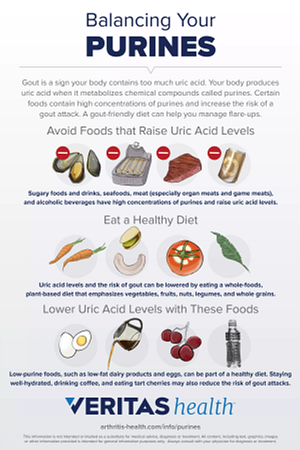
When it comes to preventing gout attacks, one of the most important dietary changes you can make is to avoid foods that are high in purines. Purines are compounds that can be found in certain foods and are broken down into uric acid in the body. By reducing your intake of purine-rich foods, you can lower the production of uric acid, which is the main culprit behind gout attacks. Some common purine-rich foods to avoid include organ meats, seafood (such as anchovies, sardines, and mussels), and foods high in fructose (such as sugary drinks and sweets).
Limit Alcohol Consumption
Alcohol, especially beer, has been linked to an increased risk of gout attacks. When you consume alcohol, it not only increases the production of uric acid in your body but also impairs your kidneys’ ability to excrete it. This leads to higher levels of uric acid in your blood, which can trigger gout attacks. Therefore, it is essential to limit your alcohol consumption or even consider avoiding it altogether, especially if you are prone to gout attacks.
Stay Hydrated
Drinking plenty of water is crucial for overall health and can also help prevent gout attacks. Staying properly hydrated helps to dilute the concentration of uric acid in your blood and promotes its excretion through urine. Aim to drink at least 8 cups (64 ounces) of water per day, and if you live in a hot climate or engage in physical activity, you may need even more. Remember, hydration is key in maintaining optimal health and preventing gout attacks.
Incorporate Anti-inflammatory Foods
Incorporating anti-inflammatory foods into your diet can help prevent gout attacks by reducing inflammation in the body. Foods that are rich in antioxidants, such as fruits and vegetables, help protect your body from inflammation and promote overall health. Additionally, consuming foods like berries, cherries, turmeric, and ginger, which have natural anti-inflammatory properties, can further support your efforts to manage gout. Including these foods in your diet can not only help lower the frequency and severity of gout attacks but also provide numerous other health benefits.
Maintain a Healthy Weight
Maintaining a healthy weight is crucial for preventing gout attacks. Excess body weight can contribute to higher levels of uric acid in the blood, increasing the risk of gout. Losing weight, if necessary, can help reduce the frequency and severity of gout attacks and improve overall health. Remember to adopt a balanced and sustainable approach to weight loss, focusing on healthy eating habits and regular physical activity.
Exercise and Physical Activity
Engage in Regular Exercise
Regular exercise plays a vital role not only in overall health but also in preventing gout attacks. Engaging in physical activity helps maintain a healthy weight, improve circulation, and support the excretion of uric acid through sweat and urine. Aim for at least 150 minutes of moderate-intensity exercise per week, such as brisk walking, cycling, or swimming. If you are new to exercise, start gradually and gradually increase the duration and intensity.
Consider Low-Impact Activities
Although any form of exercise is beneficial, low-impact activities may be more suitable for individuals with gout. Low-impact exercises, such as yoga, tai chi, and water aerobics, are gentle on the joints and minimize the risk of joint injury. These activities can provide cardiovascular benefits, improve flexibility, and help manage stress, all of which are important factors in preventing gout attacks. Consult with a healthcare professional to determine which low-impact exercises are best for you.
Maintain a Healthy Weight
As mentioned earlier, maintaining a healthy weight is essential for preventing gout attacks. Excess weight puts added stress on your joints, increases inflammation in the body, and contributes to higher levels of uric acid. By adopting a balanced diet, engaging in regular exercise, and maintaining a healthy weight, you can significantly reduce the risk of gout attacks. Remember, even small changes in your lifestyle can make a significant difference when it comes to managing gout.

Medication and Treatment
Consult a Healthcare Professional
If you have been diagnosed with gout or are experiencing frequent gout attacks, it is crucial to consult a healthcare professional. They can provide expert guidance, evaluate your specific situation, and recommend appropriate treatment options. A healthcare professional can help determine if medication is necessary and provide guidance on lifestyle changes to manage gout effectively.
Take Prescribed Medications
In some cases, medication may be necessary to manage gout and prevent future attacks. There are various medications available, such as nonsteroidal anti-inflammatory drugs (NSAIDs), corticosteroids, and colchicine, which can help reduce inflammation and alleviate pain during gout attacks. Additionally, your healthcare professional may prescribe medications to lower uric acid levels, such as xanthine oxidase inhibitors or uricosuric agents. It is important to take prescribed medications as directed and discuss any concerns or side effects with your healthcare professional.
Explore Natural Remedies
In addition to prescribed medications, there are also natural remedies that can potentially help manage gout. However, it is important to note that natural remedies should be discussed with a healthcare professional to ensure safety and effectiveness. Some natural remedies that may be worth exploring include tart cherry juice, bromelain (an enzyme found in pineapple), and ginger. These remedies have shown promise in reducing inflammation and managing gout, but further research is needed to confirm their effectiveness.
Manage Stress
Practice Stress-Relief Techniques
Stress can worsen gout symptoms and trigger attacks, so it is important to manage stress effectively. Engaging in stress-relief techniques, such as deep breathing exercises, meditation, mindfulness, or yoga, can help reduce stress levels and promote relaxation. Find a technique that works best for you and incorporate it into your daily routine to help manage stress and prevent gout attacks.
Get Adequate Sleep
Adequate sleep is essential for overall health and plays a significant role in managing gout. Lack of sleep can increase stress levels, worsen inflammation, and affect your immune system, all of which can contribute to gout attacks. Aim for 7-9 hours of quality sleep each night and establish a relaxing bedtime routine to optimize your sleep patterns. As an additional tip, avoid eating large meals or consuming caffeine close to bedtime, as they can disrupt sleep.
Engage in Relaxation Activities
Engaging in activities that promote relaxation and reduce stress can be beneficial in managing gout. This can include hobbies, such as reading, listening to music, gardening, or engaging in creative arts. Find activities that bring you joy and help distract your mind from stressors. Remember, taking time for yourself and engaging in relaxation activities is not selfish but rather an essential part of maintaining a healthy lifestyle.
Maintain a Healthy Lifestyle
Limit Sugar and Processed Foods
A healthy diet is fundamental in managing gout, and this includes limiting your intake of sugar and processed foods. Foods high in sugar, such as soda, sweets, and pastries, can increase inflammation in the body and worsen gout symptoms. Processed foods, on the other hand, often contain additives and preservatives that can trigger gout attacks. Focus on consuming whole foods, such as fruits, vegetables, lean proteins, and whole grains, to support gout management and overall health.
Quit Smoking
Smoking has been linked to an increased risk of gout and can worsen symptoms in individuals already diagnosed with the condition. Smoking not only promotes inflammation in the body but also affects blood circulation, making it more difficult for the body to eliminate uric acid. Quitting smoking has numerous benefits for overall health and can significantly reduce the frequency and severity of gout attacks. If you need assistance with smoking cessation, consult with a healthcare professional or enroll in a smoking cessation program.
Avoid Crash Diets
Crash diets, which involve severe calorie restriction and rapid weight loss, can actually trigger gout attacks. These diets disrupt the balance of uric acid in the body and increase the risk of flare-ups. Instead of following crash diets, opt for a balanced and sustainable approach to weight loss that includes healthy eating habits and regular physical activity. This will not only help manage gout but also promote long-term health and well-being.
Limit Caffeine Intake
While moderate caffeine intake is generally considered safe for most individuals, excessive caffeine consumption may contribute to gout attacks in some people. Caffeine can increase uric acid levels in the blood and dehydrate the body, both of which can trigger gout attacks. If you are prone to gout attacks, it may be beneficial to limit your caffeine intake by moderating your consumption of coffee, tea, and energy drinks.
Stay Informed
Educate Yourself About Gout
Knowledge is power when it comes to managing gout effectively. Take the time to educate yourself about gout, its causes, triggers, and treatment options. Understand the importance of a healthy lifestyle and how it can help prevent gout attacks. By being well-informed, you can make informed decisions about your diet, lifestyle, and treatment options, and work towards minimizing the impact of gout on your life.
Keep Track of Triggers and Symptoms
Keep a journal to track your gout triggers and symptoms. This can help you identify patterns and make necessary adjustments to your lifestyle. Pay attention to factors such as specific foods, alcohol, stress, or medications that may trigger gout attacks. Additionally, note the severity and duration of each attack to better understand your condition and discuss your findings with your healthcare professional.
Join Support Groups
Living with gout can sometimes feel isolating, but you are not alone. Consider joining support groups or online communities where you can connect with others who are going through similar experiences. Sharing your journey, exchanging tips, and receiving support from others who understand can be incredibly valuable in managing gout effectively. Remember, sharing your story and learning from others can empower you to take control of your health.

Stay Hydrated
Drink Plenty of Water
Staying hydrated is essential for overall health and plays a significant role in preventing gout attacks. Water helps flush out toxins, including uric acid, from your body. Aim to drink at least 8 cups (64 ounces) of water per day, and increase your intake if you live in a hot climate, engage in physical activity, or consume alcohol. Keep a water bottle handy and sip throughout the day to ensure you are adequately hydrated.
Limit Sugary Drinks
While it is important to drink plenty of water, it is equally important to limit your intake of sugary drinks. Beverages high in sugar, such as soda, fruit juices, and sports drinks, can increase inflammation in the body and trigger gout attacks. Opt for water, herbal tea, or lightly flavored water instead. If you crave a sweet beverage, consider infusing water with fresh fruits or herbs to add flavor without the added sugar.
Avoid Injury
Protect Joints from Injury
Injury to your joints can trigger gout attacks, so it is important to take measures to protect them. Avoid activities that put excessive strain on your joints, such as high-impact sports or heavy lifting. If you participate in activities that involve repetitive motion or joint stress, take regular breaks and use proper form and protective gear. Additionally, always listen to your body and avoid pushing through pain. If you experience joint pain or swelling, seek medical attention to prevent further injury.
Use Assistive Devices if Needed
If you have gout or are prone to gout attacks, using assistive devices can help minimize joint stress and reduce the risk of injury. Consider using devices such as canes, crutches, or joint supports to provide additional stability and support. These devices can help alleviate pressure on the affected joints and reduce the likelihood of gout attacks. Consult with a healthcare professional to determine if using assistive devices would be beneficial for you.

Limit Alcohol Consumption
Moderate or Avoid Alcohol
As mentioned earlier, alcohol consumption can increase the risk of gout attacks. If you choose to drink alcohol, it is important to do so in moderation. Limit your alcohol consumption to no more than one drink per day for women and two drinks per day for men. It is also crucial to avoid binge drinking as it can significantly increase the risk of gout attacks. Remember, maintaining a healthy balance and being mindful of your alcohol intake is key to managing gout effectively.
Avoid High-purine Alcoholic Beverages
Certain alcoholic beverages are higher in purines than others and can contribute to gout attacks. Beer, in particular, has been associated with an increased risk of gout due to its high purine content. Other alcoholic beverages, such as distilled spirits and wine, have a lower purine content and may be better options if you choose to consume alcohol. However, it is important to note that moderation is still key and it is advisable to consult with a healthcare professional regarding your alcohol choices.
Conclusion
In summary, preventing gout attacks requires comprehensive lifestyle changes and strategies. By adopting dietary changes such as avoiding purine-rich foods, limiting alcohol consumption, and staying hydrated, you can help reduce the risk of gout attacks. Engaging in regular exercise, considering low-impact activities, and maintaining a healthy weight are also essential in managing gout effectively. It is crucial to consult a healthcare professional for appropriate medication and treatment options and explore natural remedies under their guidance. Managing stress, maintaining a healthy lifestyle, staying informed, and avoiding injury are additional key factors in preventing gout attacks. By making consistent lifestyle changes, staying educated, and seeking support, you can take control of your gout and minimize its impact on your life. Remember, you have the power to make positive changes and prioritize your health.