Recovering from Knee Replacement Surgery can be a challenging journey, but with the right approach and support, you can regain your mobility and return to an active lifestyle. In this article, you will find invaluable tips and strategies to help you navigate the recovery process successfully. From managing pain and swelling to following a personalized rehabilitation plan, we’ll guide you every step of the way on your road to recovery after Knee Replacement Surgery.

Preparing for Knee Replacement Surgery
Consulting with a Doctor
Before undergoing knee replacement surgery, it is crucial to consult with a doctor who specializes in orthopedic surgery. This initial consultation will provide an opportunity to discuss your medical history, current symptoms, and any concerns you may have. The doctor will perform a thorough examination of your knee, possibly order additional tests such as X-rays, and determine if knee replacement surgery is the right course of action for you.
Understanding the Procedure
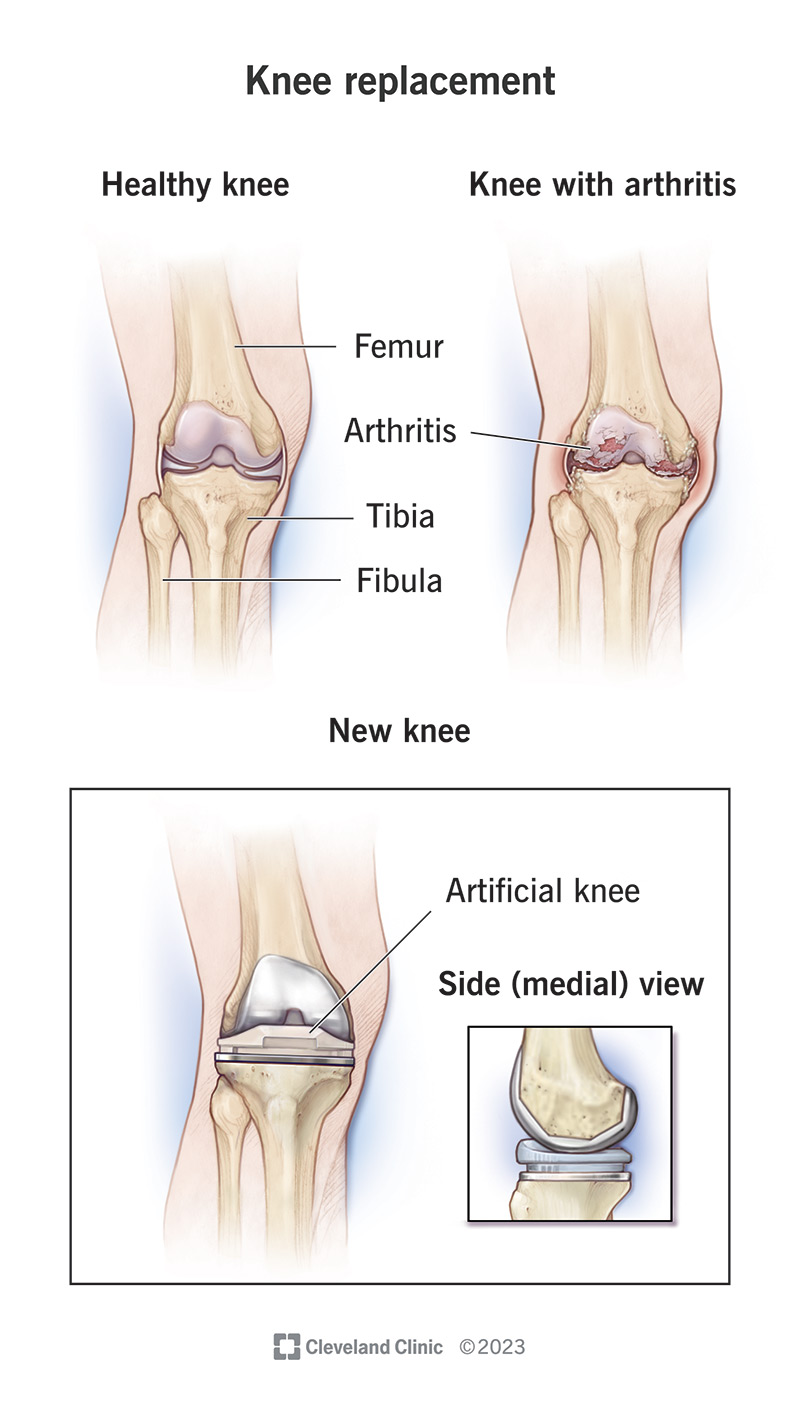
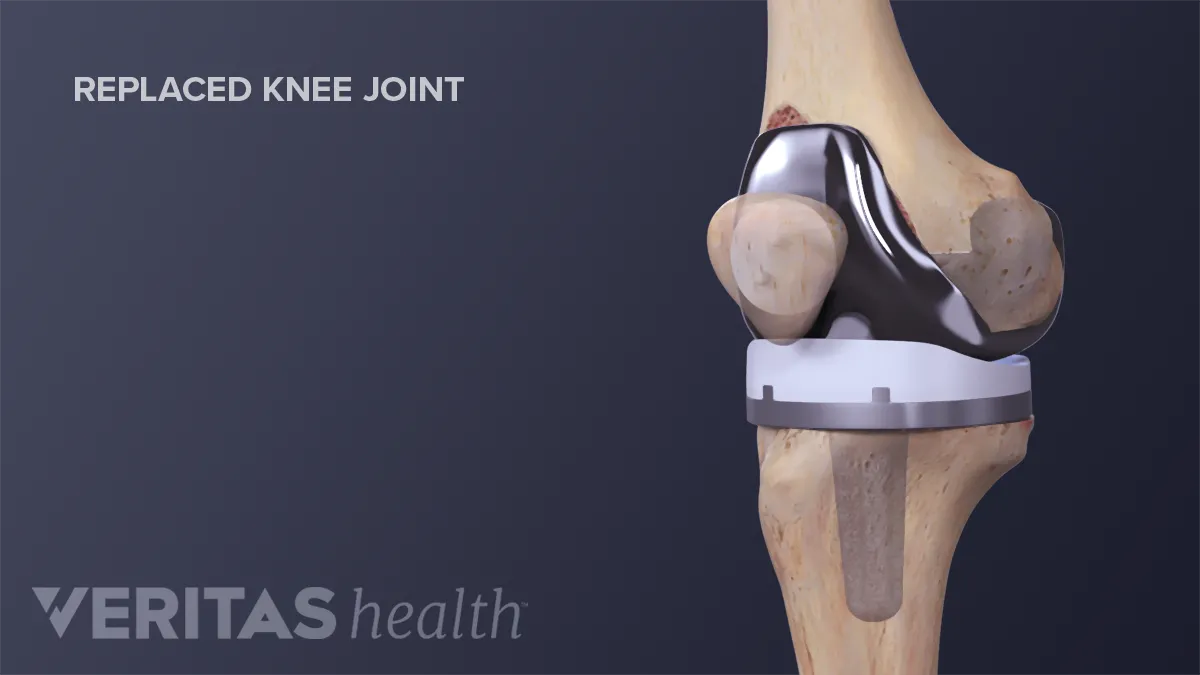
It is essential to have a clear understanding of the knee replacement surgery procedure and what it entails. During the surgery, the damaged parts of your knee joint are removed and replaced with artificial components called prostheses. This procedure is generally performed under general anesthesia, and the surgery itself can take a few hours. Understanding the details of the surgery will help alleviate any fears or anxieties you may have and allow you to ask informed questions during your consultation with the doctor.
Preparing Physically and Mentally
Preparing yourself physically and mentally before knee replacement surgery can contribute significantly to a smoother recovery process. It is advisable to follow any pre-surgery recommendations provided by your doctor, such as maintaining a healthy diet and exercise routine. Engaging in activities that promote overall strength and flexibility can help strengthen your body in preparation for the surgery. Furthermore, it is essential to mentally prepare yourself by understanding that recovery will take time and may require lifestyle adjustments temporarily.
Immediate Post-Surgery Care
Hospital Stay
After knee replacement surgery, you can expect to stay in the hospital for a few days. The length of your hospital stay will depend on various factors, including your overall health and the type of knee replacement surgery you undergo. During your hospital stay, medical professionals will closely monitor your recovery progress, manage your pain, and provide necessary assistance. They will guide you through the initial stages of recovery and educate you on post-surgery care instructions.
Pain Management
Pain management is a crucial aspect of immediate post-surgery care. Your doctor will prescribe pain medication to help alleviate any discomfort you may experience during the initial days of recovery. It is essential to take these medications as directed and communicate any changes in pain levels to your medical team. Alongside medication, techniques such as elevation, rest, and gentle movement can help manage post-surgery pain and promote healing.
Monitoring Vital Signs
During your hospital stay, your vital signs will be closely monitored to ensure your overall well-being. This includes monitoring your heart rate, blood pressure, oxygen levels, and body temperature. Regular checks will help identify any potential complications and allow medical professionals to intervene promptly if necessary. It is important to communicate any concerns or changes in your vital signs to your healthcare team promptly.

Managing Pain and Discomfort
Taking Prescribed Medications
Following knee replacement surgery, your doctor will likely prescribe pain medications to manage both acute and chronic pain. It is crucial to take these medications as prescribed and to communicate with your doctor about your pain levels. Do not hesitate to ask for adjustments to your medication regimen if you feel the need. As you progress in your recovery, your reliance on pain medication may decrease, but it is important to follow your doctor’s guidance throughout the process.
Using Ice and Heat Therapy
Ice and heat therapy can be effective tools in managing pain and discomfort after knee replacement surgery. Applying ice packs to the surgical area can help reduce swelling and inflammation. Heat therapy, on the other hand, can promote relaxation and alleviate muscle stiffness. Alternating between ice and heat therapy as recommended by your medical team can provide relief during the recovery phase. However, it is important to follow specific guidelines on duration and frequency to avoid any potential complications.
Engaging in Physical Therapy
Physical therapy plays a crucial role in managing pain and discomfort while aiding in the recovery process. Your doctor will likely recommend starting physical therapy soon after surgery. A trained therapist will guide you through exercises and movements that target specific muscles and help restore strength and flexibility in your knee. Regular physical therapy sessions will gradually increase in intensity as you progress in your recovery journey, with the goal of regaining full functionality and mobility.
Caring for Surgical Incision
Keeping Incision Clean and Dry
Proper care of your surgical incision is essential for preventing infections and promoting healing. It is important to keep the incision clean and dry. Follow the instructions provided by your medical team regarding the appropriate methods for cleansing and dressing your incision. Avoid submerging the incision in water until it has fully healed and keep an eye out for any signs of infection, such as redness, swelling, or discharge.
Changing Dressings
Regularly changing dressings on your surgical incision is crucial to maintain hygiene and monitor the healing process. Your medical team will provide specific instructions on how often to change the dressings and how to properly clean the area. Use sterile techniques and be gentle to avoid disrupting the healing process. If you have any concerns about the appearance or odor of the incision, notify your doctor for further evaluation.
Watching for Signs of Infection
Post-surgery, it is important to monitor your incision for any signs of infection. This includes redness, swelling, warmth, increased pain, and discharge. If you notice any of these signs or have a fever, it is crucial to seek medical attention promptly. Infections can hinder the healing process and lead to further complications if left untreated. Your healthcare team will guide you on steps to take if you suspect an infection and will provide appropriate treatment if necessary.
Physical Therapy and Rehabilitation
Starting Physical Therapy
Physical therapy is a key component of the rehabilitation process following knee replacement surgery. Your doctor will likely recommend initiating physical therapy soon after surgery to promote healing and regain range of motion. The physical therapist will assess your current condition, develop an individualized treatment plan, and guide you through exercises and techniques to restore strength and flexibility in your knee. Attending physical therapy sessions consistently and following the prescribed exercises at home will aid in your overall recovery.
Regaining Range of Motion
One of the primary goals of physical therapy after knee replacement surgery is to regain the full range of motion in your knee. The physical therapist will work with you to gradually increase the flexibility of your knee joint through exercises and stretching techniques. It is important to be patient and committed to the process, as the restoration of range of motion may take time. Following your therapist’s guidance and practicing the recommended exercises regularly will significantly contribute to your success in regaining mobility.
Strengthening Muscles and Joints
Rebuilding strength in the muscles and joints surrounding your new knee joint is a crucial aspect of the rehabilitation process. Physical therapy will focus on exercises that target specific muscle groups, gradually increasing in intensity and difficulty. Strengthening these muscles will not only support the newly replaced joint but also enhance overall stability and functionality. Your physical therapist will guide you through a tailored exercise program and monitor your progress to ensure optimal recovery.
Returning to Daily Activities
Using Assistive Devices
During the recovery phase, assistive devices such as crutches, walkers, or canes may be necessary to aid mobility. Your healthcare team will advise you on the appropriate device to use and provide instructions on proper usage. Using assistive devices correctly can help alleviate strain on your knee joint and reduce the risk of falls. As you progress in your recovery, you may gradually transition to using the devices less frequently, eventually resuming daily activities without their assistance.
Managing Pain During Activities
As you gradually return to your daily activities, it is important to manage any pain or discomfort you may experience. Your doctor may recommend over-the-counter pain medications or other non-pharmacological methods, such as heat or ice therapy, to alleviate discomfort. It is crucial to strike a balance between pushing yourself to regain functionality and listening to your body’s limitations. If you experience persistent or severe pain during activities, it is advisable to consult with your doctor for further guidance.
Gradual Increase in Activity Level
Returning to your regular daily activities should be a gradual process to ensure a successful recovery. As you regain strength and mobility, gradually increase your activity level. Begin with light exercises, household chores, and short walks, gradually progressing to more demanding tasks. It is important to listen to your body and not push yourself too hard too soon. Give yourself time to rest and recover between activities, and remember that the pace of your recovery may differ from others. Patience and consistency are key during this phase.
Special Considerations for Home Care
Preparing the Home Environment
Before returning home after knee replacement surgery, it is important to prepare your living environment to ensure safety and accessibility. Removing potential tripping hazards, securing rugs, and arranging furniture to allow easy navigation are essential steps to prevent falls. Consider installing safety grab bars in showers and near toilets for added stability. It may also be helpful to rearrange frequently used items within easy reach to avoid unnecessary bending or stretching.
Arranging for Assistance
Recovering from knee replacement surgery may require assistance with daily tasks, particularly during the initial stages of recovery. It is important to arrange for assistance with household chores, transportation, and personal care as needed. This can be done by reaching out to family and friends or hiring professional caregivers if necessary. Having a support system in place will not only ease the physical burden but also provide emotional support during your recovery journey.
Ensuring Safety and Accessibility
Adapting your home to ensure safety and accessibility is crucial for a smooth recovery process. Consider installing handrails along stairs, ramps for easier access, and non-slip mats in slippery areas to minimize the risk of falls. Ensure that pathways within your home are clear and well-lit. Additionally, it may be beneficial to have items such as a raised toilet seat or shower chair to support your comfort and safety. Assessing and addressing potential safety concerns in advance will create a conducive environment for your recovery.
Possible Complications and Warnings
Recognizing Warning Signs
While knee replacement surgery is generally safe, there can be potential complications. It is crucial to be aware of the warning signs that may indicate a problem. Symptoms such as increased pain, excessive swelling, warmth or redness around the surgical site, sudden inability to bear weight, or fever should not be ignored. If you experience any of these warning signs or have concerns, promptly contact your healthcare provider for further evaluation and appropriate intervention.
Avoiding Infections and Blood Clots
Infections and blood clots are potential complications that can arise after knee replacement surgery. To minimize these risks, take precautions as advised by your healthcare team. This may include regularly cleaning the surgical incision, practicing proper hand hygiene, and taking prescribed medications as directed. It is also important to remain physically active within the limits provided by your medical team, as movement helps prevent blood clots. Be vigilant and promptly report any signs of infection or blood clotting to your doctor.
Seeking Medical Help when Necessary
In the event of any concerning symptoms or complications during your recovery, it is important to seek medical help when necessary. Never hesitate to reach out to your healthcare provider if you are unsure or have questions. They are best equipped to assess your situation, provide guidance, and address any concerns. Early intervention can play a significant role in mitigating potential complications, ensuring a smooth recovery, and achieving successful outcomes.

Emotional Recovery and Support
Dealing with Emotional Challenges
Recovering from knee replacement surgery can be an emotionally challenging experience. It is common to experience a range of emotions, including frustration, impatience, or even moments of sadness. Understand that these emotions are normal and part of the recovery process. Practice self-compassion, be patient with yourself, and recognize that healing takes time. Engaging in stress-reducing activities such as meditation, deep breathing exercises, or pursuing hobbies can help promote emotional well-being during this phase.
Seeking Support from Family and Friends
Receiving support from family and friends is invaluable during the recovery process. Reach out to your loved ones and communicate your needs openly. Allow them to assist you with tasks, provide encouragement, and lend a sympathetic ear when needed. Having a strong support system can make a significant difference in your emotional well-being and overall recovery. Share your progress, celebrate milestones, and be open with your loved ones about your experiences.
Joining Support Groups
Consider joining support groups or connecting with others who have undergone knee replacement surgery. Support groups provide opportunities to share experiences, learn from others, and receive valuable advice. Hearing success stories and connecting with individuals on a similar recovery journey can provide a sense of reassurance and perspective. Support groups can be in-person or online, offering a space for discussion and emotional support throughout the recovery process.
Long-Term Recovery and Follow-Up
Monitoring Healing Progress
Following knee replacement surgery, it is important to continue monitoring the healing progress of your knee joint. This includes keeping track of any changes in pain levels, swelling, or functionality. Regularly communicate with your healthcare team about your progress and any concerns you may have. They will guide you on when to seek follow-up appointments and provide you with the necessary tools to monitor your knee’s healing as you resume daily activities.
Following Rehabilitation Guidelines
Adhering to rehabilitation guidelines is crucial for long-term recovery after knee replacement surgery. Your physical therapist will provide a specific rehabilitation program tailored to your needs. It is important to follow the prescribed exercises, pacing yourself according to the guidance provided, and gradually increasing the intensity of your activities. Consistency and commitment to the rehabilitation process will help optimize your recovery and improve long-term outcomes.
Regular Check-Ups and Follow-Up
Regular check-ups and follow-up appointments with your healthcare team are essential for ongoing monitoring of your knee’s health. These appointments will allow your doctor to assess your progress, address any concerns, and provide guidance on further steps in the recovery process. It is important to attend all scheduled follow-up appointments and be proactive in asking questions or providing updates on your recovery journey. Your healthcare team is there to support you throughout your long-term recovery.