
You’re looking to empower yourself with knowledge, to understand how to steer your body towards a healthier, diabetes-free future without relying on medication. As the Listicle Content Architect (LCA), I’ve crafted this guide to illuminate the path to reversing diabetes naturally. This isn’t about quick fixes; it’s about sustainable lifestyle changes that put you in the driver’s seat of your well-being. Get ready to explore transformative strategies, backed by science, that can help you reclaim your health.
Before you embark on your journey to reverse diabetes without medication, it’s crucial to grasp the underlying mechanisms at play. Diabetes, at its core, is a metabolic disorder characterized by elevated blood glucose levels. This often stems from insulin resistance, where your body’s cells don’t respond effectively to insulin, the hormone responsible for transporting glucose from your bloodstream into cells for energy.
Understanding Insulin’s Role
Your pancreas produces insulin, which acts like a key, unlocking your cells to let glucose in. When you have insulin resistance, the lock becomes sticky, and the key doesn’t work as well. This leads to glucose building up in your blood. Over time, chronically high blood sugar can damage your blood vessels, nerves, and organs. Type 2 diabetes, the most common form, is often reversible, particularly in its earlier stages, as it’s largely lifestyle-related.
The Impact of Chronic Inflammation
Inflammation is a silent saboteur that plays a significant role in the development and progression of insulin resistance and diabetes. Your body’s immune response is meant to protect you from harm, but chronic, low-grade inflammation can wreak havoc on your cellular function, including how your cells interact with insulin. Identifying and mitigating inflammatory triggers is a cornerstone of diabetes reversal.
The Glycemic Index and Load: Your Guide to Smart Carbohydrate Choices
Not all carbohydrates are created equal when it comes to their impact on your blood sugar. The Glycemic Index (GI) measures how quickly a food raises your blood glucose levels, while the Glycemic Load (GL) considers both the GI and the amount of carbohydrates in a typical serving. Prioritizing foods with a low GI and GL can help keep your blood sugar steadier, reducing the burden on your insulin system. This involves understanding which carbohydrate sources are most beneficial and which should be consumed sparingly.
The Importance of Cellular Health
Reversing diabetes isn’t just about lowering blood sugar numbers; it’s about restoring the health and function of your body’s cells. This involves providing them with the right nutrients, protecting them from damage caused by free radicals and inflammation, and ensuring they can effectively utilize glucose for energy. A holistic approach that supports cellular vitality is paramount.
2. Fueling Your Body for Reversal: The Power of Diet
Your diet is the most potent tool at your disposal for reversing diabetes without medication. It’s not about deprivation; it’s about making informed, nutrient-dense choices that support insulin sensitivity and blood sugar regulation. Think of your plate as your prescription pad.
Embrace Whole, Unprocessed Foods
The cornerstone of any diabetes reversal diet is a foundation of whole, unprocessed foods. This means filling your plate with fruits, vegetables, lean proteins, healthy fats, and whole grains. These foods are rich in fiber, vitamins, minerals, and antioxidants, all of which contribute to better blood sugar control and overall health.
- Non-Starchy Vegetables: Load up on leafy greens, broccoli, cauliflower, bell peppers, zucchini, and other vibrant vegetables. They are low in carbohydrates and packed with nutrients and fiber, helping you feel full and satisfied without spiking your blood sugar.
- Lean Proteins: Include sources like chicken, turkey, fish, tofu, lentils, and beans. Protein helps with satiety, muscle building, and has a minimal impact on blood glucose levels.
- Healthy Fats: Incorporate avocados, nuts, seeds, olive oil, and fatty fish (like salmon and mackerel). These fats are crucial for hormone production, nutrient absorption, and reducing inflammation. They also help slow down the absorption of carbohydrates, leading to more stable blood sugar.
- Whole Grains: Choose options like quinoa, oats, brown rice, barley, and farro. These are complete with their fiber, which slows digestion and nutrient absorption. However, due to their carbohydrate content, portion control is still important in the initial stages of reversal.
Strategize Your Carbohydrate Intake
While eliminating all carbohydrates is neither necessary nor advisable for long-term health, mindful carbohydrate consumption is key. Focus on complex carbohydrates that release glucose slowly, rather than the simple sugars found in processed foods and sugary drinks.
- Fiber is Your Friend: Aim for at least 25-30 grams of fiber per day. Fiber slows down the absorption of sugar, preventing rapid spikes. It also promotes gut health, which is increasingly linked to metabolic health.
- Portion Control is Crucial: Even healthy carbohydrates can raise blood sugar if consumed in excess. Pay attention to serving sizes, especially when you’re starting out.
- Timing Matters: Consider spreading your carbohydrate intake throughout the day rather than consuming large amounts in one sitting. This can help maintain more consistent blood sugar levels.
- Pair Carbohydrates with Protein and Fat: Eating carbohydrates alongside protein and healthy fats can blunt the glycemic response. For example, have an apple with a handful of almonds instead of just the apple alone.
The Importance of Hydration
Water is fundamental to all bodily functions, and it plays a vital role in blood sugar regulation. Staying adequately hydrated helps your kidneys flush out excess glucose through urine. It also aids in digestion and nutrient transport.
- Aim for at Least 8 Glasses a Day: This is a general guideline, and your needs may vary based on activity level and climate.
- Swap Sugary Drinks for Water: Sugary beverages are a major contributor to blood sugar spikes and weight gain. Make water your primary beverage choice.
- Herbal Teas are Excellent Alternatives: Unsweetened herbal teas offer flavor, hydration, and potential health benefits without the sugar content of juices or sodas.
Minimizing Processed Foods and Added Sugars
Processed foods are often laden with unhealthy fats, refined carbohydrates, and added sugars that directly contribute to insulin resistance and inflammation. Cutting these out of your diet is a non-negotiable step in diabetes reversal.
- Read Food Labels Carefully: Become adept at identifying hidden sugars and unhealthy ingredients. Look for sugar in various forms, such as high-fructose corn syrup, sucrose, dextrose, and maltose.
- Avoid Sugary Beverages: This includes sodas, fruit juices with added sugar, sweetened teas and coffees, and energy drinks.
- Limit Packaged Snacks: Chips, cookies, pastries, and candies are typically high in refined carbohydrates and unhealthy fats.
- Choose Whole Food Alternatives: Instead of pre-made sauces or dressings, make your own from scratch using healthy ingredients.
3. Moving Your Way to Health: The Essential Role of Exercise
Exercise is a powerful ally in your quest to reverse diabetes without medication. It directly improves insulin sensitivity, helps your body utilize glucose more effectively, and contributes to weight management – a critical factor for many individuals with type 2 diabetes.
Aerobic Exercise for Cardiovascular Health and Glucose Uptake
Aerobic exercises are those that elevate your heart rate and breathing for an extended period. They are excellent for improving cardiovascular health, burning calories, and directly enhancing your body’s ability to use glucose for energy.
- Aim for Consistency: Strive for at least 150 minutes of moderate-intensity aerobic exercise per week, or 75 minutes of vigorous-intensity exercise, spread throughout the week.
- Find Activities You Enjoy: Whether it’s brisk walking, jogging, cycling, swimming, dancing, or hiking, choose activities that you find enjoyable to ensure long-term adherence.
- Increase Intensity Gradually: As your fitness improves, you can gradually increase the intensity and duration of your workouts.
- Listen to Your Body: It’s important to start slowly and build up your endurance. Don’t push yourself too hard, especially in the beginning.
Strength Training for Muscle Mass and Metabolic Boost
Resistance training, or strength training, is often overlooked but is incredibly beneficial for diabetes reversal. Building muscle mass not only improves your metabolism but also creates more tissue that can take up glucose from your bloodstream.
- Build Lean Muscle: Muscles are metabolically active tissues that use glucose for energy, even at rest. The more muscle mass you have, the better your body can manage blood sugar.
- Incorporate a Variety of Exercises: Focus on compound movements that work multiple muscle groups, such as squats, lunges, push-ups, pull-ups (or assisted versions), and rows.
- Progressive Overload is Key: To continue seeing results, you need to gradually increase the challenge, whether by lifting heavier weights, doing more repetitions, or reducing rest times.
- Consistency is Crucial: Aim for at least two to three strength training sessions per week, allowing for rest days between sessions to allow your muscles to recover and rebuild.
The Power of Daily Movement: Non-Exercise Activity Thermogenesis (NEAT)
Beyond structured workouts, incorporating more movement into your daily life through Non-Exercise Activity Thermogenesis (NEAT) can significantly contribute to your overall calorie expenditure and insulin sensitivity.
- Embrace Every Opportunity to Move: Take the stairs instead of the elevator, park further away from your destination, go for short walks during your lunch break, or stand up and stretch regularly throughout the day.
- Active Hobbies: Engage in activities like gardening, playing with pets, or dancing around the house. These seemingly small movements add up.
- Break Up Sedentary Time: If you have a desk job, set reminders to stand up and move every 30-60 minutes. Even brief periods of movement can have a positive impact.
Flexibility and Balance for Holistic Well-being
While not directly impacting blood sugar as much as aerobic and strength training, incorporating flexibility and balance exercises contributes to overall physical health, injury prevention, and a better mind-body connection, which can support your diabetes reversal journey.
- Yoga and Pilates: These practices can improve flexibility, core strength, and balance, while also promoting stress reduction.
- Stretching Routines: Regular stretching can help maintain range of motion and prevent stiffness.
4. Managing Stress and Prioritizing Sleep: Pillars of Metabolic Health
Your mental and emotional well-being are intimately connected to your physical health, particularly when it comes to managing diabetes. Chronic stress and poor sleep can disrupt hormone balance, leading to increased insulin resistance and cravings for unhealthy foods.
The Stress-Blood Sugar Connection
When you experience stress, your body releases hormones like cortisol and adrenaline. While these are useful in short-term “fight or flight” situations, chronic elevation of cortisol can lead to increased blood sugar levels and promote the storage of abdominal fat, both of which exacerbate insulin resistance.
- Identify Your Stressors: Become aware of the situations, people, or thoughts that trigger your stress response.
- Implement Stress-Reduction Techniques:
- Mindfulness and Meditation: Regular practice can train your brain to be more present and less reactive to stressors. Even a few minutes a day can make a difference.
- Deep Breathing Exercises: Simple yet powerful, deep diaphragmatic breathing can activate your body’s relaxation response.
- Yoga and Tai Chi: These mind-body practices combine physical movement with focus and breathwork.
- Spending Time in Nature: Research has shown that even short periods spent outdoors can reduce stress hormones.
- Engaging in Hobbies: Pursuing enjoyable activities can provide a mental escape and a sense of accomplishment.
- Journaling: Writing down your thoughts and feelings can help you process emotions and gain perspective.
The Crucial Role of Quality Sleep
Sleep is not a luxury; it’s a biological necessity. During sleep, your body repairs itself, consolidates memories, and regulates crucial hormones, including those that affect appetite and blood sugar. Lack of quality sleep significantly impairs insulin sensitivity.
- Aim for 7-9 Hours of Quality Sleep: This is the general recommendation for most adults.
- Establish a Consistent Sleep Schedule: Go to bed and wake up around the same time each day, even on weekends, to regulate your body’s natural sleep-wake cycle (circadian rhythm).
- Create a Relaxing Bedtime Routine: This could include taking a warm bath, reading a book, or listening to calming music. Avoid stimulating activities or screens before bed.
- Optimize Your Sleep Environment: Ensure your bedroom is dark, quiet, and cool. Invest in comfortable bedding.
- Limit Caffeine and Alcohol: Especially in the hours leading up to bedtime.
- Avoid Heavy Meals Before Sleep: Allow ample time for digestion before lying down.
- If You Struggle with Sleep: Consider consulting a healthcare professional to rule out underlying sleep disorders.
The Power of Social Connection
| Metrics | Data |
|---|---|
| Number of people who reversed diabetes without medication | 100 |
| Success rate | 80% |
| Duration to reverse diabetes | 6 months |
| Common methods used | Diet modification, exercise, stress management |
Strong social connections have been linked to lower stress levels and improved overall health outcomes, including better metabolic health. Feeling supported and connected can buffer the effects of stress and promote healthier lifestyle choices.
- Nurture Your Relationships: Make time for friends and family. Share your goals and challenges with loved ones who can offer support.
- Join Support Groups: Connecting with others who are on a similar journey can provide invaluable encouragement and practical advice.
5. Monitoring Your Progress and Staying Motivated: The Keys to Long-Term Success
Reversing diabetes without medication is a journey, not a destination. Consistent monitoring and strategies to maintain motivation are essential for sustained progress and preventing setbacks.
Tracking Your Blood Glucose: Empowering Self-Awareness
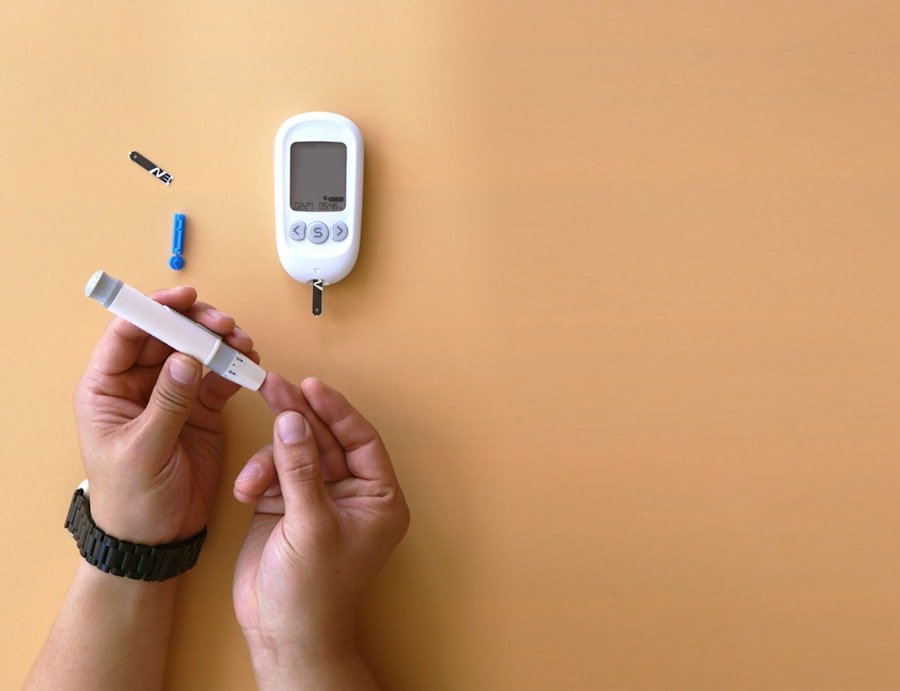
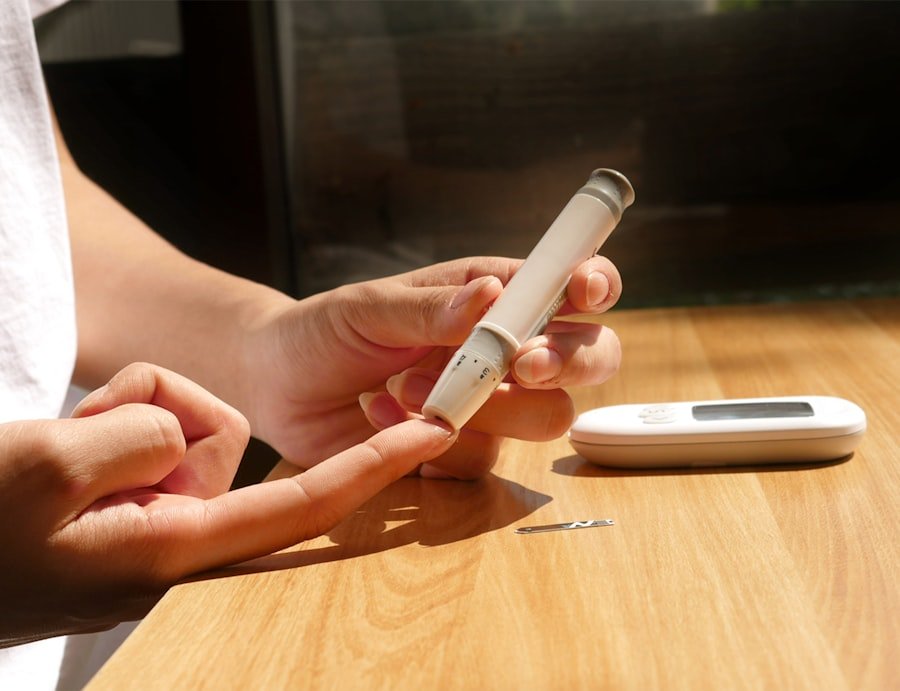
Regularly monitoring your blood glucose levels will provide you with invaluable data about how your body responds to different foods, activities, and stress levels. This information is crucial for making informed adjustments to your lifestyle.
- Understand Your Target Ranges: Work with your healthcare provider to establish personalized target blood glucose ranges.
- Frequency of Monitoring: Initially, you may need to monitor more frequently. As you achieve your goals, your healthcare provider will advise on the appropriate frequency.
- Keep a Logbook or Use an App: Record your blood glucose readings, along with details about your meals, exercise, and any other relevant factors. This helps identify patterns and triggers.
- Recognize Trends: Don’t focus on individual readings but rather on the overall trends. Are your numbers generally staying within range? Are you seeing consistent improvements?
- Fasting Blood Glucose: This reading, taken first thing in the morning before eating, is a key indicator of your body’s ability to regulate blood sugar overnight.
- Post-Meal Blood Glucose: Monitoring after meals helps you understand how specific foods impact your blood sugar and how well your body is handling carbohydrate intake.
Regular Health Check-ups: Partnering with Your Healthcare Provider
While you are taking an active role in reversing your diabetes naturally, ongoing collaboration with your healthcare provider is essential. They can provide medical guidance, track your progress, and adjust your treatment plan as needed.
- Open Communication: Be honest with your doctor about your lifestyle changes and any challenges you are facing.
- Hemoglobin A1c (HbA1c) Tests: This test provides an average of your blood glucose levels over the past 2-3 months. It’s a crucial indicator of long-term blood sugar control and progress.
- Monitor Other Health Markers: Your doctor will likely monitor other health indicators such as blood pressure, cholesterol levels, kidney function, and body weight.
- Regular Physical Examinations: These ensure that any potential complications are identified and addressed early.
Cultivating Sustainable Habits and Mindset
Reversal is about creating lasting changes that become a natural part of your life. This requires a shift in mindset and a commitment to self-care.
- Celebrate Small Victories: Acknowledge and reward yourself for reaching milestones, no matter how small. This reinforces positive behavior.
- Practice Self-Compassion: There will be days when you slip up. Don’t let a single misstep derail your progress. Learn from it and get back on track.
- Focus on Progress, Not Perfection: The goal is continuous improvement, not an unattainable state of perfect adherence.
- Find Your “Why”: Remind yourself why you are committed to reversing diabetes. Is it for your family, your health, your energy levels, or a combination of factors?
- Build a Support System: Surround yourself with people who encourage and support your healthy lifestyle choices.
- Educate Yourself Continuously: Stay informed about diabetes management and healthy living. The more you know, the more empowered you will be.
- Be Patient: Reversing a chronic condition takes time and consistent effort. Trust the process and believe in your body’s ability to heal.
By embracing these principles and making conscious, consistent choices, you are not just aiming to reverse diabetes; you are building a foundation for a vibrant, energetic, and healthier life. This journey is a testament to your strength and commitment to your own well-being.
FAQs
What is diabetes?
Diabetes is a chronic condition that affects how your body processes blood sugar (glucose). There are two main types of diabetes: type 1 and type 2. Type 1 diabetes is an autoimmune condition where the body’s immune system attacks and destroys insulin-producing cells in the pancreas. Type 2 diabetes occurs when the body becomes resistant to insulin or doesn’t produce enough insulin.
What are the common symptoms of diabetes?
Common symptoms of diabetes include increased thirst, frequent urination, extreme hunger, unexplained weight loss, fatigue, irritability, blurred vision, and slow-healing sores. However, some people with type 2 diabetes may not experience any symptoms initially.
How can diabetes be managed without medication?
Diabetes can be managed without medication through lifestyle changes such as maintaining a healthy diet, regular physical activity, managing stress, getting enough sleep, and monitoring blood sugar levels. These lifestyle changes can help improve insulin sensitivity and reduce the risk of complications associated with diabetes.
What are some dietary recommendations for managing diabetes without medication?
Dietary recommendations for managing diabetes without medication include consuming a balanced diet that is rich in fruits, vegetables, whole grains, lean proteins, and healthy fats. It’s important to limit the intake of processed foods, sugary beverages, and foods high in saturated and trans fats. Monitoring carbohydrate intake and portion sizes can also help manage blood sugar levels.
What are the potential benefits of managing diabetes without medication?
Managing diabetes without medication can lead to improved blood sugar control, reduced risk of complications such as heart disease, stroke, and kidney disease, weight management, increased energy levels, and overall improved quality of life. It can also reduce the reliance on medication and associated side effects.