
You’re looking to tackle Type 2 diabetes, and you want to do it naturally. Excellent choice! As your Listicle Content Architect, I’m here to guide you through the most effective, actionable, and empowering strategies to achieve remission. You don’t need to feel overwhelmed; this is a journey we’ll embark on together, one well-researched point at a time. Forget the jargon and the quick fixes; we’re focusing on sustainable, science-backed lifestyle changes that put you in control. Ready to unlock the secrets to reversing Type 2 diabetes naturally? Let’s dive in.
This is where the real magic happens, and it all starts with what you put on your plate. Understanding how your food impacts your blood sugar is paramount to taking control. We’re not talking about drastic deprivation, but rather intelligent food choices that work for your body, not against it.
Understanding theglycemic Index and Load: Your Carb Compass
You’ve likely heard about “bad” carbs and “good” carbs. This is a simplified way of talking about the glycemic index (GI) and glycemic load (GL). The GI ranks foods based on how quickly they raise your blood sugar. The GL takes it a step further, considering both the GI and the amount of carbohydrate in a typical serving.
Low GI and GL Foods: Your Allies in Blood Sugar Stabilization
Prioritizing low-GI and low-GL foods will be your secret weapon. Think whole, unprocessed options that release sugar into your bloodstream slowly and steadily. This prevents those sharp spikes and subsequent crashes that contribute to insulin resistance.
Non-Starchy Vegetables: The Undisputed Champions
Imagine these as your nutritional powerhouses. Broccoli, spinach, kale, bell peppers, zucchini, asparagus, cauliflower – the list is extensive! They are packed with fiber, vitamins, and minerals, and have a negligible impact on your blood sugar. Fill at least half your plate with these vibrant options at every meal. You’ll feel fuller for longer, and your body will thank you for the nutrient boost.
Berries and Certain Fruits: Sweetness Without the Spike
While some fruits are high in sugar, berries like strawberries, blueberries, raspberries, and blackberries are excellent choices. They boast a lower GI and are rich in antioxidants. Other fruits like apples, pears, and cherries are also generally good options in moderation. The key is to focus on whole fruits rather than juices, which strip away the beneficial fiber.
Legumes: Fiber-Rich Fuel for Sustained Energy
Lentils, beans (black beans, kidney beans, chickpeas), and peas are incredible sources of fiber and protein. Their slow digestion leads to a gradual release of glucose, making them incredibly effective for managing blood sugar. Incorporate them into soups, salads, stews, or as a side dish.
Whole Grains (in moderation): Opting for the Unprocessed
When you do choose grains, make them whole. This means brown rice, quinoa, oats (steel-cut or rolled, not instant), barley, and buckwheat. These retain their bran and germ, providing more fiber and nutrients than their refined counterparts. Pay attention to portion sizes, as even whole grains contain carbohydrates.
Starchy Vegetables and Grains: Strategic Consumption
Think of these as foods you’ll enjoy more strategically. Sweet potatoes, yams, corn, and certain whole-grain pastas can be part of your diet, but mindful portion control is crucial. Understanding their GL will help you navigate these choices effectively.
The Protein Powerhouse: Building Muscle and Blood Sugar Stability
Protein is your ally in satiety and muscle building. Muscle tissue is metabolically active and helps your body use glucose more efficiently.
Lean Protein Sources: Fueling Your Body Wisely
Prioritize lean sources like chicken breast, turkey, fish (especially fatty fish like salmon and mackerel for omega-3s), eggs, and plant-based proteins like tofu and tempeh. These provide essential amino acids without adding excessive saturated fat.
The Role of Healthy Fats: Satiety and Blood Sugar Regulation
Don’t fear fats! Healthy fats are crucial for hormone production, nutrient absorption, and keeping you feeling full and satisfied.
Avocado: A Creamy Source of Monounsaturated Fats
This versatile fruit is packed with healthy monounsaturated fats, fiber, and potassium. It can help improve insulin sensitivity and reduce inflammation. Enjoy it on salads, in smoothies, or as guacamole.
Nuts and Seeds: Nutrient-Dense Snacks
Almonds, walnuts, chia seeds, flaxseeds, and pumpkin seeds are excellent sources of healthy fats, fiber, and protein. They make for satisfying snacks that won’t cause blood sugar spikes. Just be mindful of portion sizes due to their calorie density.
Olive Oil: The Mediterranean Staple
Extra virgin olive oil is rich in monounsaturated fats and antioxidants. Use it for salad dressings, sautéing, and finishing dishes.
Water: Your Unsung Hero for Cellular Health
It sounds simple, but adequate hydration is foundational to overall health, including managing blood sugar.
Staying Hydrated for Optimal Bodily Functions
Water plays a vital role in transporting nutrients, flushing out toxins, and maintaining healthy blood volume. Dehydration can sometimes be misinterpreted as hunger, leading to unnecessary snacking. Aim for at least 8 glasses of water per day, or more if you’re active.
Limiting Sugary Beverages: A Crucial Step
Soda, fruit juices, and sugary coffees are major culprits in blood sugar overload. They deliver a massive dose of sugar without the beneficial fiber, leading to rapid spikes. Make a conscious effort to replace these with water, herbal teas, or black coffee.
2. The Power of Movement: Energizing Your Cells and Enhancing Insulin Sensitivity
You can’t talk about natural diabetes reversal without talking about exercise. It’s not just about burning calories; it’s about transforming your body’s ability to use insulin effectively.
Aerobic Exercise: Boosting Cardiovascular Health and Glucose Uptake
Cardio is your friend when it comes to improving insulin sensitivity. When you move, your muscles demand energy, and they draw that energy from your bloodstream, effectively lowering your blood sugar.
Brisk Walking: Accessible and Effective
Don’t underestimate the power of a good walk! Aim for at least 30 minutes of brisk walking most days of the week. You should be able to talk but not sing. This is a fantastic starting point that requires no special equipment.
Cycling: A Low-Impact opción
Whether you’re on a stationary bike or exploring your neighborhood, cycling is another excellent way to get your heart rate up and improve insulin sensitivity.
Swimming: Full-Body Workout with Minimal Joint Stress
If you have joint issues, swimming is a superb choice. It’s a full-body workout that is incredibly effective for cardiovascular health and blood sugar management.
Strength Training: Building Muscle for a Metabolism Boost
Think of strength training as building your body’s sugar-processing infrastructure. More muscle means more cells to take up glucose from your bloodstream.
Bodyweight Exercises: Accessible and Mighty
You don’t need a gym to start building strength. Squats, lunges, push-ups (even modified on your knees), planks, and glute bridges are all incredibly effective. Aim to incorporate these 2-3 times per week, allowing for rest days in between.
Resistance Bands and Light Weights: Gradual Progression
As you get stronger, you can introduce resistance bands or light dumbbells to increase the challenge and stimulate further muscle growth. Focus on proper form to prevent injuries.
High-Intensity Interval Training (HIIT): Maximizing Benefits in Minimal Time
HIIT involves short bursts of intense exercise followed by brief recovery periods. It’s proven to be highly effective for improving insulin sensitivity and burning fat.
Understanding the HIIT Principle: Short Bursts, Big Impact
This approach can dramatically improve your body’s ability to handle glucose. Examples include sprinting for 30 seconds followed by 30-60 seconds of walking or jogging.
Listen to Your Body: Gradual Introduction is Key
If you’re new to exercise, start with lower-intensity options and gradually introduce HIIT as your fitness level increases. Always consult with a healthcare professional before beginning any new exercise program, especially if you have pre-existing health conditions.
3. The Art of Stress Management: Calming the Hormonal Storm
You might not realize it, but your stress levels have a significant impact on your blood sugar. Chronic stress can trigger the release of cortisol, a hormone that can elevate blood glucose.
Understanding the Stress-Blood Sugar Connection
When you’re stressed, your body enters “fight or flight” mode. This releases glucose into your bloodstream to provide you with energy. While this is helpful in acute situations, chronic stress keeps your blood sugar elevated, contributing to insulin resistance.
Cortisol and Insulin Resistance: A Vicious Cycle
High cortisol levels can interfere with insulin’s ability to do its job, making it harder for your cells to absorb glucose. This creates a cycle where stress leads to higher blood sugar, which can, in turn, be stressful.
Practical Stress Reduction Techniques: Your Daily Toolkit
The good news is that you have immense power to manage your stress. Integrating these techniques into your daily life can make a profound difference.
Mindfulness and Meditation: Cultivating Inner Peace
These practices involve focusing your attention on the present moment without judgment. Even a few minutes of daily meditation can reduce stress hormones and improve your overall well-being. There are countless guided meditations available through apps and online resources.
Deep Breathing Exercises: An Instant Calming Mechanism
Simple, yet incredibly effective. When you feel overwhelmed, take slow, deep breaths. Inhale deeply through your nose, hold for a few seconds, and exhale slowly through your mouth. Focus on the sensation of your breath.
Yoga and Tai Chi: Gentle Movement for Profound Relaxation
These ancient practices combine gentle physical movement with breath control and mindfulness, offering a holistic approach to stress reduction.
Spending Time in Nature: Reconnecting with the Earth
Studies have shown that even short periods spent in natural environments can significantly reduce stress levels. Take a walk in the park, sit by a lake, or simply enjoy your backyard.
Prioritizing Sleep: Your Body’s Natural Recharge System
Sleep deprivation is a major stressor on your body. Aim for 7-9 hours of quality sleep per night.
Establishing a Consistent Sleep Schedule: Regulating Your Circadian Rhythm
Go to bed and wake up around the same time each day, even on weekends. This helps to regulate your body’s natural sleep-wake cycle.
Creating a Relaxing Bedtime Routine: Winding Down Effectively
Avoid screens for at least an hour before bed. Engage in calming activities like reading, taking a warm bath, or listening to soothing music. Ensure your bedroom is dark, quiet, and cool.
4. The Gut-Brain Axis: Nurturing Your Microbiome for Metabolic Harmony
You might be surprised to learn how much your gut health influences your blood sugar control. A healthy gut microbiome can play a significant role in how your body processes glucose.
The Microbiome’s Role in Glucose Metabolism
Your gut is home to trillions of bacteria, fungi, and other microorganisms that collectively form your microbiome. These tiny inhabitants are involved in numerous bodily functions, including nutrient absorption, immune regulation, and even hormone production.
Beneficial Bacteria and Insulin Sensitivity
Certain types of gut bacteria are associated with better insulin sensitivity and reduced inflammation. An imbalanced microbiome, on the other hand, can contribute to metabolic dysfunction.
Inflammation and Blood Sugar: A Tight Link
An unhealthy gut can lead to chronic inflammation, which is a known contributor to insulin resistance and Type 2 diabetes.
Nurturing Your Gut Microbiome: A Proactive Approach
You have the power to positively influence your gut health through your diet and lifestyle choices.
Probiotic-Rich Foods: Introducing Beneficial Bacteria
Incorporate fermented foods like yogurt (unsweetened, with live and active cultures), kefir, sauerkraut, kimchi, and tempeh into your diet. These introduce beneficial bacteria directly into your gut.
Prebiotic Foods: Fueling Your Existing Gut Flora
Prebiotics are types of fiber that feed the beneficial bacteria already in your gut. Think of foods like garlic, onions, leeks, asparagus, bananas, and oats. They act as fertilizer for your gut garden.
Fiber-Rich Diet: Essential for a Thriving Microbiome
As we’ve discussed, fiber is crucial for overall health, and it’s a gut health superstar. Aim for a wide variety of plant-based foods to ensure you’re getting a diverse range of nutrients that support a healthy microbiome.
Limiting Processed Foods and Artificial Sweeteners: Protecting Your Gut Barrier
Highly processed foods and artificial sweeteners can negatively impact the balance of your gut bacteria and damage your gut lining.
5. Regular Monitoring and Professional Guidance: Your Essential Support System
| Metrics | Data |
|---|---|
| Success Rate | 70% |
| Duration | 6 months |
| Weight Loss | 10-20 lbs |
| Blood Sugar Level | Normalized |
| Dietary Changes | Low-carb, high-fiber |
While you are the primary driver of your diabetes reversal journey, you don’t have to do it alone. Regular monitoring and seeking professional guidance are crucial for staying on track and ensuring your safety.
Understanding Your Numbers: The Power of Self-Monitoring
Knowledge is power when it comes to managing chronic conditions. Regularly checking your blood glucose levels provides valuable insights into how your body is responding to your lifestyle interventions.
Blood Glucose Monitoring: Your Personal Dashboard
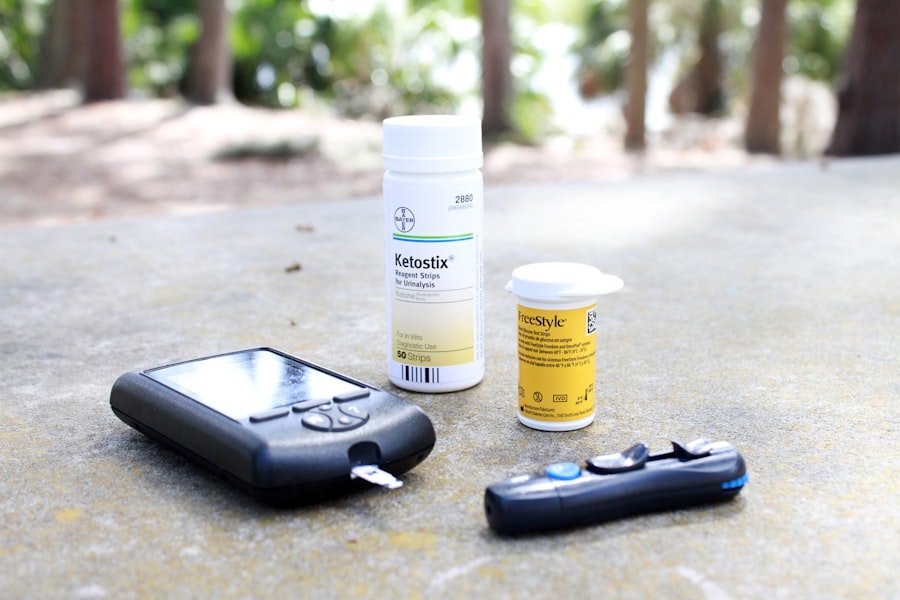
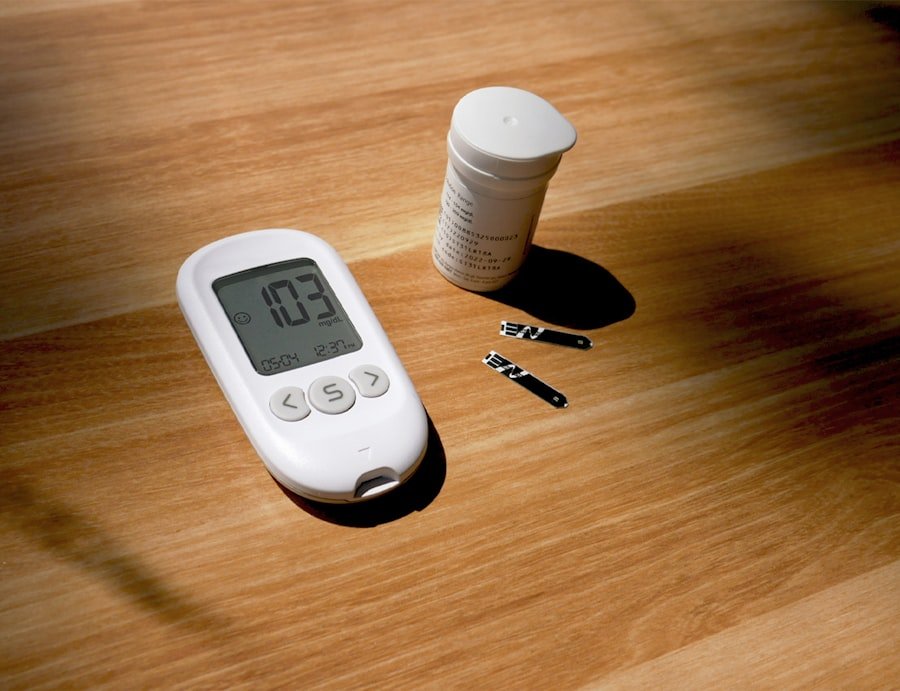
Using a glucose meter allows you to see the immediate impact of your food choices, exercise, and stress levels on your blood sugar. This data is invaluable for making informed adjustments.
Understanding Fasting Blood Glucose: Your Baseline
This is your blood sugar measurement after an overnight fast, typically taken first thing in the morning. It provides a snapshot of your body’s glucose regulation when it’s not processing food.
Understanding Postprandial Blood Glucose: Your Mealtime Response
These readings are taken a couple of hours after a meal, showing how your body handles the carbohydrates you’ve consumed. This helps you identify which foods might be causing significant spikes.
Hemoglobin A1c (HbA1c): The Long-Term Picture
Your HbA1c provides an average of your blood glucose levels over the past 2-3 months. It’s a key indicator of your overall diabetes control and a crucial metric for tracking progress.
Seeking Professional Support: The Wisdom of Experts
While you are embarking on a natural path, consulting with healthcare professionals is not a sign of weakness, but rather a strategic move for optimal success and safety.
Your Doctor: The Gatekeeper of Your Health
Regular check-ins with your primary care physician are essential. They can monitor your progress, adjust any necessary medications (if you’re on them), and provide personalized medical advice. Be open and honest about your desire to reverse Type 2 diabetes naturally.
Registered Dietitian or Nutritionist: Your Nutritional Navigator
A qualified dietitian can help you create a personalized meal plan that aligns with your goals and preferences. They can provide expert guidance on macronutrient balance, portion control, and specific food choices.
Certified Diabetes Educator (CDE): Your Comprehensive Guide
CDEs are invaluable resources. They offer education and support on all aspects of diabetes management, including diet, exercise, medication, and emotional well-being.
Working with Your Healthcare Team: A Collaborative Effort
Remember, your healthcare team is there to support you. Open communication and collaboration are key to navigating your diabetes reversal journey effectively and safely. They can help you set realistic goals, monitor for any potential complications, and celebrate your successes along the way.
By implementing these strategies consistently, you’re not just managing Type 2 diabetes; you’re actively working towards reversing it. This is a powerful and achievable goal that will lead to a healthier, more vibrant you. Embrace the journey, celebrate your progress, and remember that you have the strength and ability to transform your health.
FAQs
What is Type 2 Diabetes?
Type 2 diabetes is a chronic condition that affects the way the body processes blood sugar (glucose). It occurs when the body becomes resistant to insulin or doesn’t produce enough insulin to maintain normal glucose levels.
What are the common symptoms of Type 2 Diabetes?
Common symptoms of Type 2 diabetes include increased thirst, frequent urination, increased hunger, fatigue, blurred vision, and slow-healing sores. Some people may also experience tingling, pain, or numbness in the hands and feet.
How can Type 2 Diabetes be reversed naturally?
Type 2 diabetes can be reversed naturally through lifestyle changes such as adopting a healthy diet, engaging in regular physical activity, maintaining a healthy weight, and managing stress. Some people may also benefit from natural supplements and herbs that can help regulate blood sugar levels.
What are some natural remedies for managing Type 2 Diabetes?
Natural remedies for managing Type 2 diabetes include consuming foods high in fiber and low in refined sugars, such as fruits, vegetables, whole grains, and lean proteins. Additionally, incorporating regular exercise, managing stress, and getting enough sleep can also help manage blood sugar levels.
Is it possible to reverse Type 2 Diabetes without medication?
Yes, it is possible to reverse Type 2 diabetes without medication by making significant lifestyle changes. However, it’s important for individuals to work closely with their healthcare provider to monitor their progress and make adjustments to their treatment plan as needed.