
Acute renal failure can be a daunting condition, but understanding its risk factors and taking necessary precautions can greatly help in managing and preventing its occurrence. In this article, we will explore the various factors that put you at a higher risk of developing acute renal failure and discuss the precautions you can take to protect your kidney health. By being aware of these crucial points, you can empower yourself to make informed decisions and take control of your well-being. So let’s dive in and learn how to safeguard our kidneys!
Risk Factors for Acute Renal Failure
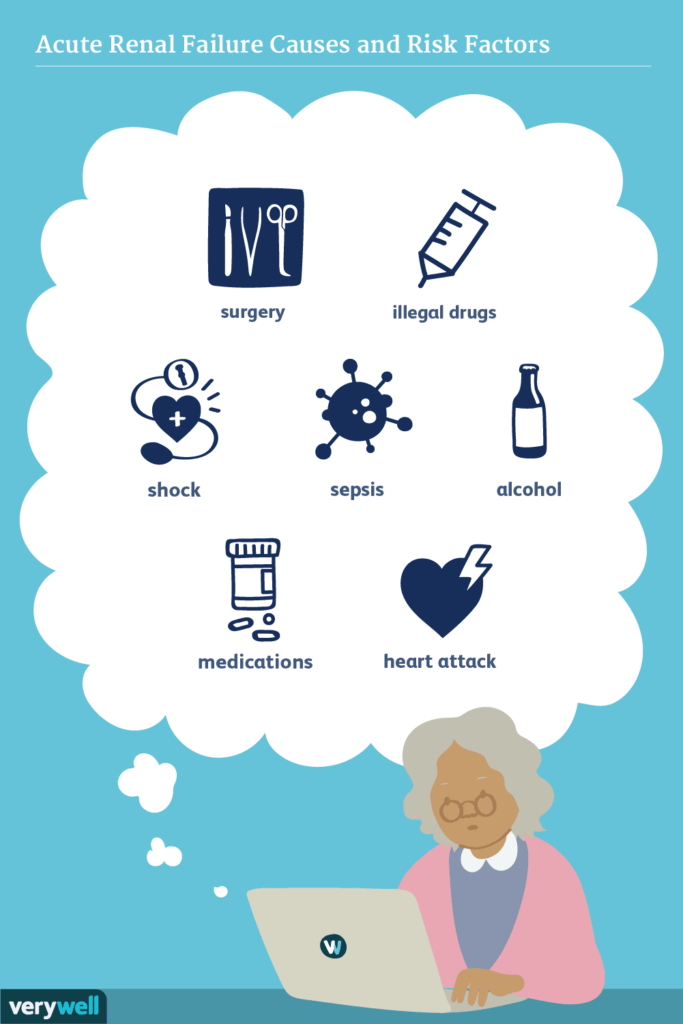
Acute renal failure, also known as acute kidney injury, is a serious condition that occurs when your kidneys suddenly become unable to properly filter waste products from your blood. There are several risk factors that can increase your chances of developing this condition. By understanding these risk factors, you can take steps to reduce your risk and protect your kidney health.
Age
One of the risk factors for acute renal failure is age. As you get older, your kidneys may naturally decline in function. This can make them more vulnerable to damage and increase your risk of developing acute renal failure. While you can’t control your age, you can still take steps to protect your kidney health as you age.
Chronic kidney disease
Another significant risk factor for acute renal failure is already having chronic kidney disease. Chronic kidney disease is a long-term condition that gradually impairs your kidney function. If you have this condition, it’s important to work closely with your healthcare provider to manage it effectively. By keeping your kidney disease under control, you can reduce your risk of developing acute renal failure.

Diabetes
Diabetes is a condition that affects the way your body uses glucose, a sugar that serves as a primary source of energy. Uncontrolled diabetes can lead to various complications, including kidney damage. Diabetes is a major risk factor for developing acute renal failure. If you have diabetes, it’s crucial to keep your blood sugar levels in a healthy range to protect your kidneys.
High blood pressure
High blood pressure, also known as hypertension, is a common condition that can damage your blood vessels and organs, including your kidneys. When your blood pressure is consistently high, it can put strain on the delicate blood vessels in your kidneys, leading to kidney damage and a higher risk of acute renal failure. Managing your blood pressure through lifestyle changes and medication can help protect your kidney health.
Heart disease
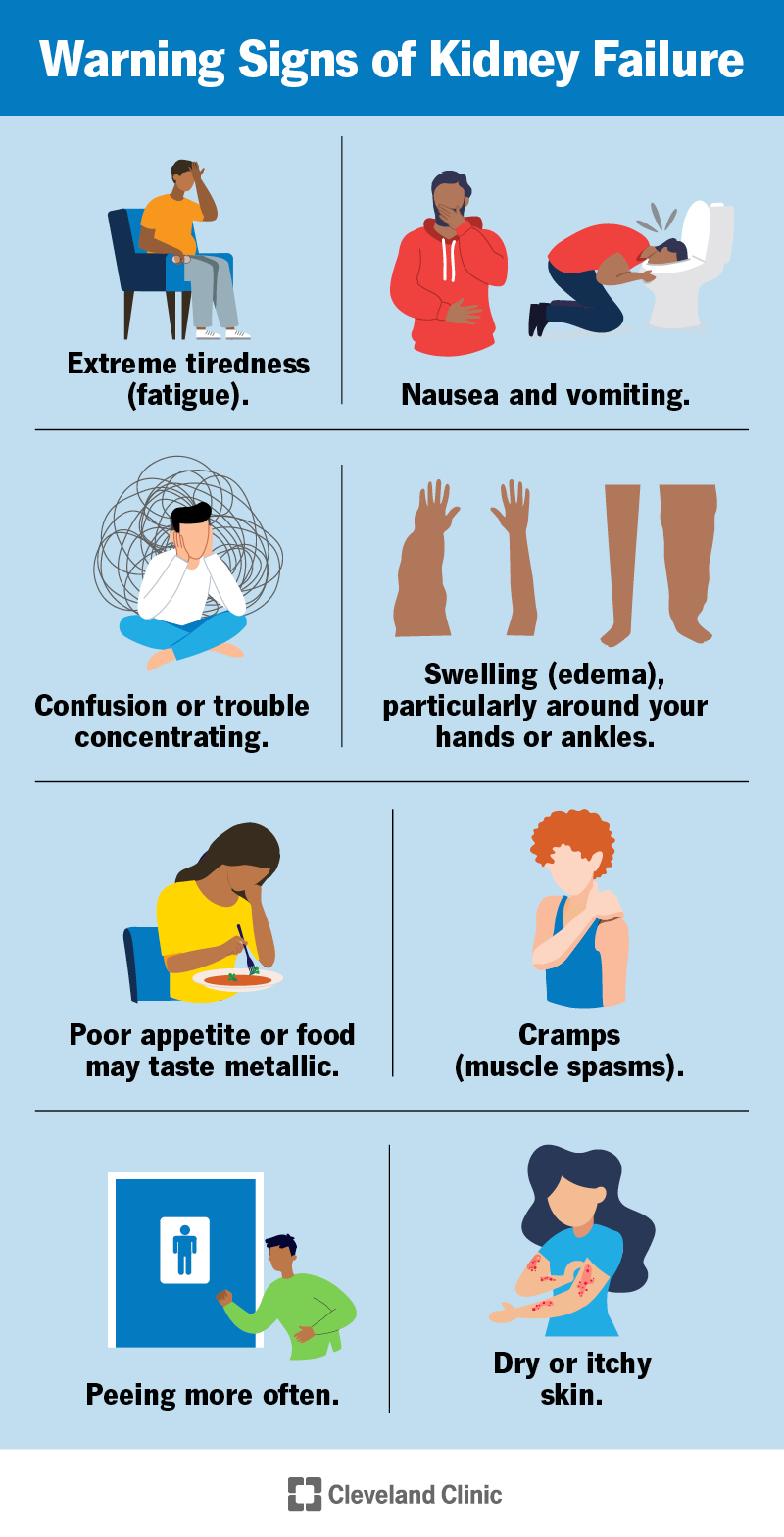
Heart disease and kidney disease often go hand in hand. The two conditions share many risk factors, such as diabetes, high blood pressure, and obesity. Heart disease can reduce blood flow to the kidneys, impairing their function and increasing the risk of acute renal failure. Taking steps to maintain a healthy heart can also help protect your kidneys.
Liver disease
The liver plays a crucial role in processing waste products from your blood. If you have liver disease, it can impair the liver’s ability to perform this function effectively, leading to an accumulation of toxins in your body. These toxins can cause kidney damage and increase the risk of acute renal failure. It’s important to address liver disease promptly and work with your healthcare provider to manage it effectively.
Autoimmune diseases
Certain autoimmune diseases, such as lupus and vasculitis, can affect various organs in your body, including your kidneys. When the immune system mistakenly attacks healthy tissues, it can lead to inflammation and damage in the kidneys. This damage can increase the risk of acute renal failure. If you have an autoimmune disease, it’s essential to work closely with your healthcare provider to manage it effectively and protect your kidney health.
Infections
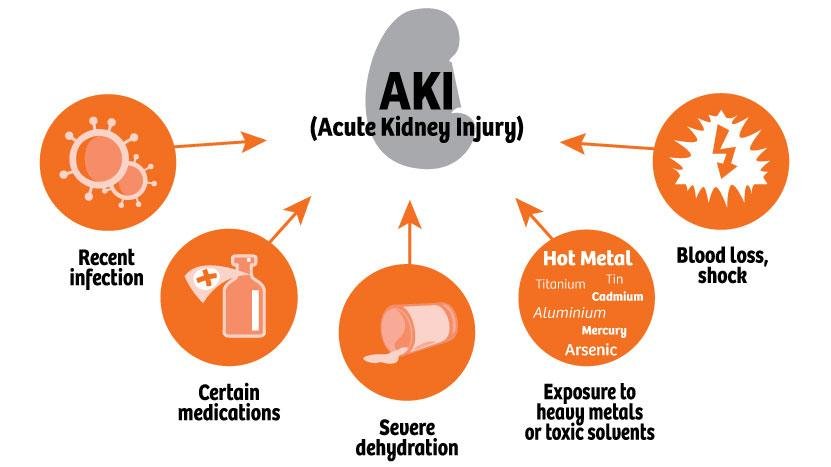
Infections, particularly severe ones, can cause damage to your kidneys and increase the risk of acute renal failure. Kidney infections, in particular, can directly affect kidney function and lead to kidney damage. It’s important to take precautions to prevent infections and seek prompt treatment if you develop an infection. Keeping your immune system strong through a healthy lifestyle can also help reduce your risk.

Dehydration
Dehydration occurs when your body loses more fluid than it takes in. This can happen due to inadequate fluid intake, excessive sweating, vomiting, or diarrhea. When you’re dehydrated, it puts a strain on your kidneys and can impair their ability to function properly. Chronic dehydration can increase your risk of developing acute renal failure. It’s important to stay well-hydrated by drinking enough fluids throughout the day and especially during periods of increased physical activity or illness.
Certain medications
Certain medications, including some antibiotics, nonsteroidal anti-inflammatory drugs (NSAIDs), and certain heart medications, can cause kidney damage and increase the risk of acute renal failure. It’s essential to always take medications as prescribed and discuss any concerns or potential side effects with your healthcare provider. They can help determine the best course of action and prescribe alternative medications if needed.
Regular medical check-ups
Regular medical check-ups are essential for monitoring your overall health, including your kidney function. By scheduling regular appointments with your healthcare provider, they can check for any signs of kidney damage or dysfunction and take prompt action if necessary. Regular check-ups also provide an opportunity to discuss any concerns or risk factors you may have for acute renal failure. Early detection and intervention can make a significant difference in managing and preventing this condition.
In conclusion, several risk factors can increase your chances of developing acute renal failure. While some risk factors, such as age and chronic kidney disease, may be beyond your control, many others can be managed and reduced through lifestyle changes, proper management of underlying conditions, and regular medical check-ups. By understanding these risk factors and taking steps to protect your kidney health, you can reduce your risk and promote overall well-being. Remember to consult with your healthcare provider for personalized advice and guidance on how to best protect your kidneys.