
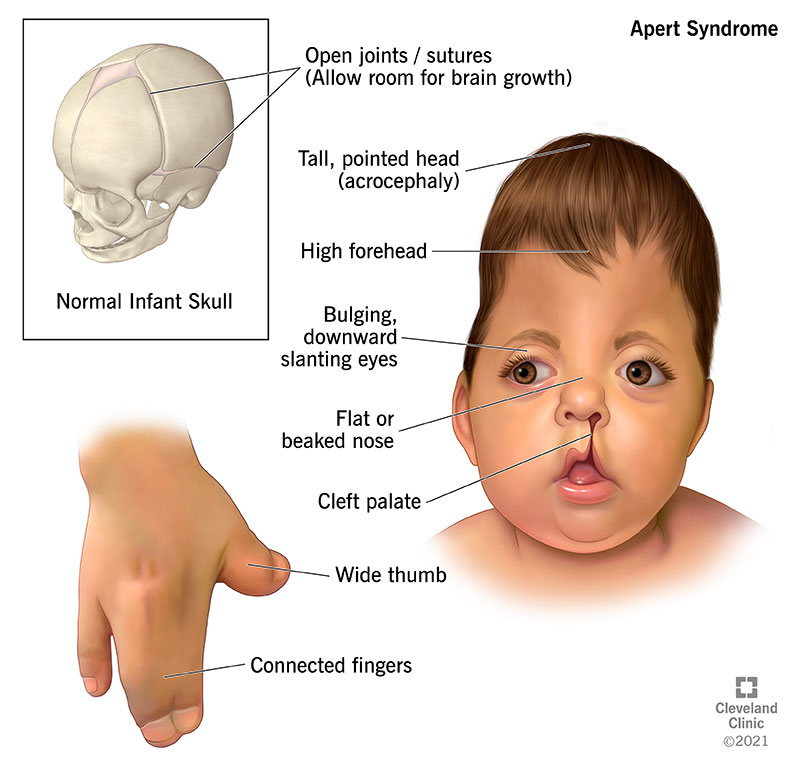
Apert Syndrome is a rare genetic disorder that affects the development of the skull, face, hands, and feet. This article aims to provide an overview of the risk factors associated with Apert Syndrome and highlight the precautions that can be taken to manage its impact. By understanding the factors that contribute to the development of this condition and implementing appropriate measures, individuals and families affected by Apert Syndrome can navigate its challenges with greater confidence and well-being.
Risk Factors for Apert Syndrome
Apert Syndrome is a rare genetic disorder that affects the development of the skull and face. It is caused by a mutation in the FGFR2 gene, and it is typically inherited in an autosomal dominant pattern. While the exact cause of Apert Syndrome is still unknown, researchers have identified several risk factors that may increase the chances of a child developing the condition. By understanding these risk factors, individuals and families can take precautions to reduce the risk of Apert Syndrome and ensure the best possible outcomes for their children.
Genetics
One of the primary risk factors for Apert Syndrome is genetics. The condition is caused by a mutation in the FGFR2 gene. This gene provides instructions for making a protein that is involved in the development and maintenance of bones and other tissues. When there is a mutation in this gene, it can disrupt normal development, leading to the characteristic features of Apert Syndrome.
In addition to the specific mutation in the FGFR2 gene, Apert Syndrome is also inherited in an autosomal dominant pattern. This means that if one parent carries the mutated gene, there is a 50 percent chance that the child will inherit the condition. However, it’s important to note that the majority of cases of Apert Syndrome occur spontaneously and are not inherited from a parent.
Advanced Parental Age
Another risk factor for Apert Syndrome is advanced parental age. Studies have shown that the risk of having a child with Apert Syndrome increases with both older fathers and older mothers. While the exact reasons for this association are not yet fully understood, it is believed to be related to the increased likelihood of genetic mutations occurring in the sperm and egg as individuals age.
For older fathers, the risk of having a child with Apert Syndrome may be due to the increased likelihood of genetic mutations occurring in sperm cells. On the other hand, older mothers may have a higher risk due to multiple factors, including the age-related decline in the quality of their eggs and an increased risk of miscarriage.
Family History
Having a family history of Apert Syndrome or similar genetic disorders also increases the risk of a child developing the condition. If a parent or close relative has been diagnosed with Apert Syndrome, it suggests that there may be a genetic predisposition within the family. Additionally, individuals with a family history of similar genetic disorders, such as Crouzon Syndrome or Pfeiffer Syndrome, may have an increased risk of having a child with Apert Syndrome.
It is important for individuals with a family history of Apert Syndrome or related syndromes to consult with a genetic counselor. A genetic counselor can provide further information about the risk factors and discuss the available options for future pregnancies.
Environmental Factors
While genetics plays a significant role in the development of Apert Syndrome, environmental factors may also contribute to its occurrence. Maternal exposure to certain medications during pregnancy has been identified as a potential risk factor. It is crucial for expectant mothers to consult with their healthcare providers and carefully evaluate the safety of any medications they are taking.
Furthermore, exposure to smoke or toxins during pregnancy can also increase the risk of Apert Syndrome. Pregnant women should avoid smoking and limit their exposure to secondhand smoke. It is also important to minimize exposure to environmental toxins, such as chemicals and pollutants, as much as possible during pregnancy.

Precautions to Reduce the Risk of Apert Syndrome
While it may not be possible to completely eliminate the risk of Apert Syndrome, there are precautions that individuals and families can take to reduce the likelihood of having a child with the condition. By being proactive and taking steps to minimize potential risk factors, individuals can increase the chances of a healthier outcome for their child.
Genetic Counseling
Genetic counseling is an essential step for individuals and couples who have a family history of Apert Syndrome or are concerned about the risk of passing on the condition to their children. A genetic counselor can provide a comprehensive evaluation of the family’s medical history and offer guidance regarding the risks and options for future pregnancies.
During a genetic counseling session, the counselor will discuss the specific risk factors and potential recurrence rates based on the family’s medical history. They can also recommend appropriate genetic testing options, if necessary, to further assess the risk of Apert Syndrome.
Prenatal Screening
Prenatal screening plays a crucial role in identifying potential genetic disorders and birth defects, including Apert Syndrome. There are several types of prenatal screening available to detect abnormalities during pregnancy.
Ultrasound examinations are a common method used to evaluate fetal development and identify any physical abnormalities, including those associated with Apert Syndrome. Additionally, amniocentesis and chorionic villus sampling can be performed to obtain a sample of fetal cells for genetic analysis.
In addition to screening specifically for Apert Syndrome, it is also important to screen for other genetic disorders, especially if there is a family history or other factors that may increase the risk.
Avoidance of Teratogenic Substances
Teratogenic substances are substances that can cause birth defects or fetal abnormalities. To reduce the risk of Apert Syndrome and other developmental disorders, it is crucial for expectant mothers to avoid exposure to teratogenic substances.
Smoking, both active and passive, has been linked to an increased risk of Apert Syndrome. Therefore, it is vital for pregnant women to stop smoking and avoid secondhand smoke. Additionally, alcohol and illicit drugs should be avoided during pregnancy, as they can also pose significant risks to the developing fetus.
Pregnant women should also exercise caution when using prescription medications. It is important to consult with a healthcare provider before taking any medications to ensure they are safe during pregnancy. Additionally, expectant mothers should be mindful of their exposure to environmental toxins and take steps to minimize their contact with chemicals and pollutants.
Maintaining a Healthy Lifestyle
Maintaining a healthy lifestyle during pregnancy is crucial for the overall well-being of both the mother and the baby. While it may not directly reduce the risk of Apert Syndrome, a healthy lifestyle can contribute to a healthier pregnancy and potentially enhance the child’s development.
Good prenatal care, including regular check-ups and monitoring, is key to ensuring a healthy pregnancy. It allows healthcare providers to identify and address any potential issues early on. A balanced diet, rich in essential nutrients and vitamins, is also important for the proper development of the baby. Regular exercise, with the guidance of a healthcare provider, can help promote overall health and reduce the risk of complications during pregnancy.
Appropriate weight management is another crucial aspect of a healthy pregnancy. Maintaining a healthy weight can help reduce the risk of complications and ensure optimal fetal development. Lastly, managing stress during pregnancy is vital for both the mother and the baby. Stress can have a significant impact on pregnancy outcomes, and finding healthy ways to cope with stress can contribute to a smoother pregnancy journey.
In conclusion, while the risk factors for Apert Syndrome are not completely understood, there are key factors that have been identified. Understanding these risk factors, such as genetics, advanced parental age, family history, and environmental factors, can help individuals and families evaluate the potential risks and take necessary precautions. Genetic counseling, prenatal screening, avoidance of teratogenic substances, and maintaining a healthy lifestyle are all crucial steps in reducing the risk of Apert Syndrome and ensuring the best possible outcomes for both the mother and the baby.
