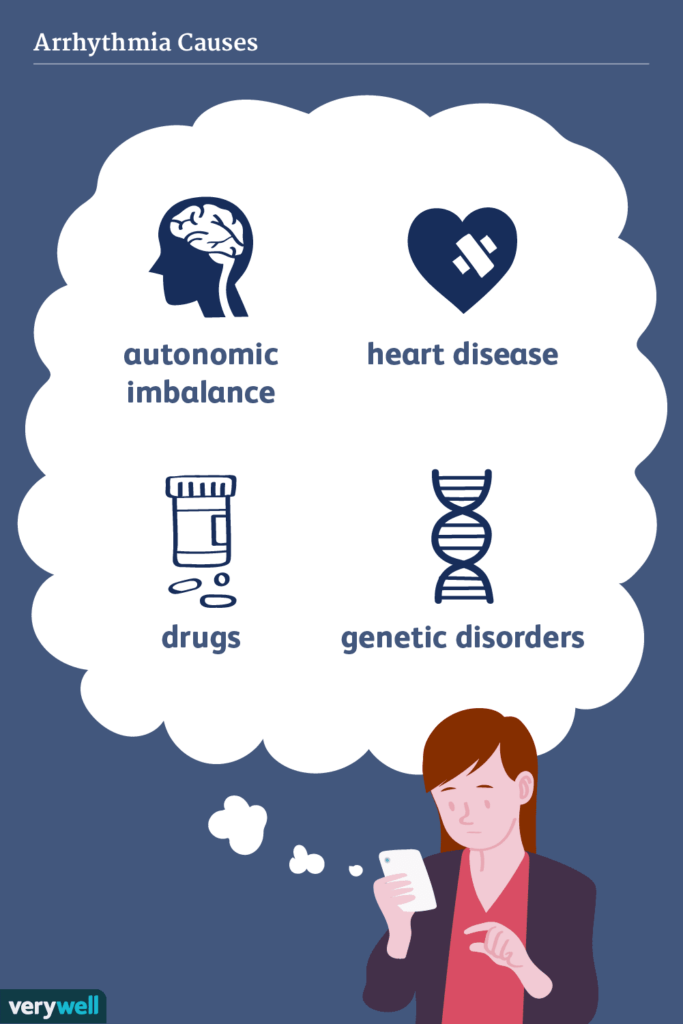
Arrhythmia is a common heart condition that affects millions of people worldwide. In this article, we will explore the various risk factors that can contribute to the development of arrhythmia, as well as the precautions that can be taken to minimize its impact on your health. By understanding these factors and implementing preventive measures, you can proactively manage your heart health and reduce the chances of experiencing arrhythmia-related complications. So let’s delve into the world of arrhythmia and empower ourselves with the knowledge to protect our hearts.

What is Arrhythmia?
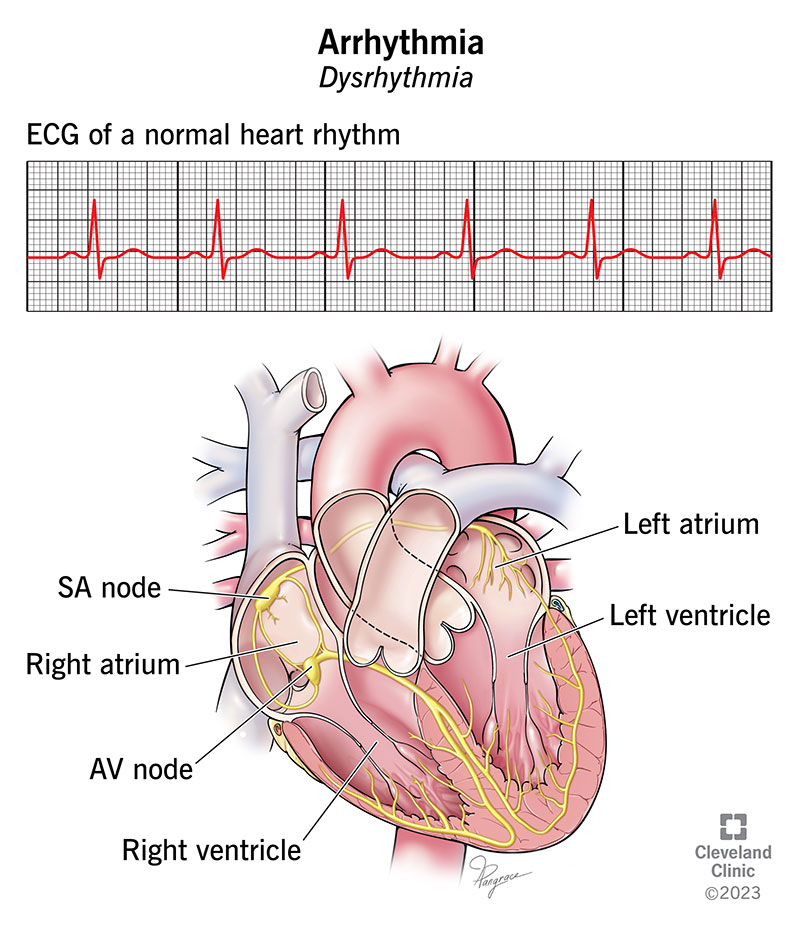
Arrhythmia is a condition characterized by an irregular heartbeat. It occurs when the electrical impulses that control the heart’s rhythm do not work properly. As a result, the heart may beat too fast, too slow, or in an irregular pattern. This can disrupt the normal flow of blood and oxygen to the body, leading to various health complications.
Definition
Arrhythmia refers to any abnormality in the rhythm or rate of the heartbeat. It can manifest in different ways, such as premature contractions, skipped beats, or an irregular heartbeat. These irregularities can occur in the atria (upper chambers) or ventricles (lower chambers) of the heart.
Types of Arrhythmia
There are several types of arrhythmia, each with its own characteristics and potential health risks. Common types include:
-
Atrial Fibrillation: This is the most prevalent type of arrhythmia and is characterized by rapid and chaotic contractions of the atria. It increases the risk of blood clots and can lead to stroke or heart failure.
-
Bradycardia: This refers to an abnormally slow heartbeat, usually below 60 beats per minute. It can cause fatigue, dizziness, and fainting spells.
-
Tachycardia: Tachycardia is a condition where the heart beats too fast, typically above 100 beats per minute. It can be further classified into supraventricular tachycardia (SVT) or ventricular tachycardia (VT).
-
Ventricular Fibrillation: This is a life-threatening arrhythmia where the ventricles flutter or quiver, preventing them from pumping blood effectively. Immediate medical attention is required.
It is essential to identify the specific type of arrhythmia in order to determine the appropriate treatment and management strategies.
Risk Factors for Arrhythmia
While arrhythmia can affect anyone, certain factors increase the likelihood of developing this condition. By recognizing these risk factors, appropriate precautions can be taken to reduce the chances of experiencing arrhythmia.
Age
Advancing age is a significant risk factor for arrhythmia. As we get older, the electrical system of the heart may become less efficient, increasing the likelihood of irregular heartbeats. It is essential to prioritize regular health check-ups, especially as we age, to monitor heart health.
Heart Disease
People with existing heart conditions, such as coronary artery disease, heart valve problems, or a history of heart attacks, are more prone to developing arrhythmia. These conditions can interfere with the heart’s electrical system and disrupt its normal rhythm.
High Blood Pressure
High blood pressure, or hypertension, is a risk factor for various cardiovascular conditions, including arrhythmia. The increased pressure in the arteries can strain the heart and disrupt its electrical signals, leading to irregular heart rhythms.
Family History
A family history of arrhythmia or other heart-related conditions can increase the risk of developing arrhythmia. Genetic factors can play a role in how the heart’s electrical system functions, making some individuals more susceptible to irregular heart rhythms.
Obesity
Obesity is closely linked to heart disease and can significantly increase the risk of developing arrhythmia. Excess weight puts additional strain on the heart, leading to imbalances in the electrical system and an increased risk of irregular heartbeats.
Diabetes
People with diabetes are more likely to develop heart problems, including arrhythmia. High blood sugar levels can damage the blood vessels and nerves that control the heart’s electrical impulses, increasing the risk of irregular heart rhythms.
Smoking
Smoking is a well-known risk factor for various cardiovascular diseases, including arrhythmia. The chemicals in cigarettes can damage the heart and blood vessels, interfering with the heart’s electrical signals and increasing the risk of irregular heart rhythms.
Alcohol and Drug Use
Excessive alcohol consumption and drug use, including certain recreational substances, can disrupt the heart’s electrical system and trigger arrhythmias. It is crucial to consume alcohol in moderation and avoid illicit drug use to protect heart health.
Stress and Anxiety
Prolonged periods of stress, anxiety, or emotional distress can have a negative impact on heart health. These psychological factors can activate the body’s stress response, leading to imbalances in the heart’s electrical activity and an increased risk of arrhythmia.
Stimulants
Certain stimulants, such as caffeine and energy drinks, can temporarily increase heart rate and trigger arrhythmias in susceptible individuals. It is important to be mindful of personal tolerance to these substances and consume them in moderation.
By being aware of these risk factors, individuals can take proactive measures to reduce their likelihood of developing arrhythmia.

Precautions for Arrhythmia
While some risk factors for arrhythmia cannot be controlled, such as age or family history, there are several precautions individuals can take to reduce their risk or manage the condition effectively.
Maintaining a Healthy Lifestyle
Adopting a healthy lifestyle is crucial for preventing and managing arrhythmia. This includes regular physical activity, a balanced diet, adequate rest, and maintaining a healthy weight. By prioritizing these lifestyle choices, the overall cardiovascular health improves, reducing the risk of arrhythmia.
Regular Exercise
Engaging in regular exercise is beneficial for heart health and can help maintain a regular heartbeat. Moderate-intensity activities, such as brisk walking, swimming, or cycling, for at least 150 minutes per week, can promote cardiovascular fitness and reduce the risk of arrhythmia.
Healthy Diet
A well-balanced diet low in saturated fats, cholesterol, and sodium is important for preventing arrhythmia and managing existing conditions. Incorporating plenty of fruits, vegetables, whole grains, lean proteins, and healthy fats into daily meals can support a healthy cardiovascular system.
Managing Stress
Implementing stress management techniques, such as deep breathing exercises, meditation, yoga, or engaging in hobbies, can help reduce stress levels and minimize the risk of arrhythmia. Finding healthy outlets for stress is essential for overall wellness and heart health.
Avoiding Alcohol and Drugs
Limiting alcohol consumption and avoiding illicit drug use is crucial for preventing arrhythmia. Alcohol can disrupt the heart’s electrical system, while drug use can have detrimental effects on cardiovascular health, increasing the risk of irregular heart rhythms.
Quitting Smoking
Smoking is a major risk factor for arrhythmia and other cardiovascular diseases. Quitting smoking can significantly reduce the risk of developing arrhythmia and provide numerous other health benefits. Seeking professional help and support can greatly increase the chances of successfully quitting.
Monitoring Blood Pressure
Regularly monitoring blood pressure levels is important for individuals at risk of arrhythmia. High blood pressure can strain the heart and predispose individuals to irregular heart rhythms. Lifestyle modifications, such as a healthy diet and regular exercise, can help maintain healthy blood pressure levels.
Controlling Diabetes
If diagnosed with diabetes, it is crucial to manage blood sugar levels effectively. This involves adhering to a diabetic meal plan, taking prescribed medications, and monitoring blood glucose levels regularly. Well-controlled diabetes reduces the risk of heart-related complications, including arrhythmia.
Taking Prescription Medications
For individuals with underlying heart conditions or arrhythmia, following the prescribed medications is essential. These medications help regulate the heart’s electrical activity and reduce the risk of irregular heart rhythms. It is important to consult a healthcare provider regarding proper medication usage and potential side effects.
Follow-up Care with Healthcare Provider
Regular follow-up appointments with a healthcare provider are crucial for individuals with arrhythmia. These appointments allow for monitoring of heart health, adjustments in treatment plans if necessary, and identification of any potential complications. Open communication and adherence to medical advice are vital for managing arrhythmia effectively.
By adopting these precautions, individuals can significantly reduce their risk of developing arrhythmia or effectively manage the condition if already diagnosed.
Diagnosing Arrhythmia
Receiving a proper diagnosis for arrhythmia is crucial for determining the most appropriate treatment and management strategies. A healthcare provider will employ various diagnostic tools and techniques to assess heart rhythm abnormalities.
Consulting a Healthcare Provider
If the person experiences symptoms such as palpitations, dizziness, chest discomfort, or shortness of breath, it is important to consult a healthcare provider. They will conduct a thorough evaluation and assessment to determine if arrhythmia is present.
Medical History and Physical Examination
The healthcare provider will gather a comprehensive medical history, including personal and family history of heart conditions, medications, symptoms experienced, and lifestyle factors. They will also perform a physical examination, listening for any abnormal heart sounds or irregular rhythms.
Electrocardiogram (ECG)
An electrocardiogram (ECG) is a non-invasive test that records the heart’s electrical activity. It involves placing electrodes on the chest, arms, and legs to measure the electrical impulses produced by the heart. This test helps detect abnormal rhythms, the type of arrhythmia, and the location of the problem within the heart.
Holter Monitoring
Holter monitoring involves wearing a portable ECG device for a specific period, usually 24 to 48 hours. This allows for continuous recording of the heart’s electrical activity during daily activities, helping to capture any irregular heart rhythms that may occur sporadically.
Event Recorder
An event recorder is a small, portable device that the person can activate when experiencing symptoms. It is typically worn for a more extended period, ranging from days to several weeks. When symptoms occur, the person activates the device to record the heart’s electrical activity, aiding in diagnosis.
Echocardiogram
An echocardiogram uses sound waves to create detailed images of the heart’s structure and function. It helps identify any structural abnormalities, such as enlarged chambers or valve problems, that may contribute to arrhythmia.
Cardiac Stress Test
A cardiac stress test evaluates how the heart performs during physical exertion. The person exercises on a treadmill while connected to an ECG machine. This test can help identify arrhythmias that only occur during exercise and assess cardiovascular fitness.
Electrophysiology Study (EPS)
An electrophysiology study involves inserting catheters into blood vessels and threading them to the heart. This test is performed under a local anesthetic and helps identify the specific location of the arrhythmia, its cause, and the most effective treatment options.
Implantable Loop Recorder
An implantable loop recorder is a small device that is placed under the skin near the chest. It continuously monitors the heart’s electrical activity and records any abnormal rhythms that occur over an extended period. This device is particularly useful for detecting infrequent arrhythmias.
Cardiac MRI
A cardiac MRI uses magnetic fields and radio waves to create detailed images of the heart’s structure and function. It provides a comprehensive view of the heart, allowing healthcare professionals to assess any abnormalities or damage that may contribute to arrhythmia.
By utilizing these diagnostic tools, healthcare providers can accurately diagnose arrhythmia and determine the most appropriate course of treatment.
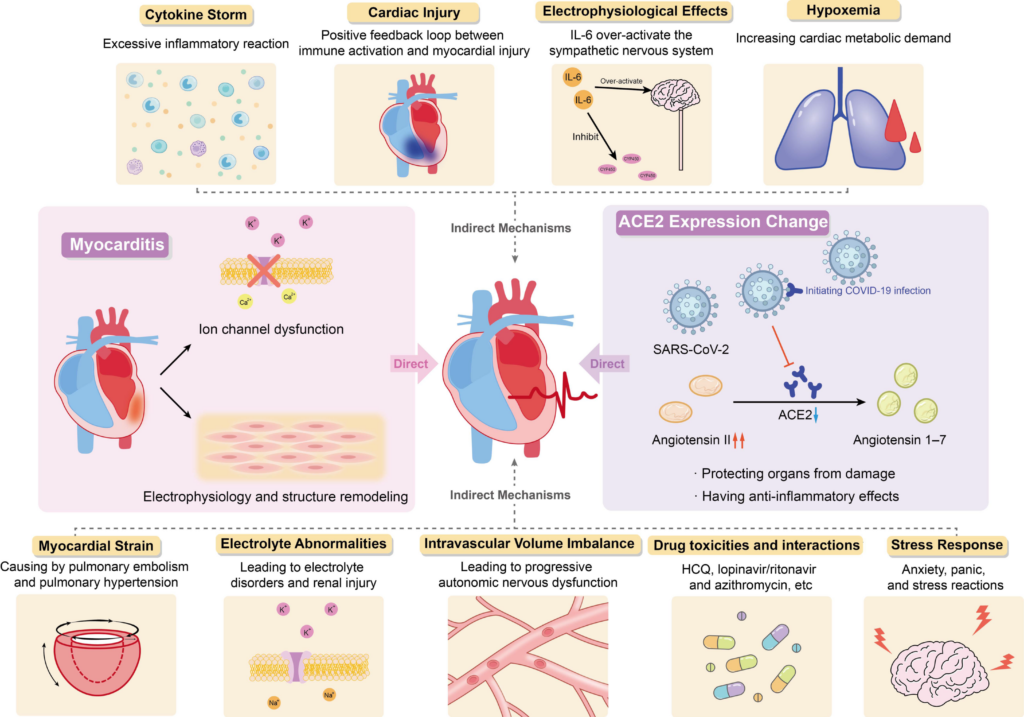
Treatment Options for Arrhythmia
Treatment options for arrhythmia vary depending on the specific type and severity of the condition. The primary goals of treatment are to restore and maintain a normal heart rhythm, prevent complications, and improve overall quality of life.
Lifestyle Changes
In some cases, incorporating lifestyle changes alone may be sufficient to manage arrhythmia. This includes adopting a heart-healthy diet, engaging in regular physical activity, maintaining a healthy weight, managing stress levels, and avoiding triggers such as excessive alcohol or caffeine consumption.
Medications
Medications may be prescribed to help regulate the heart’s electrical impulses and restore a normal heart rhythm. Antiarrhythmic medications, beta-blockers, calcium channel blockers, and blood thinners are commonly used to treat arrhythmia. The choice of medication will depend on the specific type of arrhythmia and individual patient characteristics.
Electrophysiology Procedures
Electrophysiology procedures, such as radiofrequency ablation, can be performed to correct specific types of arrhythmias. This procedure uses heat or cold energy to destroy the abnormal heart tissue responsible for the irregular electrical impulses. It is particularly effective for certain supraventricular arrhythmias.
Cardioversion
Cardioversion is a procedure that delivers a controlled electric shock to the heart to restore a normal heartbeat. It is commonly used for atrial fibrillation or atrial flutter. The shock is delivered under sedation or general anesthesia, and the heart’s electrical activity is monitored before and after the procedure.
Implantable Devices
Implantable devices, such as pacemakers or implantable cardioverter-defibrillators (ICDs), may be recommended for individuals with certain types of arrhythmias. Pacemakers help regulate the heartbeat and ensure that it remains at a regular rate, while ICDs detect and treat life-threatening arrhythmias by delivering a shock to restore a normal rhythm.
Catheter Ablation
Catheter ablation is a procedure that selectively destroys small areas of heart tissue responsible for causing arrhythmias. It is performed by threading a catheter through blood vessels to the heart and delivering energy to destroy the abnormal tissue. Catheter ablation is an effective treatment option for certain types of arrhythmias, such as atrial fibrillation and ventricular tachycardia.
Maze Procedure
The Maze procedure is a surgical treatment option for atrial fibrillation that aims to restore a normal heart rhythm. It involves creating a series of precise incisions in the atria to redirect the electrical impulses and prevent abnormal rhythms from occurring. This procedure is usually performed during open-heart surgery.
By considering these treatment options, healthcare professionals can effectively manage and control arrhythmia, improving patient outcomes and quality of life.
Complications of Untreated Arrhythmia
If left untreated, arrhythmia can lead to severe complications that can be life-threatening. It is crucial to recognize and address these potential risks to ensure timely intervention and prevent further damage to the heart and overall health.
Stroke
Certain types of arrhythmias, such as atrial fibrillation, can increase the risk of blood clots forming in the heart. If these blood clots travel to the brain, they can cause a stroke, which can result in significant disability or even death. Treating the underlying arrhythmia can help reduce the risk of stroke.
Heart Failure
Arrhythmias can disrupt the heart’s ability to pump effectively, leading to heart failure. Heart failure occurs when the heart fails to supply the body with enough oxygen and nutrients. Managing arrhythmias promptly can help prevent or control heart failure and its associated complications.
Cardiac Arrest
In some cases, arrhythmias can progress to a life-threatening condition called cardiac arrest. Cardiac arrest occurs when the heart suddenly stops beating, preventing blood from circulating to vital organs. Immediate medical intervention, such as CPR and the use of automated external defibrillators (AEDs), is necessary to restore normal heart rhythm.
Sudden Cardiac Death
Sudden cardiac death is an unexpected loss of heart function due to an arrhythmia. It can occur in individuals without a previous diagnosis of heart disease. Prompt medical attention and appropriate treatment are vital for preventing sudden cardiac death in individuals at risk of arrhythmia.
Recognizing these potential complications emphasizes the importance of early diagnosis, proper treatment, and ongoing management to prevent adverse outcomes associated with untreated arrhythmia.
Living with Arrhythmia
Being diagnosed with arrhythmia can be concerning, but with proper management and lifestyle adjustments, individuals can lead fulfilling lives and minimize the impact of the condition on their overall well-being.
Educating Yourself
Understanding the nature of arrhythmia, its specific type, and the available treatment options is the first step in effectively managing the condition. Educate yourself about your diagnosis, ask questions to your healthcare provider, and seek reliable sources of information to empower yourself with knowledge.
Support Network
Building a support network of family, friends, and healthcare professionals is essential in navigating the challenges of living with arrhythmia. Share your concerns, seek emotional support, and rely on your network for encouragement and assistance when needed.
Good Communication with Healthcare Provider
Open and honest communication with your healthcare provider is essential for successful management of arrhythmia. Regular follow-up appointments, medication adjustments, and reporting any new symptoms or concerns help ensure adequate care and help prevent potential complications.
Managing Stress and Anxiety
Stress and anxiety can exacerbate arrhythmias, so finding healthy coping mechanisms is important. Engaging in relaxation techniques, pursuing hobbies, practicing mindfulness, and seeking professional help if necessary, can help manage stress levels and minimize their impact on heart health.
Follow-up Care
Consistent follow-up care with your healthcare provider is crucial in monitoring the progression and management of arrhythmia. Adhering to scheduled appointments and any prescribed monitoring, such as wearing a Holter monitor when instructed, helps ensure prompt detection of any changes or complications.
Maintaining a Healthy Lifestyle
Adopting and maintaining a healthy lifestyle is vital for managing arrhythmia. This includes following a heart-healthy diet, engaging in regular physical activity, maintaining a healthy weight, avoiding tobacco and excessive alcohol consumption, and managing other comorbid conditions such as diabetes and high blood pressure.
Living with arrhythmia requires a proactive approach to self-care and ongoing collaboration with healthcare professionals for monitoring and management. By taking control of your health and implementing necessary lifestyle adjustments, you can lead a fulfilling life despite having arrhythmia.
Conclusion
Arrhythmia is a common heart condition characterized by irregular heartbeats. It can manifest in various ways and poses risks such as stroke, heart failure, cardiac arrest, and sudden cardiac death if left untreated. However, by understanding the risk factors associated with arrhythmia and taking appropriate precautions, individuals can significantly reduce their chances of developing the condition.
Making lifestyle changes, managing underlying health conditions, and adhering to prescribed medications promote heart health and decrease the risk of arrhythmia. Prompt consultation with a healthcare provider when experiencing symptoms is crucial for timely diagnosis and treatment.
Various diagnostic tools help healthcare professionals identify arrhythmias and develop tailored treatment plans. Lifestyle modifications, medications, electrophysiology procedures, implantable devices, and surgical interventions are among the treatment options available.
Neglecting arrhythmia can lead to severe complications, including stroke, heart failure, cardiac arrest, and sudden cardiac death. Timely intervention is essential to prevent adverse outcomes and protect overall health.
Living with arrhythmia requires education, a good support network, effective communication with healthcare providers, stress management techniques, regular follow-up care, and maintaining a healthy lifestyle. By actively managing the condition and making necessary adjustments, individuals with arrhythmia can lead fulfilling lives and minimize the impact of the condition on their overall well-being.