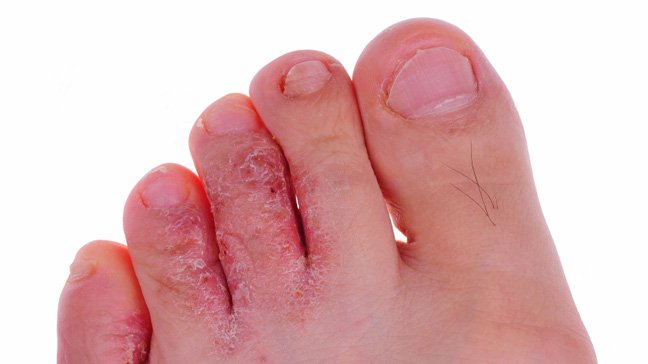
Athlete’s foot, a common fungal infection that affects the feet, can cause discomfort and inconvenience. It is important to understand the risk factors associated with this condition and take necessary precautions to prevent it. This article provides valuable information on the risk factors for athlete’s foot and suggests practical measures you can take to protect yourself from this bothersome condition. Read on to discover how you can keep your feet healthy and free from athlete’s foot.

Risk Factors for Athlete’s Foot
Athlete’s foot is a common condition caused by a fungal infection. While anyone can develop this condition, there are certain risk factors that can increase your chances of contracting athlete’s foot. By understanding these risk factors, you can take necessary precautions to minimize your risk and keep your feet healthy.
Public Places
One major risk factor for athlete’s foot is frequent exposure to public places such as gyms, swimming pools, and communal showers. These environments harbor warm and moist conditions that are ideal for the growth of the fungus responsible for athlete’s foot. When walking barefoot in these areas, you are more susceptible to coming into contact with the fungus, increasing your risk of infection. To minimize your risk, it is important to practice good foot hygiene and take preventive measures.
Warm and Moist Environment
Apart from public places, warm and moist environments in general pose a risk factor for athlete’s foot. Excessive sweating, especially in closed shoes or socks, can create the perfect breeding ground for the fungus. To prevent this, it is crucial to keep your feet clean and dry throughout the day. Taking regular breaks to air out your feet and changing your socks often can help maintain a dry environment and reduce the risk of infection.
Damaged Skin
Damaged skin is another risk factor for athlete’s foot. Any cuts, scrapes, or cracks in the skin provide an entry point for the fungus, making it easier for the infection to take hold. It’s important to take care of your feet and avoid activities that can cause damage to the skin, such as walking barefoot on rough surfaces or engaging in activities that put excessive pressure on the feet. If you notice any changes in your skin, it is crucial to address them promptly to prevent the risk of infection.
Sharing Personal Items
Although sharing is typically encouraged, sharing personal items can increase your risk of developing athlete’s foot. Items such as socks, shoes, towels, and even nail clippers can harbor fungal spores and contribute to the spread of the infection. To minimize your risk, it is crucial to avoid sharing personal items with others, particularly if they have a known infection. Instead, focus on maintaining good personal hygiene and using your own clean and dry items.
Weakened Immune System
Individuals with a weakened immune system are at a higher risk of developing athlete’s foot. Conditions such as diabetes, HIV/AIDS, or undergoing chemotherapy can compromise the immune system’s ability to fight off infections effectively. If you have a weakened immune system, it is crucial to take extra precautions to prevent athlete’s foot. This may include more frequent foot hygiene practices and regular consultations with your healthcare provider for early intervention.
Precautions to Prevent Athlete’s Foot
While the risk factors for athlete’s foot may seem daunting, there are several precautions you can take to protect yourself and keep your feet healthy. By incorporating these preventive measures into your daily routine, you can significantly reduce your risk of developing athlete’s foot.
Maintain Personal Hygiene
Maintaining good personal hygiene is essential in preventing athlete’s foot. This includes washing your feet thoroughly with soap and warm water every day. Be sure to clean in between your toes and dry them completely afterward. Avoid using excessively hot water, as this can strip away natural oils and cause dryness. Additionally, regularly trimming your toenails and keeping them clean can further help in preventing the infection.
Keep Feet Clean and Dry
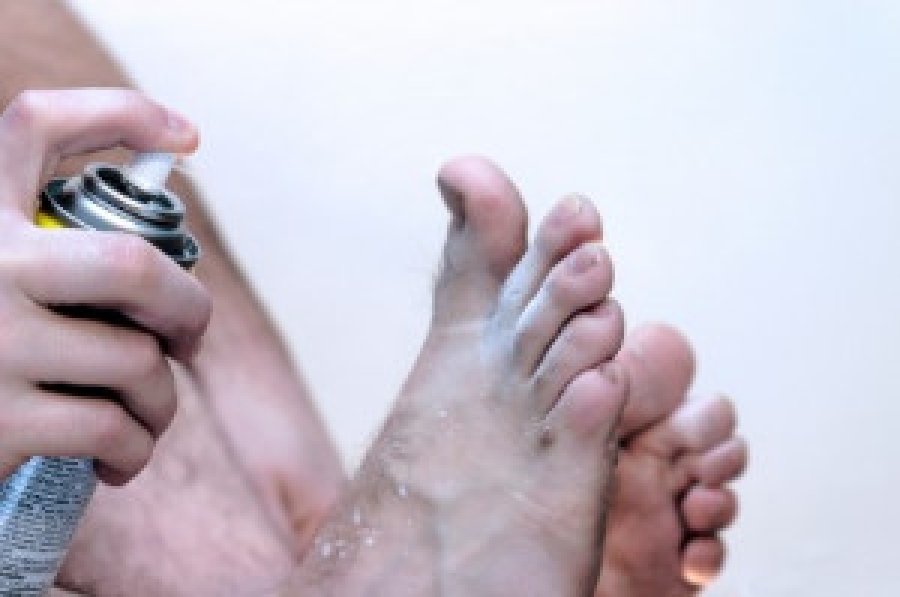
Keeping your feet clean and dry throughout the day is crucial in preventing athlete’s foot. After washing your feet, make sure to dry them thoroughly, especially between the toes. Moisture provides an ideal environment for the fungus to grow, so it’s important to eliminate any dampness. If you tend to have sweaty feet, consider using foot powders or antifungal sprays to help absorb moisture and keep your feet dry.
Wear Proper Footwear
Wearing appropriate footwear is an important precautionary measure against athlete’s foot. Opt for shoes made of breathable materials, such as leather or mesh, that allow air circulation to prevent excessive sweating and maintain a dry environment. Avoid tight, narrow shoes that can cause pressure and friction on the feet, leading to potential skin damage. Remember to choose the right size and style of shoes that provide adequate support and promote good foot health.
Avoid Walking Barefoot in Public Areas
To minimize your risk of athlete’s foot, it’s best to avoid walking barefoot in public areas whenever possible. This includes places like swimming pools, gyms, locker rooms, and communal showers. Instead, wear shower shoes, flip-flops, or other protective footwear to create a barrier between your feet and the potentially contaminated surfaces. By doing so, you can significantly reduce your chances of coming into direct contact with the fungus.
Use Antifungal Powders or Sprays
Antifungal powders or sprays can be useful in preventing athlete’s foot. These products help create an unfavorable environment for the fungus to thrive by reducing moisture and controlling fungal growth. When using antifungal powders or sprays, follow the instructions carefully and apply them to clean, dry feet. Pay particular attention to the areas between the toes and any other areas that are prone to excessive sweating.
Change Socks and Shoes Regularly
Regularly changing your socks and shoes is crucial in preventing both the development and spread of athlete’s foot. Moisture and fungal spores can accumulate in socks and shoes, making them a breeding ground for the infection. By changing them frequently, you can eliminate the potential source of the fungus and maintain a clean and dry environment for your feet. It is also important to allow your shoes to fully dry out before wearing them again.
Avoid Sharing Personal Items
To prevent the spread of athlete’s foot, it is important to avoid sharing personal items with others. This includes socks, shoes, towels, and any other items that come into contact with your feet. Sharing personal items can transfer the fungus from one person to another, increasing the risk of infection. By keeping your personal items to yourself, you can effectively reduce the chances of contracting athlete’s foot.
Avoid Direct Contact with Infected Individuals
Direct contact with individuals who have athlete’s foot can increase your risk of infection. If you are aware that someone has the condition, it is best to avoid direct contact with their skin, especially on the feet. This includes activities such as touching, rubbing, or using the same surfaces without proper protection. By practicing caution and maintaining a certain distance, you can minimize the risk of contracting athlete’s foot.
Protect Your Feet in Locker Rooms and Showers
Locker rooms and showers are common breeding grounds for athlete’s foot. To protect your feet in these environments, it is recommended to wear protective footwear, such as shower shoes or flip-flops. These items create a barrier between your feet and the potentially contaminated surfaces, reducing the risk of infection. Additionally, be sure to dry your feet thoroughly after showering or swimming before putting on socks and shoes.
Consult a Doctor when Experiencing Symptoms
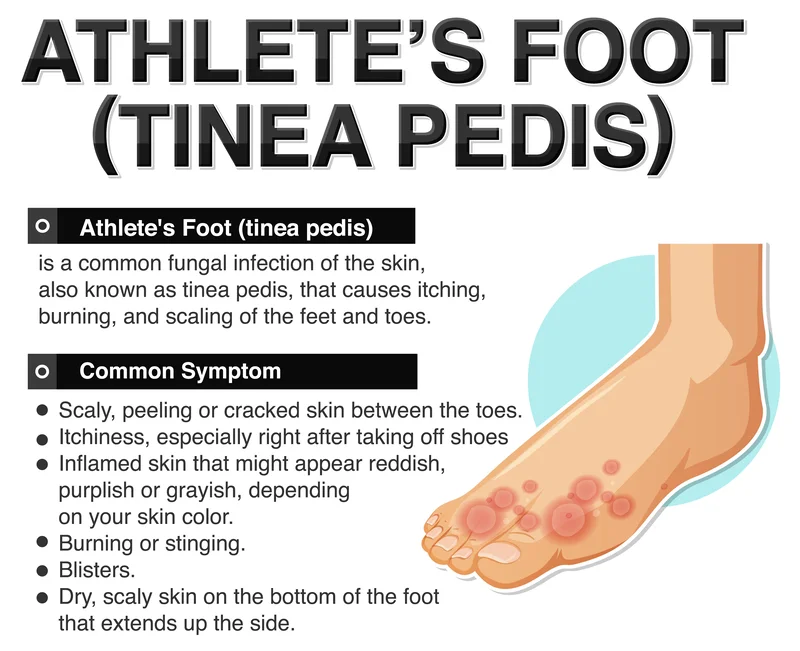
If you experience any symptoms of athlete’s foot, such as itching, burning, redness, or peeling skin, it is important to consult a doctor. A healthcare professional can properly diagnose the condition and recommend appropriate treatment options. Early intervention is crucial in preventing the infection from spreading and becoming more severe. By seeking medical attention promptly, you can receive the necessary treatment and avoid further complications.
Conclusion
Athlete’s foot is a common condition that can be easily prevented by taking simple precautions and practicing good foot hygiene. By understanding the risk factors and incorporating preventive measures into your routine, you can significantly reduce your chances of developing athlete’s foot. Remember to maintain personal hygiene, keep your feet clean and dry, wear proper footwear, avoid sharing personal items, and consult a doctor if you experience any symptoms. By prioritizing foot health and taking proactive steps, you can protect yourself and maintain healthy and happy feet.