
Are you considering undergoing bariatric surgery? It’s important to be aware of the potential risk factors and take necessary precautions to ensure a successful outcome. In this article, we will explore the various risk factors associated with bariatrics and discuss the precautions you should take before and after the surgery. By understanding these factors and taking necessary steps, you can minimize potential complications and achieve optimal results on your weight loss journey.
Risk Factors for Bariatrics
When considering bariatric surgery, there are several risk factors that need to be taken into account. These risk factors can greatly impact the success and safety of the procedure. It is important for both patients and healthcare professionals to be aware of these factors and to thoroughly evaluate each individual’s situation before proceeding with surgery.
Age
Age is one of the risk factors that can affect bariatric surgery outcomes. Surgery can be more challenging for older individuals due to the increased likelihood of other health complications and reduced physiological reserves. Additionally, elderly patients may experience slower recovery and a longer hospital stay after surgery. Therefore, a thorough risk assessment should be conducted for elderly patients to determine if they are suitable candidates for bariatric surgery.
Obesity Level
The level of obesity, as measured by Body Mass Index (BMI), is another important factor to consider when assessing the risk of bariatric surgery. Different classes of obesity have varying impacts on surgical risks. Individuals with higher BMI classifications may face higher risks during surgery, such as difficulties with anesthesia and a higher chance of postoperative complications. In some cases, weight loss may be required before surgery to reduce these risks and improve surgical outcomes.
Medical History
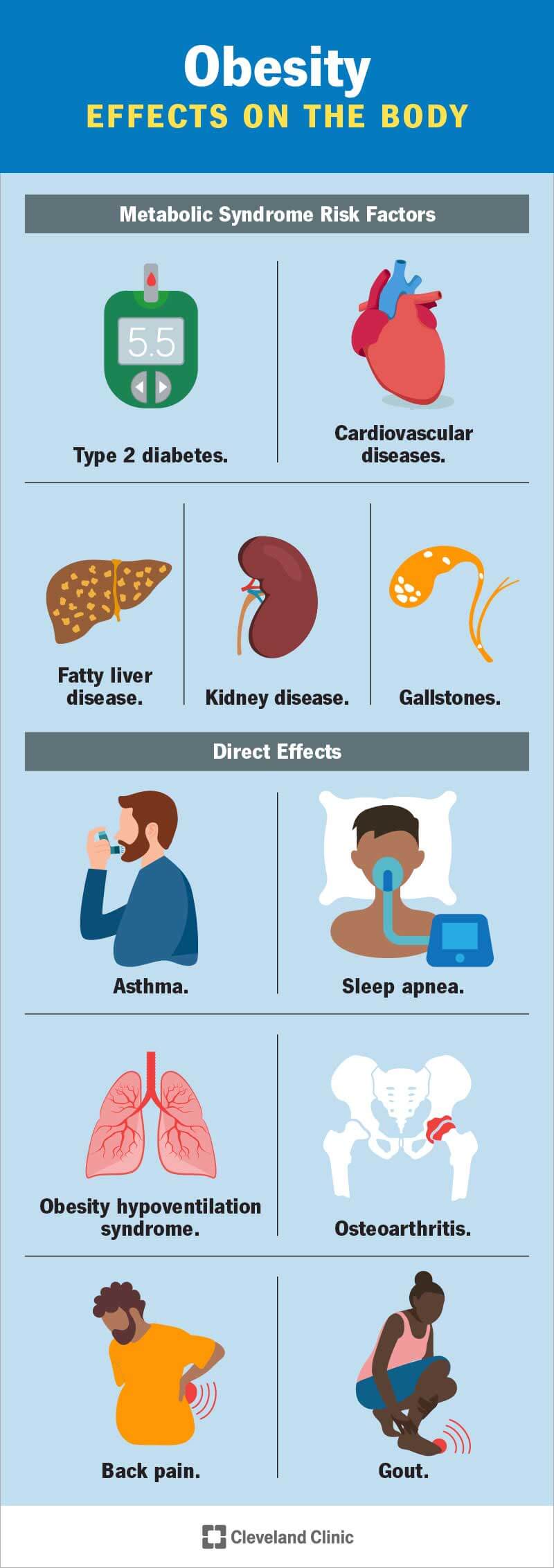
A patient’s medical history is crucial in determining their suitability for bariatric surgery. Certain medical conditions can significantly increase the risks associated with the procedure. Conditions such as diabetes, heart disease, hypertension, respiratory conditions, joint problems, gastrointestinal disorders, and kidney disease should be carefully evaluated before proceeding. These conditions can affect surgical outcomes and increase the likelihood of complications.
Mental Health
Mental health is another important aspect to consider when evaluating the risks of bariatric surgery. Patients with mental health disorders may experience unique challenges and considerations during the surgical process. Poor mental health can impact postoperative outcomes, affecting adherence to dietary and lifestyle changes. Therefore, a comprehensive preoperative psychological evaluation is essential to identify any underlying mental health issues and provide appropriate support and care throughout the entire bariatric journey.
Previous Weight Loss Attempts
The number and effectiveness of previous weight loss attempts can also impact the success of bariatric surgery. Patients who have tried and failed multiple weight loss methods may require additional support and guidance. It is important to evaluate the patient’s commitment and motivation towards making lasting lifestyle changes. Understanding the patient’s previous weight loss attempts and their underlying reasons for seeking bariatric surgery can help healthcare professionals develop an effective individualized treatment plan.
Precautions for Bariatrics
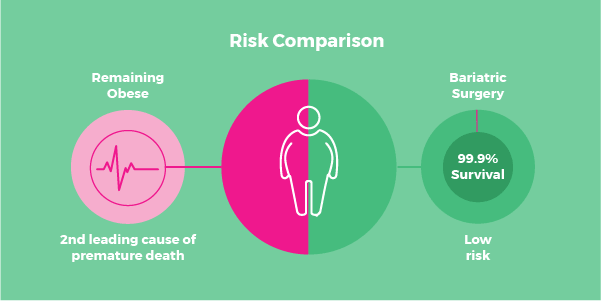
In addition to identifying and addressing risk factors, precautions can be taken to ensure the safety and success of bariatric surgery. These precautions involve patient education, a multidisciplinary team approach, comprehensive preoperative evaluation, careful selection of the surgical procedure, and postoperative support and monitoring.
Patient Education and Counseling
Patient education and counseling play an integral role in the success of bariatric surgery. Patients need to thoroughly understand the benefits and risks associated with the procedure before making an informed decision. They should be educated about the necessary lifestyle changes, dietary modifications, and the expected outcomes of the surgery. Additionally, patient expectations should be assessed to ensure realistic goals and outcomes.
Multidisciplinary Team Approach
A multidisciplinary team approach is crucial in providing comprehensive care to bariatric surgery patients. This approach involves collaboration between various healthcare professionals, including surgeons, dietitians, psychologists, and other specialists. Each healthcare professional contributes their expertise to develop a personalized treatment plan that addresses the individual needs and concerns of the patient.
Comprehensive Preoperative Evaluation
A comprehensive preoperative evaluation is essential to identify any potential risks or contraindications for bariatric surgery. This evaluation should include a thorough assessment of the patient’s medical history, physical examination, and diagnostic tests. It helps healthcare professionals determine the most suitable surgical procedure and set realistic goals for the patient.
Careful Selection of Surgical Procedure
The selection of the appropriate surgical procedure is crucial for achieving optimal outcomes in bariatric surgery. Different procedures, such as gastric bypass, gastric sleeve, and gastric banding, have varying risks and benefits. The selection should be based on the patient’s individual characteristics and medical history. This careful selection minimizes the potential risks and maximizes the chances of a successful surgery.
Postoperative Support and Monitoring
Postoperative support and monitoring are essential components of bariatric surgery care. After surgery, patients require close monitoring to ensure they are healing properly and to detect and address any complications that may arise. Regular follow-up appointments allow healthcare professionals to assess progress, provide ongoing support, and monitor the patient’s compliance with dietary and lifestyle modifications. This support and monitoring help to optimize long-term weight loss success and overall well-being.
In conclusion, when considering bariatric surgery, it is important to thoroughly evaluate the risk factors associated with the procedure. Age, obesity level, medical history, mental health, and previous weight loss attempts should all be carefully considered. Precautions, such as patient education and counseling, a multidisciplinary team approach, comprehensive preoperative evaluation, careful selection of the surgical procedure, and postoperative support and monitoring, should also be taken to ensure the safety and success of the surgery. By addressing these risk factors and taking necessary precautions, both patients and healthcare professionals can work together to achieve the best possible outcomes in bariatric surgery.
