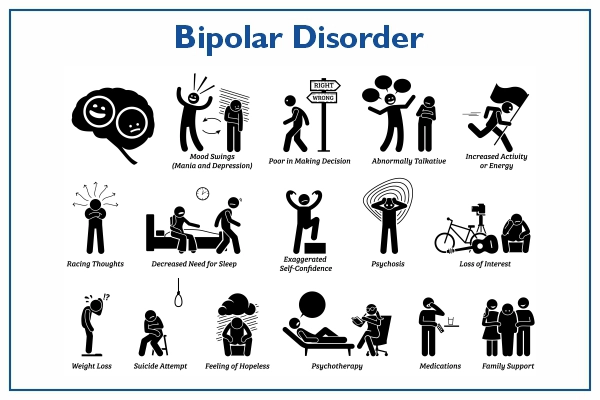
Bipolar disorder, a mental health condition characterized by extreme mood swings, affects millions of people worldwide. To better understand this complex disorder and how to protect yourself and your loved ones, it is important to explore the risk factors and precautions associated with it. By identifying potential triggers and being aware of preventative measures, you can empower yourself to take control of your mental well-being and foster a healthier, more balanced life. Whether you have personally experienced the effects of bipolar disorder or simply want to learn more, this article aims to provide invaluable insights into this condition and the steps you can take to mitigate its impact.

Risk Factors for Bipolar Disorder
Family History
One of the significant risk factors for bipolar disorder is having a family history of the condition. If you have a close relative, such as a parent or sibling, who has been diagnosed with bipolar disorder, you may be at a higher risk of developing the disorder yourself. However, it’s important to note that not everyone with a family history of bipolar disorder will develop the condition. Genetic factors play a role in the likelihood of developing bipolar disorder, but they are not the sole determining factor.
Genetics
Genetics also play a significant role in the risk of developing bipolar disorder. Researchers have identified specific genes that may contribute to an increased susceptibility to the condition. However, it’s important to note that having these genetic markers does not guarantee that you will develop bipolar disorder. Many other factors, such as environmental and lifestyle factors, also play a role in the development of the disorder.
Brain Structure and Function
Studies have found that individuals with bipolar disorder may have differences in brain structure and function compared to those without the condition. These differences can affect how the brain regulates mood, emotions, and behavior. Although the exact relationship between brain structure and bipolar disorder is not fully understood, these findings suggest that biological factors within the brain contribute to the development of the condition.
Substance Abuse
Substance abuse, including alcohol and drug misuse, is another risk factor for bipolar disorder. Unfortunately, individuals with bipolar disorder are more vulnerable to substance abuse due to the impact the disorder has on their emotions and behaviors. Substance abuse can worsen the symptoms of bipolar disorder and make it more challenging to manage the condition effectively. It is crucial to seek help and support for substance abuse issues alongside bipolar disorder treatment.
Traumatic Events
Experiencing traumatic events, such as physical or sexual abuse, the death of a loved one, or a significant life-changing event, can increase the risk of developing bipolar disorder. Trauma can disrupt the brain’s natural functioning and trigger changes in mood regulation. It’s important to address any unresolved trauma and seek therapy or counseling to help cope with the emotional impact of traumatic events.
Stressful Life Events
Stressful life events, such as job loss, divorce, or financial difficulties, can also contribute to the development or worsening of bipolar disorder symptoms. Stress can trigger mood episodes and disrupt the stability of individuals with the condition. Developing healthy coping mechanisms and seeking support during times of stress can help manage bipolar disorder symptoms and prevent severe mood swings.
Medical Conditions
Certain medical conditions have been associated with an increased risk of developing bipolar disorder. Conditions such as thyroid disorders, cardiovascular disease, and obesity have been found to have a higher prevalence in individuals with bipolar disorder. The relationship between these medical conditions and bipolar disorder is complex and not yet fully understood. However, it is crucial to manage and treat any co-occurring medical conditions to minimize the impact on bipolar disorder symptoms.
Medications
Some medications have been linked to triggering or worsening bipolar disorder symptoms. Certain antidepressant medications, such as selective serotonin reuptake inhibitors (SSRIs), can induce manic episodes in individuals with bipolar disorder. It is essential to work closely with a healthcare professional who specializes in mood disorders to identify and prescribe medications that are safe and effective for the management of bipolar disorder.

Precautions for Bipolar Disorder
Early Recognition of Symptoms
Early recognition of bipolar disorder symptoms is crucial for effective management and treatment. Many individuals with bipolar disorder may experience mood swings or other symptoms for years before receiving an accurate diagnosis. Learning to recognize the warning signs of bipolar disorder, such as changes in sleep patterns, energy levels, or shifts in mood, can help intervene early and seek appropriate treatment.
Seeking Professional Help
If you suspect that you may have bipolar disorder or are experiencing symptoms that interfere with your daily life, seeking professional help is essential. A mental health professional, such as a psychiatrist or psychologist, can conduct a comprehensive evaluation and provide an accurate diagnosis. They can also develop a personalized treatment plan tailored to your specific needs.
Medication Adherence
Medication adherence is crucial for managing bipolar disorder effectively. Medications prescribed for bipolar disorder, such as mood stabilizers, are designed to help regulate mood and prevent severe mood swings. It is essential to take medications as prescribed, follow up with your healthcare provider regularly, and communicate any concerns or side effects to ensure optimal medication management.
Psychotherapy
Psychotherapy, also known as talk therapy, is an important component of bipolar disorder treatment. Psychotherapy can help individuals learn coping skills, identify triggers, and develop strategies to manage mood swings and other symptoms. Different forms of psychotherapy, such as cognitive-behavioral therapy (CBT) and interpersonal therapy (IPT), can be beneficial in treating bipolar disorder.
Lifestyle Changes
Making lifestyle changes can significantly impact the management of bipolar disorder. Adopting healthy habits, such as maintaining a regular sleep schedule, engaging in regular exercise, and practicing stress-management techniques, can help stabilize mood and reduce the frequency and severity of mood episodes.
Self-Care Practices
Engaging in self-care practices is essential for individuals with bipolar disorder. This includes prioritizing activities that promote mental, emotional, and physical well-being, such as practicing relaxation techniques, engaging in hobbies, and setting aside time for self-reflection and self-care activities. Taking care of yourself is not selfish but necessary for managing bipolar disorder effectively.
Support System
Building a strong support system is crucial for individuals with bipolar disorder. Having understanding family members, friends, or support groups can provide emotional support, offer practical assistance, and help individuals navigate the challenges of living with bipolar disorder. Sharing your experiences and connecting with others who have gone through similar challenges can provide a sense of validation and understanding.
Monitoring Triggers and Warning Signs
Being aware of your personal triggers and warning signs of mood episodes is an essential precaution for bipolar disorder. Triggers can be events, situations, or even internal experiences that can precipitate mood swings. By recognizing your unique triggers and early warning signs, you can take proactive steps to manage and prevent mood episodes.
Coping Strategies
Developing effective coping strategies is vital for individuals with bipolar disorder. This can involve learning healthy ways to manage stress, practicing relaxation techniques, utilizing mindfulness and meditation practices, and engaging in activities that promote emotional well-being. Coping strategies can help individuals navigate challenging situations and maintain stability in their daily lives.
Education and Awareness
Educating yourself about bipolar disorder and raising awareness about the condition can benefit both individuals with the disorder and the community as a whole. Understanding the nature of bipolar disorder can help reduce stigma and promote empathy and support. By educating others, you can foster a more inclusive and understanding environment for individuals with bipolar disorder.