
Imagine experiencing the alarming sight of blood in your urine. But before you jump to conclusions and assume the worst, it’s important to understand the various risk factors and precautions associated with this mysterious occurrence. In this article, we will explore the potential factors that could contribute to blood in urine and offer practical measures to help safeguard your health. So, let’s navigate through the realm of urinary health together, empowering you with knowledge and peace of mind.

Risk Factors for Blood in Urine
Experiencing the presence of blood in your urine, a condition called hematuria, can be both alarming and concerning. While it is important to remember that hematuria can be caused by various factors, it is crucial to understand and be aware of the potential risk factors associated with this condition. By understanding these risk factors, you can take necessary precautions and seek appropriate medical advice in a timely manner. Let’s delve into some of the key risk factors for blood in urine.
1. Age
Age plays a significant role when it comes to the prevalence of blood in urine. Two distinct age groups are typically at a higher risk: the elderly population and children.
Elderly population
As we age, our bodies undergo various changes that can potentially increase the risk of experiencing hematuria. Factors such as weakened blood vessels, reduced kidney function, and an increased likelihood of developing certain medical conditions contribute to the higher incidence of blood in the urine among the elderly population.
Children
Children, on the other hand, may also experience blood in their urine due to different risk factors. These can include urinary tract infections or congenital abnormalities in the urinary tract. It is essential for parents and caregivers to monitor any signs of hematuria in children and seek medical attention promptly.

2. Gender
Gender is an important factor to consider when assessing the risk factors for blood in urine.
Men
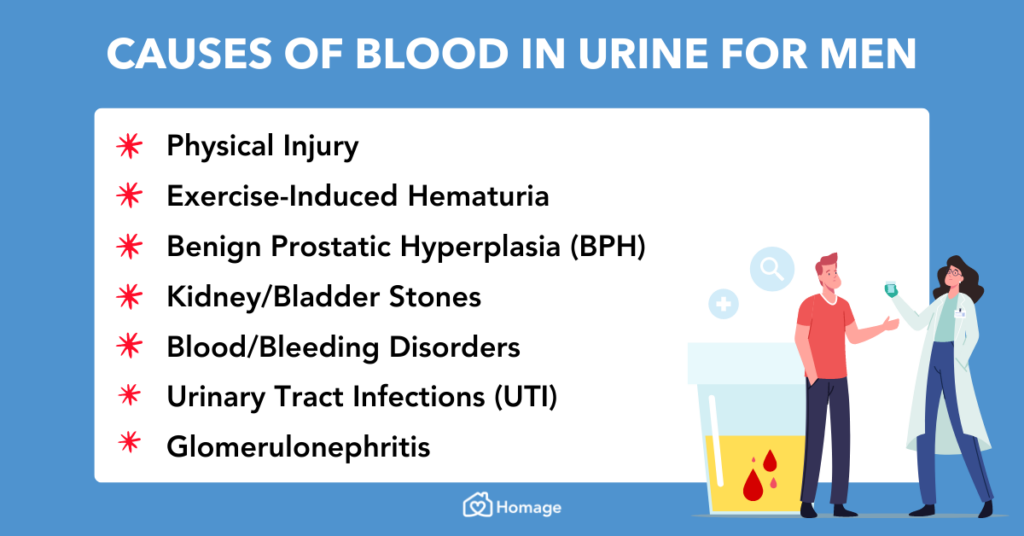
In men, one of the primary risk factors for hematuria is an enlarged prostate. This condition, also known as benign prostatic hyperplasia (BPH), can cause urinary tract symptoms, including blood in the urine. Additionally, men are generally more prone to developing urinary tract infections, kidney stones, and other conditions that may result in hematuria.
Women
Women, too, have their unique risk factors for blood in urine. Urinary tract infections, bladder or kidney infections, and the presence of noncancerous growths in the urinary system known as urinary tract tumors can all contribute to hematuria in women. It is important for women to be aware of these risk factors and seek appropriate medical attention if necessary.
3. Medical Conditions
Various medical conditions can increase the likelihood of experiencing blood in the urine. Some of the most common medical conditions associated with hematuria include:
Urinary tract infections
Urinary tract infections (UTIs) are a prevalent cause of hematuria, especially in women. UTIs occur when harmful bacteria enter the urinary tract and cause infection. Along with blood in the urine, individuals with UTIs may experience symptoms such as frequent urination, a burning sensation during urination, and pelvic pain.
Kidney stones
The formation of kidney stones, urinary deposits made up of minerals and salts, can lead to hematuria. The presence of these stones in the kidneys or urinary tract can cause irritation, resulting in blood in the urine. The pain and discomfort associated with kidney stones are often accompanied by other symptoms such as back or abdominal pain.
Bladder or kidney infections
Infections affecting the bladder or kidneys, known as cystitis and pyelonephritis respectively, can contribute to the presence of blood in urine. These infections may result from bacterial invasion, and prompt treatment is essential to prevent complications and alleviate symptoms.
Enlarged prostate
As mentioned earlier, an enlarged prostate, a common condition in older men, can lead to hematuria. When the prostate gland enlarges and compresses the urethra, urinary flow can be disrupted, resulting in various urinary symptoms, including blood in the urine.
Urinary tract tumors
Both cancerous and noncancerous tumors in the urinary system can cause blood in the urine. These tumors can originate in the bladder, kidneys, ureters, or urethra. Early detection and treatment are critical in managing these conditions effectively.
Inherited kidney diseases
Certain inherited kidney diseases, such as polycystic kidney disease (PKD), can increase the risk of hematuria. PKD causes the formation of numerous fluid-filled cysts in the kidneys, which can disrupt normal kidney function and lead to various complications, including blood in the urine.
Blood clotting disorders
Individuals with blood clotting disorders, such as hemophilia or von Willebrand disease, may experience hematuria. These disorders affect the proper functioning of blood clotting factors and can contribute to the presence of blood in the urine.

4. Medications
Certain medications can also increase the likelihood of developing hematuria. It is important to be aware of any potential side effects or risks associated with medications you may be taking.
Anticoagulant drugs
Anticoagulant medications, also known as blood thinners, are commonly prescribed to individuals with cardiovascular conditions or those at risk for blood clotting disorders. While these medications serve important medical purposes, they can potentially result in blood in the urine due to their anticoagulant effects.
Nonsteroidal anti-inflammatory drugs (NSAIDs)
NSAIDs, such as aspirin or ibuprofen, are widely used to alleviate pain and reduce inflammation. However, prolonged or excessive use of these medications can sometimes lead to the development of hematuria.
Certain antibiotics
Specific antibiotics, although effective in treating various bacterial infections, can have a side effect of causing blood in urine. It is important to discuss any concerns or symptoms with your healthcare provider if you are currently taking antibiotics.
Chemotherapy drugs
Chemotherapy is commonly used in the treatment of cancer, but it can have significant side effects, including hematuria. These drugs can cause damage to the lining of the urinary system, leading to the presence of blood in urine.
5. Recent Procedures or Trauma
If you have recently undergone a urinary tract procedure or experienced an injury or trauma to the urinary tract, you may be at an increased risk of blood in the urine.
Recent urinary tract procedure
Procedures such as catheterization, cystoscopy, or kidney biopsy can cause temporary irritation and inflammation in the urinary tract, potentially leading to blood in the urine. It is important to discuss any concerns or symptoms with your healthcare provider following these procedures.
Recent injury or trauma to the urinary tract
Trauma or injury to the urinary tract, such as from an accident or physical impact, can result in the presence of blood in the urine. It is crucial to seek immediate medical attention in such cases to rule out any severe underlying conditions and ensure appropriate care and treatment.

6. Family History
A family history of certain medical conditions can contribute to an increased risk of blood in the urine. If any close relatives, such as parents or siblings, have experienced hematuria or certain hereditary kidney diseases, it is essential to inform your healthcare provider. This information can aid in diagnosis and appropriate management of the condition.
7. Lifestyle Factors
Certain lifestyle factors can also play a role in the development of hematuria:
High blood pressure
Uncontrolled high blood pressure can lead to damage to the blood vessels in the kidneys, potentially causing blood in the urine. Maintaining a healthy blood pressure level through lifestyle modifications and appropriate medical management is crucial for overall kidney health.
Obesity
Obesity is a risk factor for various health conditions, including kidney disease. Excess weight can increase the strain on the kidneys, potentially leading to kidney dysfunction and hematuria. Maintaining a healthy weight through a balanced diet and regular exercise can help reduce this risk.
Smoking
Smoking damages blood vessels and impairs overall cardiovascular and kidney health. By quitting smoking, you can significantly reduce the risk of developing hematuria and other related complications.
Poor hydration
Inadequate fluid intake can lead to concentrated urine, increasing the likelihood of developing kidney stones or experiencing urinary tract infections. Staying hydrated by consuming an adequate amount of water and fluids can help prevent these conditions and reduce the risk of blood in the urine.
Precautions for Blood in Urine
If you experience blood in your urine, it is crucial to take precautions and seek appropriate medical attention. While the underlying cause can vary, there are some general precautions you can follow:
Medication Awareness
Consulting a healthcare provider about the potential side effects of any medications you are taking is essential. Understanding the risks associated with certain medications can help you stay informed and seek prompt medical advice if you notice any concerning symptoms, including blood in the urine. It is also important to follow medication instructions carefully to ensure optimal safety and effectiveness.
In conclusion, understanding the risk factors associated with blood in urine can empower you to take necessary precautions and seek appropriate medical attention. It is important to remember that the presence of blood in the urine can be caused by various factors, and early detection and proper management are crucial for ensuring overall health and well-being. By being aware of these risk factors and following the recommended precautions, you can play an active role in maintaining your urinary tract health and seek timely medical intervention when necessary.