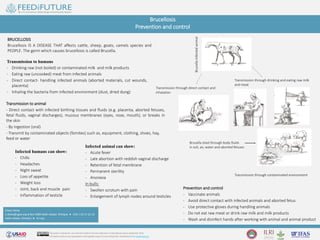
Brucellosis, a zoonotic disease caused by bacteria belonging to the genus Brucella, is a serious concern for both humans and animals. In this informative article, you will discover the key risk factors associated with brucellosis transmission and learn effective precautions to prevent its spread. By understanding the potential sources of infection and implementing necessary safeguards, you can safeguard your health and that of your beloved pets. So, let’s venture into the realm of brucellosis exploring its risk factors and the precautions you can take to minimize its impact.
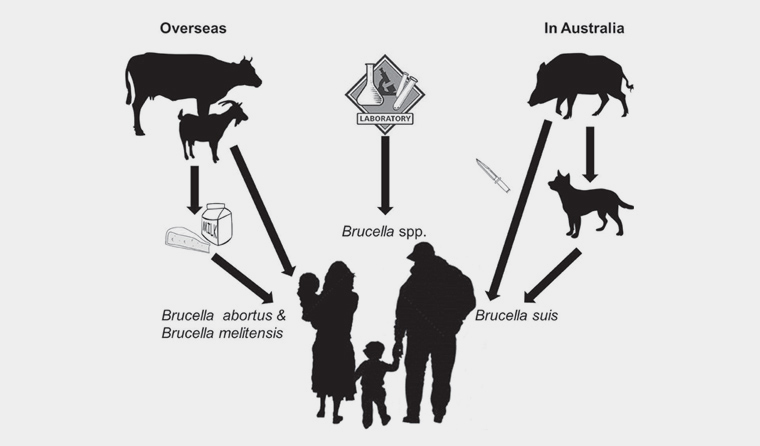
Risk Factors for Brucellosis
Occupational Risk Factors
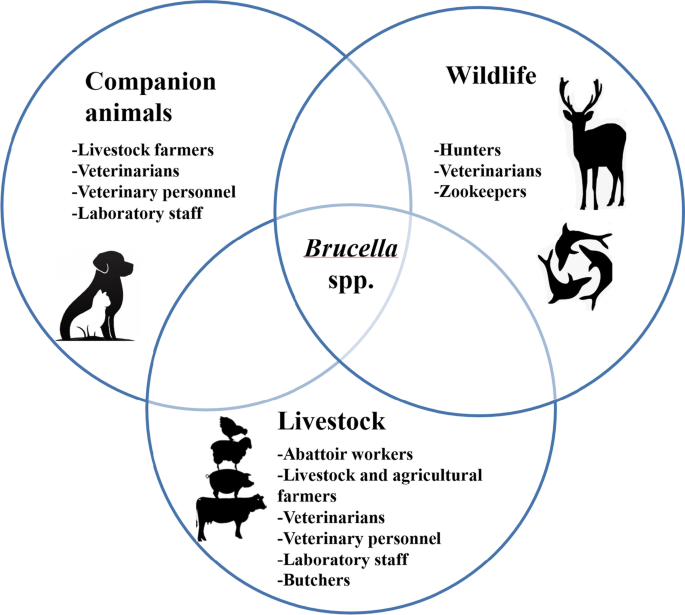
Occupational risk factors play a significant role in the transmission of brucellosis. Workers who come into contact with infected animals or animal products, such as farmers, veterinarians, and abattoir workers, are at higher risk. These individuals may be exposed to the bacteria through direct contact with bodily fluids, such as blood, urine, and birth products, or by inhaling contaminated dust particles. It is crucial for those in high-risk occupations to be aware of the necessary precautions to protect themselves from contracting brucellosis.
Consumption of Contaminated Meat and Dairy Products
Another common risk factor for brucellosis is the consumption of contaminated meat and dairy products. Ingesting raw or undercooked meat and dairy products from infected animals can lead to the transmission of the bacteria. It is essential to ensure that all meat and dairy products are properly cooked before consuming to eliminate any potential risk of infection. By practicing safe food handling and cooking practices, you can significantly reduce the chances of contracting brucellosis through contaminated food.
Travel to Endemic Areas
Traveling to endemic areas where brucellosis is prevalent increases the risk of contracting the infection. These regions may include certain parts of Asia, the Middle East, Africa, and Latin America. While it is not entirely avoidable for some individuals, taking precautions during travel can minimize the risk. It is advisable to avoid consuming raw or undercooked meat and dairy products during travel to these areas and to practice good hygiene, such as washing hands regularly. Additionally, considering vaccination before traveling to endemic areas can provide an added layer of protection.
Contact with Infected Animals
Brucellosis is primarily a zoonotic disease, meaning it can be transmitted between animals and humans. Direct contact with infected animals poses a considerable risk factor for the transmission of brucellosis. This can occur through handling infected animals, assisting in animal birth, or exposure to animal bodily fluids. It is crucial to take necessary precautions when interacting with animals, especially those known to be carriers of brucellosis, such as goats, sheep, and cattle. Wearing protective gloves and clothing, practicing good hand hygiene, and avoiding contact with potentially infected materials can greatly reduce the risk of contracting the disease.
Inadequate Sanitary Measures
Lack of proper sanitary measures can contribute to the spread of brucellosis. This includes poor hygiene practices, such as inadequate handwashing, improper disposal of animal waste, and unsanitary living conditions. It is essential to maintain a clean and hygienic environment, especially when dealing with animals or animal products. Regular handwashing with soap and water, proper waste disposal, and maintaining clean living spaces are fundamental steps in preventing the transmission of brucellosis.
Infections in Laboratory Settings
Laboratory workers who handle specimens containing the Brucella bacteria are at risk of contracting brucellosis. Accidental exposure to contaminated samples or improper handling of infected materials can lead to infection. Strict adherence to laboratory safety protocols, such as wearing appropriate personal protective equipment (PPE), following handling and disposal procedures, and maintaining aseptic conditions, is necessary to avoid laboratory-acquired brucellosis. Regular training and education on laboratory safety practices are vital in preventing infections within these settings.
Compromised Immune System
Individuals with compromised immune systems, such as those with HIV/AIDS, cancer patients undergoing treatments, or organ transplant recipients, are at higher risk for contracting brucellosis. With a weakened immune system, the body’s ability to fight off infections is compromised. It is crucial for individuals with compromised immune systems to take extra precautions, such as avoiding high-risk activities and practicing strict hygiene, to reduce the risk of acquiring brucellosis. Regular monitoring and consultation with healthcare professionals are also essential for early detection and prompt treatment.
Age and Gender
Studies have shown that age and gender can also influence the risk of contracting brucellosis. Middle-aged individuals, particularly those involved in high-risk occupations, are more susceptible to infection. Additionally, certain occupations, such as farmers and veterinarians, may have a higher incidence of brucellosis in males due to their increased exposure to infected animals and animal products. Understanding these demographic risk factors can help healthcare professionals tailor educational campaigns and preventative measures to specific populations to effectively reduce the spread of brucellosis.
Pregnancy
Pregnant women are at an increased risk for brucellosis due to hormonal changes that impair the immune system’s function. Contracting brucellosis during pregnancy can lead to serious complications, including miscarriage, preterm labor, and fetal infection. Pregnant women should take extra precautions to prevent exposure to Brucella bacteria, such as avoiding contact with potentially infected animals, consuming thoroughly cooked food, and practicing good hygiene. Routine testing for brucellosis during prenatal care can help detect any potential infections and ensure timely treatment if necessary.
Genetic Factors
Genetic factors have been found to play a role in predisposing individuals to brucellosis. Certain genetic variations can influence the immune response to the Brucella bacteria, making some individuals more susceptible to infection. Ongoing research aims to further understand these genetic factors and their impact on brucellosis susceptibility. By identifying individuals with genetic predispositions, healthcare providers can offer personalized guidance and preventative measures to minimize the risk of infection.
Precautions for Brucellosis
Personal Protection Measures
Personal protection measures are crucial in preventing the transmission of brucellosis. It is essential to wear appropriate personal protective equipment, such as gloves, masks, and goggles, when handling potentially infected animals or animal products. These measures act as a barrier, protecting you from direct contact with the bacteria. Proper hand hygiene, including regular handwashing with soap and water for at least 20 seconds, is also essential in minimizing the risk of transmission. By taking the necessary personal protection measures, you can significantly reduce the chances of contracting brucellosis.
Safe Food Handling Practices
Safe food handling practices are vital in preventing brucellosis transmission through contaminated food. It is crucial to thoroughly cook all meat and dairy products to kill any potential Brucella bacteria. Avoid consuming raw or undercooked meat and unpasteurized dairy products, as they pose a higher risk of infection. Additionally, practicing good hygiene while preparing food, such as washing hands and utensils thoroughly, can help prevent cross-contamination. By following safe food handling practices, you can ensure the safety and quality of the food you consume.
Avoiding High-Risk Activities
Avoiding high-risk activities can significantly reduce the chances of contracting brucellosis. These activities may include assisting in animal birth, handling potentially infected animals or animal products, or visiting endemic areas without taking proper precautions. It is important to assess the level of risk involved before engaging in such activities and take necessary precautions to minimize exposure. By avoiding high-risk activities, especially if you belong to a vulnerable population, you can protect yourself from brucellosis infection.
Vaccination
Vaccination is an effective preventive measure against brucellosis. In certain high-risk occupations or endemic areas, vaccination may be recommended to reduce the incidence of the disease. The Brucella vaccine is typically administered to animals to prevent transmission to humans. It is important to consult with healthcare professionals, especially if you are at a higher risk of exposure, to determine if vaccination is recommended for you. By getting vaccinated, you can increase your immunity against brucellosis and lower the risk of infection.
Healthcare and Laboratory Safety
Healthcare and laboratory settings require strict adherence to safety protocols to prevent the transmission of brucellosis. Healthcare professionals and laboratory workers should follow infection control measures, including proper handling and disposal of infected specimens and materials, wearing appropriate personal protective equipment, and practicing good hand hygiene. Regular training and education on safety protocols and the importance of following them are essential to ensure the well-being of healthcare workers and prevent the spread of brucellosis within these settings.
Preventing Vertical Transmission
Vertical transmission refers to the transmission of brucellosis from mother to child during pregnancy or childbirth. To prevent vertical transmission, it is crucial for pregnant women to take extra precautions, such as avoiding contact with potentially infected animals, practicing safe food handling, and maintaining good hygiene. Regular prenatal care and testing can help detect any potential infections and ensure timely treatment if necessary. By implementing preventive measures, the risk of vertical transmission can be significantly reduced.
Routine Testing and Monitoring
Routine testing and monitoring are important in the prevention and control of brucellosis. Individuals at higher risk, such as those in high-risk occupations or endemic areas, should undergo regular testing to detect any potential infections. Rapid and accurate diagnosis allows for timely treatment and reduces the risk of transmission to others. Additionally, monitoring the prevalence of brucellosis through surveillance systems is crucial in implementing effective control measures and identifying trends in infection rates.
Prompt Diagnosis and Treatment
Prompt diagnosis and treatment are vital in managing brucellosis and preventing complications. Early detection allows for timely initiation of appropriate antibiotic treatment to control the infection. If you suspect that you may have been exposed to brucellosis or are experiencing symptoms such as fever, chills, fatigue, joint pain, or night sweats, it is important to seek medical attention promptly. A healthcare professional can conduct the necessary tests to confirm the diagnosis and prescribe the appropriate treatment regimen.
Public Health Measures
Public health measures are essential in controlling the spread of brucellosis within a community or population. This includes implementing surveillance systems to monitor the prevalence of the disease, conducting outbreak investigations, and implementing control measures to prevent further transmission. Public health agencies play a critical role in educating the public about brucellosis, its risk factors, and preventive measures. By collaborating with healthcare providers, local communities, and other stakeholders, public health agencies can effectively prevent and control the spread of brucellosis.
Educational Campaigns and Awareness
Educational campaigns and awareness efforts are crucial in promoting preventive measures and reducing the incidence of brucellosis. These campaigns aim to educate the public about the risk factors associated with brucellosis, safe food handling practices, and personal protection measures. By increasing awareness and knowledge about brucellosis, individuals can take proactive steps to protect themselves and their communities. Educational campaigns can be conducted through various channels, such as schools, workplaces, healthcare facilities, and community events, to reach a wide audience and ensure the dissemination of accurate information.