
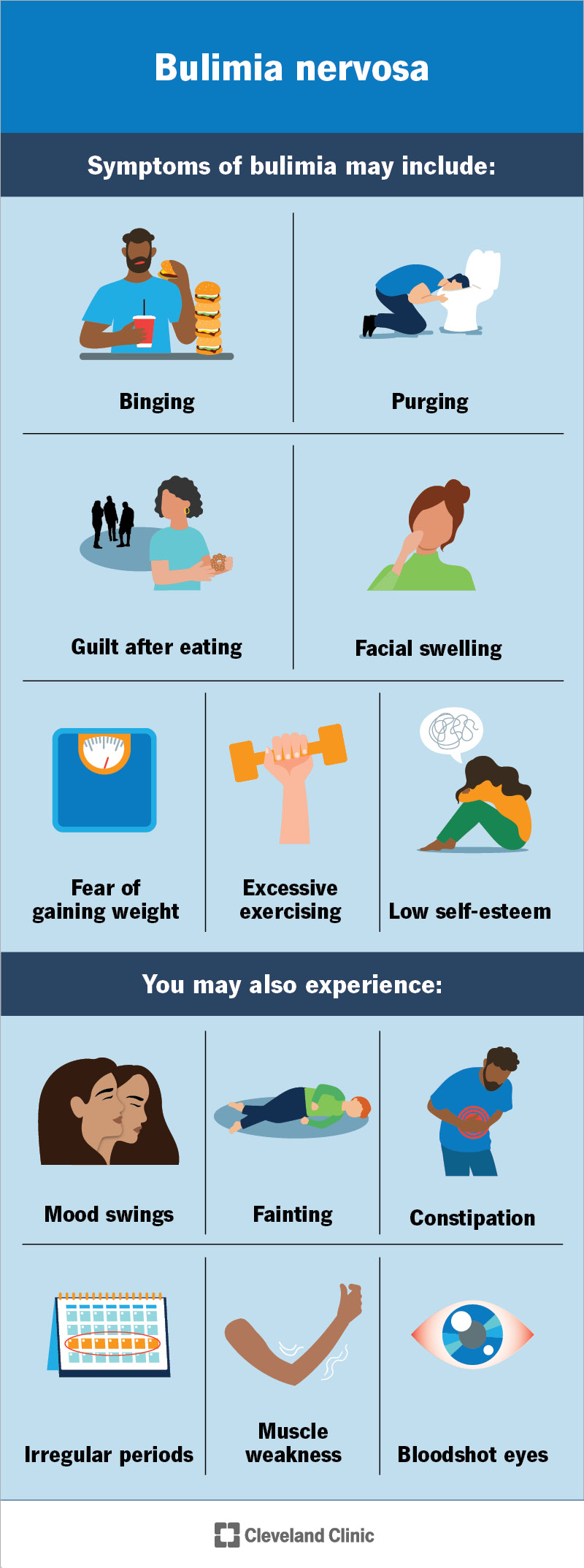
Bulimia nervosa, a serious eating disorder characterized by binge eating and purging behaviors, affects millions of people worldwide. In this article, discover a comprehensive overview of the risk factors associated with bulimia nervosa, as well as the precautions one can take to prevent its onset. By understanding these factors and implementing preventive measures, you can help create a safe and supportive environment for individuals vulnerable to this disorder.
Risk Factors
Bulimia nervosa is a complex eating disorder that can be influenced by a variety of risk factors. Understanding these risk factors is crucial in order to prevent and address the disorder effectively. Here are some key risk factors that may contribute to the development of bulimia nervosa.
Genetic Factors
Research suggests that genetic factors may play a role in the development of eating disorders such as bulimia nervosa. Individuals with a family history of eating disorders are more likely to develop the disorder themselves. However, it’s important to note that genetics alone do not determine whether someone will develop bulimia nervosa. The interaction between genetic and environmental factors is significant in the development of the disorder.
Psychological Factors
Certain psychological factors can also contribute to the development of bulimia nervosa. These may include low self-esteem, perfectionism, and impulsivity. Individuals who have a distorted perception of their body image and engage in negative self-evaluation are more prone to developing the disorder. Additionally, individuals with anxiety disorders, depression, post-traumatic stress disorder, and obsessive-compulsive disorder are at a higher risk of developing bulimia nervosa.
Sociocultural Factors
Sociocultural factors, such as societal pressure and cultural ideals, can significantly influence an individual’s risk of developing bulimia nervosa. In societies where thinness is idealized and valued, individuals may feel an immense pressure to strive for a certain body shape or size. Unrealistic beauty standards portrayed by the media, airbrushing, and Photoshop can contribute to the development of body dissatisfaction and increase the risk of bulimia nervosa.
Gender Factors
While bulimia nervosa can affect individuals of any gender, it is more commonly seen in females. This may be due to societal expectations and cultural influences that place a greater emphasis on body image and weight for women. However, it is crucial to recognize that males can also develop bulimia nervosa and should not be overlooked in prevention efforts and targeted interventions.
Family History
A family history of eating disorders, particularly bulimia nervosa, is an important risk factor to consider. Individuals who have close relatives, such as parents or siblings, with a history of eating disorders may be more vulnerable to developing bulimia nervosa themselves. This could be influenced by both genetic and environmental factors within the family, including shared attitudes towards body image and weight.
Environmental Factors
Environmental factors also contribute significantly to the development of bulimia nervosa. These factors can include societal influences, peer dynamics, and cultural norms.
Peer Pressure
Adolescents and young adults are especially vulnerable to the influence of peer pressure. In social settings where appearance and body image ideals are emphasized, individuals may feel pressured to conform or engage in disordered eating behaviors to fit in. Peer pressure can be a powerful risk factor for the development of bulimia nervosa, making it crucial to promote a positive and inclusive environment where diverse body types are valued.
Body Image Ideals
Idealized body image ideals portrayed in media and society can have a profound impact on individuals’ self-perception. The constant exposure to images of unrealistic beauty standards can lead to body dissatisfaction and a desire to achieve the “perfect” body. The pursuit of this idealized body image can contribute to the development of bulimia nervosa as individuals engage in harmful behaviors in an attempt to achieve or maintain a certain body size or shape.
Weight-Related Teasing
Teasing or bullying based on weight can significantly impact an individual’s body image and self-esteem. Constant ridicule and negative comments about one’s body can lead to body dissatisfaction and a distorted perception of oneself. This can increase the risk of engaging in disordered eating behaviors, including bingeing and purging, as a way to cope with the emotional distress caused by the teasing.
Dieting Culture
Living in a culture that promotes extreme dieting and weight loss can increase the risk of developing bulimia nervosa. Diet culture encourages restrictive eating practices and places a strong emphasis on weight and appearance. Engaging in extreme calorie restriction, skipping meals, and constantly yo-yo dieting can all contribute to the development of bulimia nervosa and other eating disorders.

Pre-existing Conditions
Certain pre-existing conditions can make individuals more susceptible to developing bulimia nervosa. It is important to recognize and address these conditions to prevent the onset of the disorder.
Anxiety Disorders
Individuals with anxiety disorders may be at a higher risk of developing bulimia nervosa. Anxiety can manifest as a fear of gaining weight, body dissatisfaction, and a need for control over food and eating habits. These factors can contribute to the development of disordered eating behaviors, including bingeing and purging, as a way to cope with anxiety-related emotions.
Depression
Depression is another pre-existing condition that can increase the risk of bulimia nervosa. The negative thoughts and feelings associated with depression can lead to low self-esteem and a distorted perception of one’s body. Engaging in disordered eating behaviors may provide temporary relief or a sense of control, but ultimately exacerbates the emotional and physical toll of depression.
Post-Traumatic Stress Disorder
Post-traumatic stress disorder (PTSD) is a condition that develops after exposure to a traumatic event. Individuals with PTSD may engage in disordered eating behaviors, including bingeing and purging, as a way to cope with the emotional distress associated with traumatic memories or reminders. The relationship between PTSD and bulimia nervosa highlights the importance of trauma-informed care in preventing and treating eating disorders.
Obsessive-Compulsive Disorder
Obsessive-compulsive disorder (OCD) is characterized by intrusive thoughts and repetitive behaviors. Individuals with OCD may develop obsessions related to body image, weight, or food, leading to disordered eating patterns. The compulsive behaviors associated with OCD, such as strict rituals around eating or exercise, can contribute to the development of bulimia nervosa.
Personality Traits
Certain personality traits can increase an individual’s susceptibility to developing bulimia nervosa. Understanding these traits is vital in identifying potential risk factors and implementing appropriate interventions.
Perfectionism
Perfectionism is a personality trait commonly associated with the development of eating disorders, including bulimia nervosa. Individuals with high levels of perfectionism may set unrealistic expectations for themselves in terms of weight, appearance, and achievements. These unattainable goals can lead to feelings of failure and a need for control, resulting in disordered eating behaviors.
Impulsivity
Impulsive behavior is another personality trait that may contribute to the development of bulimia nervosa. Individuals who struggle with impulse control may engage in bingeing episodes impulsively, followed by purging as a way to cope with the guilt or anxiety associated with the behavior. Impulsivity can also manifest in other areas of life, such as impulsive decision-making or engaging in risky behaviors.
Low Self-Esteem
Low self-esteem is a common risk factor for the development of bulimia nervosa. Individuals with low self-esteem may have a negative perception of their body and feel a constant need to strive for an idealized appearance. Disordered eating behaviors, such as bingeing and purging, may serve as a temporary escape from the negative self-image and provide a false sense of control or confidence.

Dieting Behaviors
Certain dieting behaviors can increase an individual’s risk of developing bulimia nervosa. These behaviors often arise from societal pressure and a desire to achieve or maintain a specific body weight or appearance.
Extreme Calorie Restriction
Engaging in extreme calorie restriction can be detrimental to both physical and mental health. Severely limiting calorie intake not only deprives the body of essential nutrients but can also trigger binge-eating episodes as the body tries to compensate for the lack of energy. The subsequent guilt and shame associated with the bingeing may lead to purging behaviors, perpetuating a dangerous cycle.
Skipping Meals
Skipping meals is a common practice among individuals who are attempting to control their weight or achieve rapid weight loss. However, this behavior can disrupt the body’s natural hunger and satiety cues, leading to a greater likelihood of binge-eating episodes. Skipping meals also contributes to feelings of deprivation, which can trigger episodes of overeating followed by purging.
Yo-yo Dieting
Yo-yo dieting, also known as weight cycling, involves repeatedly losing and regaining weight. This pattern of weight loss and regain puts significant stress on the body and can contribute to the development of disordered eating behaviors, including bulimia nervosa. The constant fluctuations in weight and body shape can intensify body dissatisfaction and negatively impact psychological well-being.
Athletic Participation
Participation in certain sports can put individuals at a higher risk of developing bulimia nervosa. The emphasis on weight and body image in these sports can contribute to the development of disordered eating behaviors.
Sports with Weight Categories
Sports that categorize participants by weight, such as wrestling, boxing, or gymnastics, can increase the risk of developing bulimia nervosa. In order to compete within a specific weight category, athletes may resort to unhealthy weight control practices such as extreme calorie restriction, purging, or excessive exercise. The pressure to maintain a specific weight can lead to the development of disordered eating patterns and potentially contribute to the onset of bulimia nervosa.
Judged Sports
Sports that place a strong emphasis on aesthetics and physical appearance, such as figure skating or dancing, can also increase the risk of bulimia nervosa. The intensity of competition and the focus on achieving a certain body shape or size can lead athletes to engage in harmful practices to achieve the desired physique. The desire to meet strict body image ideals can trigger disordered eating behaviors, including bingeing and purging.
Pressure to Maintain Certain Body Image
Participating in sports at any level often comes with expectations regarding body shape and size. Whether it is pressure from coaches, teammates, or personal aspirations, the desire to maintain or achieve a specific body image can contribute to the development of bulimia nervosa. The pursuit of performance and success may lead athletes to engage in disordered eating behaviors as a means of achieving their desired body weight or shape.

Media Influence
The influence of media on body image has been widely recognized as a risk factor for the development of bulimia nervosa. The portrayal of idealized body types, airbrushing, and photoshop practices contribute to distorted perceptions of beauty and unrealistic standards.
Idealized Thin Bodies
Media often portrays thin bodies as the ideal of beauty, presenting a narrow and unrealistic standard. Constant exposure to these images can lead to body dissatisfaction and the internalization of these ideals. The desire to achieve the idealized thin body can result in disordered eating behaviors, including bingeing and purging, as individuals strive to attain an unattainable body shape or size.
Unrealistic Beauty Standards
Unrealistic beauty standards perpetuated by media contribute to the development of bulimia nervosa. These standards often prioritize a specific body shape, size, and appearance, creating an unattainable goal for many individuals. The pressure to conform to these beauty standards can lead to body dissatisfaction, negative self-image, and ultimately the development of disordered eating behaviors.
Airbrushing and Photoshop
The use of airbrushing and photoshop techniques in media further distorts the perception of beauty and body image. These editing practices create an unattainable standard that can significantly impact an individual’s perception of themselves. Perceiving oneself as falling short of these digitally altered images may lead to an increased risk of developing bulimia nervosa as individuals resort to disordered eating behaviors in an attempt to achieve the unattainable.
Childhood Trauma
Childhood trauma, including physical, sexual, or emotional abuse, and neglect, is a risk factor that significantly impacts an individual’s risk of developing bulimia nervosa.
Physical, Sexual, or Emotional Abuse
Experiencing physical, sexual, or emotional abuse during childhood can have severe and long-lasting consequences on an individual’s mental and physical well-being. The trauma associated with abuse can manifest in disordered eating behaviors, including bulimia nervosa, as individuals attempt to cope with the emotional distress caused by the traumatic experiences.
Neglect
Neglect during childhood, whether it be emotional or physical, can also increase the risk of developing bulimia nervosa. Lack of emotional support or attention can lead to feelings of inadequacy and a distorted perception of self, contributing to disordered eating behaviors. Neglect can also impact an individual’s ability to develop healthy coping mechanisms, making them more susceptible to engaging in harmful eating patterns.
Bullying
Childhood bullying can have a significant impact on an individual’s self-esteem and body image. Constant ridicule or teasing based on weight can lead to body dissatisfaction and a distorted perception of one’s body. The emotional distress caused by bullying can trigger disordered eating behaviors, including bingeing and purging, as a maladaptive coping mechanism.

Problems with Body Image
Individuals with bulimia nervosa often struggle with distorted perceptions of their body and engage in negative self-evaluation. These problems with body image significantly impact their well-being and perpetuate the cycle of the disorder.
Distorted Perception
Individuals with bulimia nervosa often have a distorted perception of their body. They may perceive themselves as overweight or larger than they actually are, regardless of their actual weight or appearance. This distorted perception fuels body dissatisfaction and contributes to the development and maintenance of disordered eating behaviors.
Negative Self-Evaluation
Negative self-evaluation is a common feature of bulimia nervosa. Individuals with the disorder often have a negative perception of themselves, their body, and their self-worth. This negative self-evaluation reinforces the need for control over food and eating habits, leading to a cycle of disordered eating behaviors. Addressing and challenging these negative beliefs about oneself is crucial in the recovery process.
Precautions and Prevention
Taking precautions and implementing preventive measures can significantly reduce the risk of developing bulimia nervosa. Here are some strategies and interventions that can be effective in preventing and addressing the disorder.
Education and Awareness Programs
Education plays a vital role in preventing and raising awareness about eating disorders such as bulimia nervosa. Implementing education and awareness programs in schools, colleges, and other community settings can help promote healthy body image, provide accurate information about eating disorders, and identify potential risk factors. These programs should focus on challenging societal beauty standards, promoting positive body image, and encouraging a healthy relationship with food and exercise.
Promoting Positive Body Image
Promoting positive body image is essential in preventing the development of bulimia nervosa. Encouraging acceptance and appreciation of diverse body shapes, sizes, and appearances helps individuals develop a healthy relationship with their bodies. Media literacy programs can educate individuals on the unrealistic nature of media portrayals and empower them to critically analyze media messages related to body image.
Early Intervention and Treatment
Early intervention is crucial in addressing and treating bulimia nervosa. Recognizing early warning signs, such as changes in eating patterns or body dissatisfaction, is vital in identifying individuals who may be at risk. Prompt referral and access to appropriate healthcare professionals, such as psychologists or nutritionists specializing in eating disorders, can help provide timely intervention and support.
Parental Guidance and Support
Parents play a crucial role in preventing and addressing bulimia nervosa in their children. Open communication, providing unconditional support, and modeling healthy behaviors are paramount. Parents can foster a positive body image by encouraging healthy eating habits, promoting physical activity for enjoyment rather than appearance, and challenging societal beauty ideals.
Psychological Counseling
Psychological counseling, such as cognitive-behavioral therapy (CBT), has been shown to be effective in the treatment of bulimia nervosa. CBT aims to identify and challenge distorted thoughts and beliefs about body image and self-worth, as well as develop healthier coping strategies. This type of therapy can help individuals address the root causes of their eating disorder and develop long-term strategies for recovery.
Healthy Lifestyle Practices
Promoting healthy lifestyle practices, rather than focusing solely on weight or appearance, is crucial in preventing the development of bulimia nervosa. Encouraging balanced nutrition, regular physical activity for enjoyment and well-being, and fostering a positive relationship with food can contribute to a healthy body image and reduce the risk of disordered eating behaviors. Emphasizing self-care and self-compassion can also help individuals develop a more positive attitude towards themselves and their bodies.
In conclusion, bulimia nervosa can be influenced by a range of risk factors, including genetic, psychological, sociocultural, and environmental factors. Understanding and addressing these factors is vital in preventing the development of the disorder. Precautions such as education programs, promoting positive body image, early intervention, and psychological counseling can significantly reduce the risk and impact of bulimia nervosa. By implementing these strategies, we can create a society that supports and nourishes both physical and mental well-being, fostering a healthier relationship with food, body image, and self-esteem.