
Imagine that you are going about your daily activities, unaware of the potential risks lurking around every corner. In a split second, a small mishap transforms into a disaster, leaving you with a painful burn. Whether caused by scalding liquids, electrical accidents, or even the sun’s rays, burns are a common and often underestimated injury. This article aims to shed light on the risk factors associated with burns and provide you with essential precautions to ensure your safety. By understanding the dynamics of burns and implementing preventive measures, you can navigate your environment with confidence, free from the fear of burns.

Risk Factors for Burns
Burns can happen to anyone, but there are certain risk factors that can increase the likelihood of sustaining a burn injury. Being aware of these risk factors can help you take the necessary precautions to protect yourself and your loved ones. Let’s take a closer look at each of these risk factors.
Age
Age plays a significant role in burn injuries. Infants and young children are particularly vulnerable due to their curious nature, limited perception of danger, and lack of coordination. They may accidentally touch hot objects or scald themselves with hot liquids. It is crucial for parents and caregivers to create a safe environment and closely supervise young children to prevent burn injuries.
On the other end of the spectrum, elderly individuals are also at an increased risk of burns. This can be attributed to age-related changes in cognition, mobility, and sensitivity to heat. Older adults may have difficulty identifying potential burn hazards or reacting quickly enough to prevent injury. Ensuring a safe living space for the elderly, with adequate precautions in place, is vital.
Gender
While burn injuries can happen to both males and females, there are certain gender-specific risk factors to consider. Males, for instance, are more prone to burns due to their engagement in higher-risk activities. They may be more involved in occupations and hobbies that expose them to potential burn hazards, such as firefighting, construction work, or cooking.
On the other hand, females may have an increased risk of burns due to their involvement in certain occupations, such as hairdressing and beautician services. Working with heat styling tools and chemicals increases the potential for accidental burns.
Occupation
Occupation is another significant risk factor for burns. Certain professions inherently involve a higher exposure to burn hazards. Firefighters, for example, work in extremely hazardous conditions and are at an increased risk of burn injuries due to exposure to flames, heat, and smoke. They must rely on proper protective gear and extensive training to minimize this risk.
Chefs and cooks are also more prone to burn injuries. Working in a busy kitchen environment where hot surfaces, oils, and open flames are present can lead to accidental burns. Employers in these industries must emphasize proper safety protocols and provide comprehensive training to reduce the risk of burn injuries.
Construction workers are exposed to numerous hazards, including the risk of burns from contact with hot materials, electrical equipment, or chemicals. Strict adherence to safety regulations and wearing appropriate personal protective equipment is paramount in mitigating the risk of burns on construction sites.
Hairdressers and beauticians often work with hot styling tools, chemicals, and hair dryers, which increase the likelihood of burn injuries. Proper training, attention to safety guidelines, and maintaining a clean and organized workspace are essential for reducing the risk of burns in this profession.
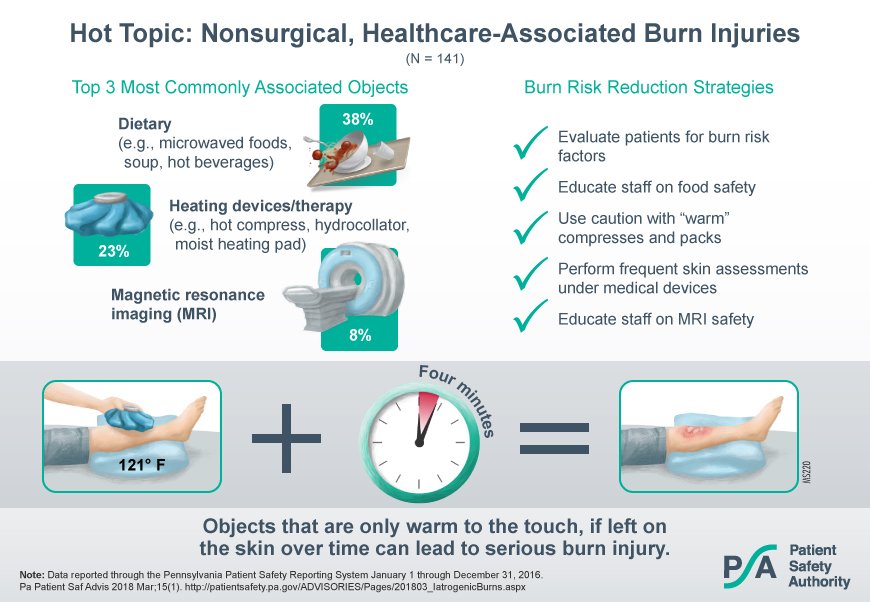
Nurses and healthcare professionals, though not directly involved in firefighting, construction, or culinary work, are still at a relatively higher risk of burns due to their exposure to potentially hot medical equipment, chemicals, or fluids. Vigilance, adherence to safety protocols, and the use of appropriate protective measures can help minimize the risk.

Smoking
Smoking not only poses significant health risks, but it also increases the likelihood of sustaining a burn injury. The act of smoking itself carries inherent burn risks, as not properly extinguishing cigarettes or disposing of ashes can result in fires. Additionally, smokers may have slower reaction times due to the effects of nicotine, making it more difficult to respond quickly and prevent burns.
Precautions for smokers include refraining from smoking indoors, especially in bed or when under the influence of alcohol or medication that impairs judgment or responsiveness. Avoiding smoking in dimly lit or cluttered areas and properly disposing of cigarette butts in designated containers are also crucial safety measures.
Substance Abuse
Substance abuse, including alcohol and drug addiction, significantly increases the risk of burn injuries. Impaired judgment, coordination, and decreased awareness can lead to accidents involving flames, hot surfaces, or scalding liquids. Substance abusers may be more likely to engage in risky behaviors or neglect safety precautions, putting themselves and others at a higher risk of burns.
Addressing substance abuse through therapy, rehabilitation programs, and support networks is essential for minimizing the risk of burn injuries. Educating individuals about the dangers of substance abuse and promoting responsible behavior can also play a crucial role in preventing burn incidents.

Physical Impairment
Physical impairments, such as mobility limitations or sensory impairments, can increase the vulnerability to burn injuries. Those with mobility limitations may have difficulty moving quickly or safely avoiding potential burn hazards, such as hot surfaces or open flames. Sensory impairments, including vision or hearing loss, can hinder the ability to identify and respond promptly to dangerous situations involving heat or fire.
Adapting living spaces to accommodate individuals with physical impairments, installing accessible safety equipment, and providing proper training on fire evacuation procedures are all essential in ensuring their safety. Moreover, regular communication and assistance from caregivers or community support networks can help reduce the risk of burn injuries.
Geographical Location
The risk of burns can vary depending on the geographical location. Countries with higher burn incidences often face challenges related to inadequate fire safety regulations, limited access to healthcare services, or inadequate infrastructure. Factors such as climate, economic conditions, and cultural practices can also influence the prevalence of burn injuries in different regions.
In regions with hot climates, individuals may be at a higher risk of heat-related burns, as prolonged exposure to extreme temperatures can result in heatstroke, sunburns, or contact burns from hot surfaces. In contrast, regions with cold climates may see an increase in burn risks due to the use of heating devices, wood-burning stoves, or open fires.
Understanding the specific risks associated with geographical locations is crucial for implementing targeted burn prevention strategies and ensuring the availability of appropriate resources and healthcare facilities.

Poverty
Poverty and inadequate living conditions can significantly contribute to the risk of burn injuries. Lack of access to safe housing often means living in crowded spaces with inadequate ventilation or faulty electrical systems, increasing the likelihood of fire-related accidents. Limited financial resources may also limit the ability to purchase or maintain functional smoke detectors or fire extinguishers.
Addressing poverty-associated burn risks requires a multifaceted approach. Providing affordable and safe housing options, promoting better employment opportunities, and increasing accessibility to fire safety resources are crucial steps toward reducing burn injuries in impoverished communities.
Education and Awareness
Education and awareness play a vital role in burn prevention efforts. Implementing burn prevention programs in schools, public campaigns, and community involvement initiatives can help raise awareness about burn risks and proper safety practices. These programs can provide valuable information on burn prevention, basic first aid, and emergency response techniques.
Safety education in schools can teach children about potential burn hazards, how to identify them, and how to respond to burn injuries. By equipping children with this valuable knowledge, we can empower them to take proactive measures to protect themselves and others.
Public campaigns, through various media platforms, can effectively disseminate information about burn risks, safety measures, and precautions. Engaging the community in these campaigns, whether through workshops, safety demonstrations, or public events, can help reinforce the importance of burn prevention and encourage individuals to adopt safe practices.
Community involvement is crucial in building a culture of safety. Collaborating with local organizations, community leaders, and healthcare providers can lead to targeted initiatives that are tailored to the specific needs and challenges faced by the community. By working together, we can create a safer environment for everyone.
In conclusion, understanding the various risk factors associated with burn injuries is essential for taking preventative measures. Whether it’s considering age, gender, occupation, lifestyle choices, physical impairments, geographical location, economic conditions, or education and awareness levels, each factor plays a significant role in determining the likelihood of sustaining a burn injury. By identifying these risk factors and implementing targeted preventative measures, we can work towards reducing the incidence of burn injuries and creating a safer society for all.