Cellulitis is a common and potentially serious skin infection that affects millions of people worldwide. In this article, we will explore the various risk factors that can increase your chances of developing cellulitis, as well as the precautions you can take to protect yourself from this condition. It is important to understand these factors and preventive measures to ensure your skin stays healthy and free from the discomfort and complications associated with cellulitis. So, let’s dive in and learn how to keep cellulitis at bay.

Risk Factors for Cellulitis
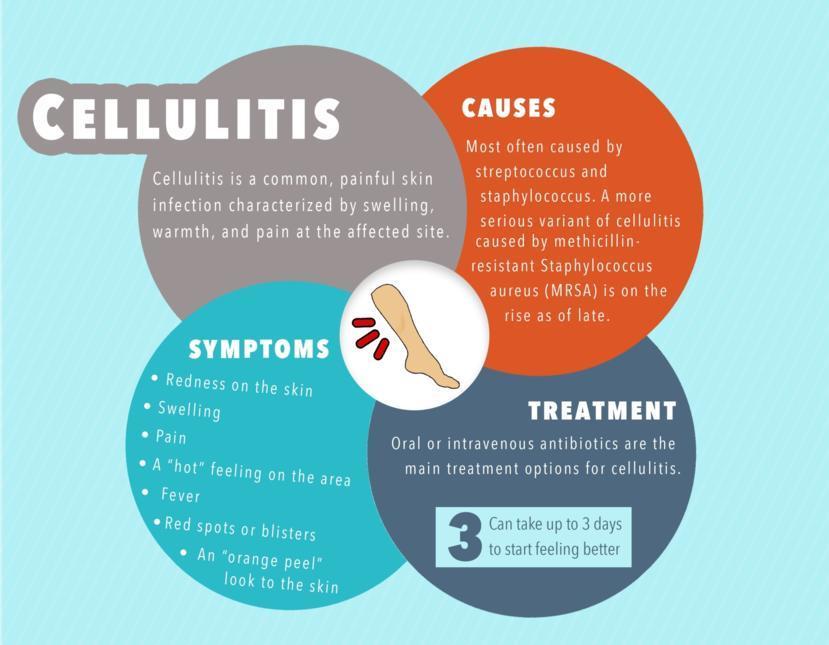
Cellulitis is a common bacterial skin infection that can cause redness, swelling, and pain. While anyone can develop cellulitis, certain risk factors can increase your chances of developing this condition. By understanding these risk factors, you can take precautions to protect yourself and reduce the likelihood of developing cellulitis.
Skin Injuries
One of the primary risk factors for cellulitis is skin injuries. Cuts, wounds, burns, surgical incisions, ulcers, and even insect bites or stings can provide an entry point for bacteria to invade the skin. It’s important to keep any skin injuries clean and properly bandaged to reduce the risk of infection.
Diabetes
Individuals with diabetes are more susceptible to infections, including cellulitis. High blood sugar levels, peripheral neuropathy (nerve damage), poor circulation, and impaired immune function associated with diabetes can weaken the skin’s defense against bacteria. Managing blood sugar levels, maintaining proper foot care, and seeking prompt medical attention for any skin issues is crucial for individuals with diabetes.
Weakened Immune System
Having a weakened immune system can increase the risk of developing cellulitis. Conditions such as HIV/AIDS, undergoing chemotherapy or radiation therapy, organ transplant recipients, and chronic illnesses requiring immunosuppressive medications can compromise the body’s ability to fight off bacterial infections. It is important for individuals with weakened immune systems to take extra precautions to prevent cellulitis, such as practicing good hygiene and promptly treating any skin infections.
Obesity
Obesity can also contribute to the risk of developing cellulitis. Excess weight puts strain on the skin and reduces blood flow to the affected area, making it more vulnerable to infection. Maintaining a healthy weight through a balanced diet and regular exercise can help minimize the risk of developing cellulitis.
Lymphedema
Lymphedema is a condition characterized by impaired lymphatic system drainage, resulting in swelling and fluid retention in the affected limb. The accumulation of fluid makes the skin more susceptible to infection. Proper care for lymphedema, including compression therapy and regular monitoring, can help reduce the risk of cellulitis.
Intravenous Drug Use
Individuals who engage in intravenous drug use are at a higher risk of developing cellulitis. Sharing needles or using unsterilized equipment can introduce bacteria directly into the bloodstream, increasing the likelihood of developing an infection. Avoiding intravenous drug use altogether is the best way to prevent cellulitis and other serious health complications.
Certain Medical Conditions
Certain medical conditions can contribute to the risk of cellulitis. Conditions such as venous insufficiency, eczema, psoriasis, and autoimmune disorders can weaken the skin’s barrier function, making it easier for bacteria to penetrate. Individuals with these conditions should take extra precautions to protect their skin and promptly address any skin issues.
Elderly Age
As we age, the skin becomes thinner, more fragile, and less elastic. This natural aging process makes older adults more susceptible to developing cellulitis. Additionally, underlying medical conditions and reduced mobility can further increase the risk. It’s essential for older adults to maintain good skin hygiene, promptly treat any skin injuries or infections, and seek medical attention if cellulitis symptoms develop.
Poor Circulation
Poor circulation can impair the delivery of necessary nutrients and immune cells to the skin, increasing the risk of developing cellulitis. Conditions such as peripheral artery disease (PAD) and venous insufficiency can compromise blood flow. Taking measures to improve circulation, such as regular exercise, elevating the limbs when possible, and following medical interventions, can help reduce the risk of cellulitis.
History of Cellulitis
Having a previous episode of cellulitis increases the likelihood of future occurrences. Each episode of cellulitis can lead to scarring or damage to the skin, making it more susceptible to subsequent infections. If you have a history of cellulitis, it’s crucial to take extra precautions to prevent future outbreaks.
Precautions to Prevent Cellulitis
Fortunately, there are several precautions you can take to prevent cellulitis and protect your skin health. By incorporating these practices into your daily routine, you can reduce the risk of developing this bacterial infection.
Keep Your Skin Clean and Moisturized
Maintaining clean and moisturized skin is essential for preventing cellulitis. Use a mild cleanser to wash your skin regularly, focusing on areas prone to sweat, bacteria, and moisture buildup. After cleansing, apply a moisturizer to keep your skin hydrated and prevent dryness, cracking, and peeling.
Treat Skin Infections Promptly
If you notice any signs of a skin infection, such as redness, warmth, swelling, or pus, it’s crucial to seek prompt medical attention and receive appropriate treatment. Promptly addressing skin infections can prevent the infection from spreading and reduce the risk of developing cellulitis.
Avoid Scratching or Picking at Your Skin
Scratching or picking at your skin can create openings for bacteria to enter and cause an infection. Avoiding these behaviors can help protect your skin’s integrity and reduce the risk of developing cellulitis. If you have an itch, gently pat or rub the area instead of scratching.
Protect Your Feet
Proper foot care is particularly important for individuals with diabetes or other conditions that compromise foot health. Inspect your feet daily for any signs of redness, blisters, or cuts. Keep your toenails trimmed and wear comfortable, properly fitting footwear that provides adequate support. Avoid walking barefoot in public areas to reduce the risk of sustaining foot injuries and subsequent infections.
Maintain a Healthy Weight
Maintaining a healthy weight is crucial for overall health and can reduce the risk of developing cellulitis. Excess weight puts strain on the skin and compromises blood flow, making it more vulnerable to infections. Incorporate a balanced diet and regular exercise into your routine to achieve and maintain a healthy weight.
Take Care of Lymphedema
If you have lymphedema, it’s important to follow your healthcare provider’s recommendations for managing the condition. This may include regular use of compression garments, daily exercises to promote lymphatic drainage, and addressing any signs of infection promptly. Managing lymphedema effectively can help prevent cellulitis episodes.
Practice Good Hygiene
Maintaining good hygiene is crucial for preventing infections, including cellulitis. Practice regular handwashing with soap and water, especially before applying any wound dressings or touching your skin. Avoid sharing personal items, such as towels or razors, as this can increase the risk of spreading bacteria.
Avoid Intravenous Drug Use
If you engage in intravenous drug use, it’s essential to seek help and support to overcome this dangerous habit. Intravenous drug use significantly increases the risk of developing cellulitis and other severe infections. Reach out to healthcare professionals or addiction support services to find resources and guidance for rehabilitation.
Protect Your Skin from Injuries
Taking steps to protect your skin from injuries can reduce the risk of developing cellulitis. Wear protective clothing, such as long sleeves and pants, when engaging in activities that may cause cuts or scratches. Use proper equipment and precautions when handling sharp objects or participating in high-risk activities.
Stay Active and Promote Blood Circulation
Regular physical activity is not only beneficial for overall health but also promotes blood circulation, which can help prevent cellulitis. Engage in activities that get your heart rate up and improve blood flow, such as walking, swimming, or cycling. Avoid prolonged periods of immobility, and if necessary, elevate your limbs to encourage proper circulation. If recommended by a healthcare professional, consider wearing compression stockings to enhance blood flow in the lower extremities.
By understanding the risk factors for cellulitis and implementing these precautions, you can significantly reduce your chances of developing this common skin infection. Prioritize your skin health, practice good hygiene, and promptly address any skin issues to maintain healthy and resilient skin. Remember, prevention is key when it comes to cellulitis. Stay proactive and protect yourself from this potentially painful and dangerous condition.
