
Are you aware of the risk factors and precautions associated with cervical cancer? Cervical cancer is a serious health concern for many women worldwide. It is crucial to have an understanding of the risk factors that potentially contribute to the development of this disease, as well as the preventative measures that can be taken. In this article, we will discuss some of the common risk factors for cervical cancer, as well as the precautions that can help reduce the likelihood of its occurrence. By being knowledgeable about these factors and taking the necessary precautions, you can help protect yourself and others from this potentially life-threatening disease.
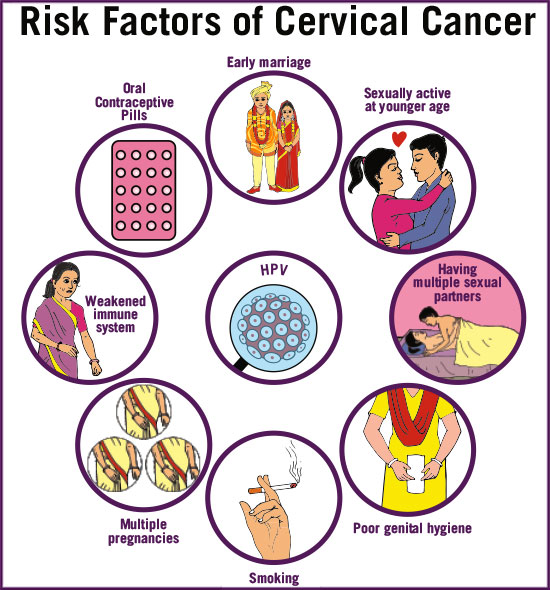
Risk Factors for Cervical Cancer
Cervical cancer is a type of cancer that affects the cells of the cervix, the lower part of the uterus. While the exact cause of cervical cancer is unknown, there are several risk factors that have been identified. Understanding these risk factors can help you take necessary precautions to reduce your risk of developing cervical cancer.
Human Papillomavirus (HPV) Infection
One of the most significant risk factors for cervical cancer is infection with the Human Papillomavirus (HPV). HPV is a common sexually transmitted infection that can lead to the development of cervical cancer. There are several types of HPV, with some being more high-risk than others. It is estimated that nearly all cases of cervical cancer are caused by high-risk HPV infections.
Smoking
Smoking is another risk factor for cervical cancer. Research has shown a link between smoking and an increased risk of developing cervical cancer. Chemicals found in tobacco can damage the DNA of cervical cells, making them more susceptible to the development of cancer. Additionally, smoking can weaken the immune system, making it harder for the body to fight off HPV infections.
Weak Immune System
Having a weak immune system can also increase the risk of developing cervical cancer. A properly functioning immune system plays a crucial role in fighting off HPV infections. Conditions and medications that weaken the immune system, such as HIV/AIDS and certain immunosuppressive drugs, can make it harder for the body to clear HPV infections, leading to a higher risk of cervical cancer.
Family History of Cervical Cancer
If you have a family history of cervical cancer, you may be at an increased risk of developing the disease. Certain genetic factors can predispose individuals to cervical cancer. If you have a close relative, such as a mother or sister, who has had cervical cancer, it is important to inform your healthcare provider so they can assess your risk appropriately.
Long-Term Use of Birth Control
Long-term use of hormonal contraceptives, such as birth control pills, has been associated with an increased risk of cervical cancer. It is believed that the hormones in these contraceptives can promote the growth of abnormal cells in the cervix. However, it is important to note that the overall risk is still low, and the benefits of using hormonal birth control often outweigh the potential risks.
Multiple Full-Term Pregnancies
Women who have had multiple full-term pregnancies also have a slightly higher risk of developing cervical cancer. The reasons behind this increased risk are not fully understood, but hormonal and physiological changes during pregnancy may play a role. It is important for women who have had multiple pregnancies to be vigilant about getting regular cervical screenings to detect any abnormalities early.
Sexual History and Early Sexual Activity
Certain aspects of your sexual history can also impact your risk of developing cervical cancer. Having multiple sexual partners or engaging in sexual activity from a young age can increase your risk. This is because the more sexual partners you have, the more likely you are to come into contact with HPV. Additionally, early sexual activity can increase the exposure to HPV before the immune system has fully developed.
Diethylstilbestrol (DES) Exposure
Diethylstilbestrol (DES) is a synthetic form of estrogen that was prescribed to some pregnant women from the 1940s to the 1970s to prevent complications. Women who were exposed to DES in utero, known as DES daughters, have an increased risk of developing cervical cancer. Regular screening is recommended for DES daughters to detect any abnormalities at an early stage.
Socioeconomic Factors
Socioeconomic factors such as poverty, limited access to healthcare, and low educational levels can also contribute to an increased risk of cervical cancer. These factors can limit access to regular screenings and vaccinations, delay diagnosis and treatment, and decrease overall awareness about cervical cancer prevention.

Precautions for Cervical Cancer
While there are certain risk factors that cannot be changed, such as family history or exposure to DES, there are several precautions you can take to reduce your risk of developing cervical cancer.
Regular Pap Tests and HPV Screening
One of the most important precautions for cervical cancer is to undergo regular Pap tests and HPV screenings. Pap tests, also known as Pap smears, are used to detect any abnormal changes in the cells of the cervix. HPV screenings can identify the presence of high-risk HPV types. Regular screenings can help detect early signs of cervical cancer or precancerous changes, allowing for prompt treatment and improved outcomes.
HPV Vaccination
The HPV vaccine is a highly effective way to prevent HPV infections and reduce the risk of cervical cancer. The vaccine is recommended for both boys and girls around the age of 11 or 12, before sexual activity begins. However, the vaccine can still be beneficial for individuals who have already become sexually active. Talk to your healthcare provider to determine if the HPV vaccine is right for you.
Safe Sexual Practices
Practicing safe sex can help reduce your risk of contracting HPV and other sexually transmitted infections. Use condoms consistently and correctly, limit the number of sexual partners, and consider discussing your sexual history with your partner. These precautions can help minimize your exposure to HPV and lower your risk of developing cervical cancer.
Smoking Cessation
If you are a smoker, quitting smoking is crucial for not only reducing your risk of cervical cancer but also improving your overall health. Seek support from healthcare providers, join smoking cessation programs, or try nicotine replacement therapies. Quitting smoking can be challenging, but the benefits are well worth it.
Maintaining a Healthy Immune System
Taking steps to maintain a healthy immune system can help your body fight off HPV infections and reduce the risk of cervical cancer. Include a balanced diet rich in fruits and vegetables, exercise regularly, get enough sleep, manage stress, and avoid excessive alcohol consumption. These lifestyle habits can strengthen your immune system and improve your overall well-being.
Limiting the Use of Hormonal Birth Control
While hormonal contraceptives are generally safe and effective, long-term use may slightly increase the risk of cervical cancer. If you have concerns about the potential risks, discuss alternative methods of birth control with your healthcare provider. There are various non-hormonal options available that can effectively prevent pregnancy while minimizing the risk of cervical cancer.
Monitoring and Early Detection
Regularly monitoring your own body and being aware of any changes can be crucial in the early detection of cervical cancer. Pay attention to any abnormal bleeding or pain, especially during or after sexual intercourse. If you notice any concerning symptoms, consult your healthcare provider promptly for evaluation.
Genetic Testing and Family History Evaluation
If you have a family history of cervical cancer or other risk factors, consider discussing genetic testing with your healthcare provider. Genetic testing can help identify specific genetic mutations that may increase your risk of developing cervical cancer. Additionally, understanding and documenting your family history can help assess your personal risk and determine appropriate preventive measures.
In conclusion, understanding the risk factors associated with cervical cancer is essential in taking necessary precautions to protect yourself. By staying informed, getting regular screenings, practicing safe sex, quitting smoking, maintaining a healthy immune system, and addressing any genetic or family history concerns, you can significantly reduce your risk of developing cervical cancer and promote your overall well-being. Take charge of your health and prioritize preventive measures to ensure a brighter, healthier future.
