
Cholera, a severe bacterial infection that causes watery diarrhea and dehydration, can be a frightening and potentially deadly illness. In order to protect yourself and your loved ones from this disease, it is important to be aware of the risk factors and take necessary precautions. By understanding the modes of transmission and practicing good hygiene, you can greatly reduce the chances of contracting cholera. Stay informed and stay safe!
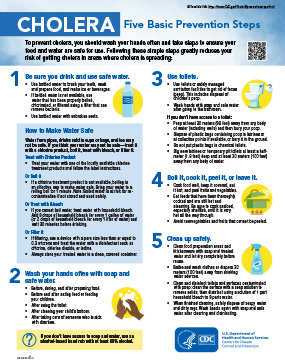
Risk Factors for Cholera
Cholera is a potentially deadly disease caused by the bacterium Vibrio cholerae. While it can affect anyone, certain risk factors make individuals more susceptible to contracting the disease. It is essential to be aware of these factors to take appropriate precautions and protect yourself and your loved ones from this highly contagious illness.
Contaminated Water and Food
Contaminated water and food are among the primary risk factors for cholera transmission. The bacterium that causes cholera thrives in water sources contaminated by fecal matter. When individuals consume food or water contaminated with V. cholerae, they become at risk of contracting the disease.
To minimize the risk of cholera, it is crucial to ensure that the water and food you consume are safe. Safe water sources, such as treated tap water or purified bottled water, should be used for drinking and cooking purposes. Additionally, it is essential to practice proper food hygiene, such as washing fruits and vegetables thoroughly and avoiding raw or uncooked seafood that may harbor the bacteria.
Poor Sanitation
Poor sanitation plays a significant role in the spread of cholera. Inadequate sewage systems, improper waste disposal, and open defecation contribute to the contamination of water sources. When these contaminated water sources are used for various purposes, including drinking and bathing, the risk of cholera transmission increases.
To prevent the spread of cholera, communities and individuals must prioritize proper sanitation practices. This includes the construction and maintenance of adequate sewage systems, proper waste disposal methods, and discouraging open defecation. By improving sanitation infrastructure and awareness, the risk of cholera outbreaks can be significantly reduced.
Lack of Access to Clean Water
Lack of access to clean water is another significant risk factor for cholera transmission. In many parts of the world, especially in impoverished areas, clean and potable water may be scarce or unavailable. This leaves communities with no choice but to rely on contaminated water sources, increasing their vulnerability to cholera and other waterborne diseases.
Providing communities with access to clean water is essential in preventing cholera outbreaks. Governments and organizations should invest in water treatment facilities to ensure that the water supplied to communities is safe for consumption. Additionally, efforts should be made to improve water storage methods to ensure an adequate and reliable water supply, reducing the reliance on contaminated sources.
Overcrowding and Poverty
Overcrowding and poverty are interconnected risk factors for cholera. In densely populated areas with limited resources, individuals often live in overcrowded conditions with inadequate housing. These crowded living situations create an ideal environment for the rapid spread of diseases such as cholera.
To mitigate the risk of cholera, it is crucial to address issues of overcrowding and poverty. This can be achieved by implementing policies and measures to improve housing conditions, reduce population density, and provide access to basic amenities such as clean water and sanitation facilities. By addressing the underlying causes of overcrowding and poverty, the risk of cholera can be significantly reduced.
Malnutrition
Malnutrition weakens the immune system and increases the susceptibility to various infections, including cholera. When individuals lack essential nutrients, their bodies are less equipped to fight off infections, making them more prone to contracting diseases such as cholera.
To prevent cholera in individuals at risk of malnutrition, it is essential to prioritize proper nutrition. Access to a well-balanced diet that includes essential nutrients is crucial to maintaining a strong immune system. Additionally, efforts should be made to address the underlying causes of malnutrition, such as poverty and food insecurity.
Weakened Immune System
Individuals with weakened immune systems are more susceptible to contracting cholera. Certain health conditions, such as immunodeficiency disorders, HIV/AIDS, and advanced age, can weaken the immune system and make individuals more vulnerable to infections.
To protect individuals with weakened immune systems from cholera, it is crucial to prioritize their health and well-being. This includes regular monitoring of their condition and adherence to any prescribed treatments or medications. Vaccination against cholera should also be considered, as it can provide an additional layer of protection for individuals with compromised immune systems.

Precautions to Prevent Cholera
While there are risk factors that increase the likelihood of contracting cholera, there are several precautions that individuals can take to protect themselves and prevent the spread of the disease. By following these guidelines, you can significantly reduce the risk of cholera and help keep yourself and your community safe.
Safe Water Sources
Using safe water sources is crucial in preventing cholera. Treated tap water or purified bottled water should be the primary sources of drinking and cooking water. These sources have undergone filtration or disinfection processes, ensuring that they are free from harmful bacteria, including V. cholerae.
Additionally, it is essential to be cautious when consuming beverages or ice made from unknown water sources. If the water’s safety cannot be guaranteed, it is best to avoid consuming these beverages to minimize the risk of cholera transmission.
Proper Sanitation Practices
Proper sanitation practices play a vital role in preventing the spread of cholera. It is essential to have access to adequate sewage systems that effectively remove and treat waste. By ensuring that human waste is properly disposed of and does not contaminate water sources, the risk of cholera transmission can be significantly reduced.
Individuals can also contribute to proper sanitation practices by practicing proper hygiene. This includes washing hands regularly with soap and clean water, especially before eating and after using the toilet. Hand sanitizers can be used as an alternative when clean water is not readily available.
Adequate Hygiene
Maintaining adequate hygiene is essential in preventing cholera. Besides proper handwashing, other hygiene practices, such as proper food handling and personal cleanliness, should be observed. Food should be thoroughly cooked, and raw seafood, which can be a potential source of contamination, should be avoided.
Additionally, maintaining personal cleanliness by bathing regularly helps eliminate bacteria from the body and reduce the risk of cholera transmission.
Vaccination
Vaccination against cholera is a highly effective preventive measure. Cholera vaccines are available and can provide protection against the disease, especially for those who may be at higher risk, such as individuals with weakened immune systems or those living in areas with frequent cholera outbreaks.
Consulting with healthcare professionals and following their recommendations regarding cholera vaccination is important, especially when traveling to regions where cholera is prevalent.
Health Education and Awareness
Health education and awareness programs play a critical role in preventing cholera. By educating individuals and communities about the risk factors and preventive measures of cholera, awareness can be raised, leading to positive behavior changes and reduced transmission rates.
Efforts should be made to disseminate information about proper sanitation practices, safe water sources, and the importance of vaccinations. Empowering individuals and communities with knowledge can go a long way in preventing cholera and promoting overall public health.
Boil or Disinfect Water
Boiling water is an effective method to kill bacteria, including V. cholerae. When uncertain about the safety of the water source, it is advisable to boil the water for at least one minute before consuming or using it for cooking purposes.
In situations where boiling water is not possible, water can be disinfected using chlorine tablets or other water purification methods. These methods can help kill the bacteria present in the water and minimize the risk of cholera.
Avoid Raw Seafood
Raw or uncooked seafood, especially from contaminated water sources, can harbor V. cholerae and pose a significant risk of cholera transmission. To prevent cholera, it is best to avoid consuming raw seafood or ensure that it has been cooked thoroughly before consumption.
By practicing safe food handling and avoiding raw seafood, the risk of contracting cholera from contaminated food sources can be significantly reduced.
Handwashing Techniques
Proper handwashing is a fundamental preventive measure against cholera. Hands should be washed with soap and clean water for at least 20 seconds, ensuring that all surfaces, including palms, fingers, and under the nails, are thoroughly cleaned.
Hand sanitizers can be used as an alternative when soap and water are not readily available. However, it is important to note that hand sanitizers are not as effective as proper handwashing, especially when hands are visibly dirty.
Good Food Handling
Proper food handling practices are essential in preventing the spread of cholera. This includes washing fruits and vegetables thoroughly before consumption and ensuring that food is cooked thoroughly, especially meats and seafood.
Cross-contamination between raw and cooked foods should be avoided by using separate utensils and cutting boards. By practicing good food handling techniques, the risk of cholera transmission through contaminated food can be minimized.
Proper Disposal of Waste
Proper disposal of waste is crucial in preventing the spread of cholera. Waste should be segregated, and appropriate waste management practices should be followed. This includes using sanitary landfills to dispose of waste and avoiding dumping waste into water sources that can contaminate the water supply.
By implementing proper waste disposal practices and raising awareness about their importance, communities can minimize the risk of cholera transmission and maintain a clean and healthy environment.
In conclusion, understanding the risk factors and taking precautions to prevent cholera is crucial in minimizing the transmission of this potentially life-threatening disease. By practicing proper sanitation, using safe water sources, maintaining good hygiene, and addressing underlying issues such as poverty and malnutrition, the risk of cholera can be significantly reduced. Additionally, vaccination and health education play important roles in preventing and controlling cholera outbreaks. By following these precautions and promoting awareness, we can work together to protect ourselves and our communities from cholera.
