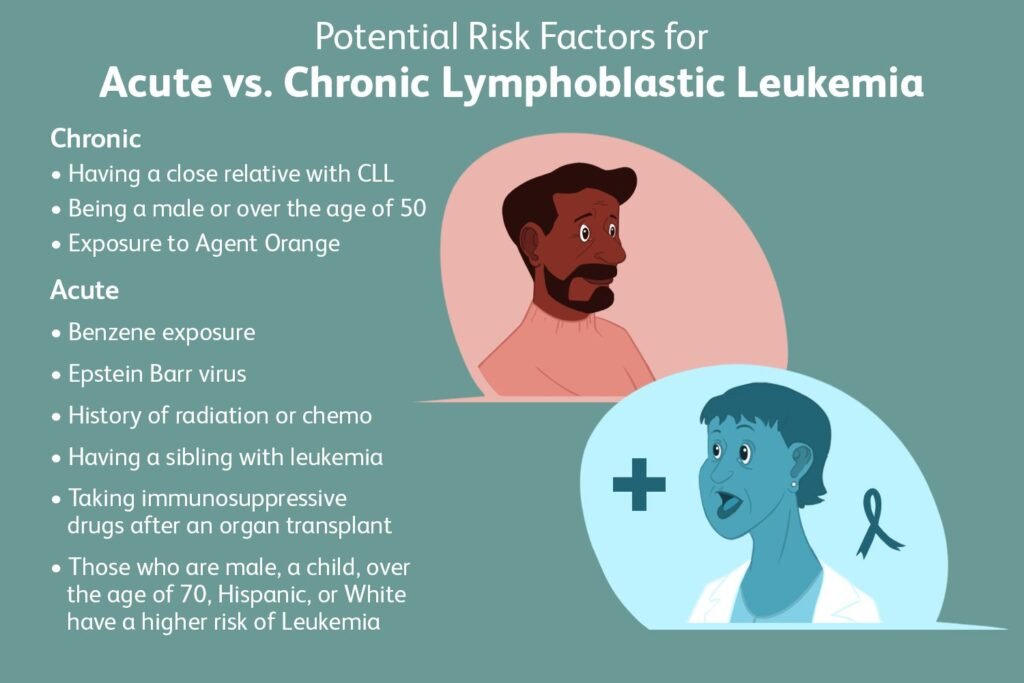
Chronic Lymphocytic Leukemia is a type of cancer that affects the blood and bone marrow. While the causes of this disease are still unknown, there are certain risk factors that have been identified. Age, family history, and exposure to certain chemicals or substances are some of the factors that may increase the likelihood of developing CLL. However, there are precautions you can take to lower your risk. Regular exercise, a healthy diet, and avoiding exposure to harmful substances are some preventive measures that can help reduce the chances of developing CLL. By understanding the risk factors and taking necessary precautions, you can be proactive in maintaining your health and well-being.
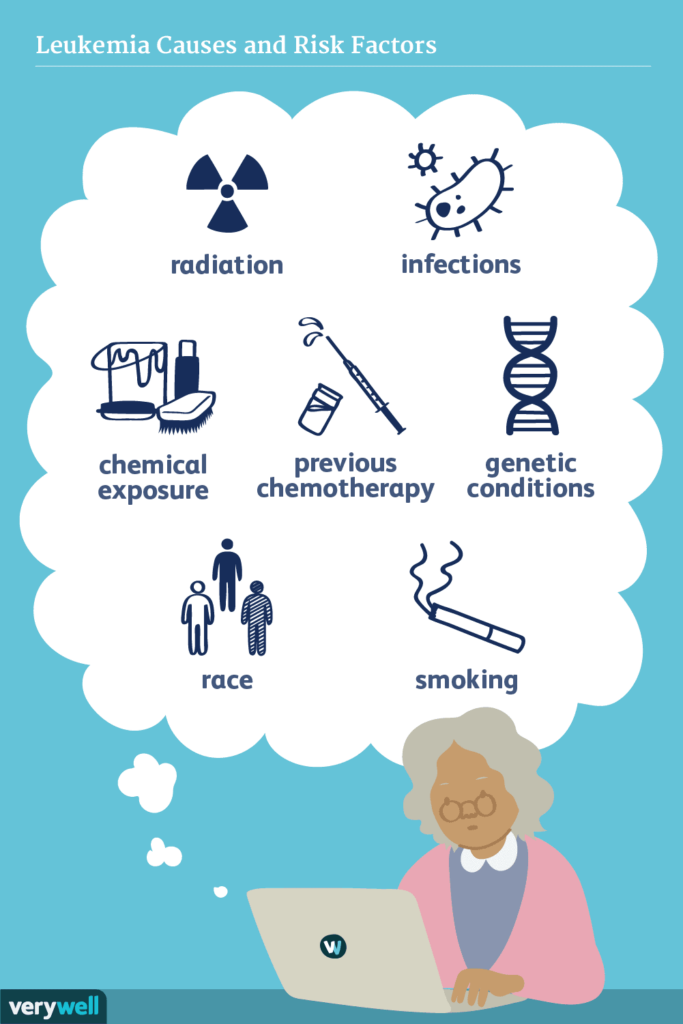
Risk Factors
Age
One of the main risk factors for chronic lymphocytic leukemia (CLL) is age. As you grow older, your risk of developing CLL increases. While this type of leukemia can occur at any age, it most commonly affects older adults. The majority of CLL cases are diagnosed in individuals who are 70 years old or older. However, it is important to note that CLL can still occur in younger individuals, so it is crucial to be aware of other risk factors as well.
Gender
CLL is slightly more common in males than in females. The reasons for this gender difference are not yet fully understood. However, it could be attributed to certain hormonal or genetic factors. Regardless of your gender, it is vital to be aware of the other risk factors and take necessary precautions to reduce your overall risk of developing CLL.
Family History
Having a close family member with CLL can increase your risk of developing the disease. If you have a sibling, parent, or child who has been diagnosed with CLL, it is important to let your healthcare provider know, as they may recommend additional preventative measures or screenings. Certain genetic mutations can also be inherited, further contributing to the increased risk within families.
Race and Ethnicity
Studies have shown that individuals of Caucasian descent have a higher risk of developing CLL compared to other racial and ethnic groups. The reasons for this disparity are still being studied and understood. Regardless of your race or ethnicity, it is important to be aware of the other risk factors and take steps to minimize your risk.
Exposure to Certain Chemicals
Exposure to certain chemicals has been associated with an increased risk of developing CLL. These chemicals include pesticides and herbicides, benzene, and other solvents. Additionally, certain hair dyes and chemicals have also been linked to a higher risk. It is important to minimize exposure to these chemicals whenever possible, especially if you work in an industry where you may come into contact with them regularly.
Radiation Exposure
Previous radiation therapy for other types of cancer is a known risk factor for developing CLL. If you have received radiation treatment in the past, it is crucial to discuss this with your healthcare provider, as they may recommend additional monitoring or screenings to detect any potential complications. Exposure to high levels of radiation, such as nuclear accidents, can also increase the risk of developing CLL.
Previous Cancer Treatment
Having received certain chemotherapy drugs or radiation therapy in the past can increase the risk of developing CLL. It is important to discuss your previous cancer treatments with your healthcare provider to evaluate your individual risk and develop a personalized prevention plan. Regular check-ups and screenings may be recommended to monitor for any signs of CLL or its progression.
Weakened Immune System
A weakened immune system can put you at a higher risk of developing CLL. Certain immune system disorders, organ transplantation, and infections such as HIV/AIDS can compromise your immune system. It is important to take steps to strengthen your immune system and minimize the risk of developing CLL. This can include maintaining a healthy lifestyle, getting regular exercise, eating a balanced diet, and practicing good hygiene.
Inherited Gene Mutations
Certain inherited gene mutations have been associated with an increased risk of developing CLL. Genetic counseling may be recommended if you have a family history of CLL or if you carry known gene mutations associated with the disease. Understanding your genetic risk can help you make informed decisions about preventative measures and screening options.
Certain Infections
Certain infections have been linked to an increased risk of developing CLL. These infections include Hepatitis C virus (HCV) and Human T-cell Leukemia Virus (HTLV-1). It is essential to take precautions to prevent these infections by practicing safe sex, avoiding sharing needles, and getting vaccinated against infections wherever possible.

Participating in Clinical Trials
Participating in clinical trials can offer opportunities to explore experimental treatment options for CLL. These trials help researchers and healthcare professionals to develop and evaluate new treatments and medications. By participating in a clinical trial, you not only have the potential to access innovative treatments, but you also contribute to medical advancements and help improve outcomes for future CLL patients. If you are interested in clinical trials, it is essential to consult with your healthcare provider to determine if you are suitable for any ongoing trials and discuss the potential benefits and risks.
In conclusion, understanding the risk factors associated with chronic lymphocytic leukemia is crucial for early detection, prevention, and personalized care. While certain factors like age and gender are beyond our control, there are steps we can take to minimize our risk, such as reducing exposure to certain chemicals, maintaining a healthy lifestyle, and staying informed about our family history and genetic risk. By being proactive and working closely with our healthcare providers, we can empower ourselves in the fight against CLL. Remember to consult with your healthcare provider for personalized advice and guidance based on your individual risk factors and medical history. Stay informed, stay vigilant, and take steps to protect your health.