
Cold sores, those annoying and painful blisters that appear on your lips or around your mouth, can be quite a nuisance. But have you ever wondered what causes them and how you can prevent them from popping up? In this article, we will explore the various risk factors that contribute to cold sores, as well as some simple precautions you can take to keep them at bay. So, grab a warm cup of tea and join us as we unravel the mysteries behind these pesky sores.

Risk Factors for Cold Sores
1.1 Herpes Simplex Virus Type 1 (HSV-1)
One of the main risk factors for cold sores is the presence of the herpes simplex virus type 1 (HSV-1). This virus is highly contagious and can be transmitted through close personal contact, such as kissing or sharing utensils with an infected individual. Once infected, the virus can remain dormant in the body and may become active during times of stress or when the immune system is weakened.
1.2 Weakened Immune System
A weakened immune system can greatly increase the risk of cold sore outbreaks. When the immune system is compromised, the body is less able to fight off infections, including the herpes simplex virus. Factors that can weaken the immune system include chronic illnesses, certain medications, and undergoing treatments such as chemotherapy or radiation therapy.
1.3 Stress
Stress is a common trigger for cold sore outbreaks. When you experience periods of high stress or emotional turmoil, your body’s natural defense mechanisms can become compromised, making it easier for the herpes simplex virus to become active. It is important to find healthy and effective ways to manage stress to minimize the risk of cold sore outbreaks.
1.4 Temperature and Weather Conditions
Temperature and weather conditions can also play a role in cold sore outbreaks. Cold weather, in particular, can weaken the immune system and make individuals more susceptible to cold sores. Additionally, extreme temperatures, such as intense heat or freezing cold, can cause the skin to become chapped or cracked, providing an entry point for the herpes simplex virus.
1.5 Exposure to Sunlight
Excessive exposure to sunlight can trigger cold sore outbreaks in some individuals. The ultraviolet (UV) rays from the sun can damage the skin and weaken the immune system, making it easier for the herpes simplex virus to become active. It is important to protect your lips and skin from the sun by using lip balm with sunscreen and wearing protective clothing and sunscreen.
1.6 Hormonal Changes
Hormonal changes, such as those that occur during menstruation or pregnancy, can increase the risk of cold sore outbreaks. Fluctuations in hormones can weaken the immune system and make it more difficult for the body to suppress the herpes simplex virus. It is important for individuals experiencing hormonal changes to take extra precautions to reduce the risk of cold sore outbreaks during these times.
1.7 Physical Injury to the Lips
Injuries to the lips, such as cuts, abrasions, or lip biting, can act as a trigger for cold sore outbreaks. When the skin on the lips is damaged, it provides an entry point for the herpes simplex virus, increasing the likelihood of an outbreak. It is crucial to practice good oral hygiene and avoid behaviors that can lead to lip injuries to minimize the risk of cold sores.
1.8 Recent Dental or Facial Procedures
Undergoing dental or facial procedures can potentially trigger cold sore outbreaks. These procedures can cause irritation or trauma to the lips, which can activate the herpes simplex virus. It is important to inform your healthcare provider about your history of cold sores before undergoing any of these procedures, as they may recommend antiviral medications to prevent outbreaks.
1.9 Sharing Personal Items
Sharing personal items, such as lip balm, towels, or utensils, with someone who has an active cold sore outbreak increases the risk of transmission and subsequent outbreak. The herpes simplex virus can be easily spread through direct contact with an infected person’s saliva or the fluid from their cold sore. It is advisable to avoid sharing personal items to prevent the spread and recurrence of cold sores.
1.10 Close Contact with Cold Sore Outbreak
Close contact with someone currently experiencing a cold sore outbreak can increase the likelihood of contracting the herpes simplex virus and developing cold sores. The virus can be spread through direct contact, such as kissing or touching the affected area. It is essential to avoid close personal contact with individuals who have visible cold sores to minimize the risk of infection.

Precautions to Reduce Cold Sore Outbreaks
2.1 Good Hygiene Practices
Practicing good hygiene is essential in reducing the risk of cold sore outbreaks. Wash your hands regularly, especially after touching your mouth or face, to prevent the spread of the herpes simplex virus. Use disposable tissues or the inside of your elbow to cover your mouth and nose when coughing or sneezing, as respiratory droplets can also transmit the virus.
2.2 Avoiding Direct Contact with Cold Sores
To minimize the risk of transmission and outbreak, it is important to avoid direct contact with cold sores. Refrain from kissing, sharing utensils or drinking glasses, and touching the affected area. Additionally, avoid engaging in activities that may irritate or damage the lips, such as excessive lip biting or picking.
2.3 Limiting Sun Exposure
Since sunlight can trigger cold sore outbreaks in some individuals, it is crucial to limit sun exposure, especially during peak hours when the UV rays are strongest. This can be achieved by seeking shade, wearing protective clothing, hats, and sunglasses, and using lip balm with sunscreen to protect your lips.
2.4 Managing Stress Levels
As stress is a known trigger for cold sore outbreaks, finding effective stress management techniques is crucial to reducing the risk. Consider engaging in activities such as exercise, meditation, deep breathing exercises, or practicing hobbies that help you relax and unwind. Additionally, maintaining a healthy work-life balance and seeking support from loved ones can also contribute to stress reduction.
2.5 Boosting the Immune System
Maintaining a strong immune system is important in reducing the frequency and severity of cold sore outbreaks. Focus on a balanced diet rich in fruits, vegetables, whole grains, and lean proteins to ensure you receive essential vitamins and minerals. Engage in regular exercise, get adequate sleep, and consider incorporating immune-boosting supplements, such as vitamin C and zinc, into your routine after consulting with a healthcare professional.
2.6 Maintaining Optimal Health
Taking care of your overall health can significantly reduce the risk of cold sore outbreaks. Avoid smoking and excessive alcohol consumption, as these habits can weaken the immune system and increase the likelihood of outbreaks. Stay hydrated by drinking plenty of water and maintain a regular skincare routine to keep your lips moisturized and healthy.
2.7 Protecting Lips from Harsh Weather
Extreme weather conditions, such as cold, dry air, or strong winds, can dry out the lips and make them more susceptible to cold sore outbreaks. Protect your lips by applying a moisturizing lip balm regularly, especially during these conditions. Consider using a lip balm with additional ingredients like petroleum jelly or beeswax, as they can provide an extra layer of protection.
2.8 Avoiding Triggers
Identifying and avoiding triggers that contribute to cold sore outbreaks is crucial in reducing their occurrence. Keep a journal to track potential triggers, such as certain foods, excessive alcohol consumption, or specific environmental factors, and try to minimize exposure to these triggers whenever possible.
2.9 Using Lip Balm with Sunscreen
To protect your lips from sunlight-induced cold sore outbreaks, use a lip balm that contains sunscreen. Look for a broad-spectrum lip balm with an SPF of 30 or higher and apply it generously before going out in the sun. Reapply every two hours or more frequently if you are sweating or engaging in water activities.
2.10 Seeking Early Treatment
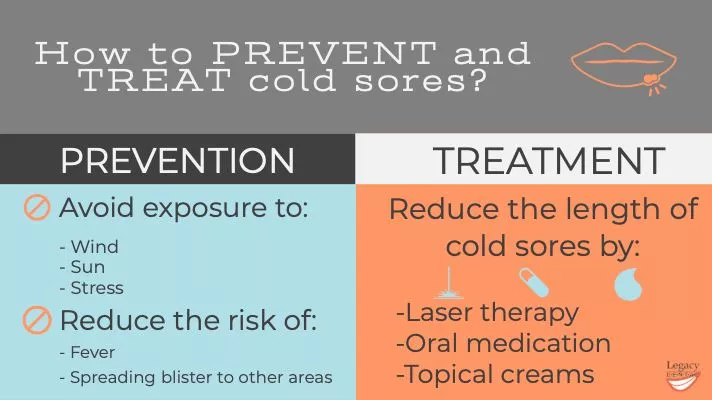
If you do experience a cold sore outbreak, seeking early treatment can help reduce the duration and severity of the outbreak. Over-the-counter topical creams or ointments containing antiviral ingredients, such as docosanol or acyclovir, can help speed up the healing process. Consult with a healthcare professional to determine the most appropriate treatment option for your specific case.
Herpes Simplex Virus Type 1 (HSV-1)
3.1 Understanding HSV-1
Herpes simplex virus type 1 (HSV-1) is a highly contagious virus that causes cold sores. It is primarily transmitted through direct contact with an infected person or through shared objects, such as utensils or towels. Once infected, the virus can remain dormant in the body’s nerve cells and become reactivated during times of stress or when the immune system is weakened.
3.2 Transmission of HSV-1
HSV-1 is most commonly transmitted through direct contact with the saliva or fluid from an active cold sore. This can occur through activities such as kissing, sharing utensils, or touching the affected area and then touching another part of the body. It is important to practice good hygiene and avoid engaging in behaviors that may spread the virus to reduce the risk of transmission.
3.3 Primary Infection
When a person is first exposed to HSV-1, they may experience a primary infection. This can manifest as multiple painful blisters or sores on or around the lips. Other symptoms may include fever, swollen lymph nodes, and general malaise. The primary infection usually resolves within a few weeks, but the virus remains in the body and can reactivate to cause future cold sore outbreaks.
