
Imagine a world where you could take simple precautions to reduce your risk of developing dementia. In this article, we will explore the various risk factors associated with dementia and provide you with practical measures you can take to protect your brain health. From maintaining a healthy lifestyle to engaging in mental stimulation activities, we will arm you with the knowledge you need to potentially lower your risk and live a fulfilling life. So, let’s dive in and discover the key strategies to safeguarding your cognitive well-being.

What is Dementia?
Dementia is a condition characterized by a decline in cognitive functioning, which affects a person’s ability to think, remember, and reason. It is not a single disease but rather a term that encompasses a group of symptoms caused by various underlying conditions. Dementia is often associated with older age, but it is not a normal part of aging. It is important to note that dementia is not the same as Alzheimer’s disease, although Alzheimer’s is the most common cause of dementia.
Definition of Dementia
Dementia is a broad term that describes a range of symptoms affecting cognitive function. These symptoms may include memory loss, difficulty with language and communication, changes in mood and behavior, and impaired reasoning and judgment. Dementia is typically progressive, meaning it worsens over time, and it can have a significant impact on a person’s daily life and ability to function independently.
Types of Dementia
There are several different types of dementia, each with its own underlying cause and specific symptoms. The most common type of dementia is Alzheimer’s disease, accounting for approximately 60-80% of cases. Other types of dementia include vascular dementia, which is caused by reduced blood flow to the brain, and Lewy body dementia, which is characterized by abnormal protein deposits in the brain. Other less common types of dementia include frontotemporal dementia, Parkinson’s disease dementia, and mixed dementia, which is a combination of different types of dementia.
Risk Factors
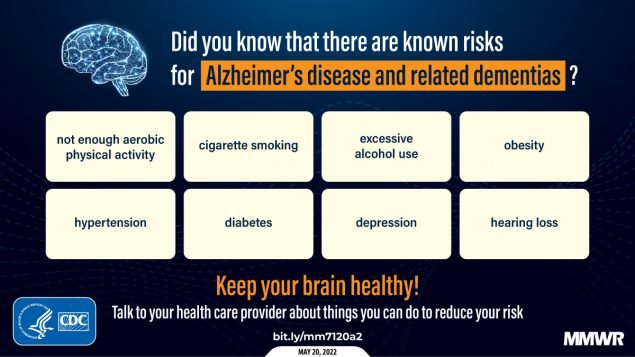
Understanding the risk factors associated with dementia can help individuals take proactive steps to reduce their risk and promote brain health. While some risk factors, such as age and family history, cannot be changed, there are lifestyle factors that can be modified to help lower the risk of developing dementia.
Age
Age is the most significant risk factor for dementia. The risk of developing dementia increases with age, and the condition is most common in individuals over the age of 65. However, dementia can also occur in younger individuals, known as early-onset dementia. While the risk of dementia increases with age, it is important to note that not all older adults will develop the condition.
Family History
Having a family history of dementia increases the risk of developing the condition. If you have a close family member, such as a parent or sibling, with dementia, your risk of developing the condition may be higher than someone without a family history. However, it is essential to remember that having a family history does not guarantee that you will develop dementia.
Genetics
Certain genetic factors can increase the risk of developing certain types of dementia. For example, individuals with a specific mutation in the presenilin 1 gene have a higher risk of developing early-onset Alzheimer’s disease. However, it is important to note that genetic factors alone do not determine whether someone will develop dementia, and many individuals with no family history of the condition still develop dementia.
Ethnicity
Studies have shown that certain ethnicities may have a higher risk of developing dementia. For example, individuals of African, Hispanic, or Asian descent may be at an increased risk compared to individuals of European descent. However, more research is needed to better understand the connection between ethnicity and dementia risk.
Gender
Women tend to have a higher risk of developing dementia compared to men. This higher risk may be partly explained by the fact that women generally live longer than men. However, research has also suggested that hormonal and genetic factors may play a role in the gender differences in dementia risk.

Lifestyle Factors
While some risk factors for dementia are beyond our control, certain lifestyle factors can be modified to help reduce the risk and promote brain health. Making positive changes in these areas can have a significant impact on overall well-being and may help lower the risk of developing dementia.
Diet and Nutrition
Maintaining a healthy diet is essential for overall health, including brain health. A balanced diet that includes fruits, vegetables, whole grains, lean proteins, and healthy fats can provide the necessary nutrients to support brain function. Some studies have suggested that a Mediterranean-style diet, rich in fruits, vegetables, whole grains, and fish, may have protective effects against dementia. Avoiding excessive alcohol intake and reducing the consumption of processed foods and sugary drinks is also recommended.
Physical Exercise
Regular physical exercise has been shown to have many benefits for brain health and can help lower the risk of dementia. Engaging in activities that get your heart rate up and improve cardiovascular fitness, such as walking, swimming, or cycling, can support healthy brain function. Exercise increases blood flow to the brain, promotes the growth of new nerve cells, and can enhance memory and cognitive function. Aim for at least 150 minutes of moderate-intensity aerobic exercise per week, along with strength training exercises for muscle health.
Cognitive Stimulation
Keeping your brain active and engaged through cognitive stimulation is another important aspect of maintaining brain health and reducing the risk of dementia. Engaging in activities that challenge the brain, such as reading, puzzles, learning a new skill, or playing musical instruments, can help promote cognitive function. Stimulating your brain regularly can help build and strengthen neural connections, which can have a protective effect against cognitive decline.
Chronic Conditions
Certain chronic conditions can increase the risk of developing dementia. These conditions often have shared risk factors and can benefit from similar preventive strategies.
Cardiovascular Disease
Cardiovascular disease, including conditions such as high blood pressure, high cholesterol, and heart disease, can increase the risk of developing dementia. The blood vessels that supply the brain can become damaged due to uncontrolled hypertension or atherosclerosis, which can lead to reduced blood flow and oxygen to the brain. Managing cardiovascular risk factors through lifestyle modifications, such as regular exercise, a balanced diet, managing stress, and avoiding smoking, can help reduce the risk of both cardiovascular disease and dementia.
Diabetes
Diabetes, particularly type 2 diabetes, is associated with an increased risk of developing dementia. Both conditions share common risk factors such as obesity, sedentary lifestyle, and poor diet. Diabetes can lead to damage to blood vessels and nerves, including those in the brain, which can contribute to cognitive decline. Managing diabetes through medication, lifestyle changes, and regular monitoring of blood glucose levels can help reduce the risk of dementia.
High Blood Pressure
High blood pressure, or hypertension, is a significant risk factor for both cardiovascular disease and dementia. Uncontrolled high blood pressure can lead to damage to blood vessels and reduced blood flow to the brain. Managing blood pressure through lifestyle changes, such as a healthy diet, regular exercise, stress reduction, and medication if necessary, can help lower the risk of both conditions.
Obesity
Obesity, defined as having a body mass index (BMI) of 30 or higher, is associated with an increased risk of dementia. It is believed that obesity may contribute to cognitive decline through inflammation, insulin resistance, and cardiovascular risk factors. Maintaining a healthy weight through a balanced diet and regular exercise is essential for brain health and can help reduce the risk of dementia.

Environmental Factors
In addition to genetics and lifestyle factors, certain environmental factors can also contribute to the risk of developing dementia. These factors may be less under our control but understanding their potential impact can help individuals take appropriate precautions.
Air Pollution
Exposure to air pollution, including fine particulate matter and toxic gases, has been linked to an increased risk of dementia. Long-term exposure to air pollution can lead to inflammation and oxidative stress in the brain, which can contribute to cognitive decline. Minimizing exposure to air pollution by staying indoors on days with poor air quality, using air purifiers, and living in areas with cleaner air can help reduce the risk.
Toxic Chemicals
Exposure to certain toxic chemicals, such as heavy metals like lead and mercury, pesticides, and solvents, has been associated with an increased risk of dementia. These chemicals can accumulate in the body over time and affect brain function. Taking precautions to minimize exposure to toxic chemicals, such as using protective equipment when working with chemicals and following safety guidelines, is important for brain health.
Head Injuries
A history of head injuries, particularly repeated concussions, has been linked to an increased risk of developing dementia later in life. Protecting the head during activities with a high risk of head injury, such as sports or certain occupations, is crucial. Wearing appropriate protective gear, following safety guidelines, and seeking medical attention for any head injuries can help reduce the risk of long-term cognitive decline.
Prevention Strategies
While there is no guaranteed way to prevent dementia, adopting certain strategies can help reduce the risk and promote brain health.
Maintaining a Healthy Lifestyle
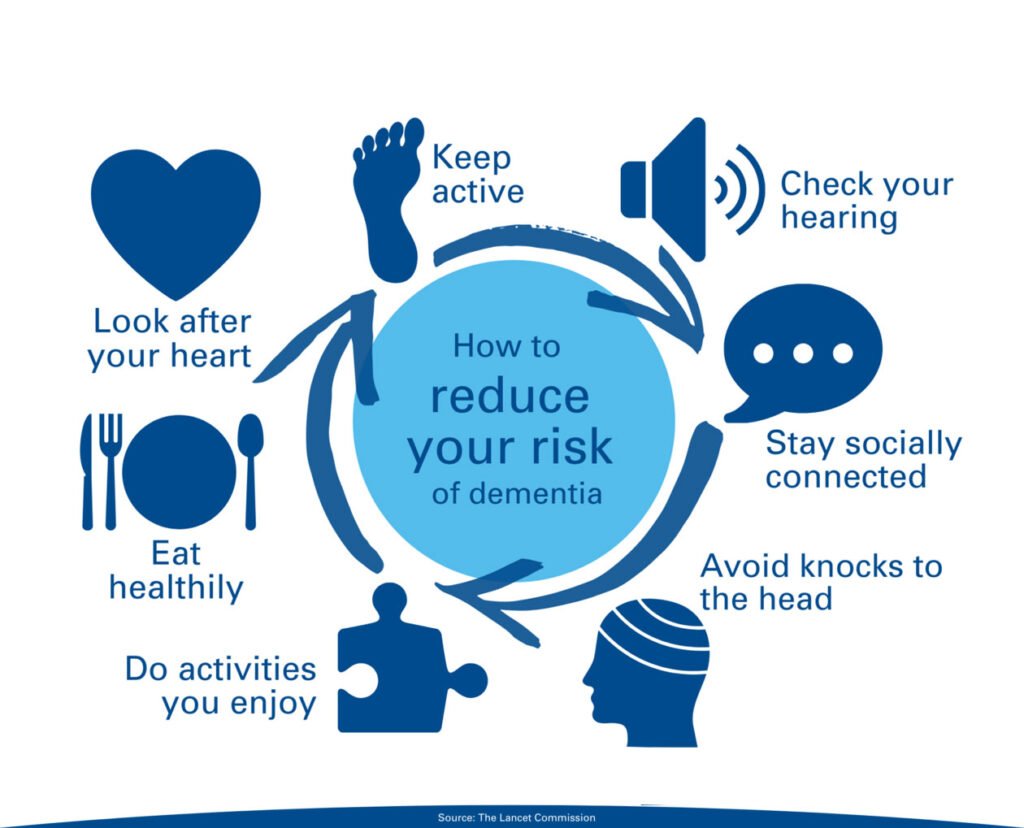
Leading a healthy lifestyle that includes a balanced diet, regular physical exercise, cognitive stimulation, and stress management can go a long way in reducing the risk of dementia. Making these lifestyle changes can help improve overall health and support brain function.
Managing Chronic Conditions
Effectively managing chronic conditions, such as cardiovascular disease, diabetes, and high blood pressure, is essential for reducing the risk of dementia. Regular monitoring, medication adherence, and lifestyle modifications recommended by healthcare professionals can help keep these conditions under control.
Protecting the Brain
Taking precautions to protect the brain from injury and reducing exposure to environmental factors that may contribute to cognitive decline is important. This can include wearing appropriate protective gear, avoiding activities with a high risk of head injury, and minimizing exposure to air pollution and toxic chemicals.
Diagnostic Tests
If you or someone you know is experiencing symptoms that may be indicative of dementia, it is important to seek a medical evaluation for an accurate diagnosis. Healthcare professionals may use a variety of diagnostic tests to assess cognitive function and determine the underlying cause of the symptoms.
Cognitive Assessments
Cognitive assessments are tests that evaluate memory, attention, language, problem-solving, and other cognitive abilities. These assessments may be performed by a healthcare professional and can help determine the severity of cognitive impairment and track changes over time.
Brain Imaging
Brain imaging techniques, such as magnetic resonance imaging (MRI) and positron emission tomography (PET), can provide detailed images of the brain’s structure and function. These tests can help identify any abnormalities or changes in the brain that may be associated with dementia.
Blood Tests
Blood tests may be performed to check for certain biomarkers associated with dementia. These biomarkers may include specific proteins or genetic markers that can provide additional information about the underlying cause of cognitive impairment.
Early Signs and Symptoms
Recognizing the early signs and symptoms of dementia is crucial for early intervention and management of the condition. While the specific symptoms may vary depending on the type of dementia, there are some common signs to be aware of.
Memory Loss
One of the most common early signs of dementia is memory loss. This may involve forgetting recently learned information, struggling to remember names or events, or relying heavily on memory aids and reminders. Over time, memory loss may become more severe and affect daily life and independence.
Difficulty Communicating
Dementia can also affect language and communication skills. Early signs may include difficulty finding the right words, repeating phrases or stories, and having trouble following conversations. Communication difficulties can contribute to social withdrawal and frustration.
Mood Changes
Changes in mood and emotions are often early signs of dementia. This may include increased irritability, anxiety, depression, or a noticeable shift in personality. Mood changes can impact relationships and overall well-being.
Treatment Options
While there is currently no cure for dementia, there are treatment options available to help manage the symptoms and improve quality of life.
Medication
Certain medications may be prescribed to help manage the cognitive and behavioral symptoms of dementia. These medications cannot reverse or stop the progression of the disease, but they may help temporarily improve symptoms such as memory, mood, and concentration.
Therapies
Various therapies, including cognitive stimulation therapy, reminiscence therapy, and occupational therapy, can be beneficial for individuals with dementia. These therapies aim to improve cognitive function, memory, and daily living skills, as well as provide emotional support and promote social engagement.
Supportive Care
Supportive care, including assistance with daily activities, counseling, and support groups, can be vital for individuals with dementia and their caregivers. A comprehensive care plan that addresses both the physical and emotional needs of the individual can help improve their quality of life.
Caring for Someone with Dementia
Caring for a loved one with dementia can be challenging, but there are strategies and resources available to help provide the necessary care and support.
Creating a Safe Environment
Making modifications to the home environment can help ensure the safety of individuals with dementia. This may include removing trip hazards, installing grab bars, using locks and alarms on doors and windows, and organizing belongings to promote independence and prevent frustration.
Providing Emotional Support
Emotional support is crucial for individuals with dementia and their caregivers. This may involve active listening, validation of emotions, and providing reassurance. Engaging in activities that bring joy and maintaining social connections can also help improve mood and overall well-being.
Managing Caregiver Stress
Taking care of a loved one with dementia can be emotionally and physically demanding. Caregivers must prioritize self-care, seek help when needed, and access available resources, such as support groups or respite care. It is essential to remember that taking care of oneself is equally important when providing care to others.
In conclusion, dementia is a complex and multifaceted condition that can have a significant impact on individuals and their families. Understanding the risk factors, adopting a healthy lifestyle, managing chronic conditions, and taking precautions to protect the brain can all contribute to reducing the risk of developing dementia. Early recognition of symptoms, accurate diagnosis, and appropriate treatment and support are essential for managing the condition and improving quality of life for individuals with dementia and their caregivers.