
Dengue fever is a viral infection transmitted by mosquitoes that has become increasingly prevalent in various parts of the world. In this article, we will explore the risk factors associated with dengue fever and outline important precautions that can be taken to prevent the disease. Whether you are planning a tropical vacation or simply want to stay informed about potential health risks in your area, understanding the risk factors and taking necessary precautions is essential to safeguarding your wellbeing.
Risk Factors for Dengue Fever
Dengue fever is a viral illness transmitted by mosquitoes. While anyone can get infected with dengue, certain risk factors can increase the likelihood of contracting the disease. By understanding these risk factors, you can take appropriate precautions to protect yourself and your loved ones. This comprehensive article will delve into the various risk factors associated with dengue fever, enabling you to make informed decisions about your health.
Geographical Location
The geographical location plays a crucial role in the prevalence of dengue fever. Countries with high dengue risk are typically located in tropical and subtropical regions. These regions provide the ideal conditions for the Aedes mosquitoes, the primary carriers of the virus, to thrive. Examples of countries with high dengue risk include parts of Southeast Asia, Latin America, and the Caribbean.
Furthermore, within a country, the risk of contracting dengue can vary based on whether you reside in urban or rural areas. Urban areas tend to have a higher prevalence of dengue due to increased population density, which facilitates the transmission of the virus. Rural areas, on the other hand, may still have cases of dengue but to a lesser extent due to the lower population density.
Proximity to breeding sites is another geographical factor that influences the risk of dengue transmission. Mosquitoes require stagnant water to lay their eggs, and therefore, living in close proximity to areas with water accumulation, such as ponds, puddles, and poorly maintained water storage containers, increases the risk of dengue transmission.

Climate
Climate plays a significant role in the transmission of dengue fever. The virus is most commonly found in tropical and sub-tropical regions where the climate is warm and humid. Such conditions allow the Aedes mosquitoes to reproduce at a rapid rate, increasing the chances of dengue transmission. Therefore, individuals living in these regions are at a higher risk of contracting the disease compared to those in temperate climatic zones.
Seasonal variations also impact the prevalence of dengue. In areas with distinct dry and rainy seasons, dengue cases are usually higher during or immediately after the rainy season. This is because the rains create more breeding sites for mosquitoes and promote their proliferation.
Additionally, climate phenomena like El Niño and La Niña can influence the transmission of dengue. El Niño, characterized by warmer ocean temperatures in the Pacific, can create conditions conducive to the multiplication of mosquitoes. La Niña, on the other hand, brings increased rainfall, leading to more breeding sites and higher transmission rates of dengue.
Lifestyle Factors
Certain lifestyle factors can increase your exposure to mosquitoes and subsequently raise the risk of dengue infection. Living or working in areas with a high presence of mosquitoes puts you at a higher risk of contracting the virus. Factors that contribute to this include:
Exposure to Mosquito Bites
Individuals who frequently spend time outdoors, especially during times when mosquitoes are most active (such as early morning and late afternoon), are more likely to get bitten and infected. Mosquitoes are attracted to body heat and the carbon dioxide we exhale, so being outdoors increases your exposure to the Aedes mosquito.
Outdoor Activities
Engaging in outdoor activities, such as sports, gardening, or camping, can further increase your exposure to mosquitoes. These activities typically take place in areas where mosquitoes thrive, providing ample opportunities for mosquito bites and potential dengue transmission.
Stagnant Water Accumulation
Stagnant water acts as a breeding ground for mosquitoes. If you live in an area where water tends to collect, such as near ditches, swamps, or waterlogged areas, the risk of encountering mosquitoes and contracting dengue increases. It is important to eliminate any stagnant water sources around your home to reduce mosquito breeding sites.
Poor Sanitation
Inadequate sanitation practices, including improper waste disposal and lack of regular garbage collection, can contribute to the proliferation of mosquitoes. Mosquitoes are known to breed in containers or areas with stagnant water, which can result from poor sanitation practices. Therefore, areas with poor sanitation are at a higher risk of dengue transmission.
Pre-existing Medical Conditions
Certain pre-existing medical conditions and states of health can put individuals at a greater risk of developing severe forms of dengue if infected. These conditions include:
Immunocompromised Individuals
People with compromised immune systems, such as those with HIV/AIDS or undergoing chemotherapy, have a diminished ability to fight off infections. As a result, if they contract dengue, their bodies may struggle to control the virus, leading to more severe symptoms and an increased risk of complications.
Chronic Illnesses
Individuals with chronic illnesses, such as diabetes, heart disease, or respiratory conditions, may have compromised immune systems or underlying health issues that can make them more susceptible to severe dengue symptoms. Furthermore, these conditions could complicate dengue treatment, posing additional risks to their health.
Pregnancy
Pregnant women are at an increased risk of severe dengue. Changes in the immune system during pregnancy, along with the potential impact on blood circulation, make pregnant women more vulnerable to complications. Severe dengue in pregnancy can lead to adverse outcomes for both the mother and the unborn child.
Age
Age is an important risk factor for dengue fever. Different age groups experience the disease differently, with certain age brackets being more susceptible to severe forms of the illness. These age groups include:
Children
Children, especially those under the age of five, are more vulnerable to dengue due to their underdeveloped immune systems. When infected, children are more likely to experience severe symptoms and complications compared to adults. Therefore, it is crucial to take extra precautions when protecting children from mosquito bites and reducing their exposure to dengue risk areas.
Elderly
The elderly also face an increased risk of developing severe dengue symptoms and complications. Age-related changes in the immune system can hamper the body’s ability to control the virus, potentially leading to more severe illness. It is essential for the elderly to be vigilant about mosquito bite prevention and seek timely medical care if symptoms of dengue appear.

Gender
Gender can influence the risk and severity of dengue infection. Studies have shown that male individuals are more likely to contract dengue fever compared to females. This could be due to various factors, including behavioral differences, occupational exposure, and hormonal variations. However, both males and females need to prioritize mosquito bite prevention and remain vigilant in dengue risk areas.
Occupation
Certain occupations expose individuals to a higher risk of dengue transmission due to increased exposure to mosquitoes or work environments conducive to mosquito breeding. Occupations that have a higher risk of dengue transmission include:
Agricultural Workers
Individuals working in agriculture, such as farmers and laborers, often work in outdoor settings where mosquito exposure is high. Additionally, agricultural activities that involve the storage or handling of water resources can contribute to mosquito breeding sites, further increasing the risk of dengue transmission among agricultural workers.
Construction Workers
Construction workers are often exposed to environments with stagnant water, such as construction sites that can accumulate rainwater. This provides an ideal breeding ground for mosquitoes. The nature of their work may also involve spending long hours outdoors, increasing the likelihood of mosquito bites and dengue infection.
Healthcare Professionals
Healthcare professionals, such as nurses, doctors, and laboratory technicians, are at an elevated risk of dengue due to their close contact with patients. If a healthcare facility is located in an area with high dengue prevalence, healthcare professionals may face an increased risk of exposure. Strict adherence to infection control measures and personal protective equipment is crucial in minimizing the risk.
Military Personnel
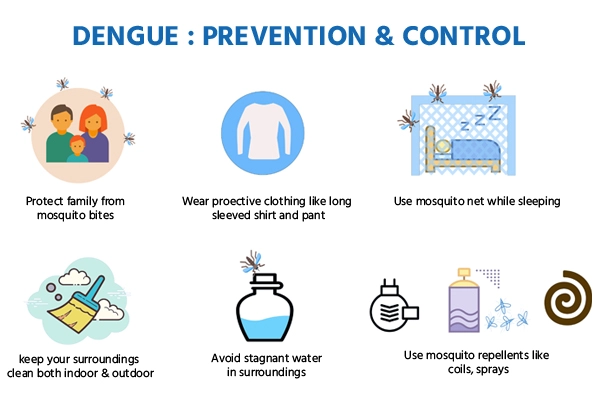
Military personnel, particularly those stationed in tropical or subtropical regions, are at an increased risk of dengue infection due to their living and working conditions. Long deployments and exposure to outdoor environments in endemic areas heighten the chances of contracting dengue. Thus, preventive measures, such as utilizing mosquito nets and insect repellents, are essential for military personnel.
Laboratory Researchers
Laboratory researchers and technicians working with dengue samples are at risk of accidental exposure to the virus. Proper laboratory safety protocols and adherence to biosafety guidelines are crucial to minimize the risk of infection.
Outdoor Workers
Various outdoor job roles, such as gardeners, pest control workers, or trash collectors, expose individuals to mosquito-infested environments. These workers commonly encounter stagnant water and spend extended periods outdoors, increasing the likelihood of mosquito bites and dengue transmission. Effective personal protective measures, such as insect repellents and protective clothing, can greatly reduce their risk.

Socioeconomic Status
Socioeconomic status can significantly impact the risk of dengue fever. Individuals from poor or low-income communities often face higher dengue transmission rates due to various factors associated with their living conditions and limited access to resources. These factors include:
Poor or Low-income Communities
In poor or low-income communities, living conditions may be suboptimal, with limited access to basic amenities such as clean water, proper sanitation, and adequate housing infrastructure. These conditions create environments conducive to mosquito breeding and increase the risk of dengue transmission.
Overcrowding
Overcrowded living conditions, such as cramped housing or densely populated neighborhoods, can facilitate the rapid spread of dengue. The close proximity of individuals increases the chances of mosquito bites and contact with infected individuals, leading to a higher risk of dengue transmission within these communities.
Limited Access to Healthcare
Individuals from socioeconomically disadvantaged backgrounds may face barriers in accessing healthcare services. This can result in delayed diagnosis, treatment, and inadequate medical care for dengue fever. Limited access to healthcare can worsen the outcomes of dengue cases and contribute to higher rates of severe illness or fatalities.
Education Level
Education plays a crucial role in raising awareness about dengue prevention and promoting healthy behaviors. Individuals with lower levels of education may have limited knowledge about dengue and proper preventive measures. Lack of education can hinder their ability to protect themselves and their families from dengue, thereby increasing the risk of infection.
Health Education and Awareness
Health education and awareness programs are instrumental in combating dengue fever. By disseminating accurate information about dengue and its prevention, these programs empower individuals and communities to take proactive measures in reducing the risk of infection. Some key initiatives in this regard include:
Community Outreach Programs
Community outreach programs aim to educate residents about dengue prevention, mosquito control measures, and the importance of reporting potential breeding sites. These programs often involve community leaders, local health authorities, and volunteers who engage with the community to raise awareness and improve overall knowledge about dengue.
School-based Programs
Incorporating dengue education into school curricula helps children develop an understanding of the disease and its prevention from a young age. School-based programs can include interactive sessions, distribution of educational materials, and initiatives like clean-up campaigns to instill good hygiene practices and reduce mosquito breeding sites.
Public Service Announcements
Utilizing various media platforms, such as television, radio, and social media, to broadcast public service announcements about dengue prevention can effectively reach a wide audience. These announcements can emphasize key preventive measures, highlight high-risk periods, and educate the public about early symptoms and timely medical care.
Training for Healthcare Professionals
Continuous training programs for healthcare professionals are essential to ensure they possess the latest knowledge and skills to diagnose and manage dengue cases effectively. These programs equip healthcare workers with the necessary tools to provide accurate information to patients, contribute to early detection, and offer timely treatment to minimize complications.
Importance of Early Detection and Timely Treatment
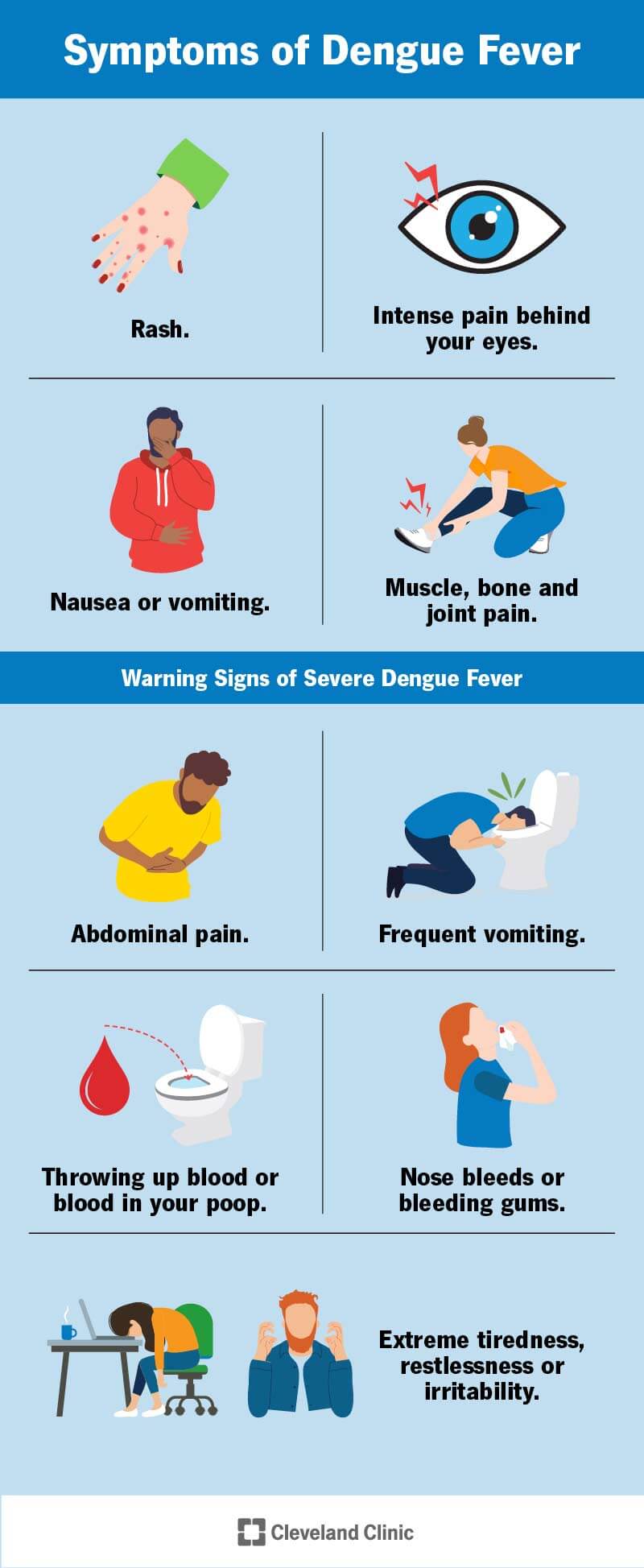
Spreading awareness about the importance of early detection and seeking prompt medical care is crucial in reducing the severity and mortality rates associated with dengue fever. Encouraging individuals to recognize the early symptoms of dengue, such as high fever, severe headaches, joint and muscle pain, and rash, can prompt early medical intervention.
In conclusion, understanding the risk factors associated with dengue fever is vital in taking proactive measures to prevent its transmission. By considering aspects like geographical location, climate, lifestyle factors, pre-existing medical conditions, age, gender, occupation, socioeconomic status, and housing conditions, individuals can adopt appropriate preventive strategies to minimize the risk of contracting dengue. Furthermore, the importance of health education and awareness campaigns cannot be overstated in empowering individuals and communities to protect themselves effectively against this debilitating disease. By implementing these preventive measures and promoting early detection and timely treatment, we can collectively combat dengue fever and ensure the well-being of our communities.